Tag: Dermatology
-
New Options for Treating Eczema
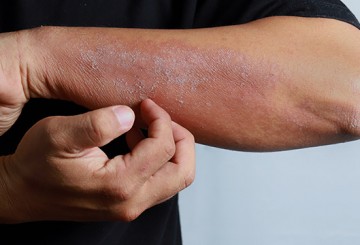
Patients with severe eczema who were treated with dupilumab experienced a reduction in symptoms and improved quality of life, according to a meta-analysis of several clinical trials published in JAMA Dermatology.
-

Tackling Skin Inflammation with Vitamin D
Oral vitamin D supplements reduced skin inflammation and increased immunoprotection in patients with chemical skin injuries, according to findings from a recent Northwestern Medicine clinical trial.
-
Workshop Teaches Medical Students Diagnosis Skills in Dermatology
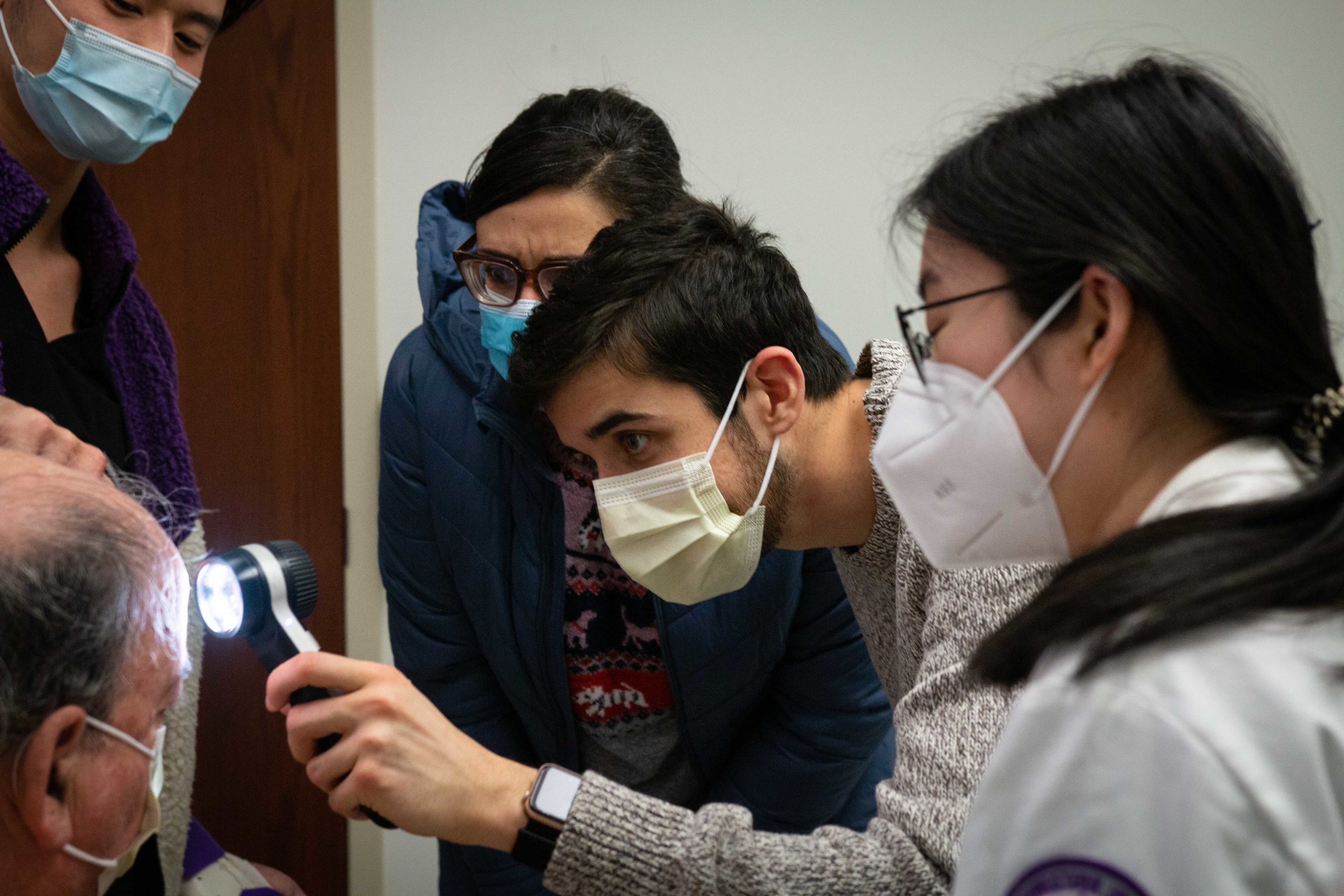
During a recent workshop, small groups of students met with multiple patients who live with dermatological conditions to learn advanced diagnosis skills.
-

Second-year Medical Student Awarded National Scholarship
Shiv Patel, a second-year medical student, was recently selected as a recipient of the Tylenol Future Care Scholarship, which recognizes 35 outstanding students nationwide pursuing healthcare degrees with scholarships totaling $250,000.
-
Vitamin D Improves Symptoms of Toxic Erythema of Chemotherapy
High doses of vitamin D alleviated symptoms for patients with toxic erythema of chemotherapy significantly faster than current treatments, according to a recent study.
-
Novel Mechanisms Regulate Inflammatory Skin Diseases
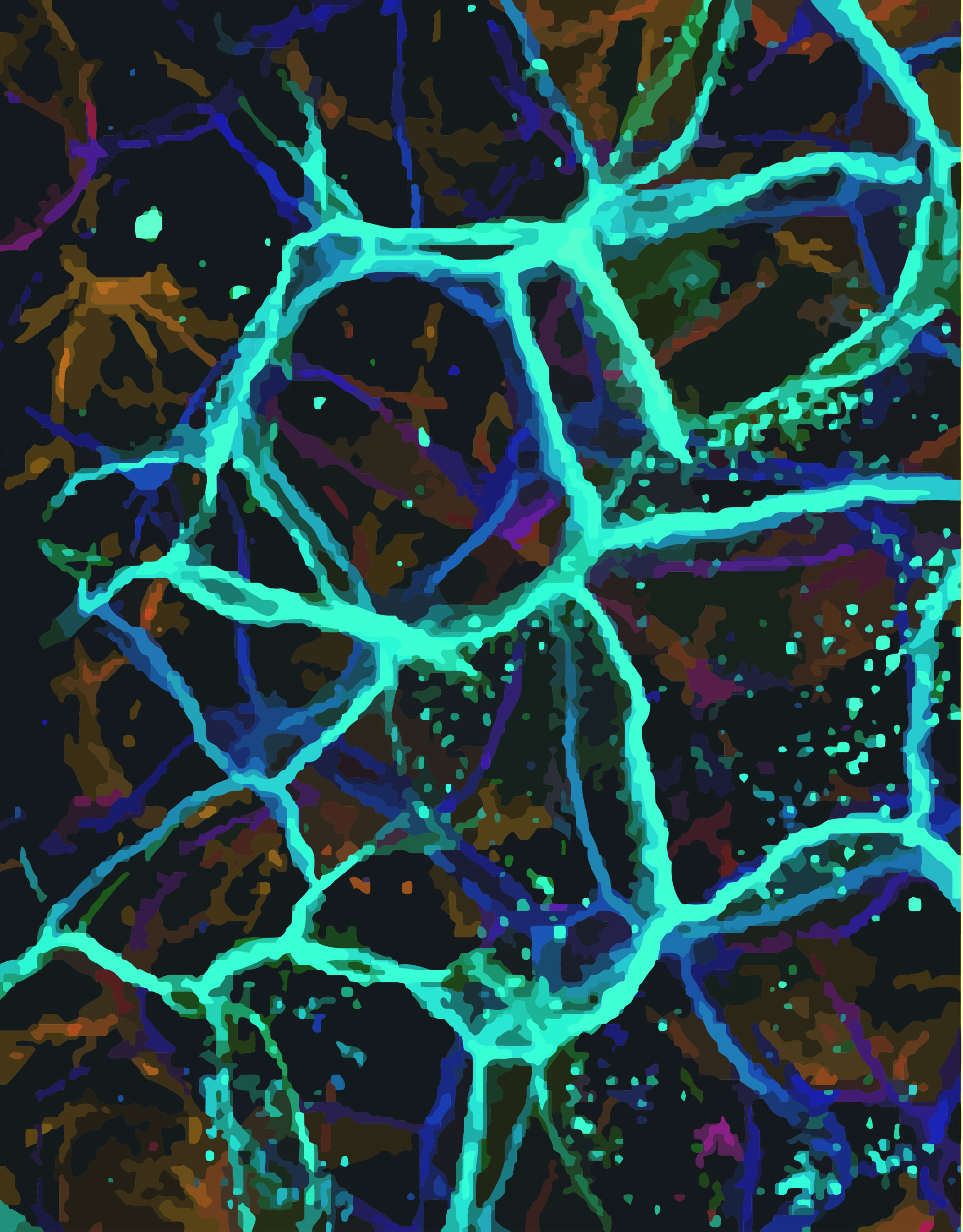
Northwestern Medicine investigators have identified novel intracellular mechanisms that could serve as future therapeutic targets for inflammatory skin diseases.
-
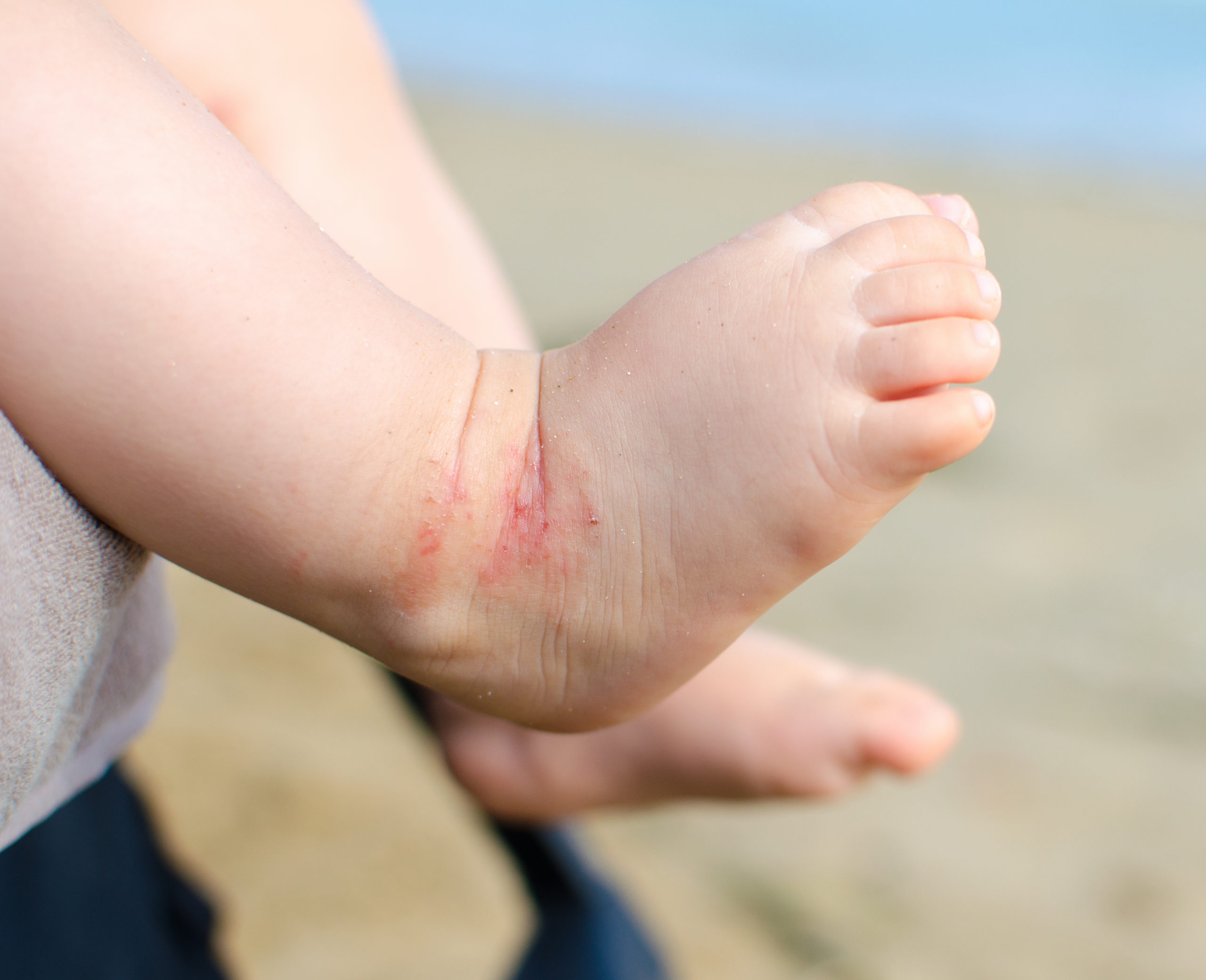
Study Finds Biologic Drug ‘Highly Effective’ in Reducing Pediatric Eczema Symptoms
The first biologic drug to treat moderate-to-severe eczema in infants and children was highly effective in reducing symptoms, according to a recent study.
-
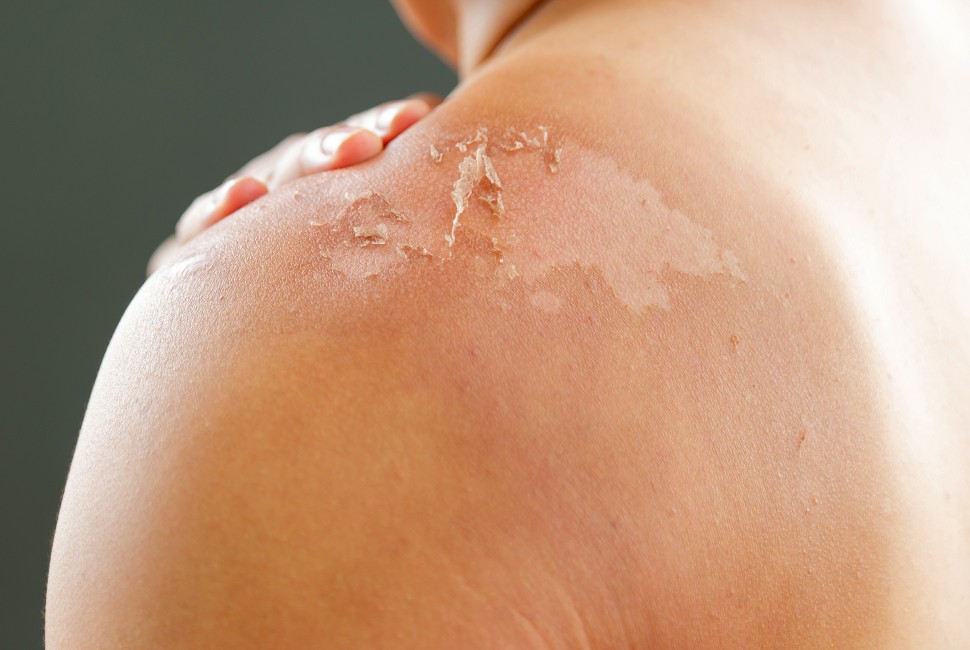
Scientists Identify Key Mechanism Controlling Skin Regeneration
A new study has identified a molecular switch, through a protein called CDK9, that plays an early and critical role in the skin stem cell differentiation process.
-

Hospitals Bound to Patient Safety Rules that Aren’t all Backed by Evidence
A new Northwestern Medicine study found of the new rules issued during a one-year period by the The Joint Commission, many did not appear to be supported by published evidence.
-

Student Investigates Private Equity in Dermatology
Rohail Memon, a second-year medical student, used his finance background to investigate the rise of private equity ownership in dermatology practice.