Tag: Cell and Developmental Biology
-

Cell Cycle Protein Has Surprising Secondary Function
A protein facilitating DNA replication during cell cycle also binds microtubules, findings that could inform more effective cancer treatments, according to a recent study published in the Journal of Cell Biology.
-

Motor Protein Organizes Egg Development
A motor protein called kinesin drives a unique mechanism that ensures correct placement of important proteins and mRNA during development of egg cells.
-
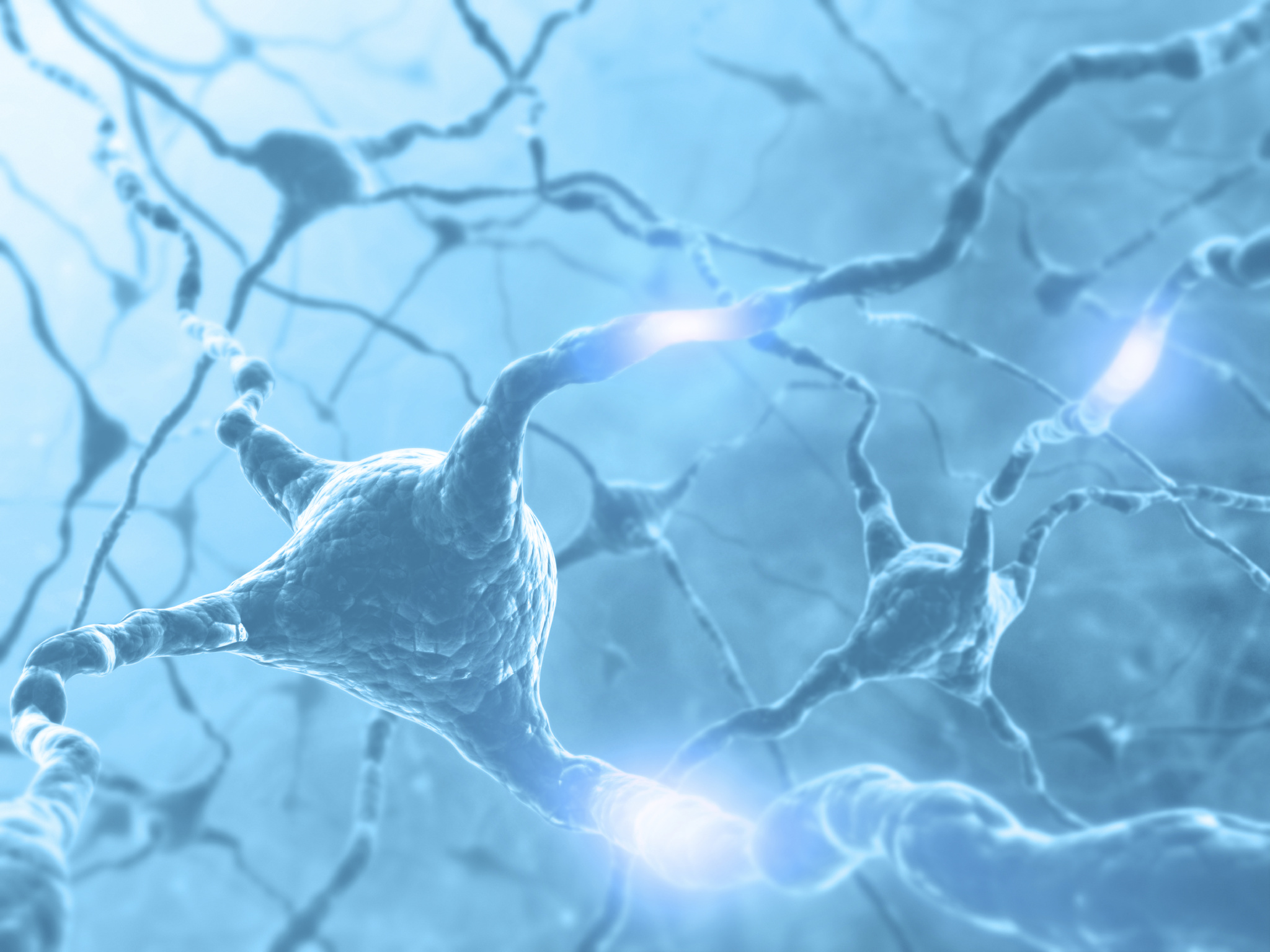
Drug Protects Neurons in Parkinson’s Disease
Treating mice with isradipine, a calcium channel blocker, prevented formation of toxic compounds that can cause Parkinson’s disease symptoms, according to a recent Northwestern Medicine study.
-

Increased Cell Recycling Could Treat Aging-Related Conditions
Enhancing autophagy, the system that recycles old or dysfunctional cells, could have therapeutic effects in a variety of aging-related diseases, according to a pair of Northwestern Medicine studies.
-
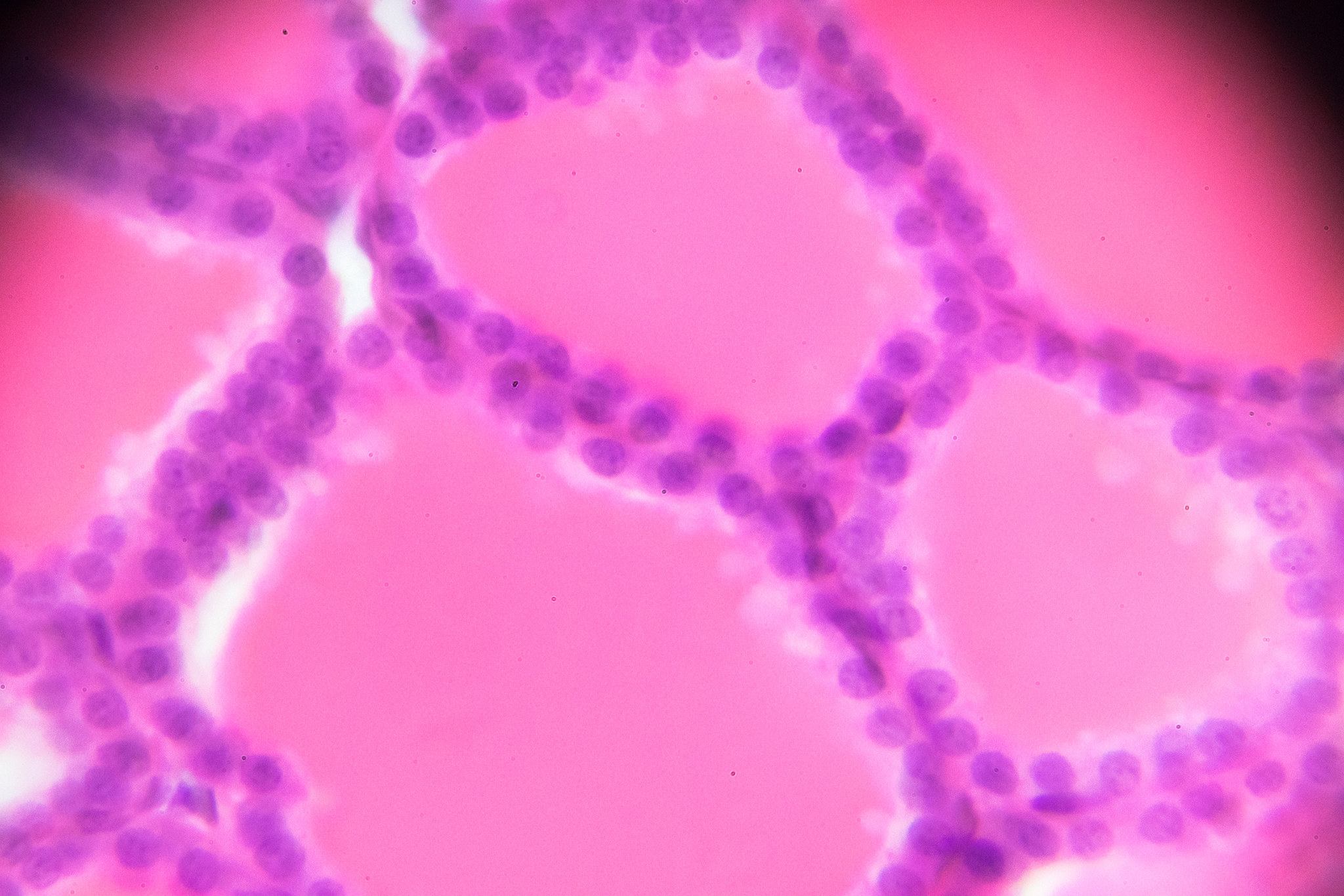
Understanding Structures That Hold Cells Together
A study, published in Proceedings of the National Academy of Sciences, provides new insights into the organization of a key protein called cadherin within structures called adherens junctions, which help cells stick together.
-
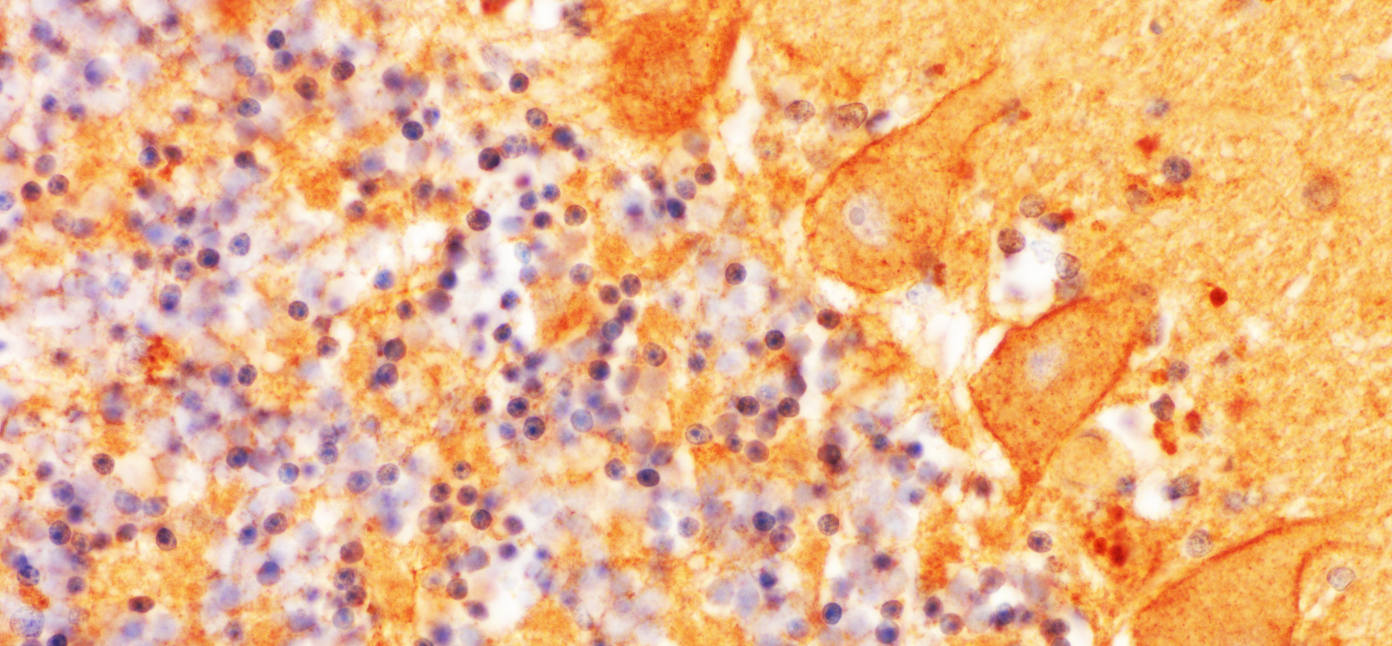
Adult-Onset Neurodegeneration Has Roots in Early Development
The roots of a progressive degenerative disease begin much earlier than previously thought, according to a recent Northwestern Medicine study.
-
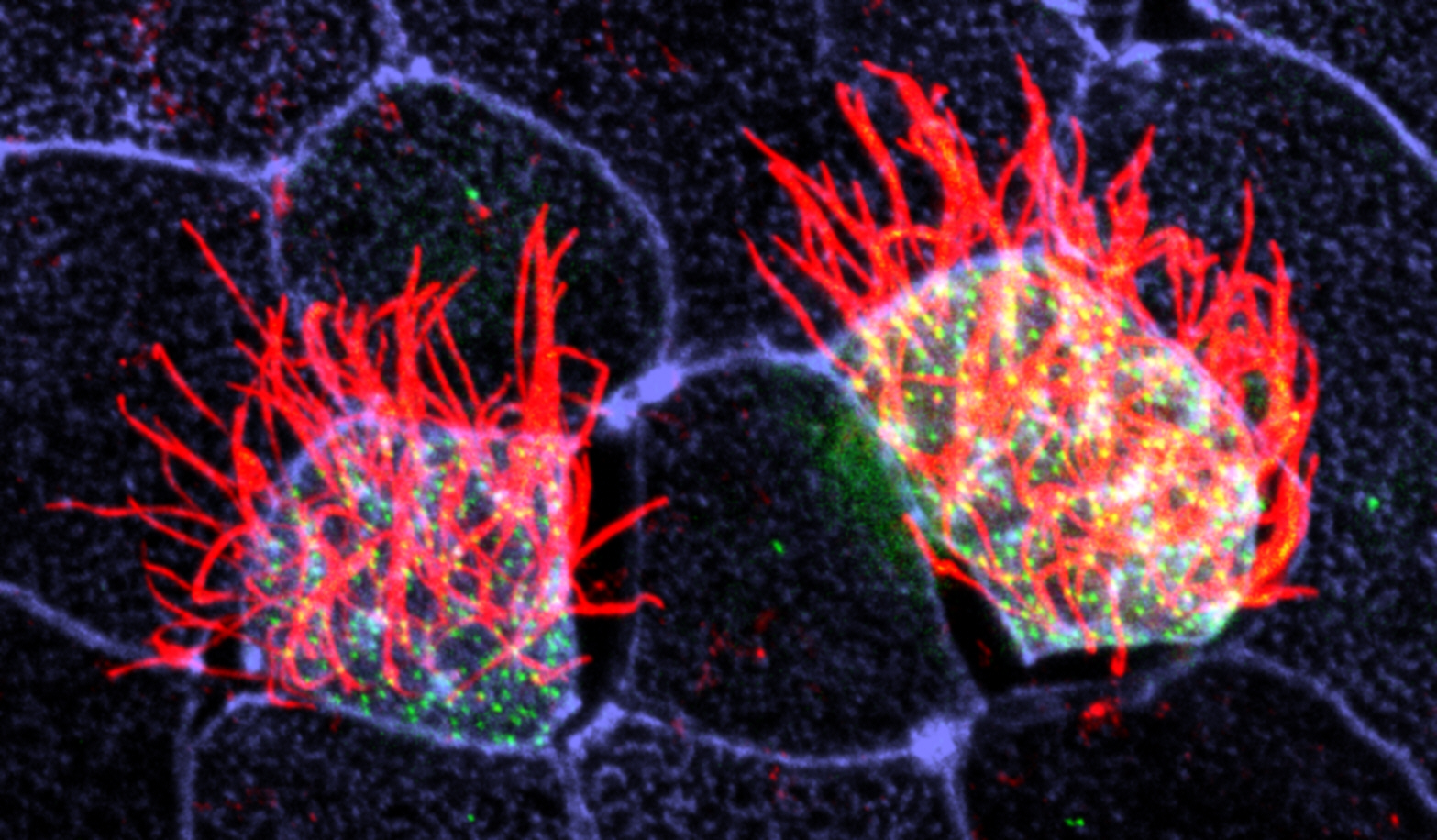
Key Polarity Protein Uncovered
Northwestern Medicine scientists have identified a signaling protein that regulates cell organization, with implications for early development and certain diseases.
-
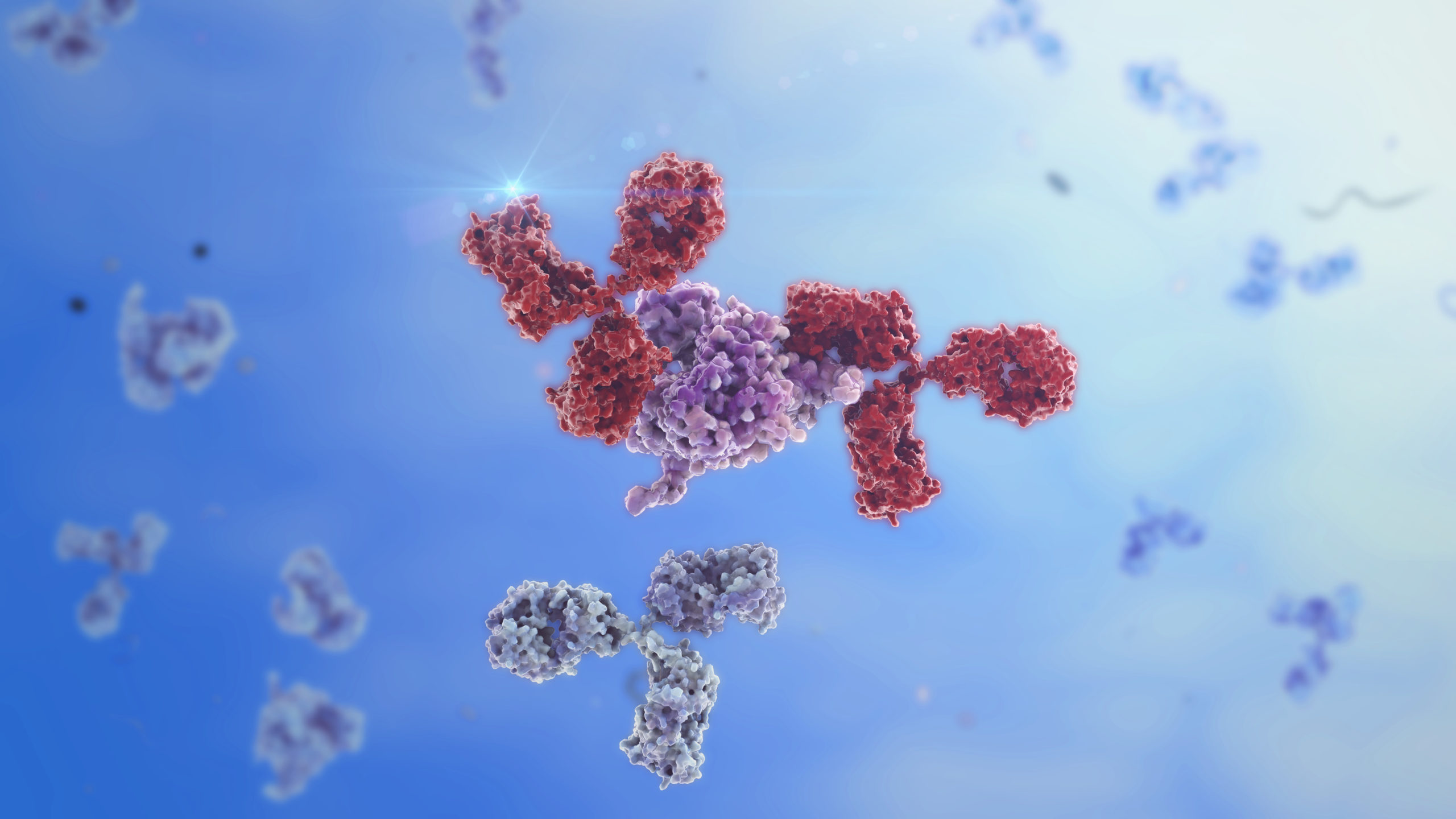
Mechanism Behind Autoimmune Disorder Revealed
The previously unknown cause of anti-phosphatidylethanolamine (aPE) autoimmunity was discovered in a Northwestern Medicine study published in PNAS.
-

Northwestern Explores Mummy’s Secrets With Particle Accelerator
A team from Northwestern Medicine used the most powerful X-ray source in the Western Hemisphere to examine an 1,800-year old mummy, seeking answers to questions about bone competence of ancient humans.
-

Regulatory Network Helps Cells Survive in Low Oxygen Environments
Northwestern Medicine scientists identified a complex regulatory system that keeps cells functioning when their oxygen supply is cut off.