Tag: Cancer
-

New Chemotherapy Alternative for Lymphoma
A new immunotherapy treatment for recurrent B-cell lymphoma was found to be safe in a trial of nearly 350 patients, according to a study published in The Lancet.
-

Breast and Ovarian Cancer Drug Extends Prostate Cancer Survival
Men with advanced prostate cancer who were treated based on the genetic makeup of their cancer survived significantly longer than those treated with standard treatments, according to a new study.
-
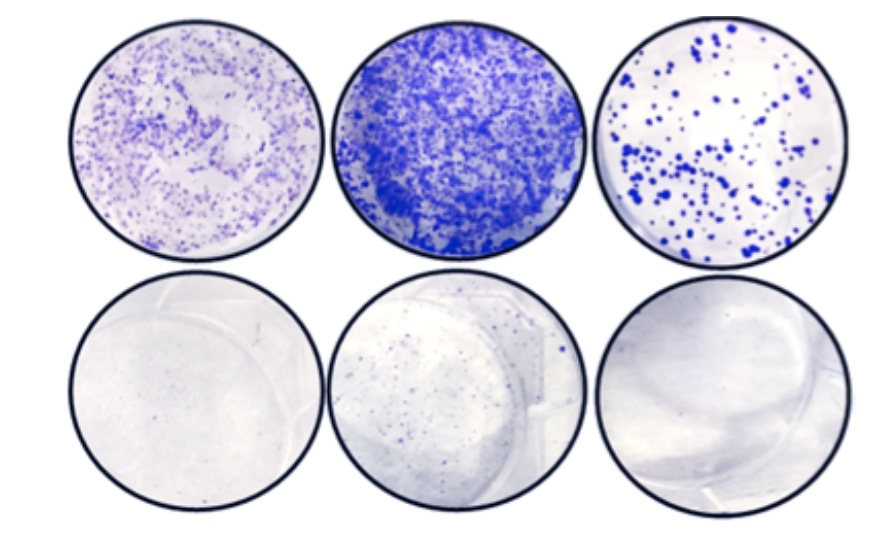
New Drug Target for Treatment-Resistant Prostate Cancer
Inhibiting an epigenetic regulator called DOT1L could be a key to slowing treatment-resistant prostate cancer, according to a recent Northwestern Medicine study.
-
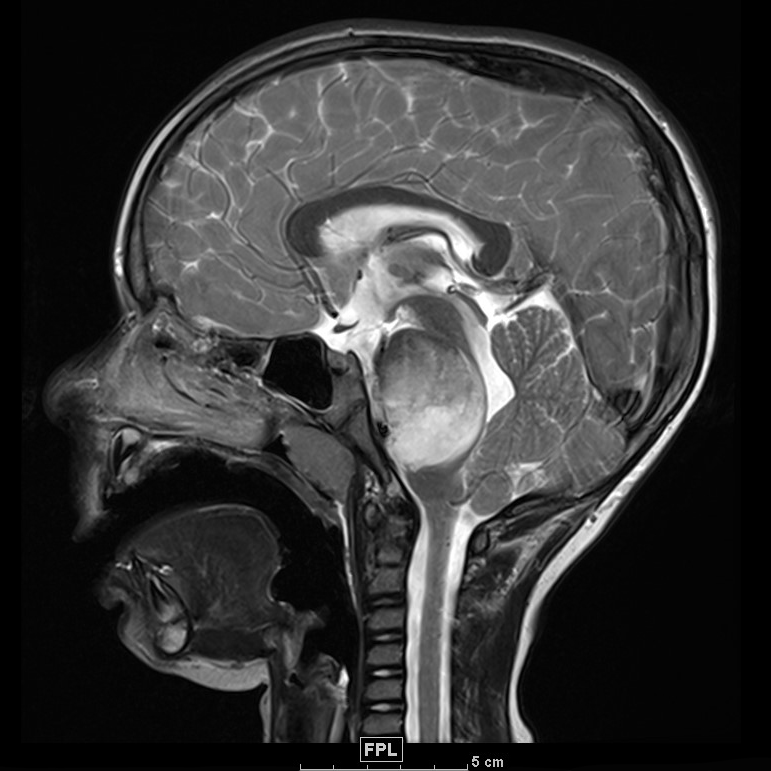
New Biomarkers for Glioma Treatment Response
Biomarkers using mass cytometry can assess patient response to an emerging treatment for pediatric brain tumors, according to a recent multi-center study.
-
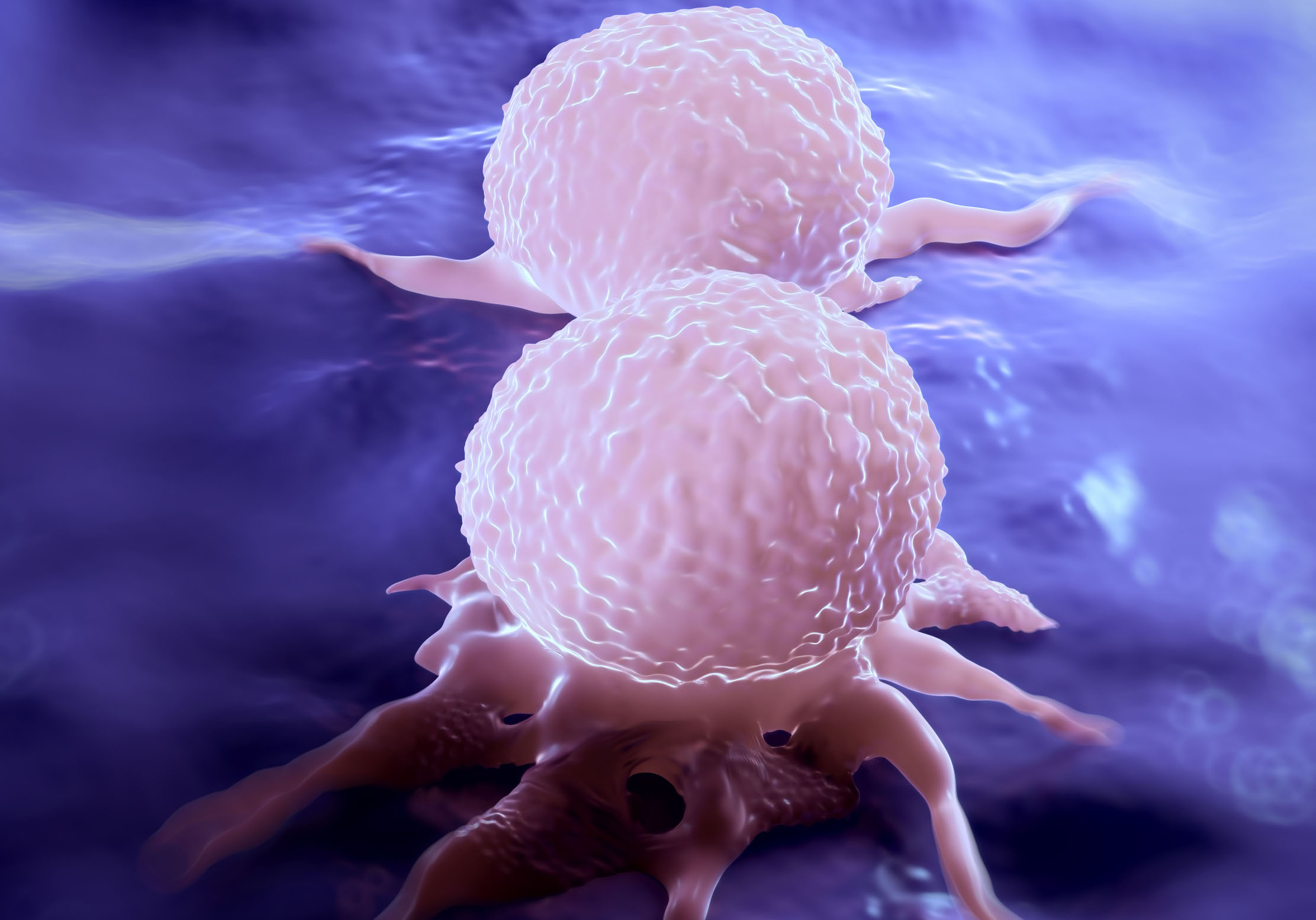
New Therapy Targets Breast Cancer Metastases in Brain
A new combination therapy targeting breast cancer tumors in the brain dramatically decreased tumor size and increased survival in mice, according to a new study.
-

Abdulkadir Wins 2020 Tripartite Prize
Sarki Abdulkadir, MD, PhD, has been named the winner of the 2020 Tripartite Legacy Faculty Prize in Translational Science and Education for his work investigating the molecular pathways that drive prostate cancer.
-

Uncovering Similarities Between Prostate Cancer Genomes
Genomic alterations in prostate cancer therapeutic targets were found to be similar between African American and European American men, suggesting that existing precision medicine approaches could equally benefit both groups if applied equitably, according to a recent study.
-
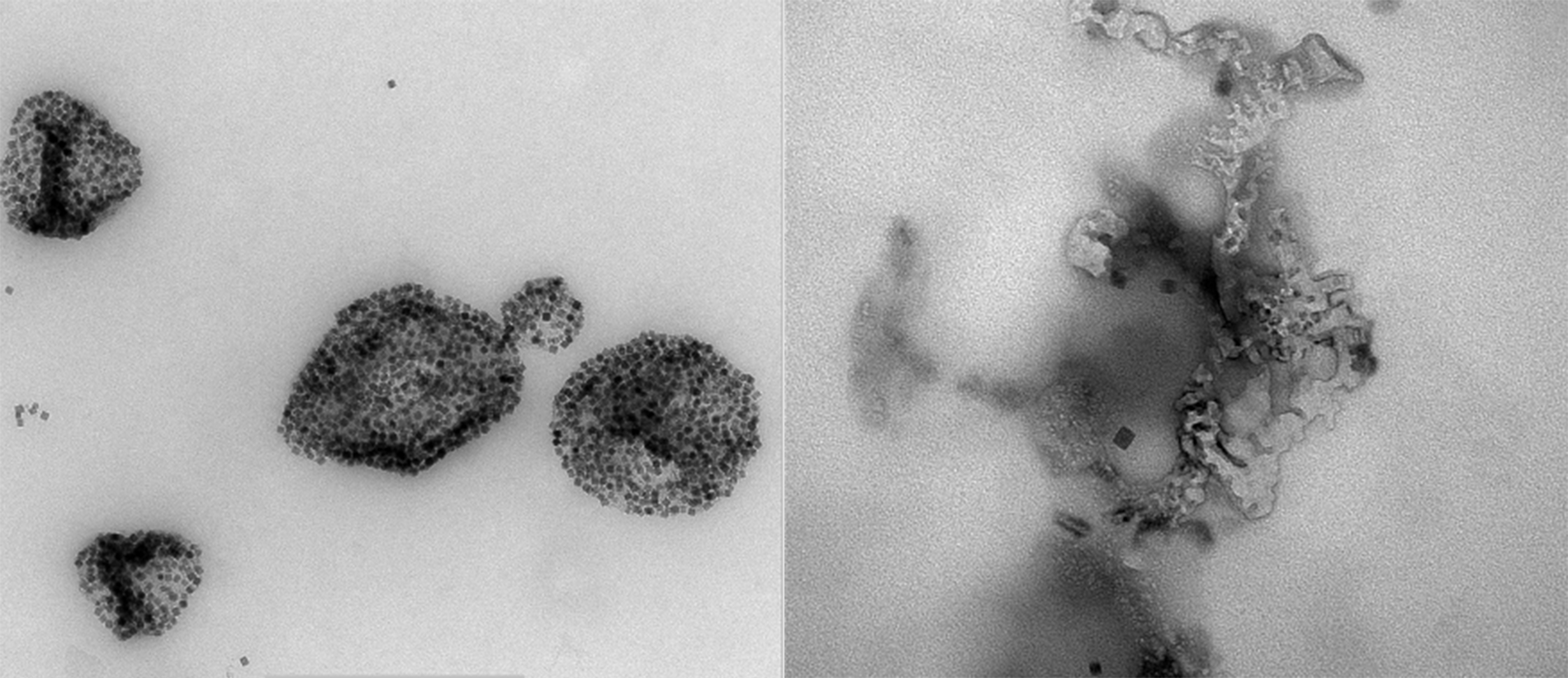
Exploring an Iron-based Alternative to Chemotherapy
Iron nanoparticles could be one day used to attack cancer cells, according to a recent Northwestern Medicine study.
-

New Machine-learning Method to Identify Chromatin Loops
A machine-learning program called Peakachu can reveal previously unknown chromatin loops, according to a Northwestern Medicine study published in Nature Communications.
-

Analyzing Plasma Can Classify Brain Tumors
Measuring epigenetic signatures in blood plasma could help classify brain tumors, according to a study published in Nature Medicine.