Tag: Cancer
-
Scientists Uncover Why Some Cells Become Resistant to Cancer Therapies
Scientists have created a new synthetic biology approach to follow tumor cells over time, finding meaningful differences in why a cancer cell dies or survives in response to anti-cancer therapies.
-
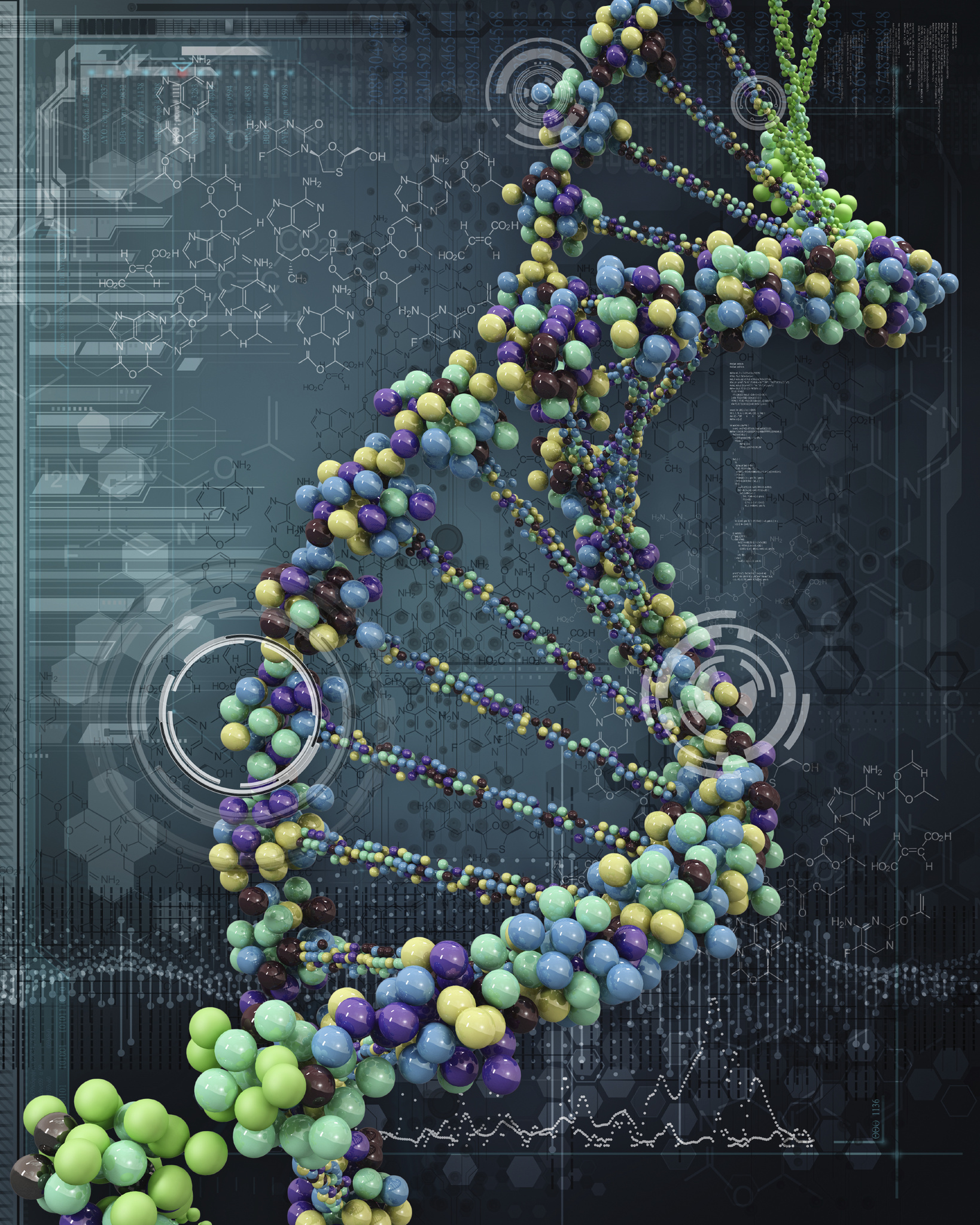
Study Discovers Novel Region for BRD4 Transcription and Potential Therapeutic Target
Northwestern Medicine investigators have discovered a novel protein region that regulates DNA transcription elongation, suggesting a new therapeutic target for treating cancers and developmental disorders, according to findings published in Molecular Cell.
-

Immunotherapy Improves Remission for Relapsed, Refractory Leukemia
A single infusion of CAR T-cell therapy induced complete response or remission in patients with relapsed or refractory chronic lymphocytic leukemia or small lymphocytic lymphoma, according to a recent clinical trial published in The Lancet.
-

Broad-Spectrum Antibiotics Decrease Infection Rates in Pancreas Surgery
Administering broad-spectrum antibiotics before surgery to remove pancreas tumors may decrease the chances of surgical site infection, according to a recent study published in JAMA.
-
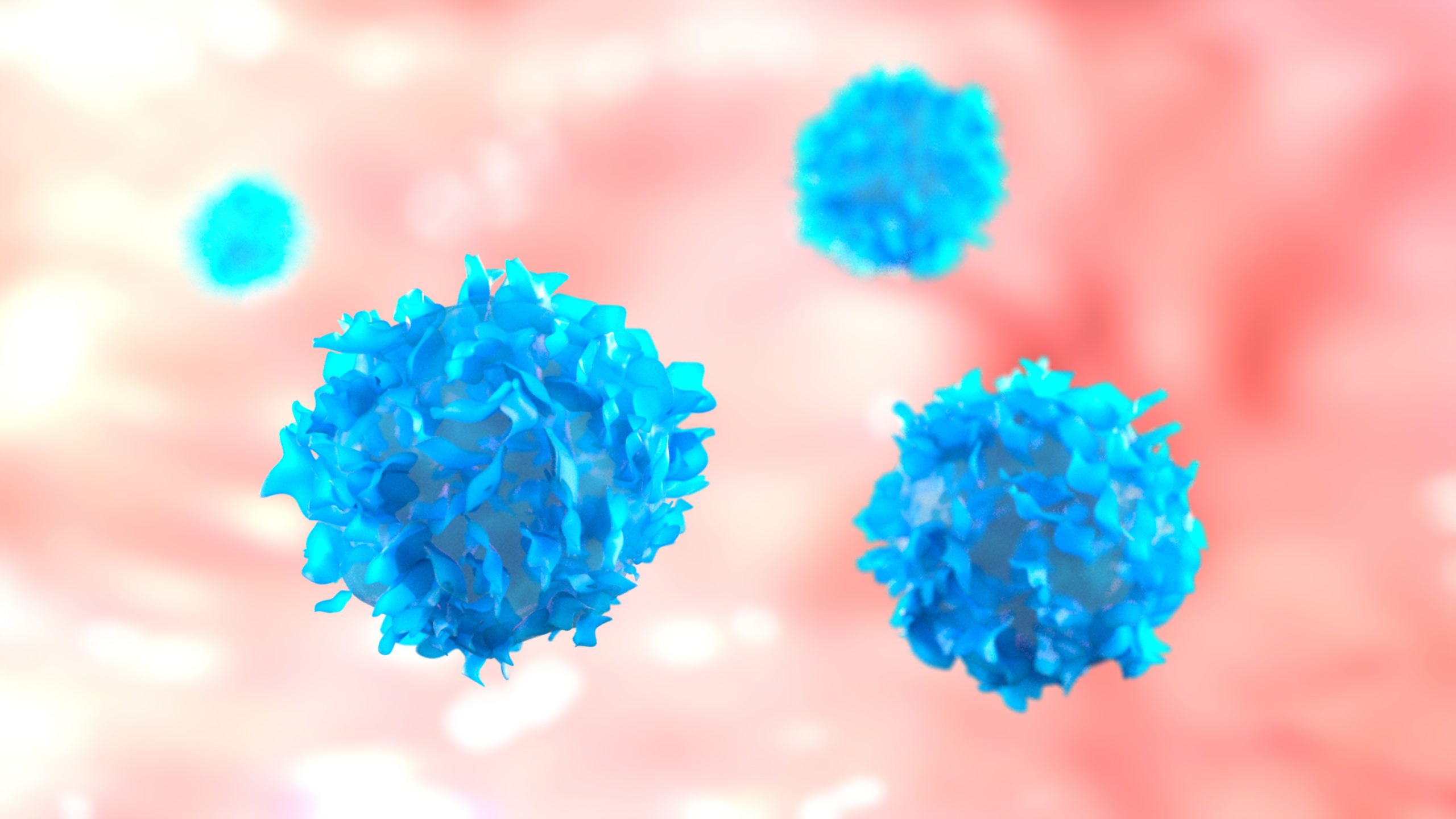
Study Identifies Mechanisms Driving Immune Cell Recruitment During Inflammation
Northwestern Medicine investigators have discovered a novel mechanism that regulates neutrophil recruitment into tissue during inflammation, which could be targeted to treat different inflammatory diseases and conditions, according to a recent study published in the Journal of Clinical Investigation.
-
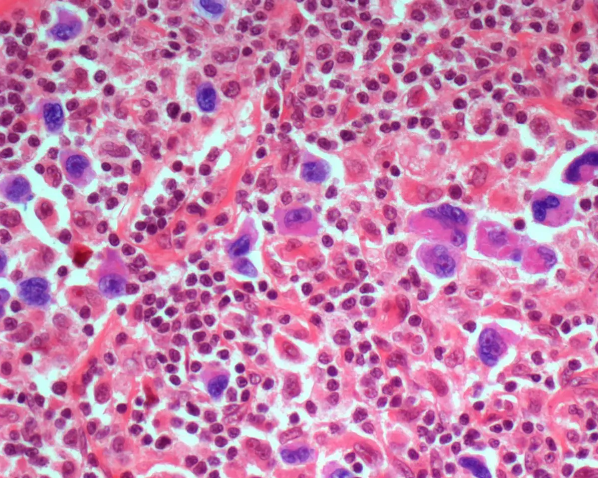
Checkpoint Inhibitor Plus Chemotherapy Improves Outcomes for Hodgkin Lymphoma
Adding a checkpoint inhibitor to conventional chemotherapy improved outcomes for patients with relapsed or refractory classic Hodgkin lymphoma, according to a Northwestern Medicine phase II clinical trial published in JAMA Oncology.
-
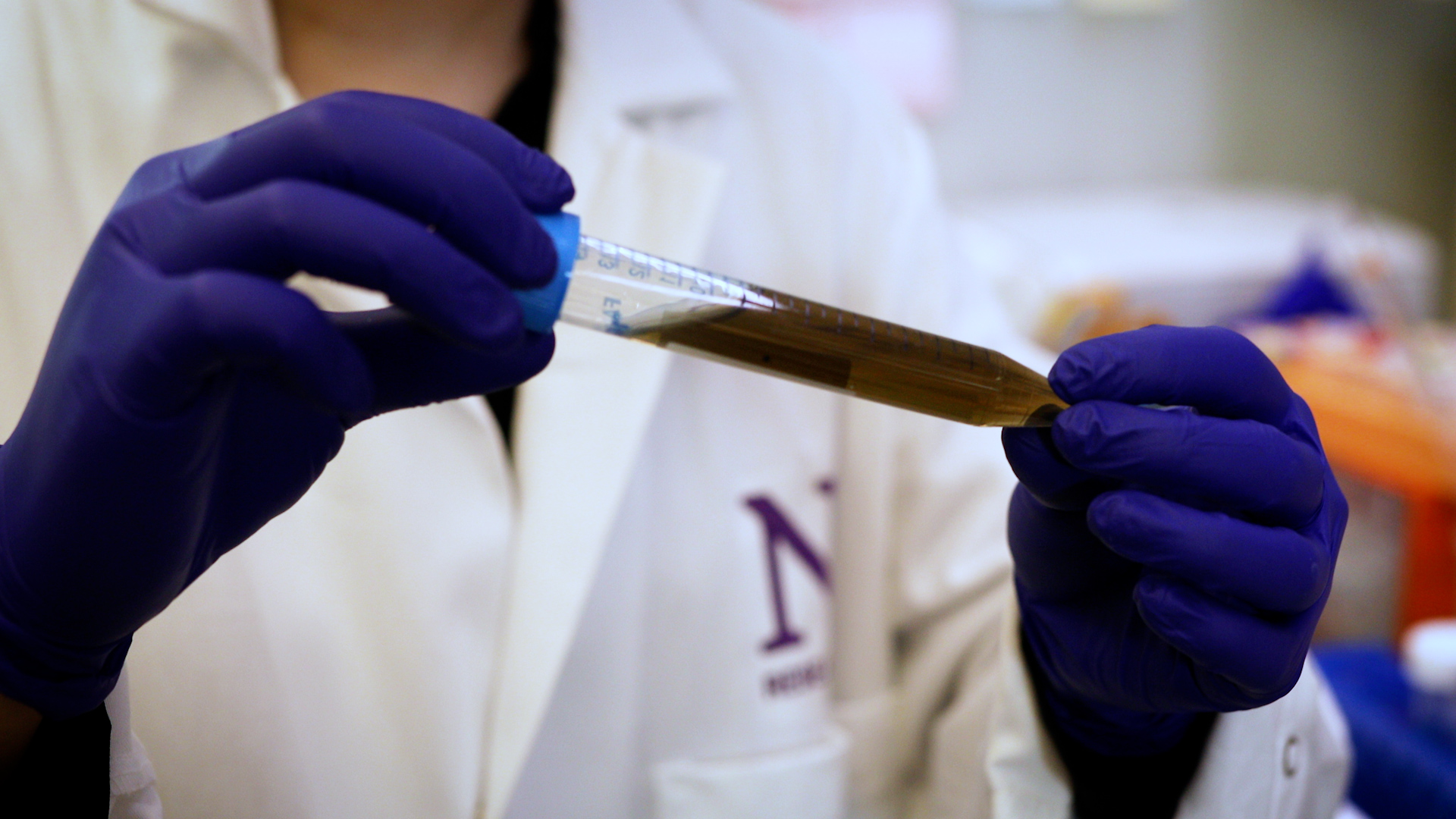
Combining Epigenetic and Metabolic Approaches for Targeted Cancer Treatment
Northwestern Medicine scientists have identified a novel vulnerability in a subset of genes commonly mutated in cancer, according to a study recently published in The Journal of Clinical Investigation.
-
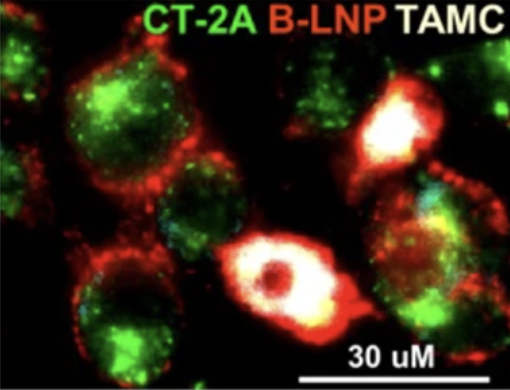
Developing New Nanoparticle Treatments for Brain Tumors
Northwestern Medicine investigators have developed a novel nanoparticle treatment for glioblastoma, according to a study published in Nature Communications.
-
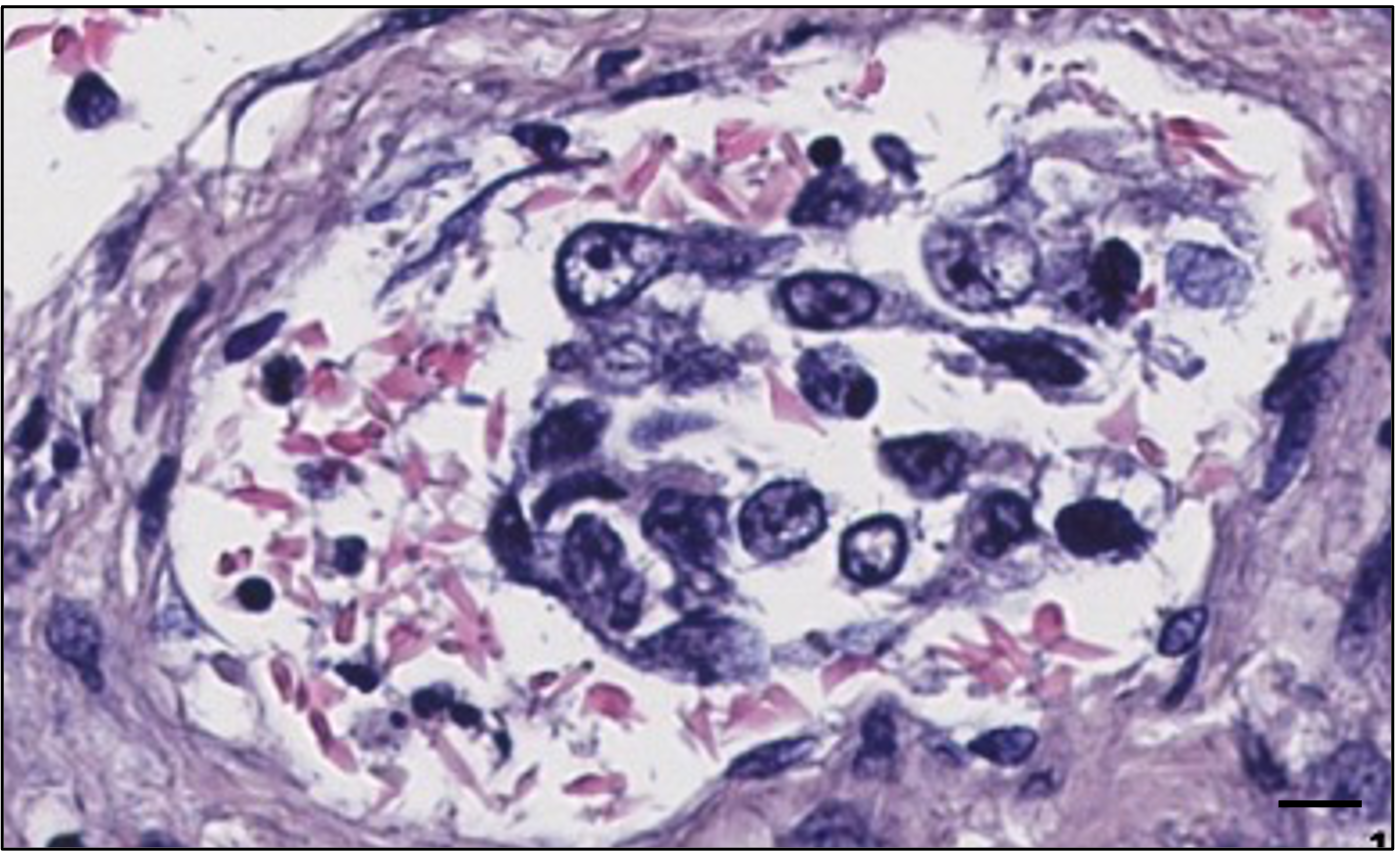
Newly Discovered Mechanisms Increase Chemotherapy Resistance in Breast Cancer
Northwestern Medicine investigators have discovered novel features of circulating tumor stem cells that can promote chemotherapy evasion and metastasis in triple-negative breast cancer, according to a recent study.
-
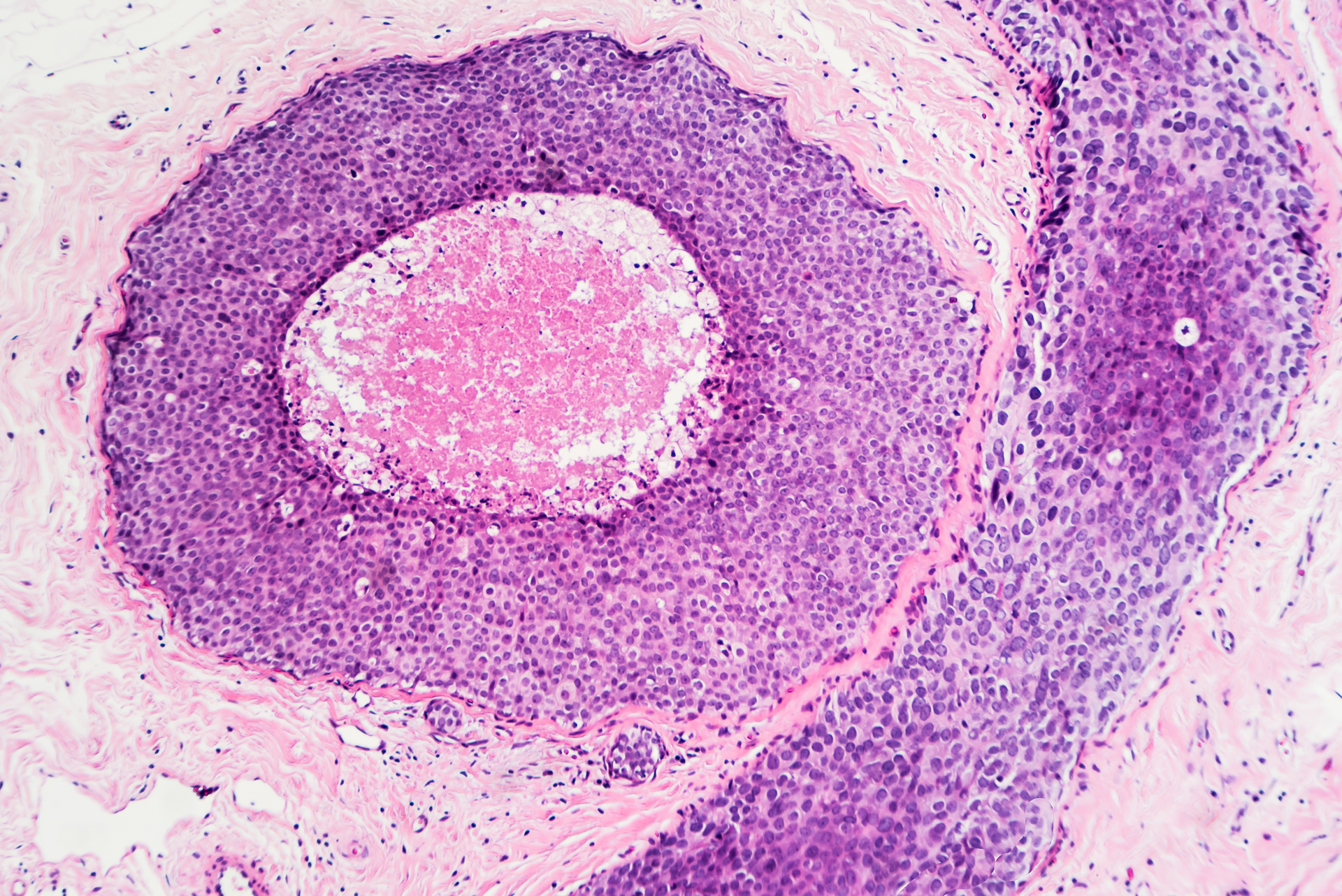
Improving Cancer Detection for Women with Dense Breasts
The use of ultrasound screening and 3D mammography only slightly increases the detection rate of breast cancer in women with dense breasts, according to a prospective multicenter study published in the Journal of Clinical Oncology.