Tag: Cancer
-

Combination Therapy Shows Promise in High-Risk Prostate Cancer, Study Finds
A large international clinical trial has found that adding the drug apalutamide to standard hormone therapy before and after prostate cancer surgery significantly improves outcomes for men with high-risk disease, according to details published in The New England Journal of Medicine.
-

Identifying Immune Pathways Driving Aggressive Brain Cancers
A new study has uncovered a key mechanism that helps one of the deadliest brain cancers evade the immune system, according to the study published in The Journal of Clinical Investigation.
-
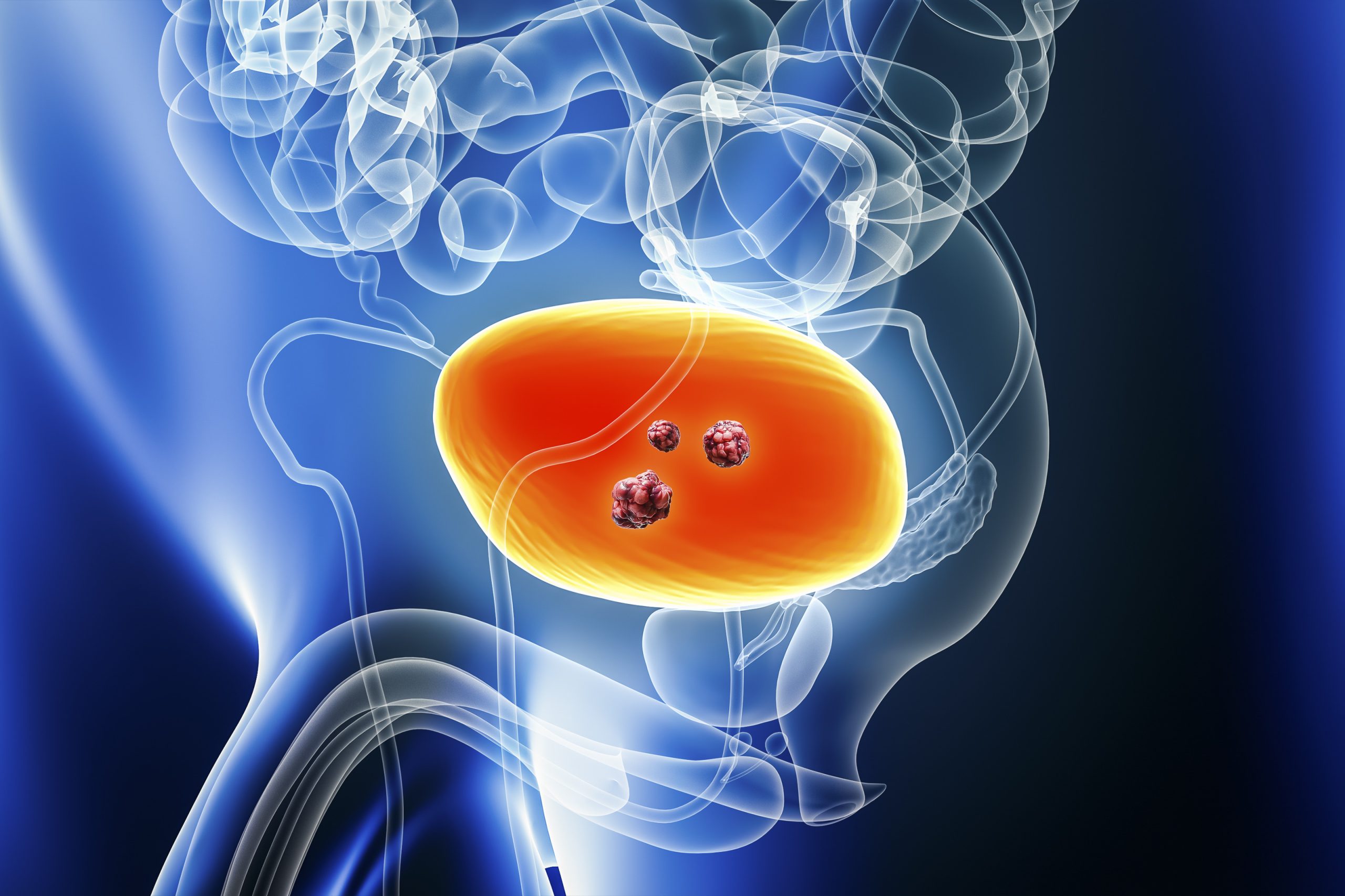
Immune Biomarkers May Predict Response to Bladder Cancer Treatment
A Northwestern Medicine study has offered new clues as to why immunotherapy works well for some bladder cancer patients but fails for others, according to a study published in the Journal of Clinical Investigation.
-

Blood Test May Predict Immunotherapy Response in Head and Neck Cancer
A new Northwestern Medicine study suggests that a simple blood test could help identify which patients with head and neck cancer are most likely to benefit from immunotherapy, according to a study published in the Journal of Clinical Investigation.
-

Overlooked DNA Structures Help Organize the Genome
Northwestern Medicine scientists have discovered that little-studied DNA structures play a central role in organizing the human genome and controlling gene activity, according to a new study published in the Proceedings of the National Academy of Sciences.
-

Asthma Drug Improves Treatment of Aggressive Cancers in Preclinical Studies
A drug widely used to treat asthma and allergies may also help fight aggressive cancers, reports a new Northwestern Medicine study that uncovered how tumors hijack common white blood cells to evade immunotherapy.
-
Understanding Treatment Response in High-Risk Bladder Cancer
A new study may pave the way toward more personalized treatments for patients with high-risk bladder cancer, according to a study published in European Urology.
-

Scans Can Reveal Hidden Prostate Cancer Progression
A large analysis of two major clinical trials has found that the spread of prostate cancer can be detected on imaging scans even when biomarkers remain stable, according to a study published in the Journal of Clinical Oncology.
-

Understanding Cancer’s Hidden Vulnerabilities
Northwestern Medicine scientists have uncovered an unexpected role for a well-known cancer-related protein, revealing a new layer of genetic regulation that could reshape how certain cancers are treated.
-

New Drug Doubles One-Year Survival in Pancreatic Cancer Trial
Patients who received an experimental drug developed at Northwestern University alongside standard chemotherapy were twice as likely to be alive after one year of treatment, compared to those receiving chemotherapy alone.