Tag: Biochemistry and Molecular Genetics
-

Visionary Biochemist Delivers 2026 Kimberly Prize Lecture
Svetlana Mojsov, PhD, delivered the 2026 Kimberly Prize Lecture on April 20, drawing on decades of groundbreaking research that helped transform the treatment of diabetes and obesity.
-
New Underlying Mechanisms May Support Proper Transcriptional Regulation and Improve Targeted Therapies
Northwestern Medicine scientists have discovered new mechanisms underlying transcriptional initiation and elongation control that support proper gene expression, which may inform targeted therapeutic approaches for many diseases, according to a recent study published in Molecular Cell.
-
Understanding the Link Between Nucleotide Metabolism and Chromatin Assembly
A Northwestern Medicine study has revealed a connection between two fundamental cellular processes, offering fresh insight into how human cells build and maintain chromatin, according to findings published in Molecular Cell.
-
Scientists Map the Human Genome in 4D
In a landmark effort to understand how the physical structure of our DNA influences human biology, Northwestern investigators and the 4D Nucleome Project have unveiled the most detailed maps to date of the genome’s three‑dimensional organization across time and space, according to a new study published in Nature.
-
Exploring the Connection Between Gene Expression and Aging
Northwestern Medicine scientists have discovered how molecular “traffic controllers” in cells influence aging and cellular senescence — a state where cells stop dividing but remain metabolically active.
-

How a Cellular ‘Engine’ Controls Building Blocks of DNA
Northwestern Medicine scientists have uncovered a surprising link between a tiny cellular engine and the way cancer cells build the DNA they need to proliferate, according to a new study published in Molecular Cell.
-
Uncovering New Therapeutic Targets for Cancer Mutations
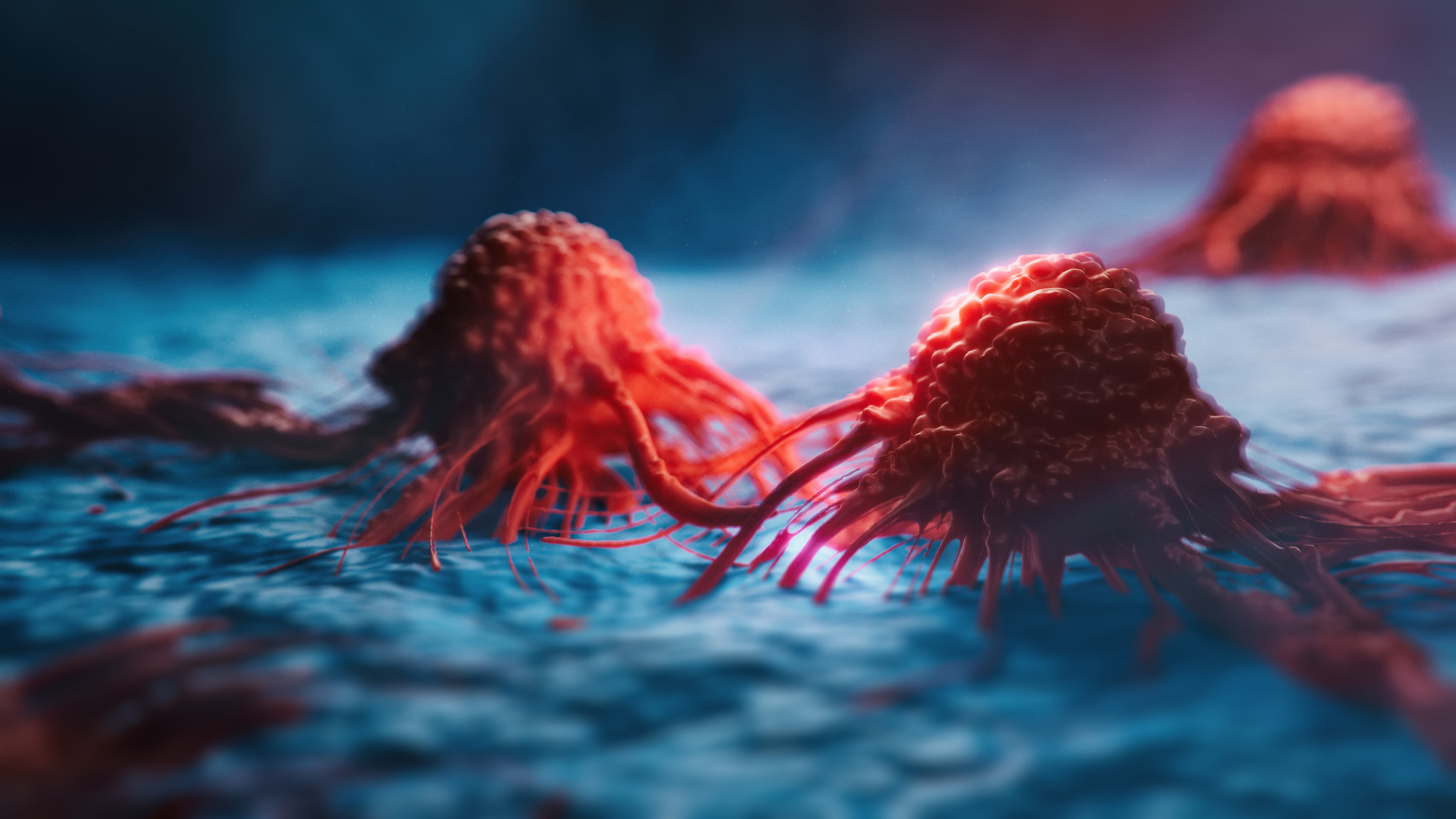
A team of Northwestern investigators has discovered novel molecular underpinnings of a common oncogenic mutation in cancer, findings that may inform the development of new therapeutic strategies, according to findings published in Nature Chemical Biology.
-

Influential Biochemist Svetlana Mojsov Named Winner of 2026 Kimberly Prize
Distinguished biochemist Svetlana Mojsov, PhD, the Lulu Chow Wang and Robin Chemers Neustein Research Associate Professor at the Rockefeller University, New York, has been named the winner of the annual $250,000 Kimberly Prize in Biochemistry and Molecular Genetics.
-
Diabetes Drug May Protect Against Kidney Inflammation
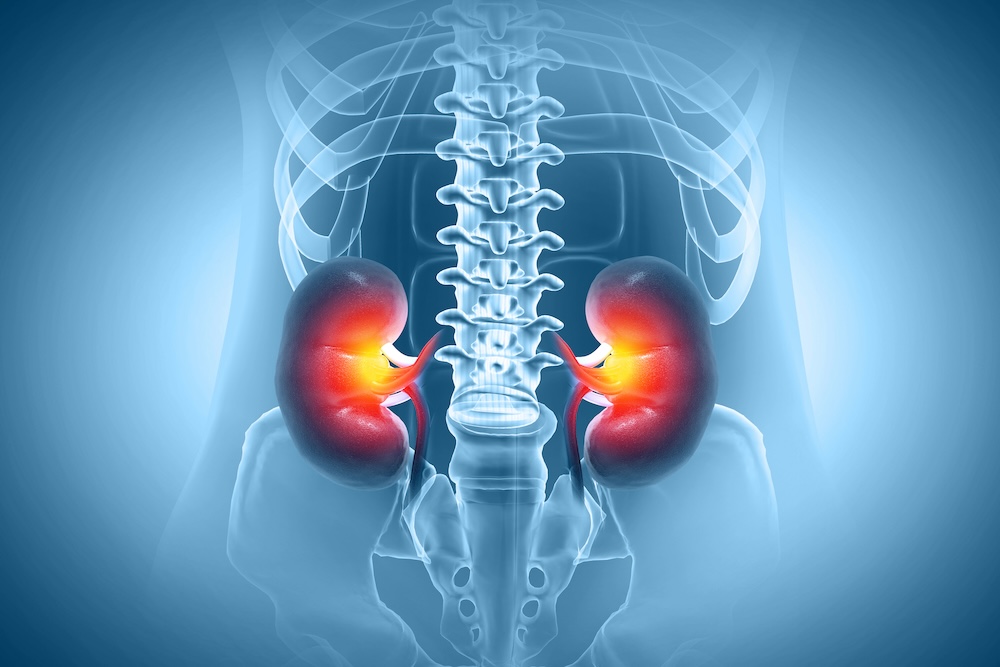
A new study has shed light on how a class of diabetes drugs may protect the kidneys — not just by lowering blood sugar, but by triggering a molecular shift that dampens inflammation, according to the study published in The Journal of Clinical Investigation.
-
RNA Isoform Atlas May Improve Understanding of Cardiovascular Disease
Northwestern Medicine scientists have developed a comprehensive atlas of genetic coding sequences in both healthy adult hearts and those with heart failure, as detailed in a recent study published in Circulation.