
-
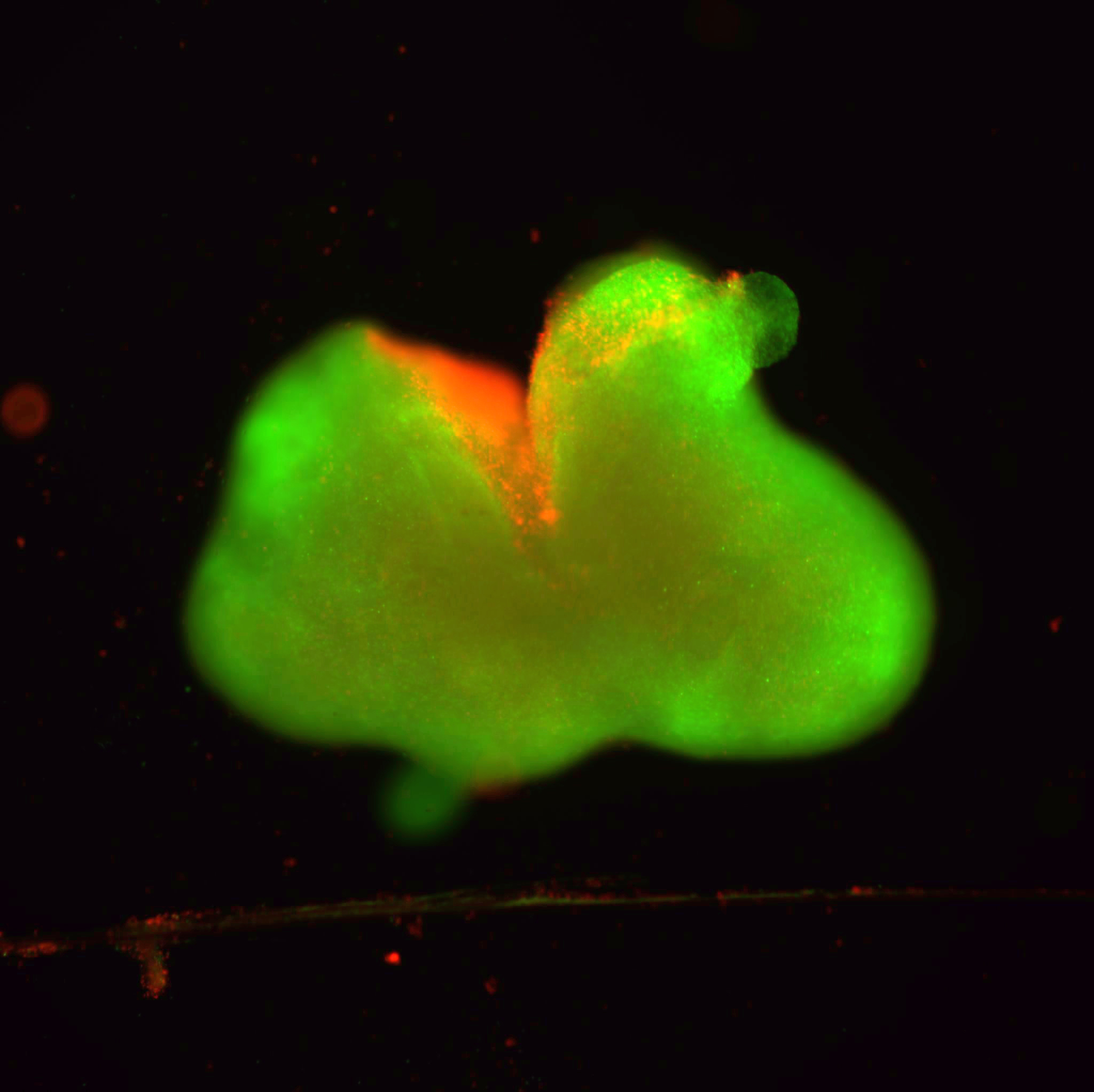
Paralysis Treatment Heals Lab-Grown Human Spinal Cord Organoids
Using lab-grown human spinal cord organoids — miniature organs derived from stem cells — Northwestern scientists have modeled different types of spinal cord injuries and tested a promising new regenerative therapy.
-
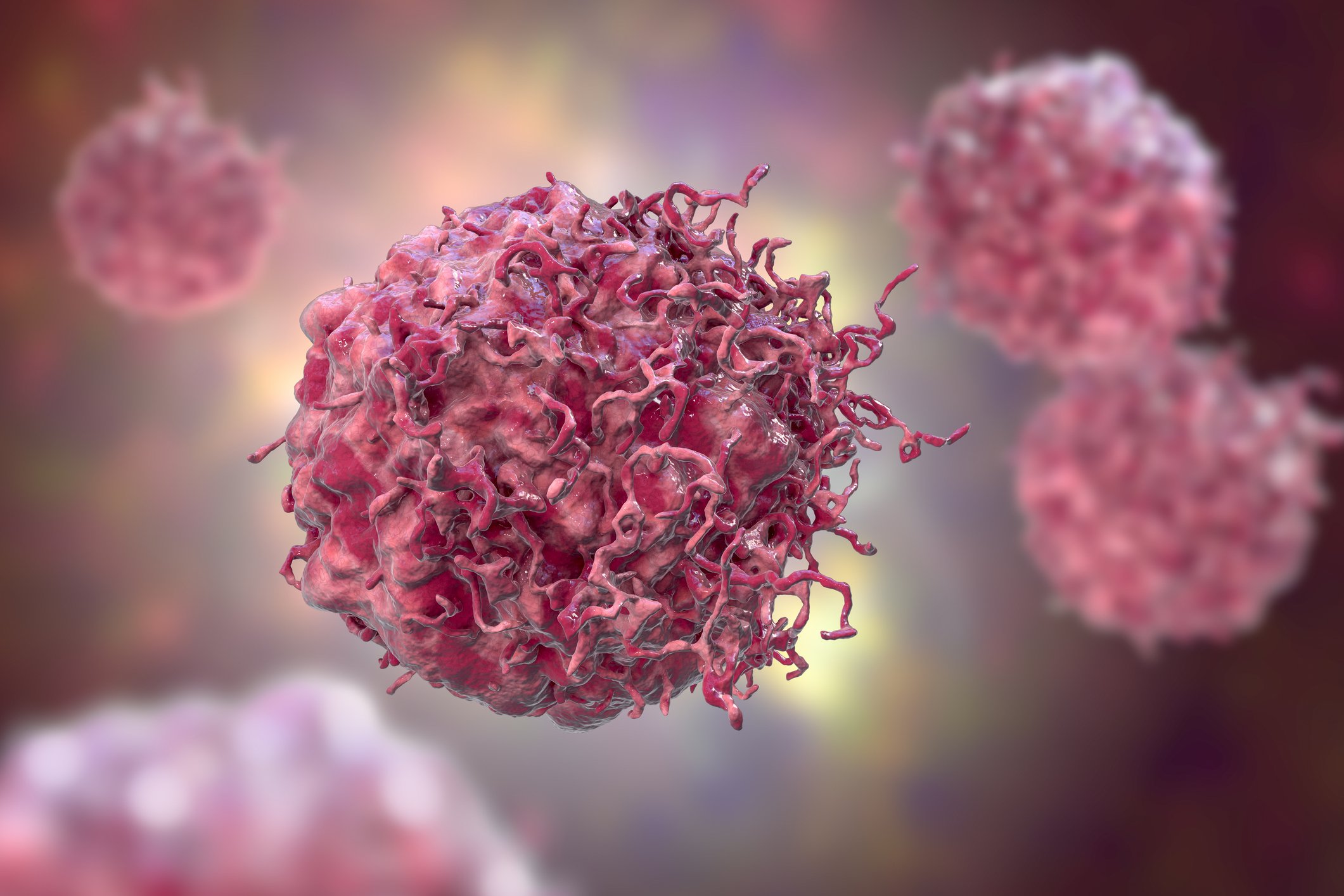
Combination Treatment May Slow Disease Progression in Advanced Sarcoma
An oral combination treatment may prevent disease progression in patients with advanced leiomyosarcoma, one of the most common subtypes of soft tissue sarcoma, according to a recent study published in The Lancet Oncology.
-

AI Model May Improve RNA Sequencing Research
Scientists in the laboratory of Rendong Yang, PhD, have developed a new large language model that can interpret transcriptomic data in cancer cell lines more accurately than conventional approaches, as detailed in a recent study published in Nature Communications.
-
Study Finds Widespread Screening for Rare Cholesterol Disorder Not Cost-Effective
Screening all young people for a genetic form of dangerously high cholesterol could prevent heart attacks and strokes later in life, but would not be cost-effective under the current healthcare system, according to a new modelling study published in JAMA.
-

New Computational Biology Track Added to PhD Graduate Program
A new PhD track is being added to the Walter S. and Lucienne Driskill Graduate Program in Life Sciences (DGP) for the 2026 application cycle, to enhance student learning and build community around computational biology and bioinformatics at Feinberg.
-
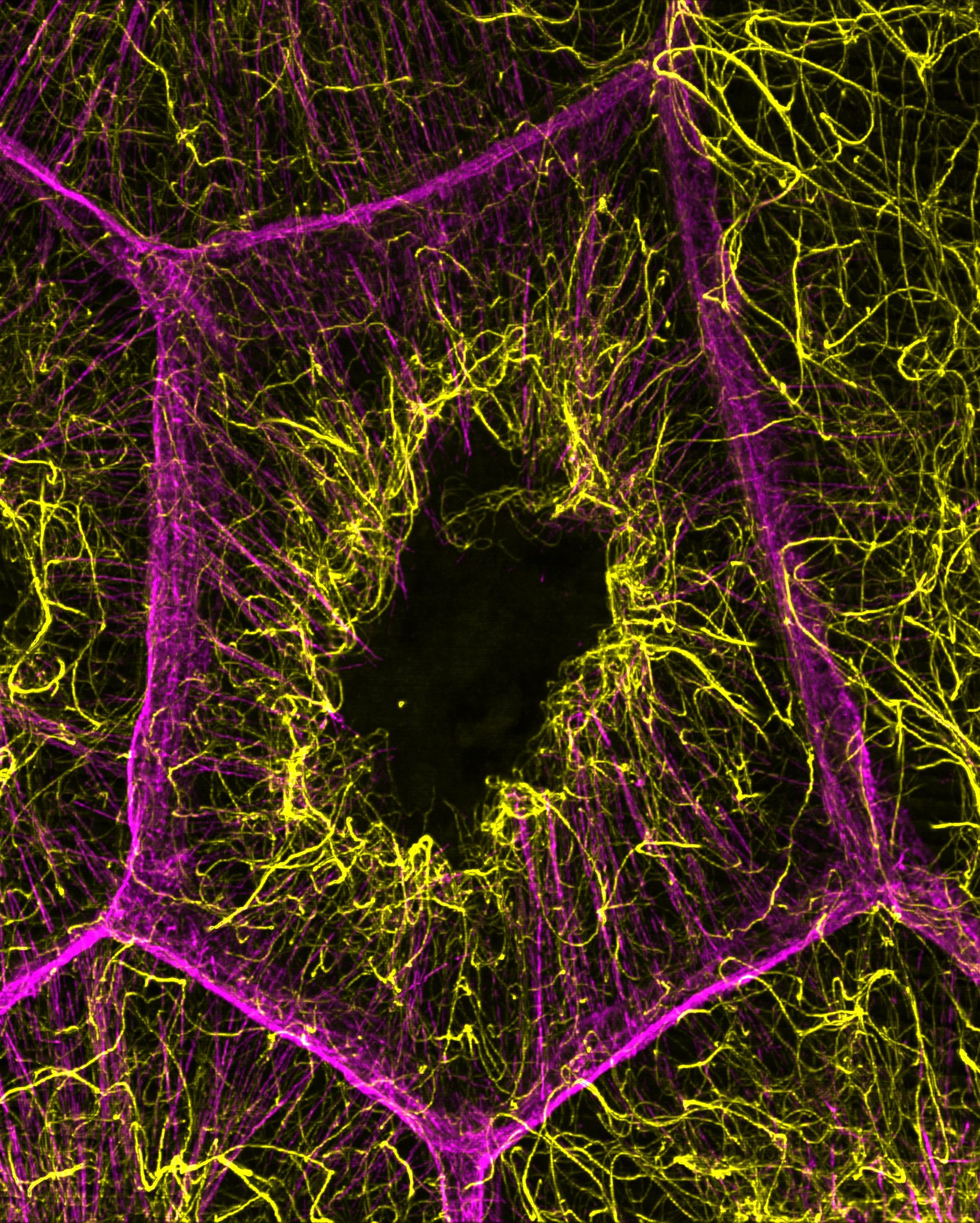
Cells’ Systems Cooperate to Form ‘Scaffolding’ During Egg Development
A Northwestern Medicine study has shed light on one of the most intricate construction projects in biology: how cells build and coordinate the internal scaffolding needed to create a healthy egg, according to a recent study published in the Journal of Cell Biology.
-
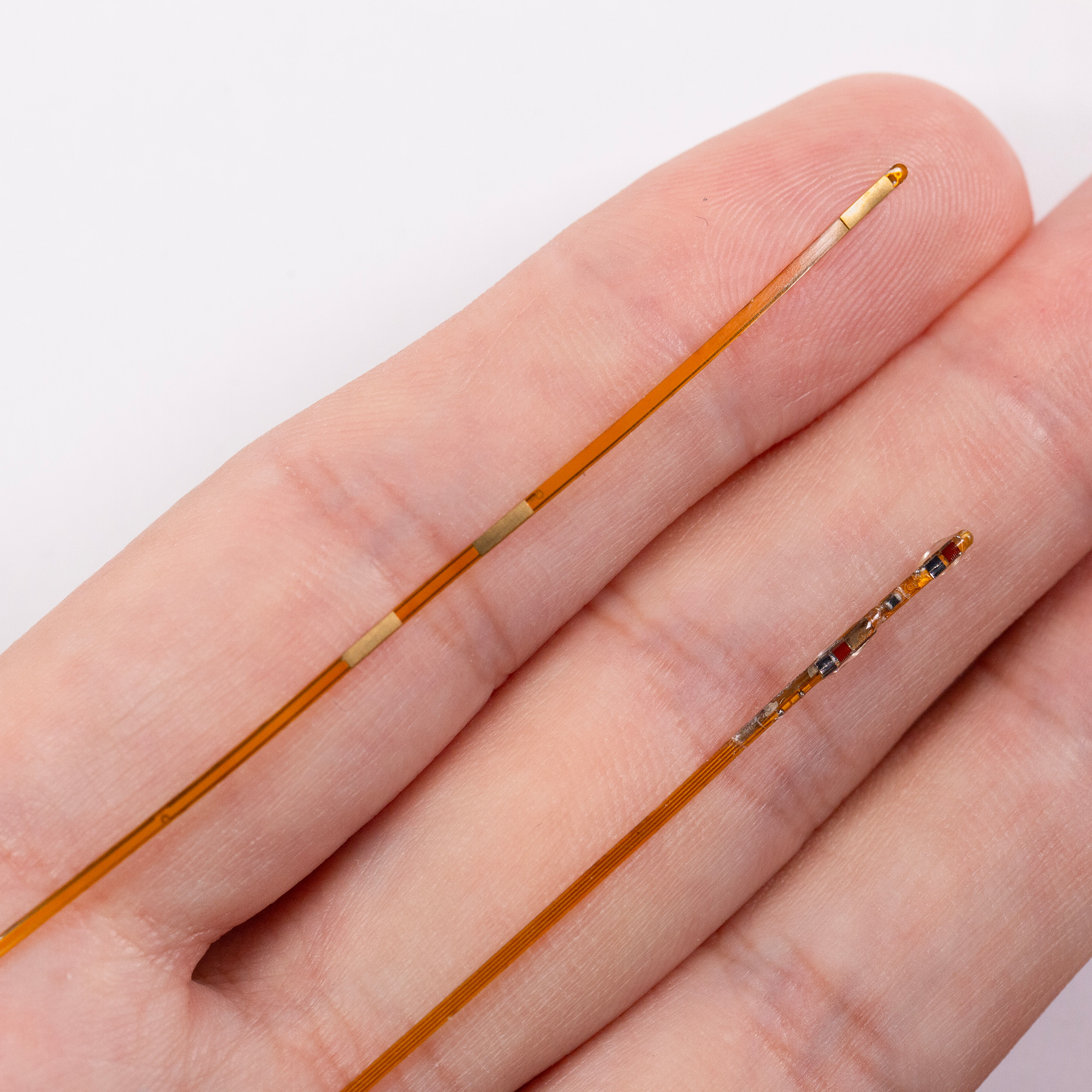
First-Of-Its-Kind Probe Monitors Fetal Health in Utero During Surgery
Northwestern University researchers have developed the first device that can continuously track a fetus’s vital signs while still in the uterus — a feat that previously has not been possible.
-
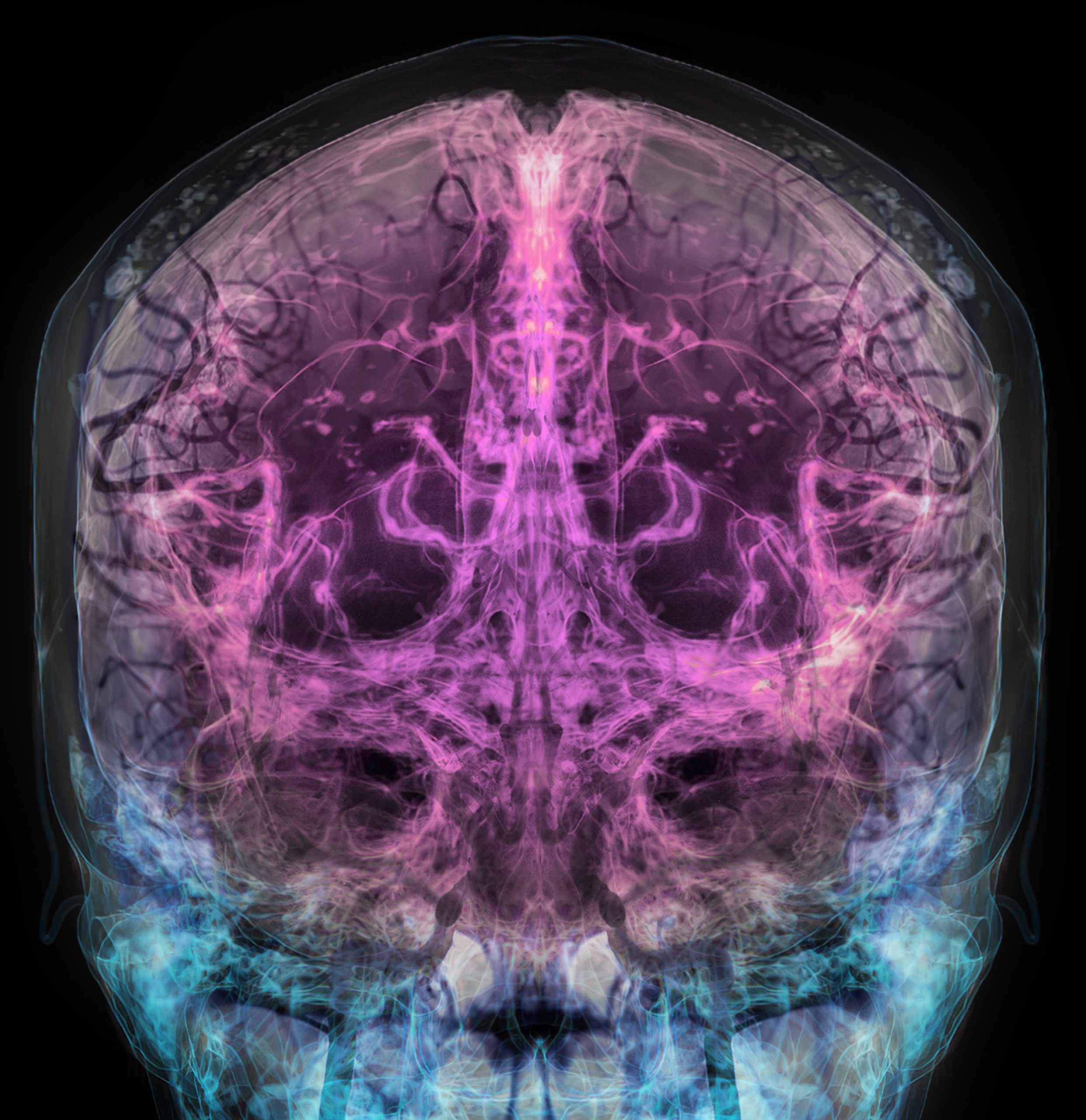
New Institute Envisions Future Where Our Brains Last as Long as Our Bodies
Northwestern University has launched the Simpson Querrey Brain Health Institute (SQ-Brain), made possible by nearly $25 million in philanthropic funding from university trustee Kimberly K. Querrey.
-
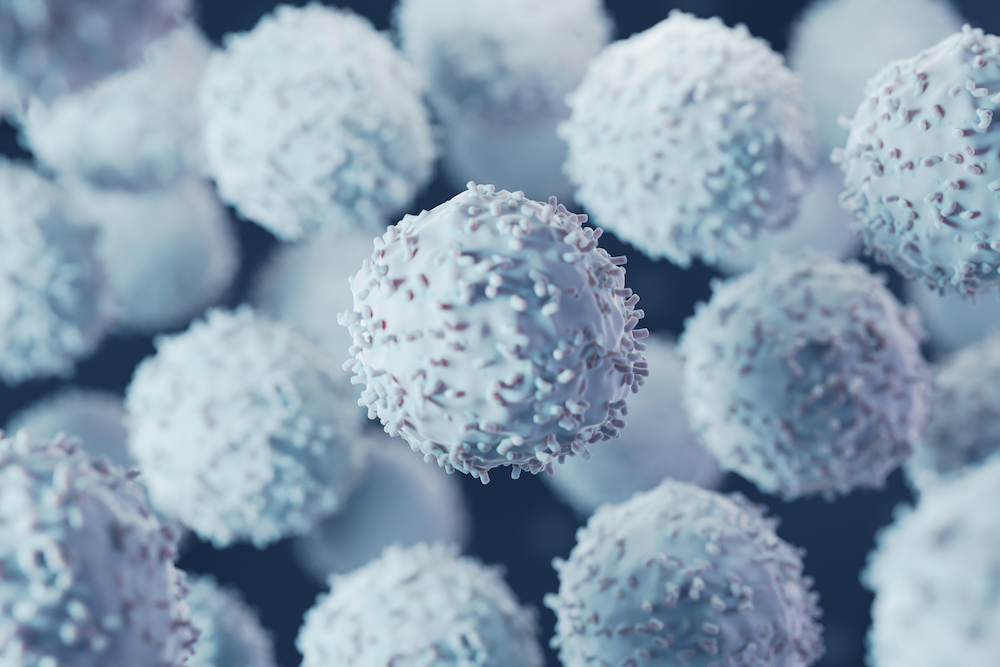
Identifying Mechanisms Supporting Nanoparticle Therapy for Autoimmune Diseases
Northwestern Medicine scientists in the laboratory of Stephen Miller, PhD, have identified the cellular and molecular mechanisms required for the antigen-specific tolerance inducing abilities of a novel nanoparticle therapy for treating autoimmune diseases, according to a recent study published in Science Advances.
-
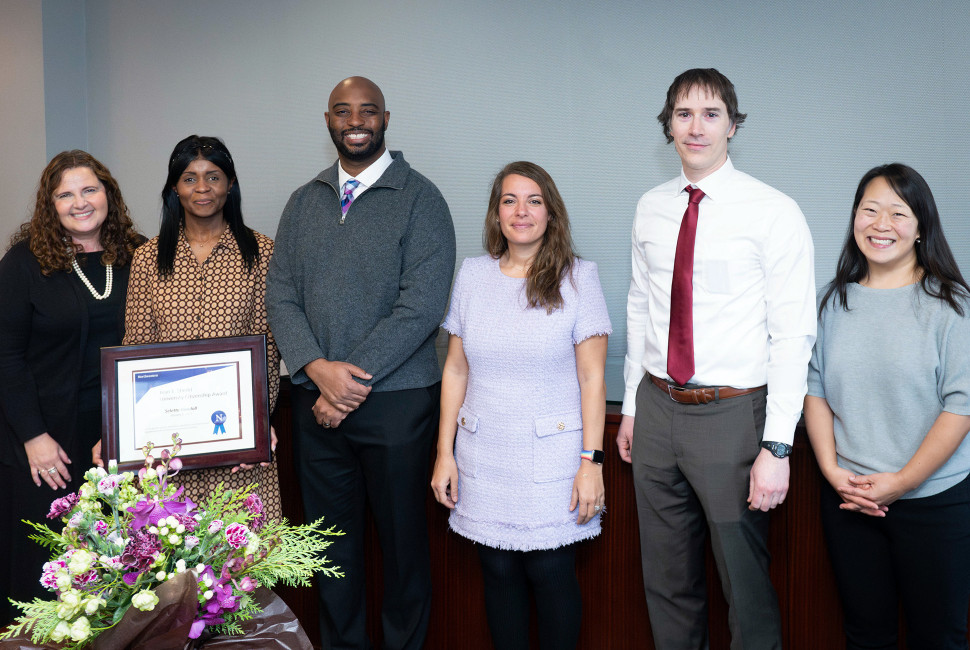
Seletta Goodall Receives 2026 Jean Shedd University Citizenship Award
Seletta Goodall, head of administration for the Department of Medical Social Sciences, has received the 2026 Jean Shedd University Citizenship Award for her transformative leadership and outstanding contributions to Northwestern.
-
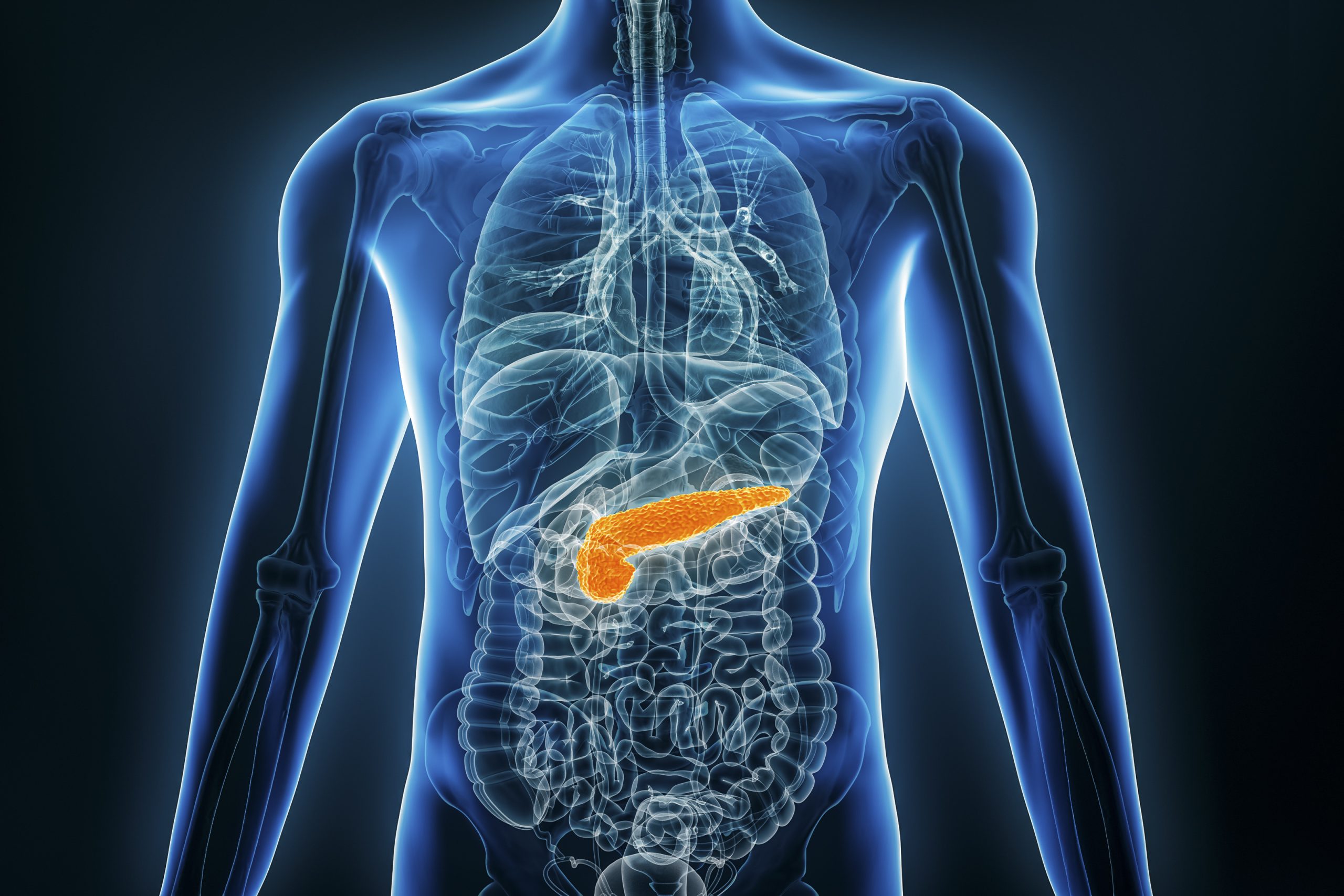
Common Procedure Does Not Prevent Recurrent Pancreatitis, Trial Finds
A multicenter clinical trial published in JAMA has found that a long-used endoscopic procedure does not prevent recurrent pancreatitis in adults with an anatomic anomaly, challenging decades of conventional wisdom.
-
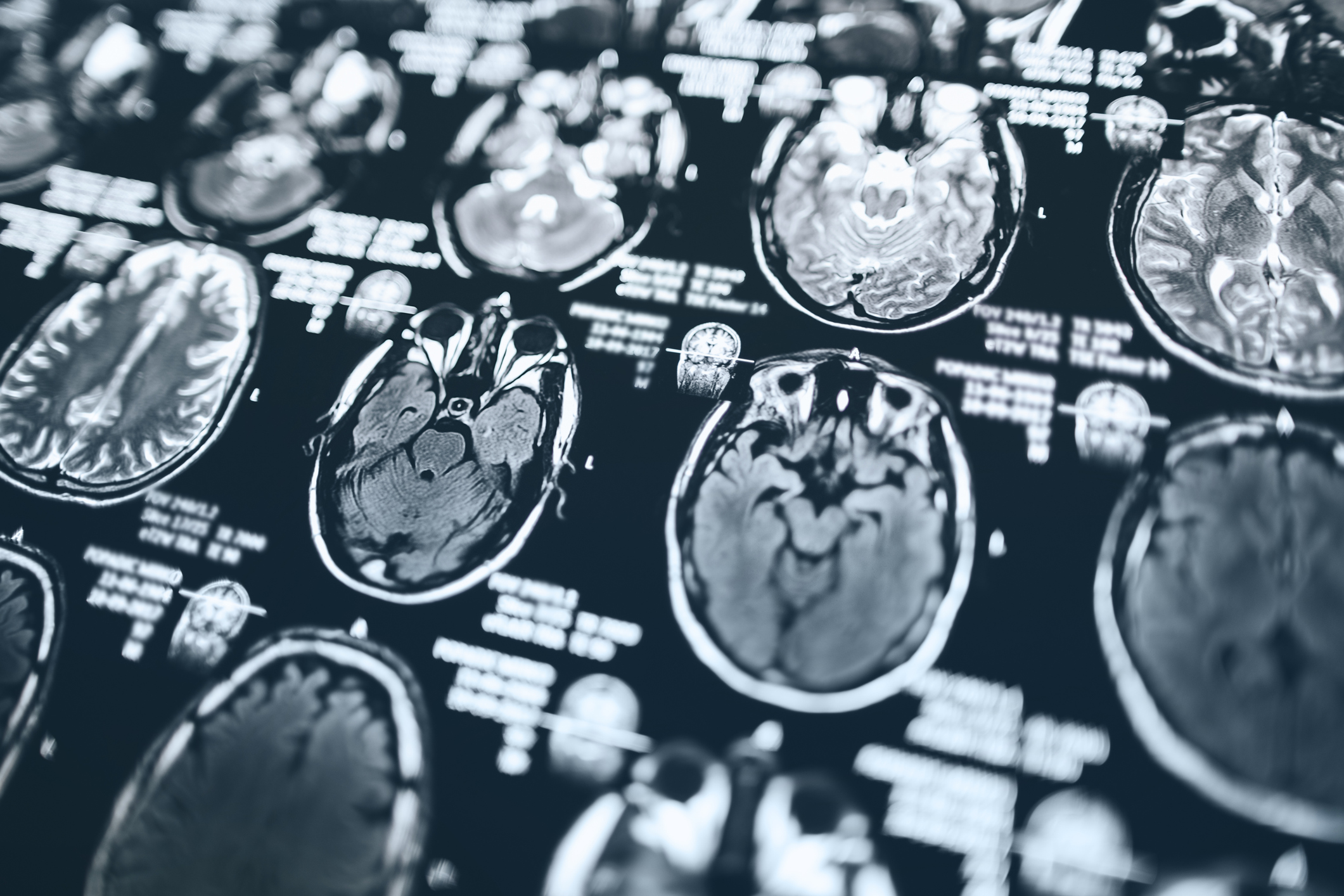
Non-invasive Approach Predicts Chemotherapy Response in Glioblastoma
Northwestern Medicine scientists have developed a new non-invasive approach that could help better determine which patients with glioblastoma are responding favorably to chemotherapy treatment and inform future treatment plans, according to a recent study published in Nature Communications.
-
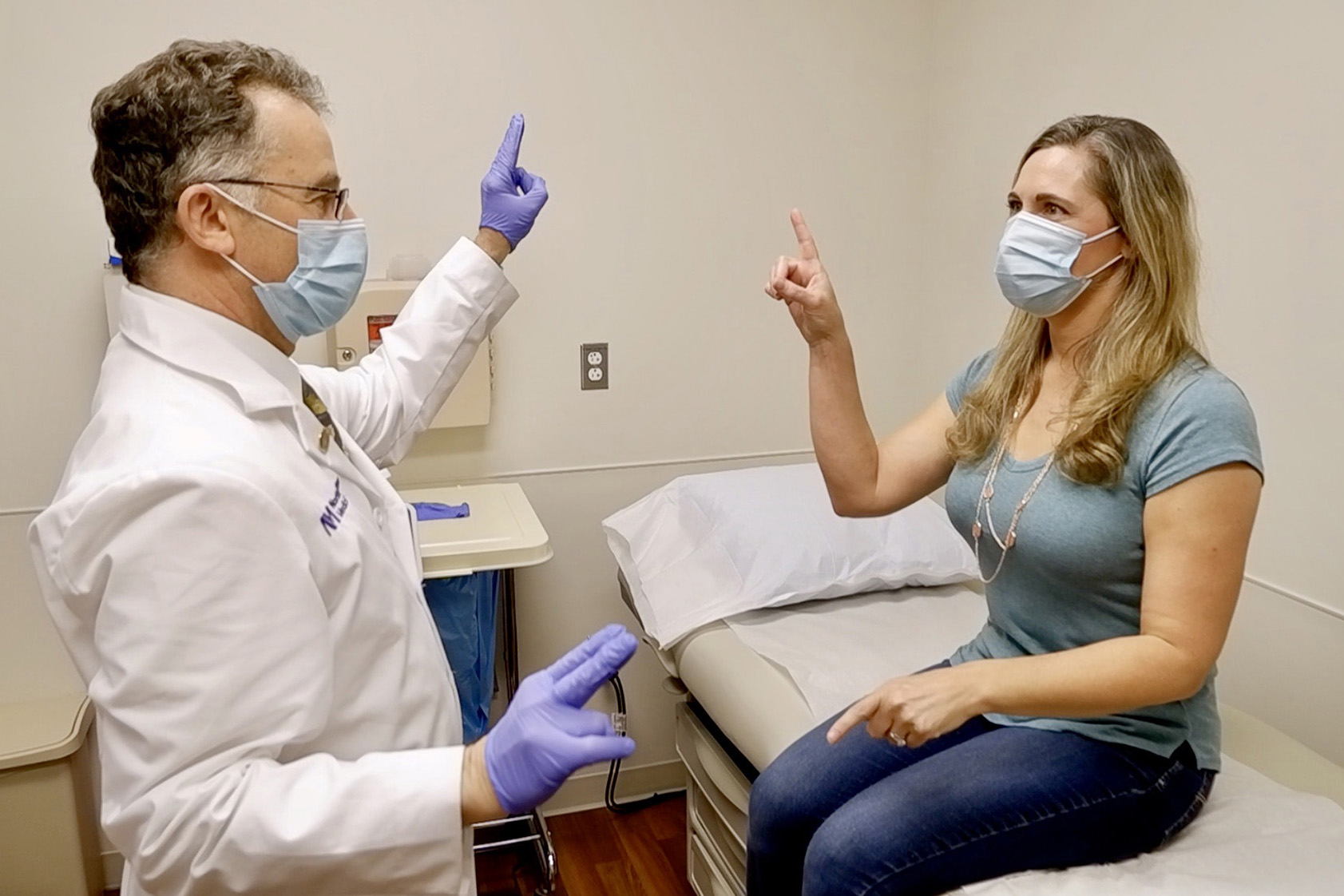
Long COVID Brain Fog Far More Common in US than India, Other Nations
Patients with long COVID-19 in the U.S. report far higher rates of brain fog, depression and cognitive symptoms than patients in countries such as India and Nigeria, according to a large international study led by Northwestern Medicine.
-

Evaluating Treatment of Heart Defects in Preterm Infants
Early pharmacologic treatment of a common congenital heart defect did not improve survival outcomes compared to expectant management in preterm infants, according to a recent clinical trial published in JAMA.
-

Ophthalmology Grant Supports Unrestricted Research, Innovation
The Department of Ophthalmology has received a grant from Research to Prevent Blindness (RPB) to support investigators advancing the field of ophthalmology and vision science.
-
New Underlying Mechanisms May Support Proper Transcriptional Regulation and Improve Targeted Therapies
Northwestern Medicine scientists have discovered new mechanisms underlying transcriptional initiation and elongation control that support proper gene expression, which may inform targeted therapeutic approaches for many diseases, according to a recent study published in Molecular Cell.
-
Targeting Key Proteins in Fight Against ALS
Northwestern Medicine scientists have zeroed in on a cellular gatekeeper that may hold promise for treating abnormal protein accumulation in neurodegenerative diseases, according to a study published in Nature Communications.
-

How Inflammation Fuels Blood Cancer Risk
A Northwestern Medicine-led study published in The Journal of Clinical Investigation has uncovered why older individuals with specific genetic mutations face a heightened risk of developing serious blood cancers.
-

Investigating Treatments for Peripheral Artery Disease
A common diabetes medication does not help people with peripheral artery disease (PAD) walk farther, according to results from a major U.S. clinical trial published in JAMA.
-
Experimental Drug Shows Promise for Rare Genetic Disorder
A new experimental therapy has shown encouraging results in treating a rare and progressive lysosomal storage disorder, according to findings from a multi-year clinical trial published in the New England Journal of Medicine.