Archives: Podcasts
-
The Evolution of Cardiac Monitoring with Rod Passman, MD
As heart conditions like arrhythmia become increasingly common, heart monitoring is becoming an even more important tool for disease prevention and treatment. Northwestern Medicine cardiac electrophysiologist Rod Passman, MD, who has over three decades of experience in the field, reviews the history of cardiac monitoring and looks to the future. He details his pioneering use…
-
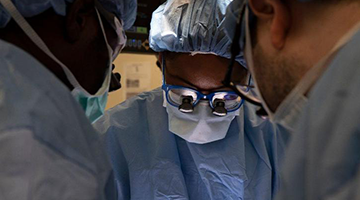
The Northwestern Medicine African American Transplant Access Program with Dinee Simpson, MD
People who are Black make up the largest group of minorities in need of an organ transplant. In 2019, Northwestern Medicine launched the African American Transplant Access Program to help address this problem. Founding director of the program Dinee Simpson, MD, talks about the barriers to organ transplant for Black patients and how she is…
-

Earliest Signs of Parkinson’s Disease with D. James Surmeier, PhD
Northwestern Medicine scientists have discovered one of the earliest signs of Parkinson’s disease, proving that damaged neuronal mitochondria alone can cause symptoms of the disease, according to a study published in Nature. Senior author D. James Surmeier, PhD, chair of the Feinberg department of Neuroscience, who has over 30 years of experience in the field,…
-
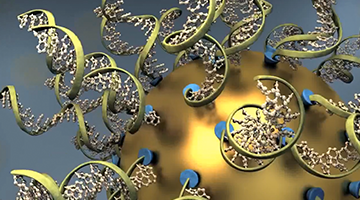
Northwestern Drug Kills Glioblastoma Tumor Cells with Priya Kumthekar, MD
An early clinical trial found that a spherical nucleic acid drug developed at Northwestern kills tumor cells in people with the fatal brain cancer glioblastoma. This is the first time a nanotherapeutic has been shown to cross the blood-brain barrier and cause cell death. Lead investigator Priya Kumthekar, MD, explains the results of the study.
-
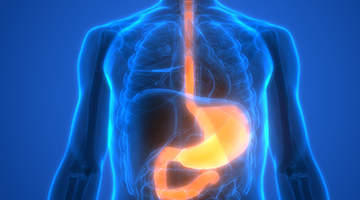
Esophageal Diseases, Symptom Anxiety and Hypervigilance with John Pandolfino, MD
Esophageal diseases are extremely common, and symptoms such as trouble swallowing, chest pain, regurgitation and choking diminish quality of life. There can also be psychosocial effects for patients with these diseases, including hypervigilance — a heightened focus on physical symptoms — and symptom-specific anxiety such as fear of choking. Identifying patients with issues could help…
-
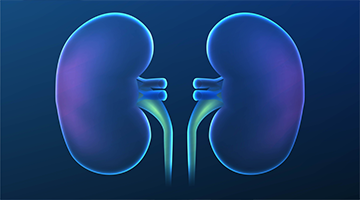
Kidneys, COVID-19 and ACE2 Connection with Daniel Batlle, MD
Daniel Batlle, MD, professor of medicine in the Division of Nephrology and Hypertension at Northwestern, has been studying ACE2 and its potential therapeutic uses for many years. When the pandemic began, he proposed a hypothesis that soluble ACE2 could treat the SARS-CoV-2 virus and lead to survival and full recovery, and now he has some…
-

Black Men and Prostate Cancer with Edward Schaeffer, MD, PhD
Black men are more likely to get prostate cancer and more than twice as likely to die from the disease than other men. Edward Schaeffer, MD, PhD, has developed a research team to better understand this problem. In this show he talks about his latest discoveries, which are paving the way to precision medicine for…
-
Neurological Complications of COVID-19 with Igor Koralnik, MD
COVID-19 can be a multi-system disease, impacting many organs and the entire nervous system. Igor Koralnik, MD, has been investigating the neurological complications of the disease and published the first study focused on long-term neurologic symptoms in COVID-19 “long haulers.” He explains the study and what he is seeing in the Neuro COVID-19 Clinic at…
-
Pediatric Eczema and Scratch Sensors with Steve Xu, MD, MSc
Atopic dermatitis — or eczema — affects about 10 million children in the U.S., and the itching that accompanies this condition can cause pain and distress for kids who can’t always verbalize or quantify how much they’re suffering. But a new wearable sensor developed by Northwestern University scientists could help better monitor scratching and assess…
-

Kids, Mental Health and COVID-19 with Tali Raviv, PhD
Many Chicago caregivers say their children have experienced mental health issues after pandemic-related school closures and remote learning upended their daily lives. A recent survey of more than 32,000 caregivers of Chicago Public School students found that around a quarter of these children and adolescents were described as stressed, anxious, angry or agitated since these…