Byline: Olivia Dimmer
-
Epilepsy Gene Implicated in Severe Migraine Disorder
Northwestern Medicine scientists have identified mutations in a gene coding for key ion channels in the brain as a new cause of a debilitating form of migraine, according to a study published in Brain.
-

Understanding Cancer’s Hidden Vulnerabilities
Northwestern Medicine scientists have uncovered an unexpected role for a well-known cancer-related protein, revealing a new layer of genetic regulation that could reshape how certain cancers are treated.
-
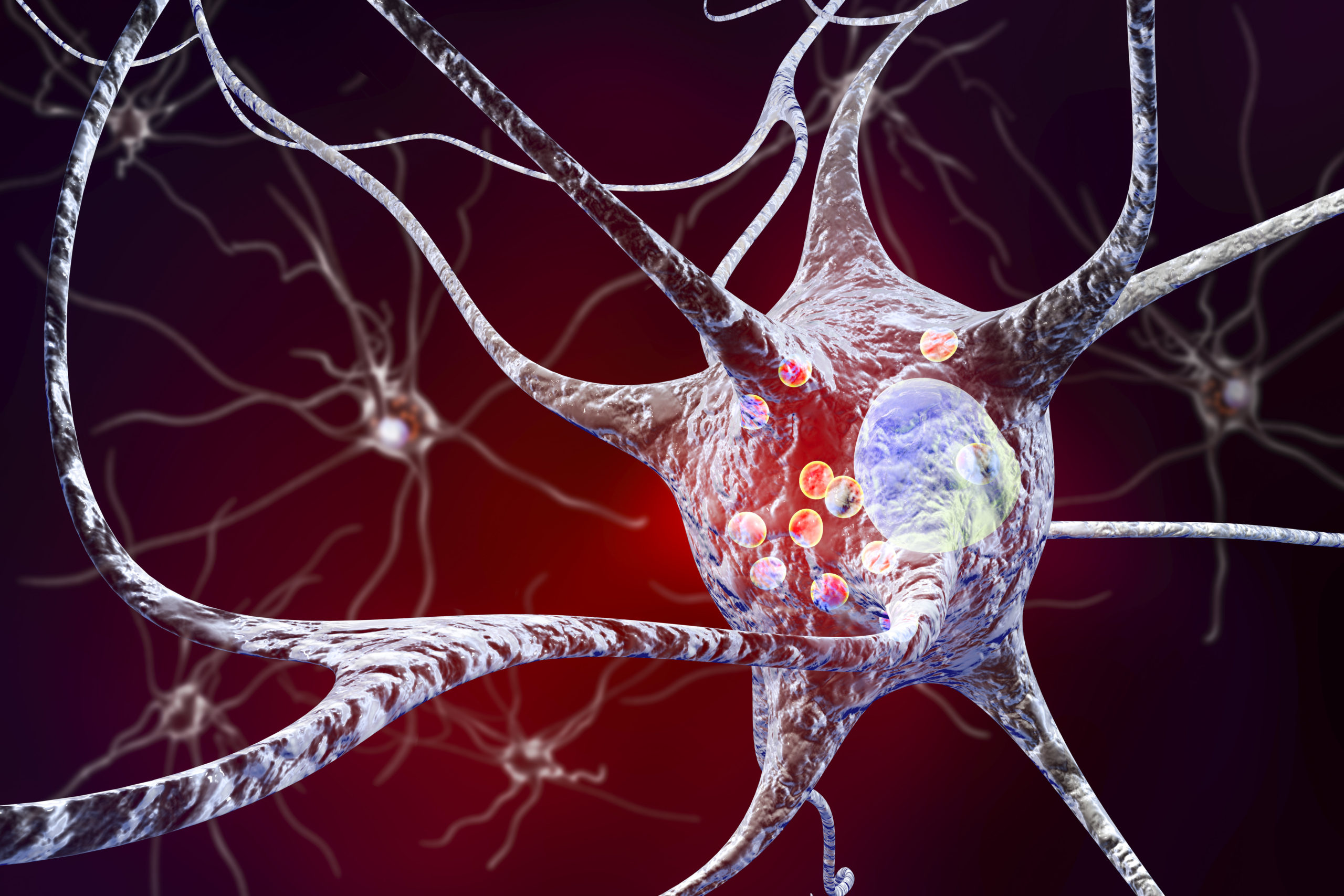
Experimental Drug Lowers Parkinson’s-Linked Protein in Early Trial
An experimental drug designed to silence a gene strongly linked to Parkinson’s disease has shown encouraging effects in a first-in-human clinical trial, according to a study published in Nature Medicine.
-

Overlooked Cells Linked to Poor Outcomes in Breast Cancer
A little-studied group of cancer cells circulating in the bloodstream may play a bigger role in breast cancer progression than previously thought, according to new research published in Science Translational Medicine that sheds light on how the disease spreads and why some patients fare worse than others.
-

Uncovering a Genetic Driver of Rare Early-Onset Dementia
A global team of scientists has uncovered a new genetic risk factor for a rare and aggressive form of early-onset dementia, according to a study published in Nature Genetics.
-
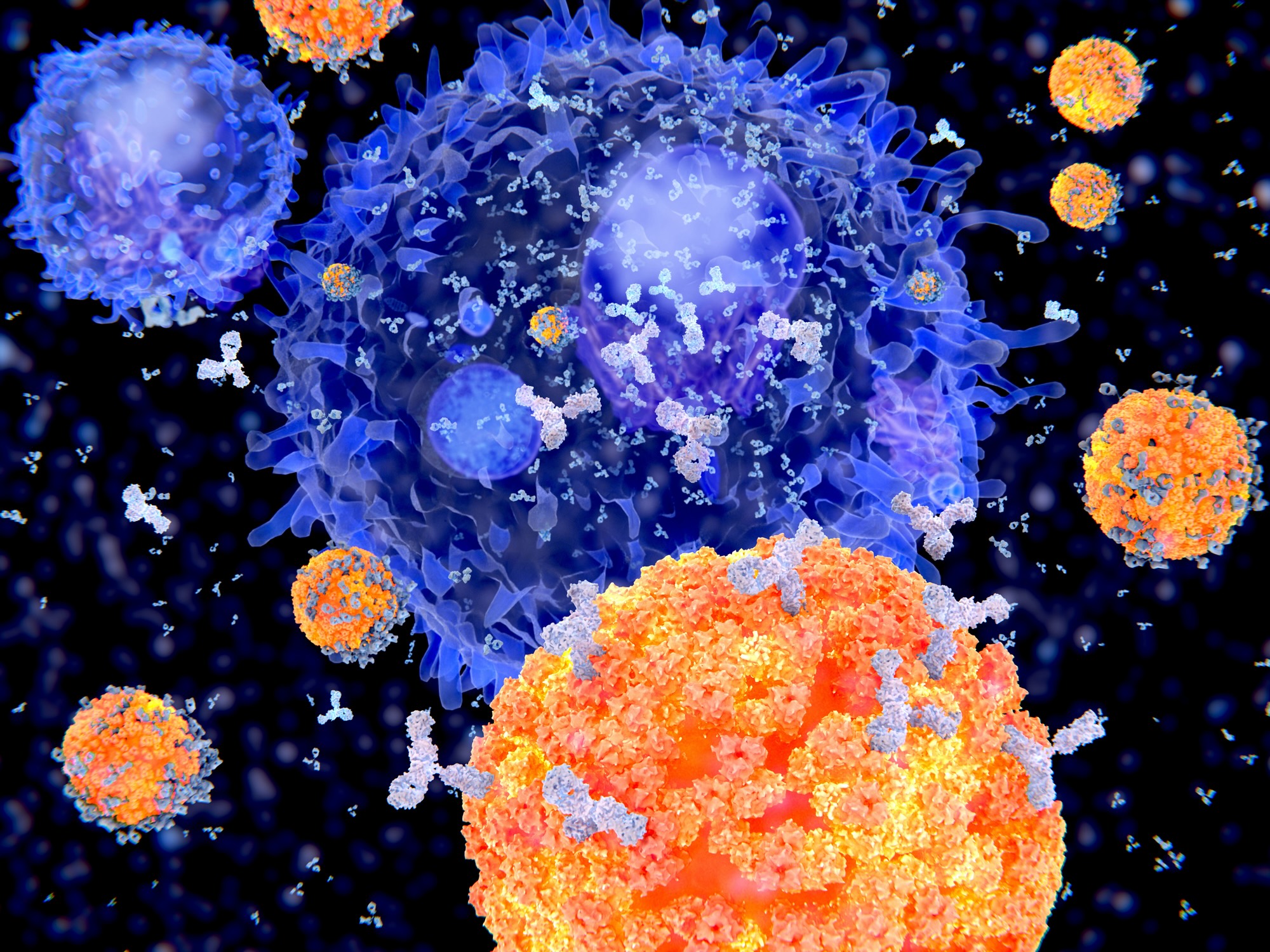
Understanding Mechanisms of Rare Inflammatory Autoantibodies
Northwestern Medicine investigators have uncovered a missing link behind the harmful effects of autoantibodies linked to blood clots, pregnancy complications and other inflammatory conditions, according to a new study published in the Proceedings of the National Academy of Sciences.
-
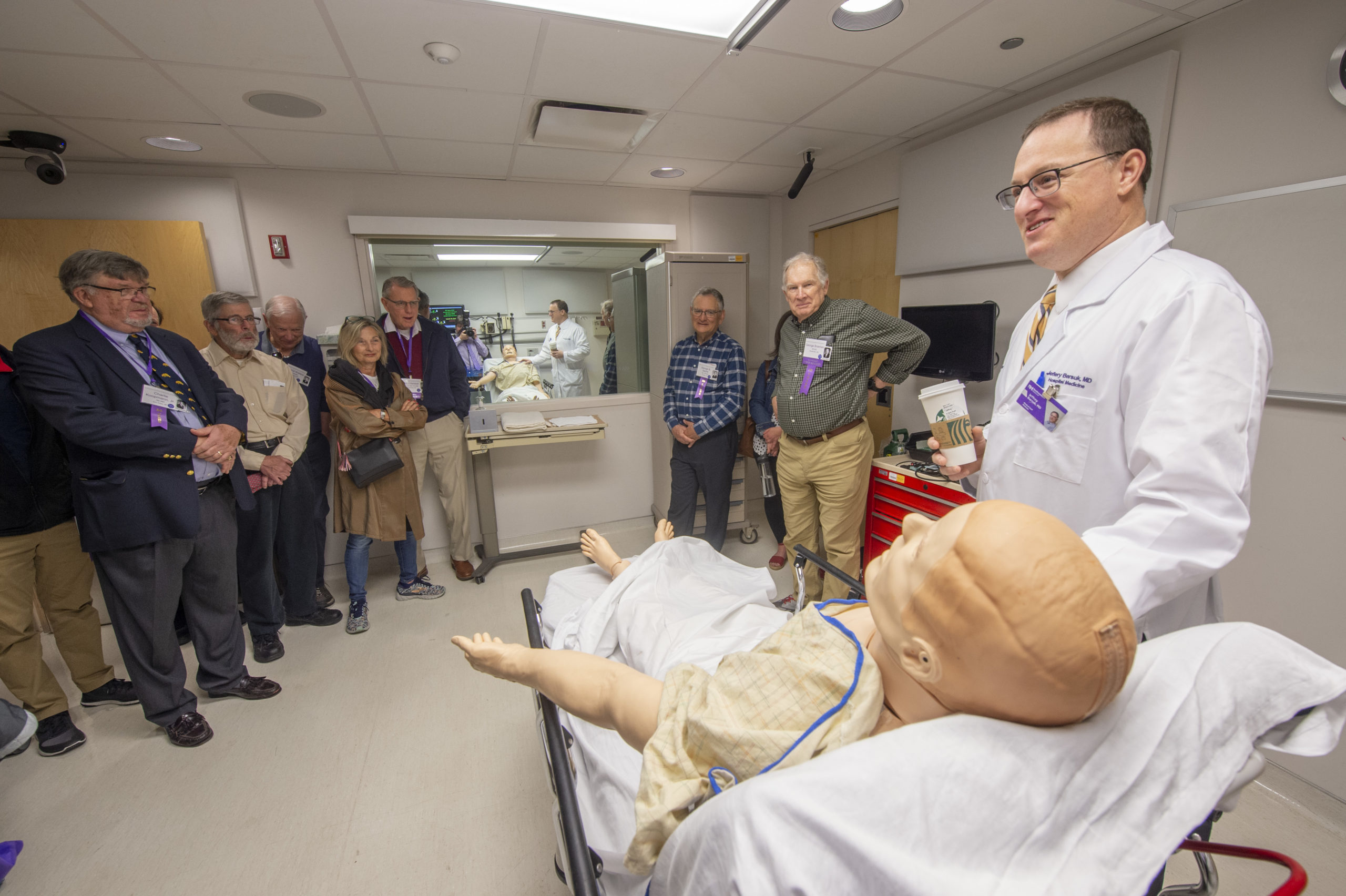
Simulation Training Dramatically Improves Colonoscopy Clinical Skills
A new Northwestern Medicine study suggests that a structured simulation‑based training program can significantly improve how gastroenterologists remove precancerous colon polyps, according to findings published in Gastroenterology.
-

Feinberg Students Celebrate Match Day 2026
Anticipation and applause filled the air on Friday, March 20, as Feinberg students gathered with family, friends and faculty to learn where they will begin the next phase of their medical training during Match Day 2026.
-

Study Reveals Why Some Immune Disorders Trigger Severe Food Allergies — and Others Don’t
A new study has shed light on why patients with certain rare immune disorders develop severe, food‑triggered allergic reactions while others with similar diagnoses do not.
-

Experimental Stroke Drug Slows Bleeding but Doesn’t Improve Recovery
A global clinical trial has found that recombinant factor VIIa, a drug designed to rapidly slow bleeding in the brain after a hemorrhagic stroke, does not improve long‑term recovery for patients, according to a study published in The Lancet