Byline: Olivia Dimmer
-
Parkinson’s Gene Linked to Early Dysfunction in Brain Cells
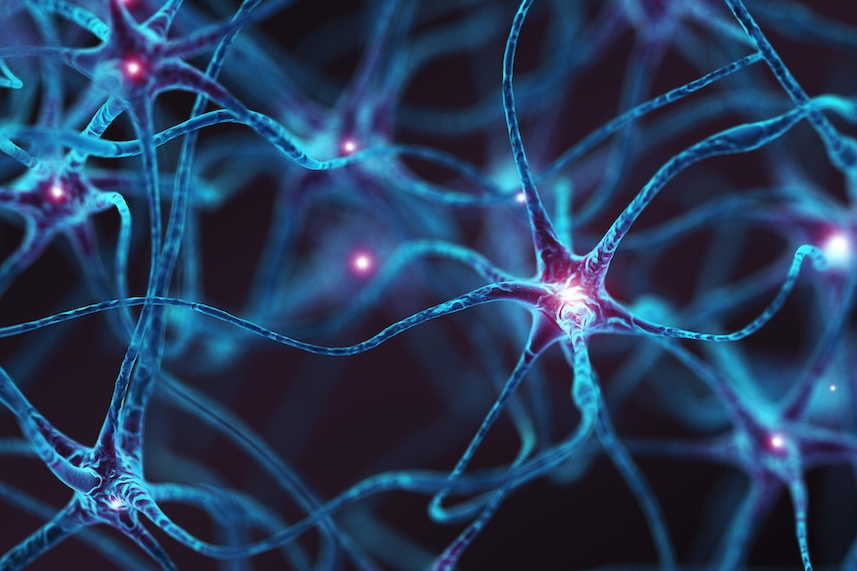
Northwestern Medicine scientists have uncovered how a major Parkinson’s disease gene disrupts the brain’s most vulnerable dopamine-producing neurons before detectable neuronal loss, according to findings published in Nature Communications.
-
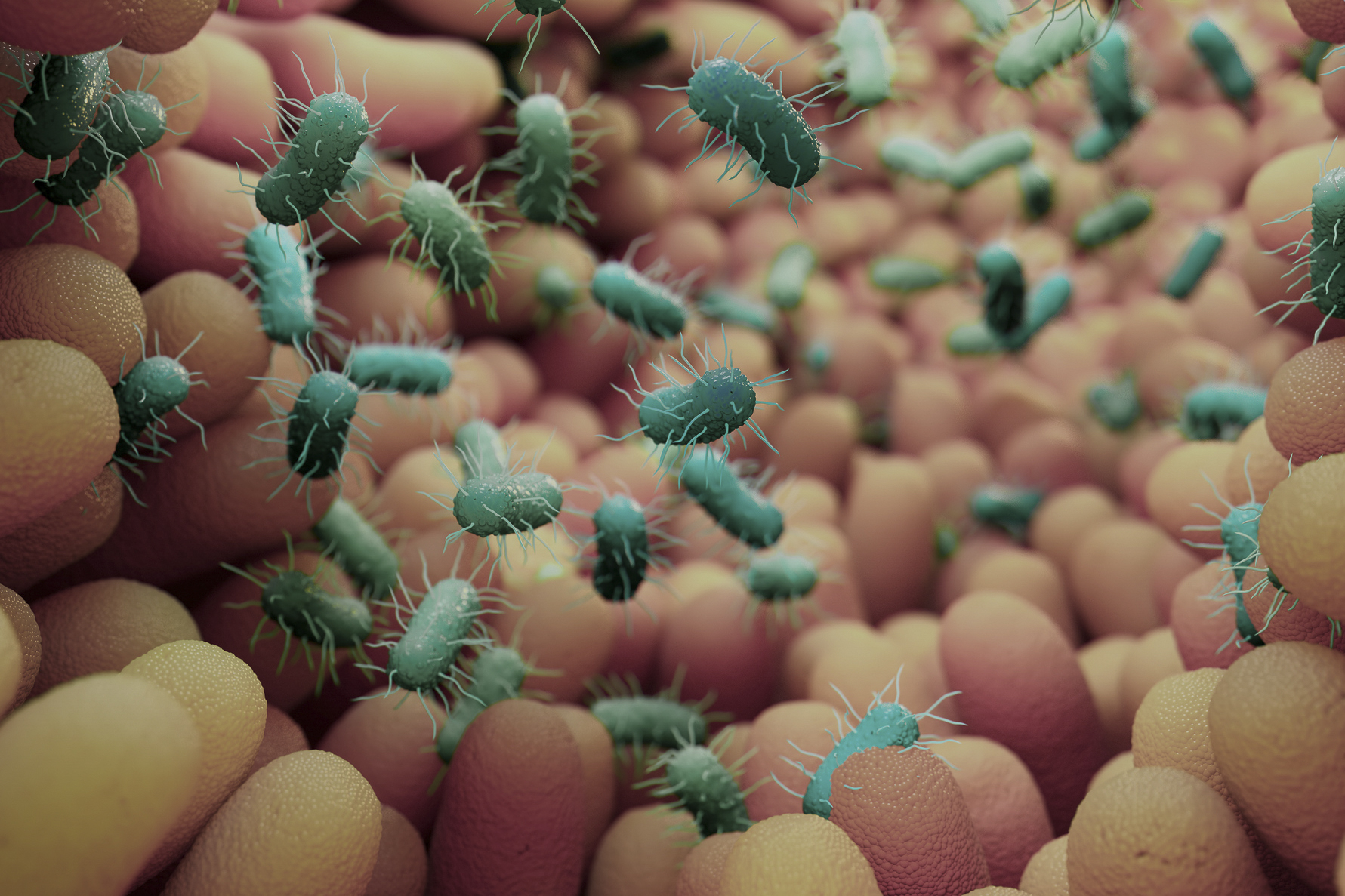
Gut Bacteria Leave Intestinal ‘Memory,’ Protecting Against Inflammation
New Northwestern Medicine research published in Nature Communications suggests that a metabolite produced by gut bacteria when they digest dietary fiber can leave a lasting molecular imprint on intestinal cells, promoting immune tolerance and protecting against inflammatory bowel disease-like conditions long after exposure ends.
-

AI-Guided Study Uncovers Drug Targets for Psoriasis
A new study from Northwestern Medicine investigators, in collaboration with Biohub, a program of the Chan Zuckerberg Initiative, has identified potential drug targets for treating psoriasis, according to the study published in Nature Communications.
-
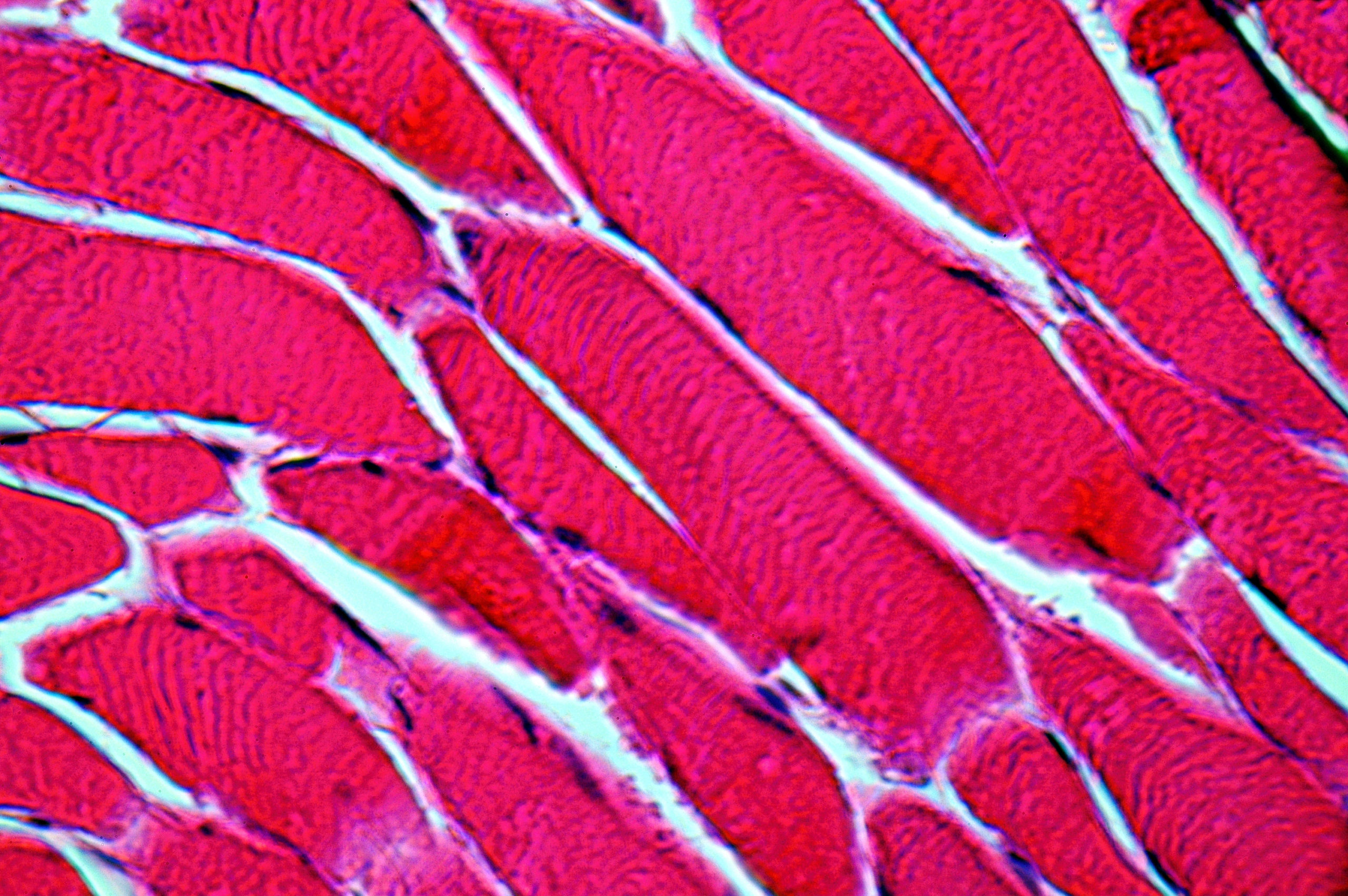
‘Leaky’ Muscle Fibers Drive Immune Response in Muscular Dystrophy
A Northwestern Medicine study has uncovered how chronic defects in muscle membrane repair can fuel harmful inflammation, according to the study published in JCI Insight.
-
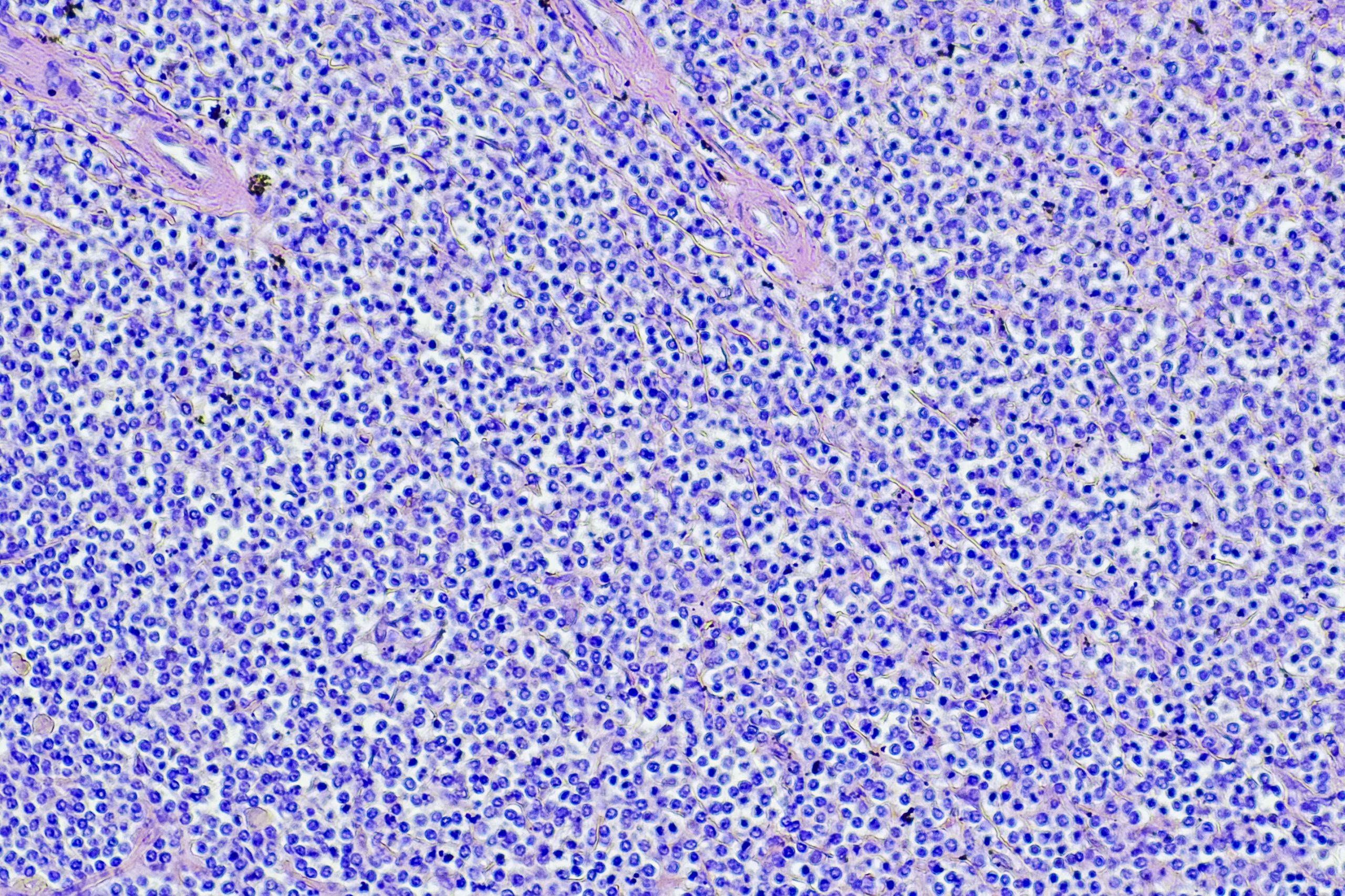
Immunotherapy Shows Long-Term Promise in Aggressive Lymphoma
A leading-edge immunotherapy may extend survival for patients with one of the most aggressive forms of blood cancer, according to newly published five-year results from a major clinical trial in the journal Blood.
-
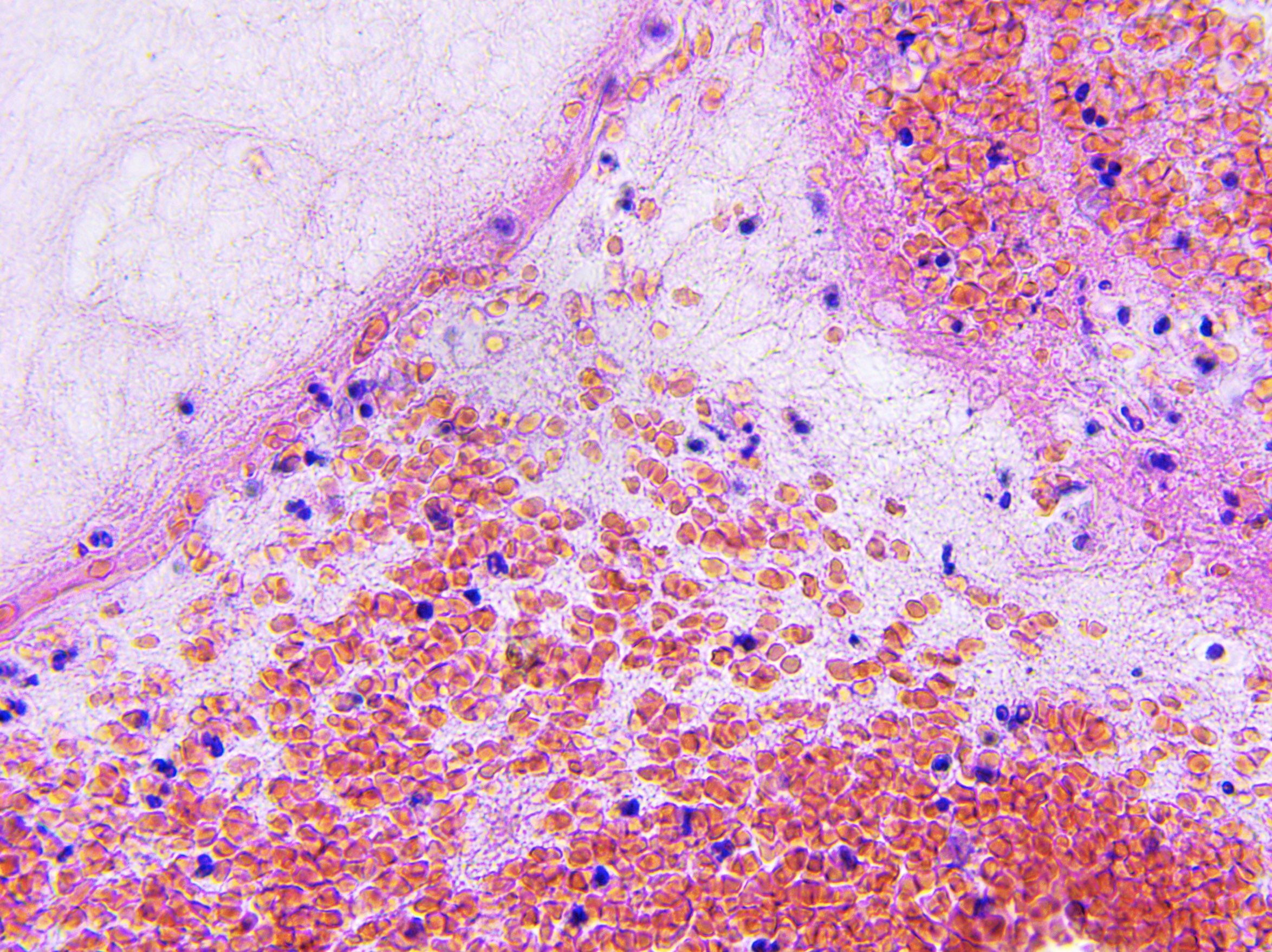
Signaling Pathway May Help Predict Immunotherapy Response in Glioblastoma
Northwestern Medicine scientists have uncovered a biological mechanism that helps explain why most patients with glioblastoma fail to respond to immunotherapy, according to a study published in Nature Communications.
-
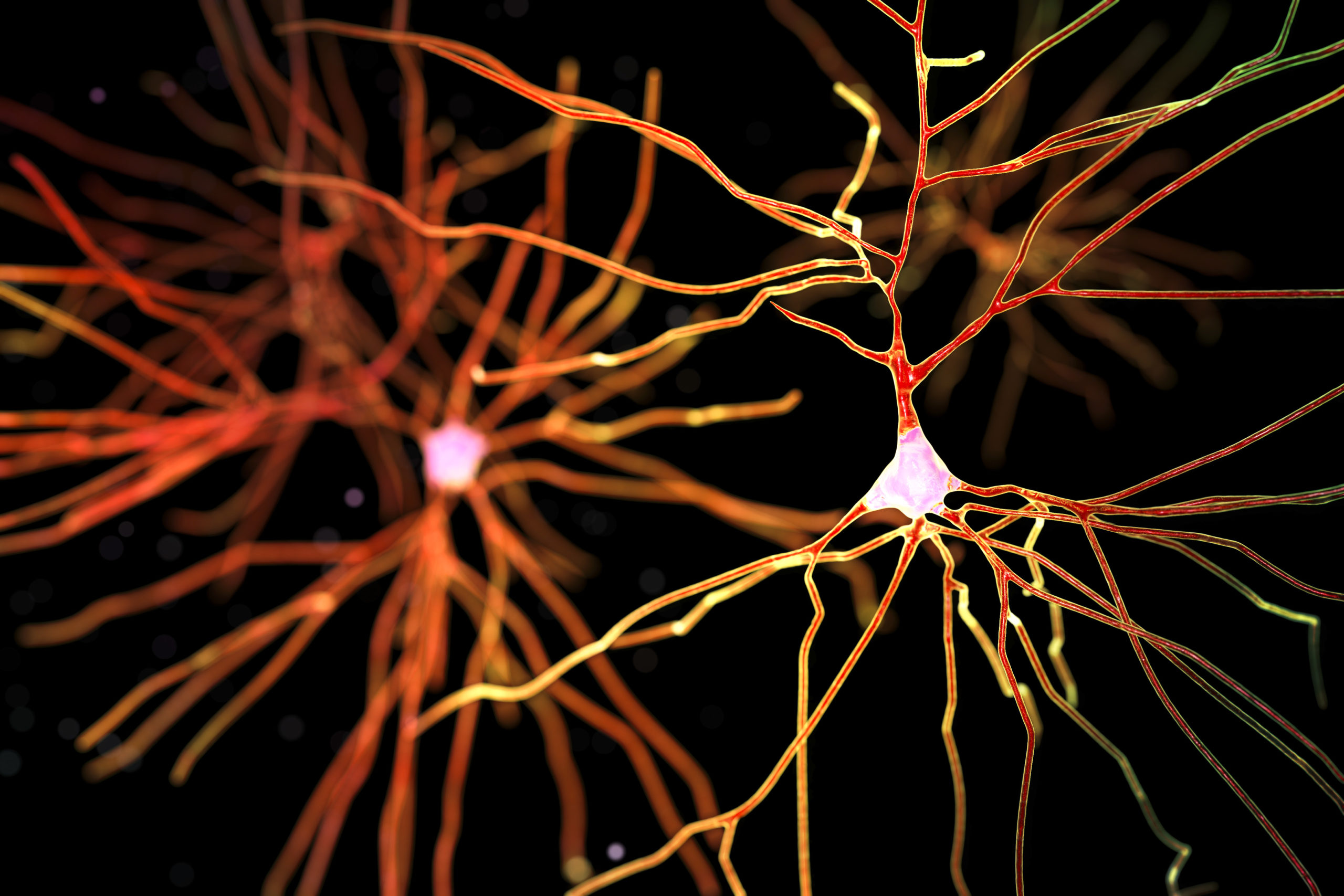
New Analytic Method Reveals ‘Building Blocks’ of Brain Activity
A new Northwestern Medicine study has introduced a novel machine learning method for understanding how the brain organizes complex behaviors, offering fresh evidence that neural activity is built from reusable “building blocks,” according to the study published in Neuron.
-
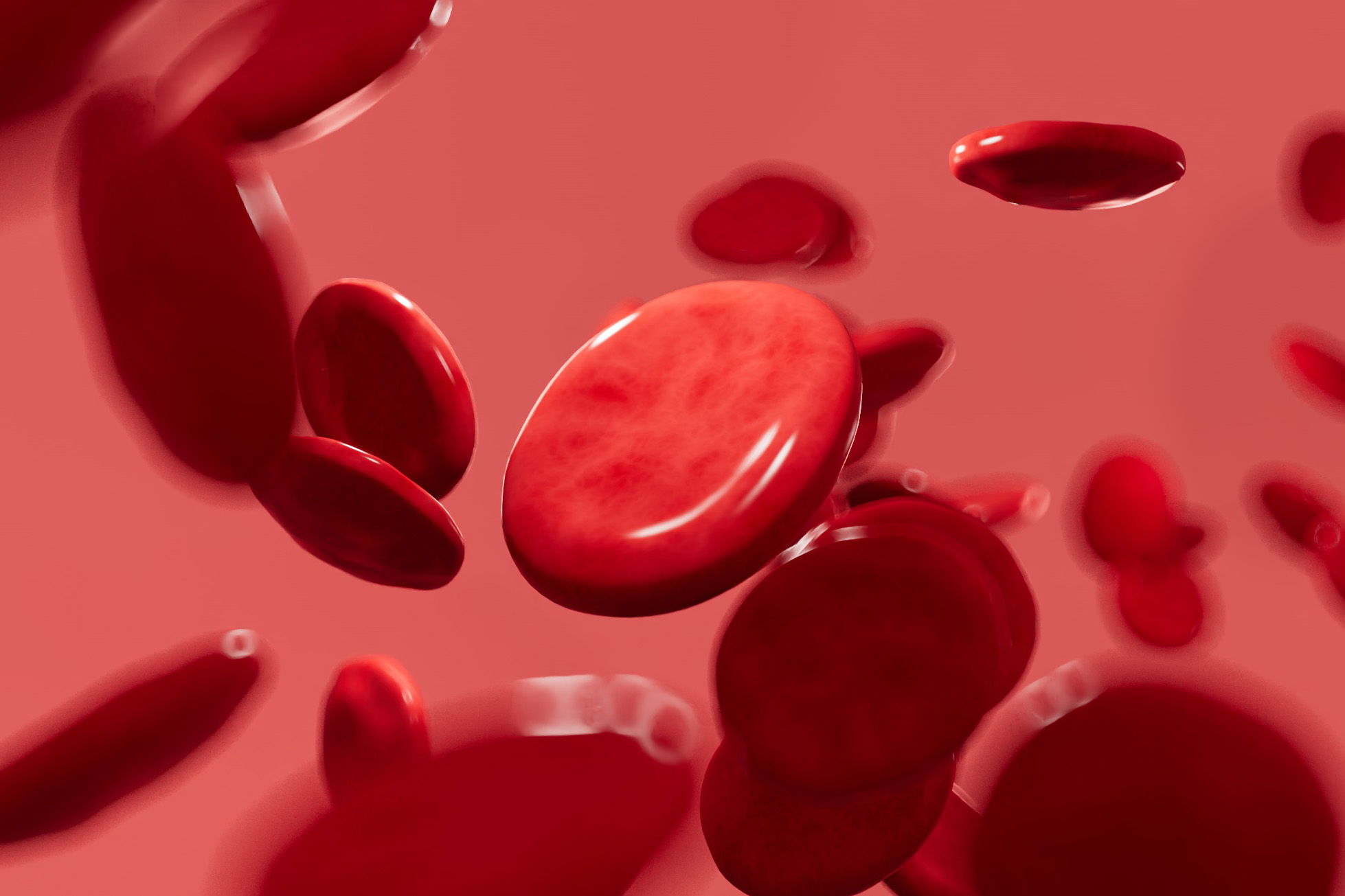
Blood Cell ‘Nurseries’ Upend Understanding of Human Physiology
Northwestern Medicine scientists have discovered that one of the body’s most fundamental biological processes — how red blood cells are made — works differently in humans than previously thought, according to a new study published in Nature Genetics.
-

Immunotherapy Strategy Shows Promise for Deadly Brain Cancer
A new immunotherapy strategy has shown promise in targeting one of the most aggressive and deadly forms of brain cancer, according to a new study published in Nature.
-

Combination Therapy Shows Promise in High-Risk Prostate Cancer, Study Finds
A large international clinical trial has found that adding the drug apalutamide to standard hormone therapy before and after prostate cancer surgery significantly improves outcomes for men with high-risk disease, according to details published in The New England Journal of Medicine.