Byline: Olivia Dimmer
-
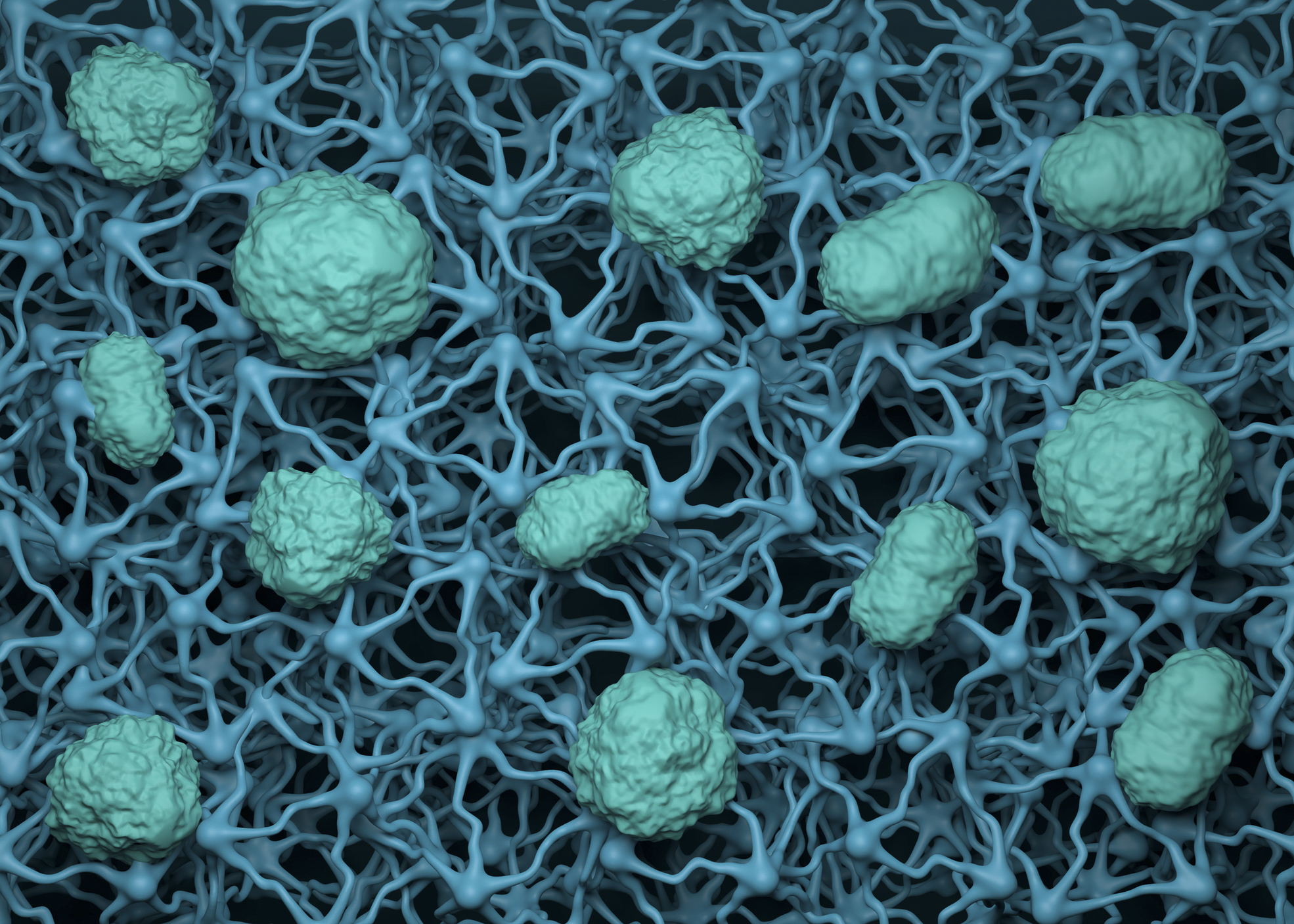
Designing Supramolecular Therapies to Cross the Blood-Brain Barrier
A new Northwestern Medicine study has uncovered key molecular design principles that could help supramolecular therapeutics cross the blood-brain barrier, a major challenge for the novel approach to treating neurological disorders.
-

Empowering Health Professions Education in Africa
Through a longstanding collaboration with the University of Global Health Equity in Rwanda, Feinberg medical educators support and train educators who will go on to teach thousands of future physicians, nurses and other health professionals.
-
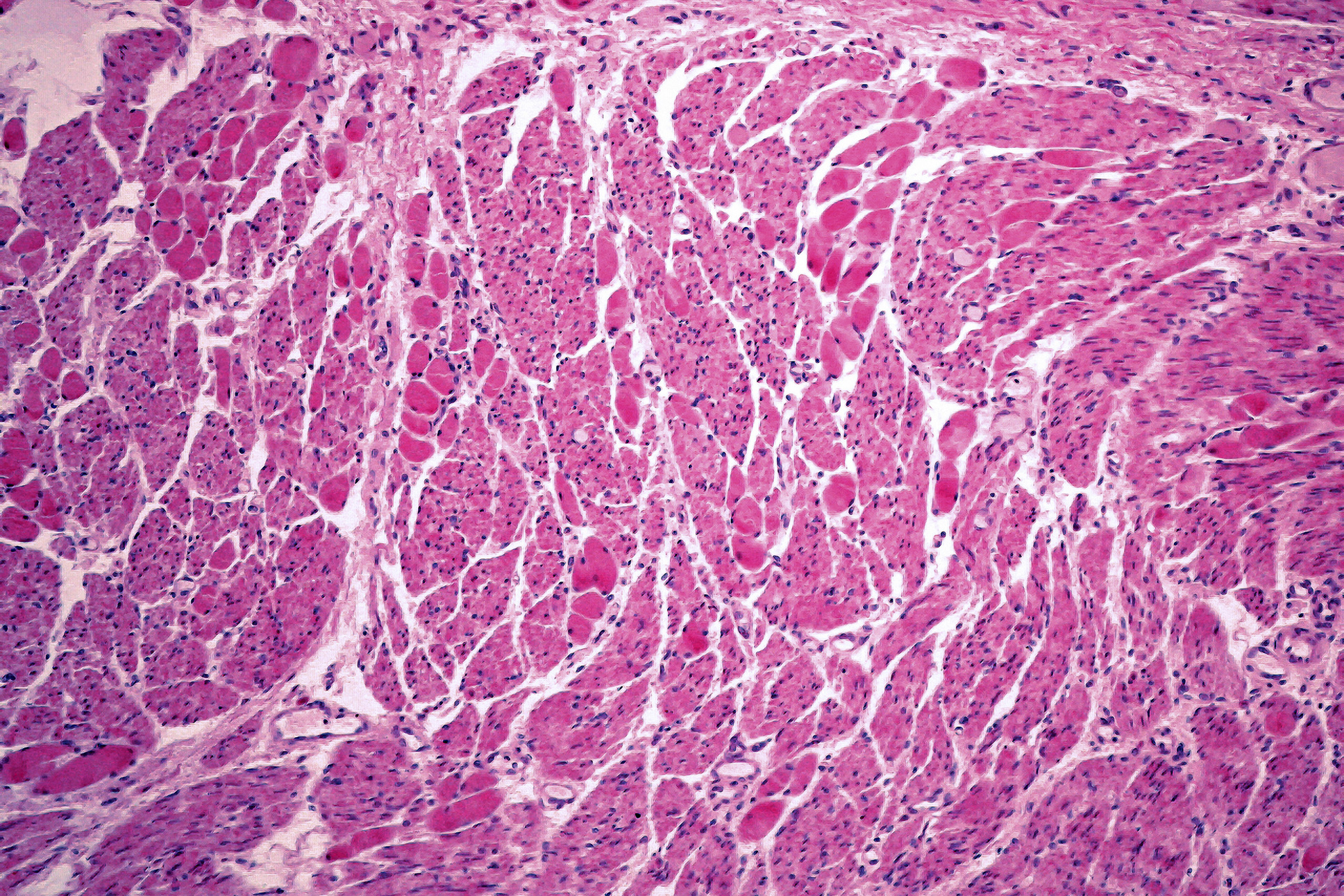
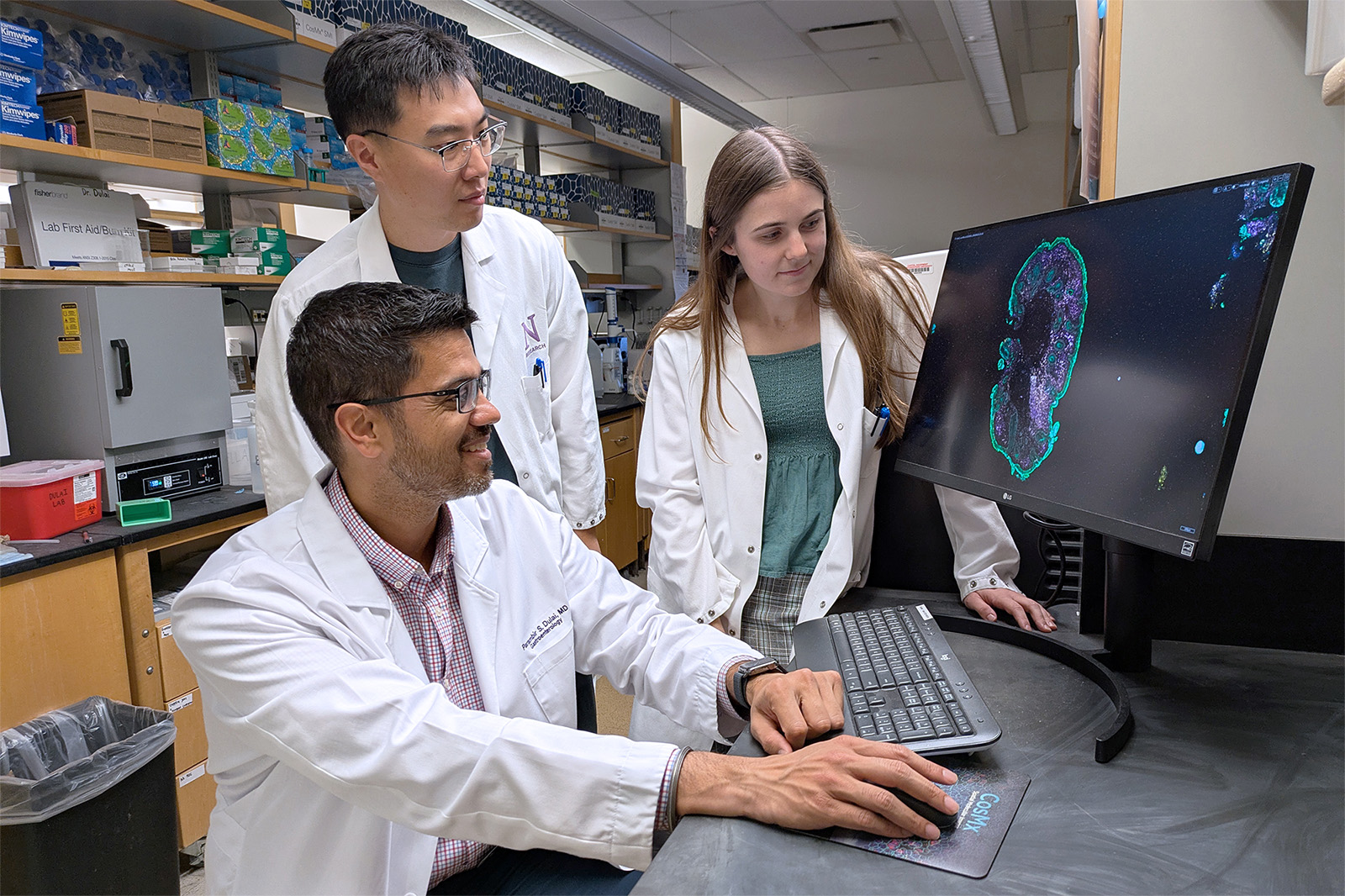
New Cellular Clues to Complications of Scleroderma
A recent Northwestern Medicine study published in JCI Insight has uncovered new clues about why people with systemic sclerosis, also known as scleroderma, frequently develop debilitating esophageal complications.
-
Oxidative Stress Drives Rare Disease Flare-ups, Study Finds
Northwestern Medicine scientists have uncovered a mechanism that may explain why people with Darier disease, a rare genetic skin disorder, often develop symptoms years after birth and experience painful flare-ups triggered by heat, sunlight and psychological stress.
-
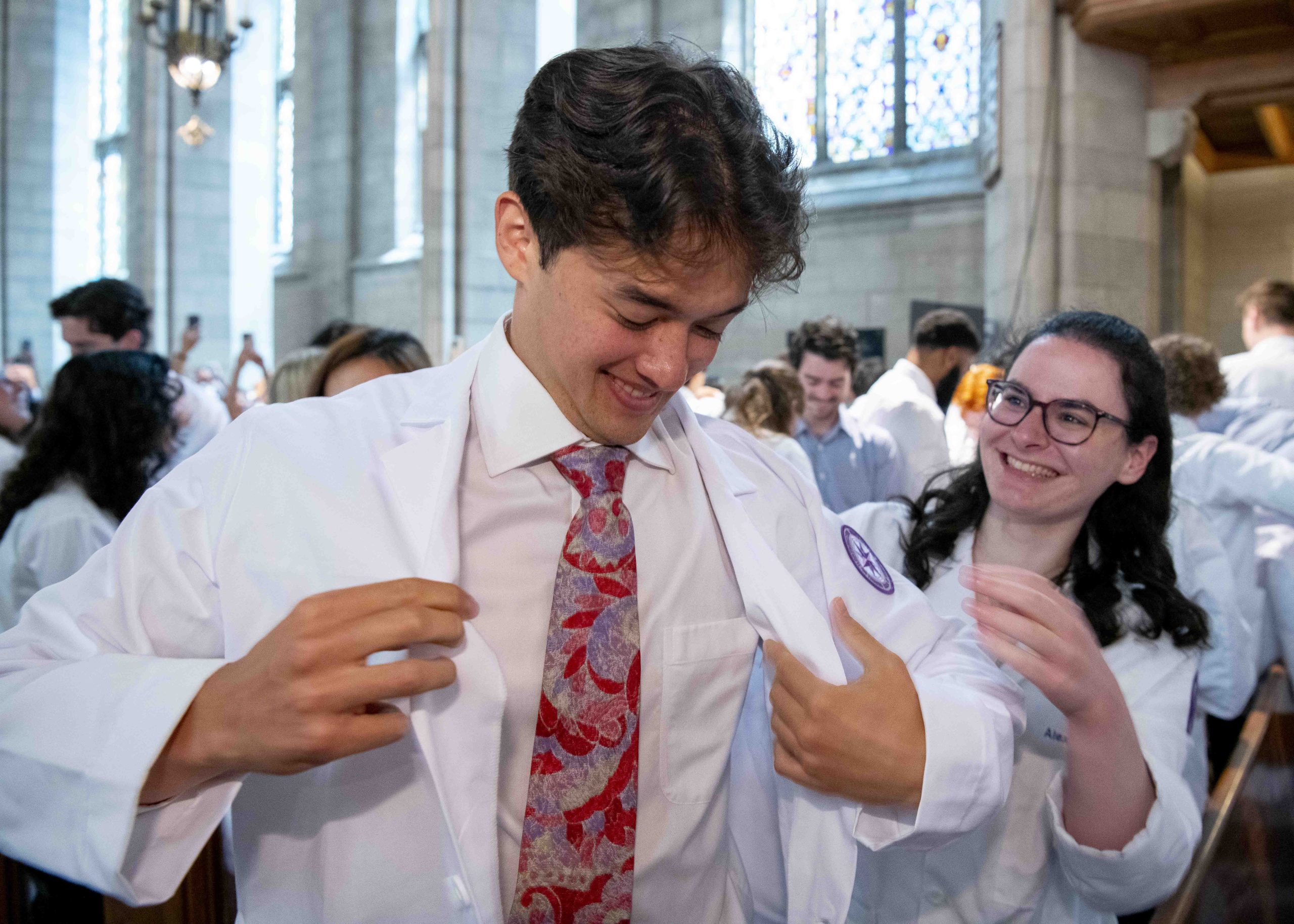
Founders’ Day Welcomes Feinberg Incoming Class of 2026
The incoming class of 2026 was officially welcomed to Feinberg during Founders’ Day on August 7 at Fourth Presbyterian Church in Chicago.
-
Exploring Genetic Differences in Parkinson’s Disease by Ancestry
A landmark international study has found that the genetic drivers of Parkinson’s disease can vary dramatically between populations, underscoring the need to include people of various ancestries in genetic research and clinical trials.
-
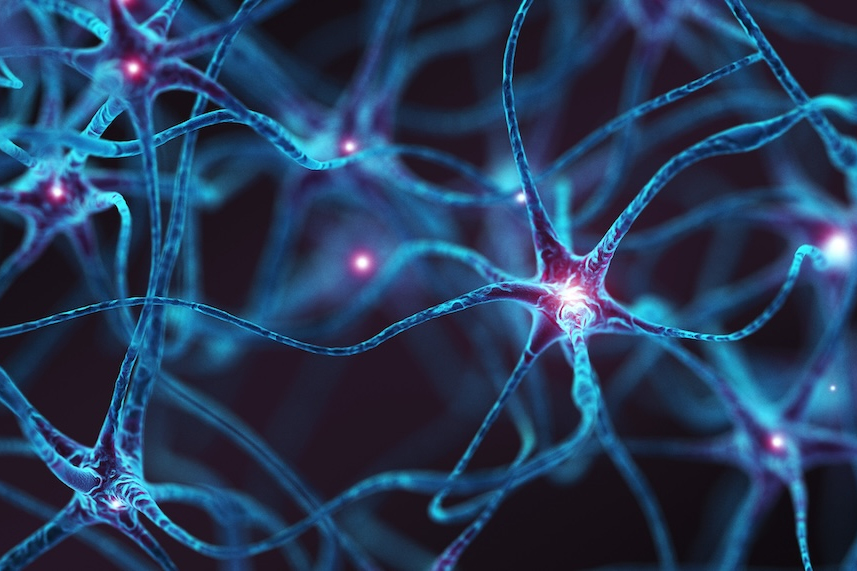
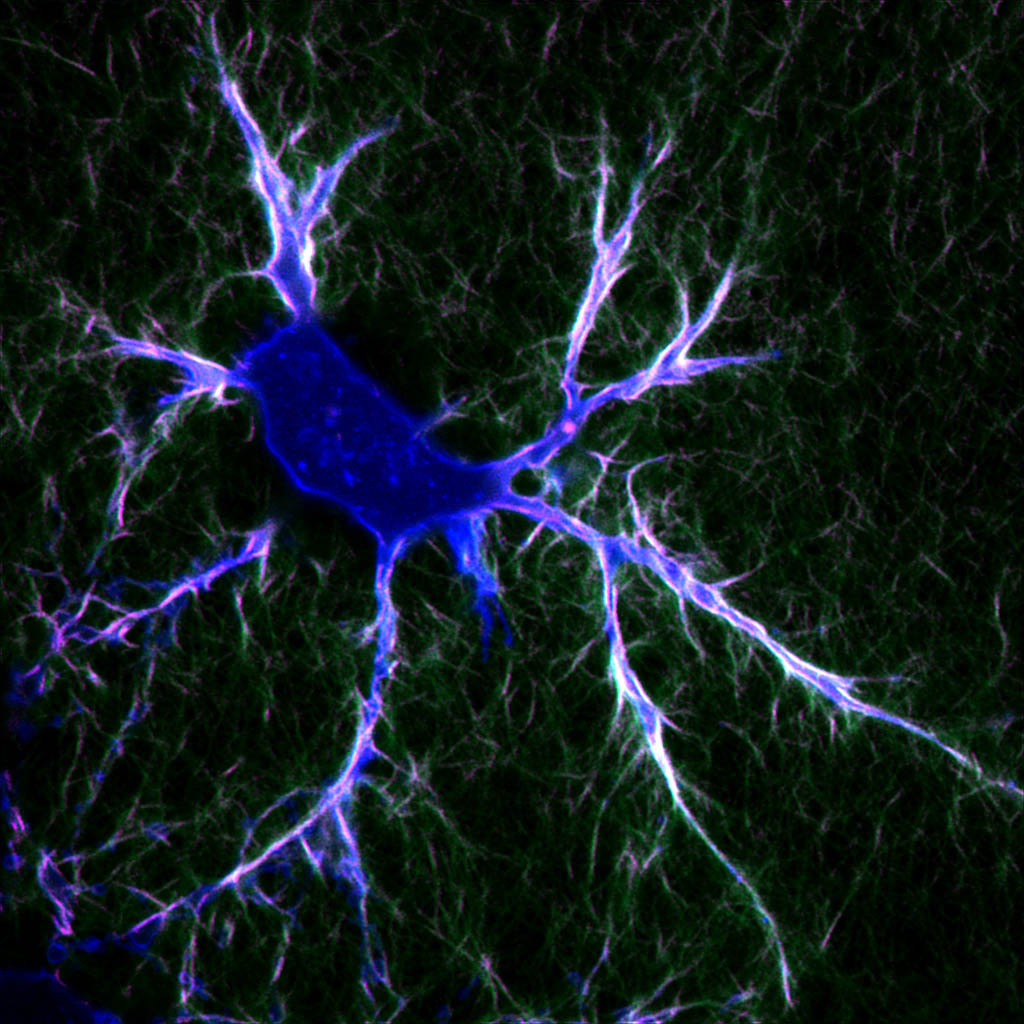
Parkinson’s Gene Linked to Early Dysfunction in Brain Cells
Northwestern Medicine scientists have uncovered how a major Parkinson’s disease gene disrupts the brain’s most vulnerable dopamine-producing neurons before detectable neuronal loss, according to findings published in Nature Communications.
-
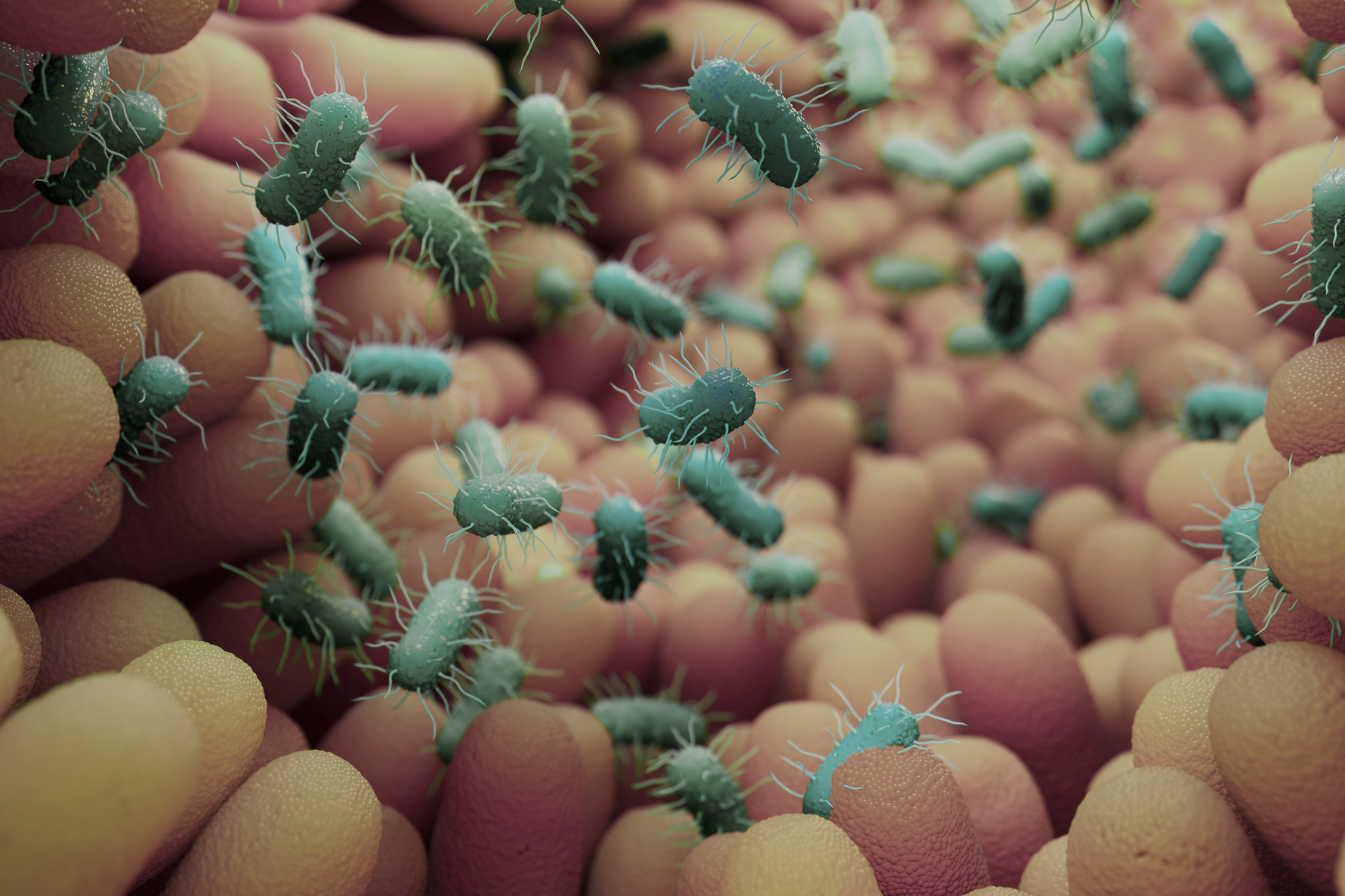
Gut Bacteria Leave Intestinal ‘Memory,’ Protecting Against Inflammation
New Northwestern Medicine research published in Nature Communications suggests that a metabolite produced by gut bacteria when they digest dietary fiber can leave a lasting molecular imprint on intestinal cells, promoting immune tolerance and protecting against inflammatory bowel disease-like conditions long after exposure ends.
-

AI-Guided Study Uncovers Drug Targets for Psoriasis
A new study from Northwestern Medicine investigators, in collaboration with Biohub, a program of the Chan Zuckerberg Initiative, has identified potential drug targets for treating psoriasis, according to the study published in Nature Communications.
-
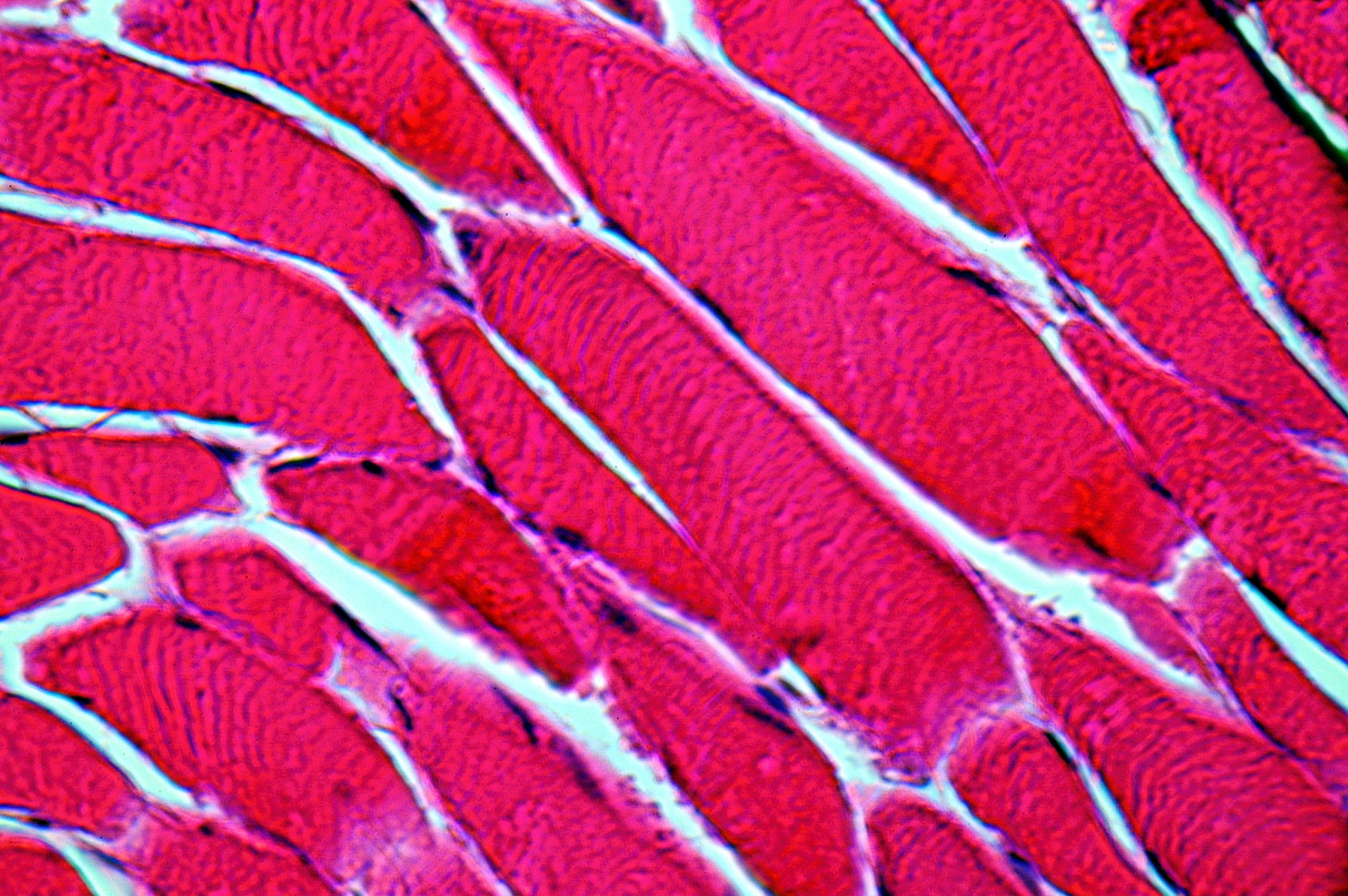
‘Leaky’ Muscle Fibers Drive Immune Response in Muscular Dystrophy
A Northwestern Medicine study has uncovered how chronic defects in muscle membrane repair can fuel harmful inflammation, according to the study published in JCI Insight.