Byline: Melissa Rohman
-
Potential Therapeutic Target for Blood Cancers Discovered
Investigators have discovered that a specific complex drives cell proliferation in mutated myeloproliferative neoplasms, suggesting this complex could serve as an ideal therapeutic target, according to a recent Northwestern medicine study.
-

Study Identifies Novel Genetic Causes of Male Infertility
A recent study has identified novel genetic causes of non-obstructive azoospermia, the most severe form of male infertility, findings that may inform future treatment strategies and interventions.
-
Genetic Variations Influence Drug Metabolism in Patients of African Descent
Northwestern Medicine investigators have identified new genetic variations effecting gene expression in the liver cells of patients of African descent, findings that provide insight into how drugs are metabolized differently in different populations.
-
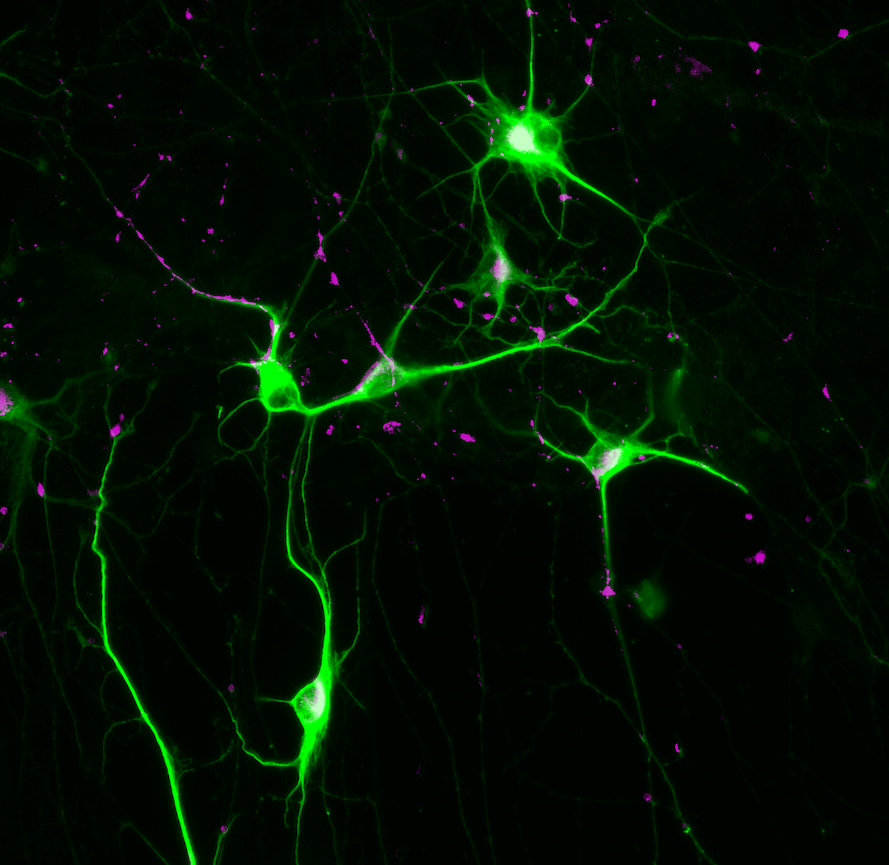
Potential Therapeutic Target for Schizophrenia Identified
Targeting calcium signaling in neurons may represent a promising therapeutic approach for treating a rare form of schizophrenia, according to a Northwestern Medicine study.
-

Longtime Alcohol Consumption Speeds Up Biological Aging
Consuming certain types of alcohol over long periods of time as well as binge drinking both speed up biological aging, according to a recent Northwestern Medicine study.
-
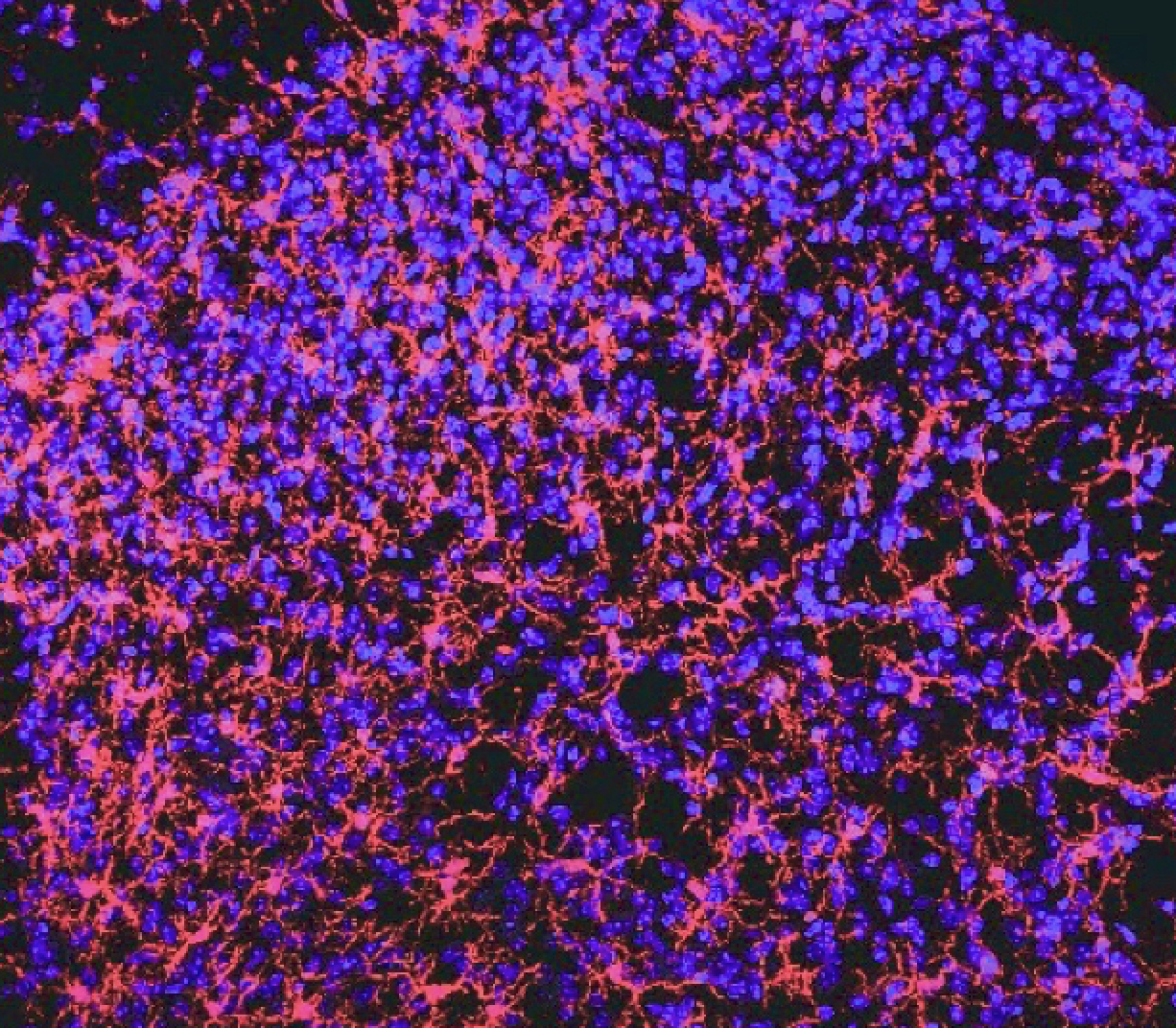
Calcium Channels Regulate Neuroinflammation and Neuropathic Pain
Northwestern Medicine investigators have discovered that specific calcium channels help regulate sex differences in the functioning of immune cells for neuroinflammation and overall neuropathic pain.
-

Shortage of Mental Health Professionals Linked to Increase in Youth Suicides
Shortages of mental health professionals across U.S. counties were associated with an increase in youth suicides, according to a Northwestern Medicine study.
-
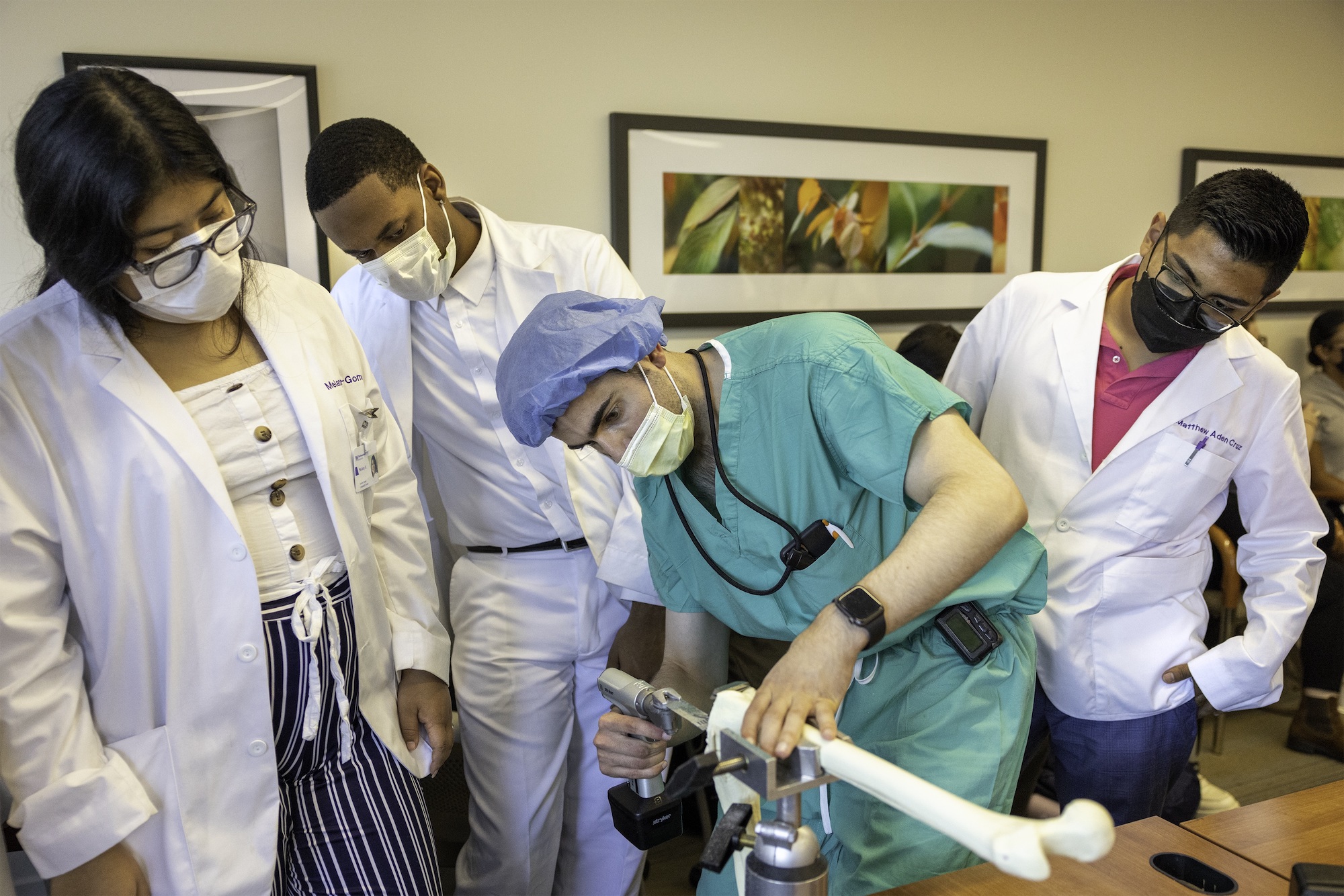
Northwestern Medicine Scholars Program Inspires a New Generation of Physicians and Scientists
The Northwestern Medicine Scholars program helps local high school students learn about potential careers in medicine as physicians and scientists through participating in hands-on training sessions, educational seminars and networking opportunities.
-
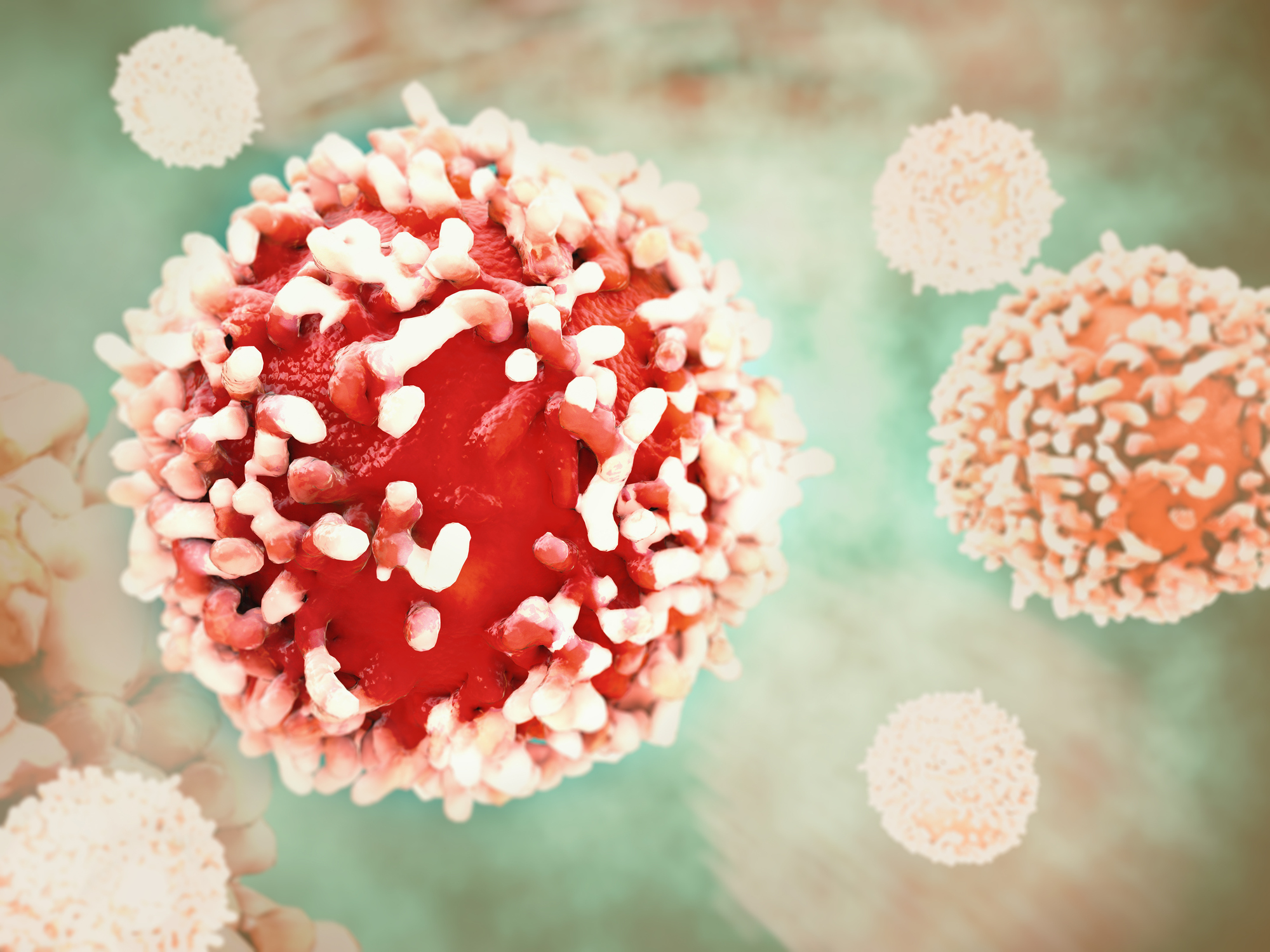
Novel Therapeutic Targets Discovered for Triple-Negative Breast Cancer
Targeting cellular post-transcription mechanisms in the CD73 ectoenzyme may promote anti-tumor immunity and slow cancer progression in triple-negative breast cancer, according to a recent Northwestern Medicine study.
-
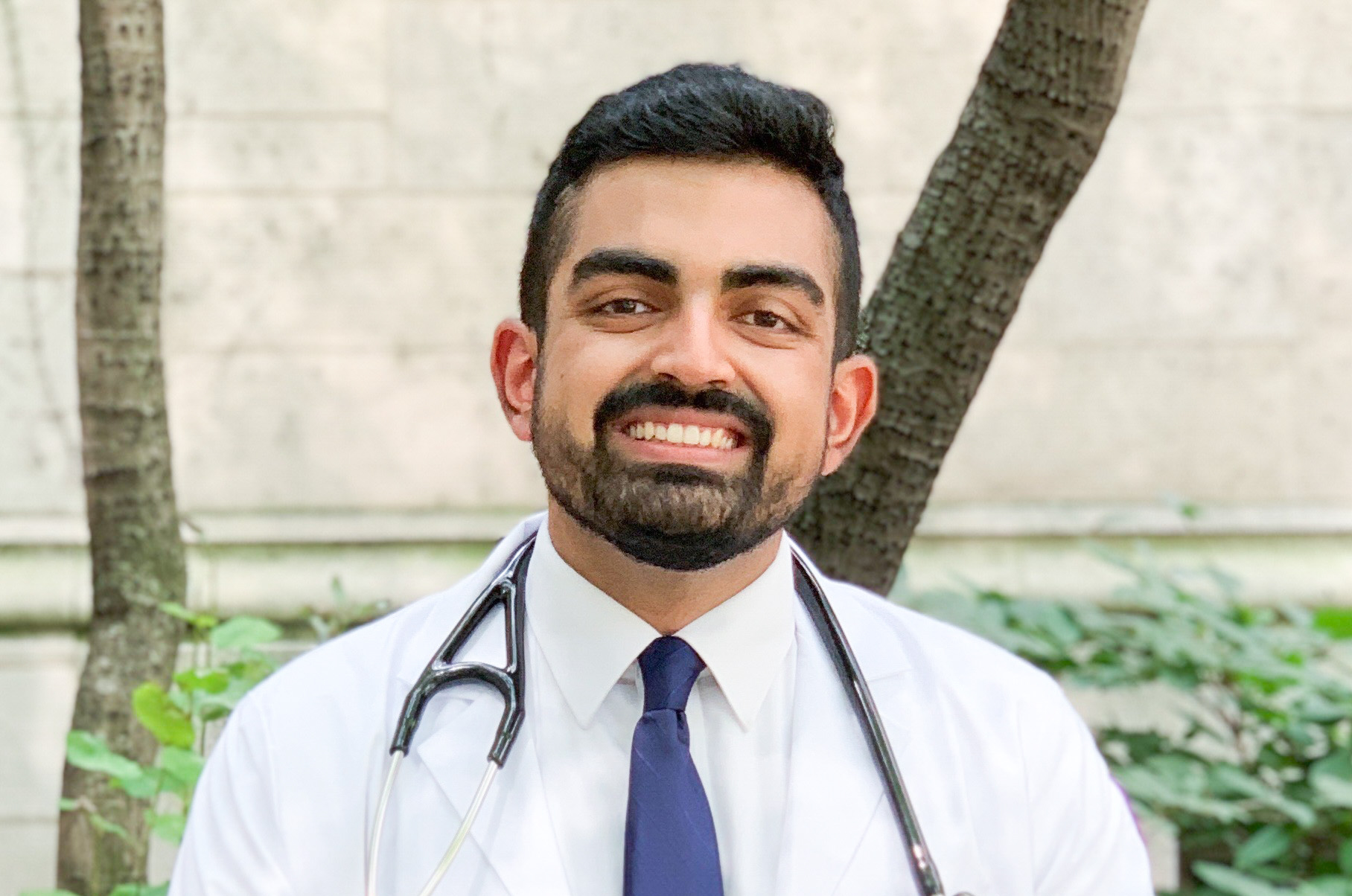
Second-year Medical Student Awarded National Scholarship
Shiv Patel, a second-year medical student, was recently selected as a recipient of the Tylenol Future Care Scholarship, which recognizes 35 outstanding students nationwide pursuing healthcare degrees with scholarships totaling $250,000.