Author: mrr5831
-
Novel Biomarkers May Help Improve Cardiovascular Disease Risk Prediction
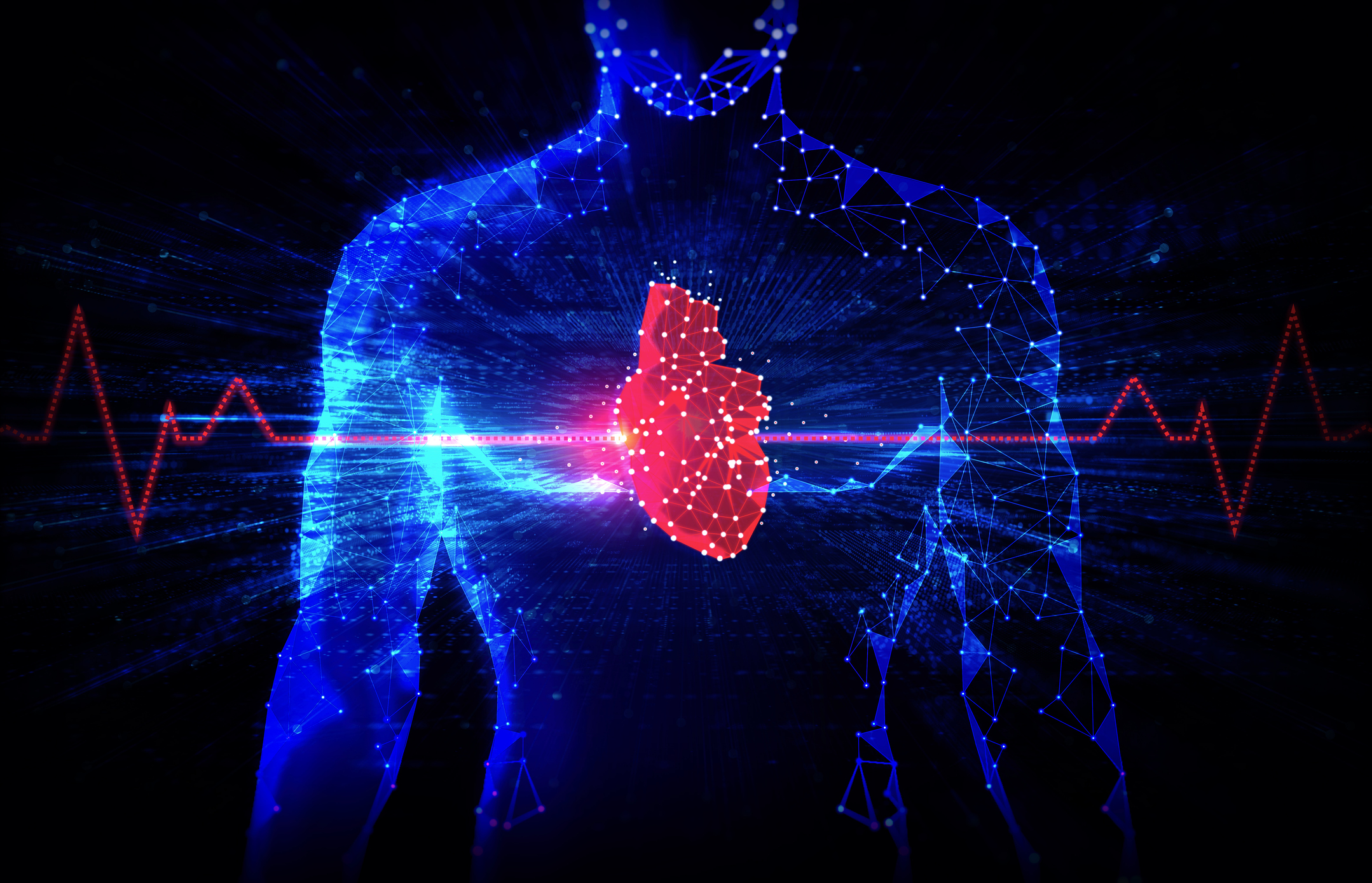
Scientists have discovered more than 100 new epigenetic biomarkers that may help predict cardiovascular disease risk and inform preventive care measures to improve long-term outcomes, according to a recent study published in Circulation.
-

Molecular Mechanisms Support Long-term Immunity
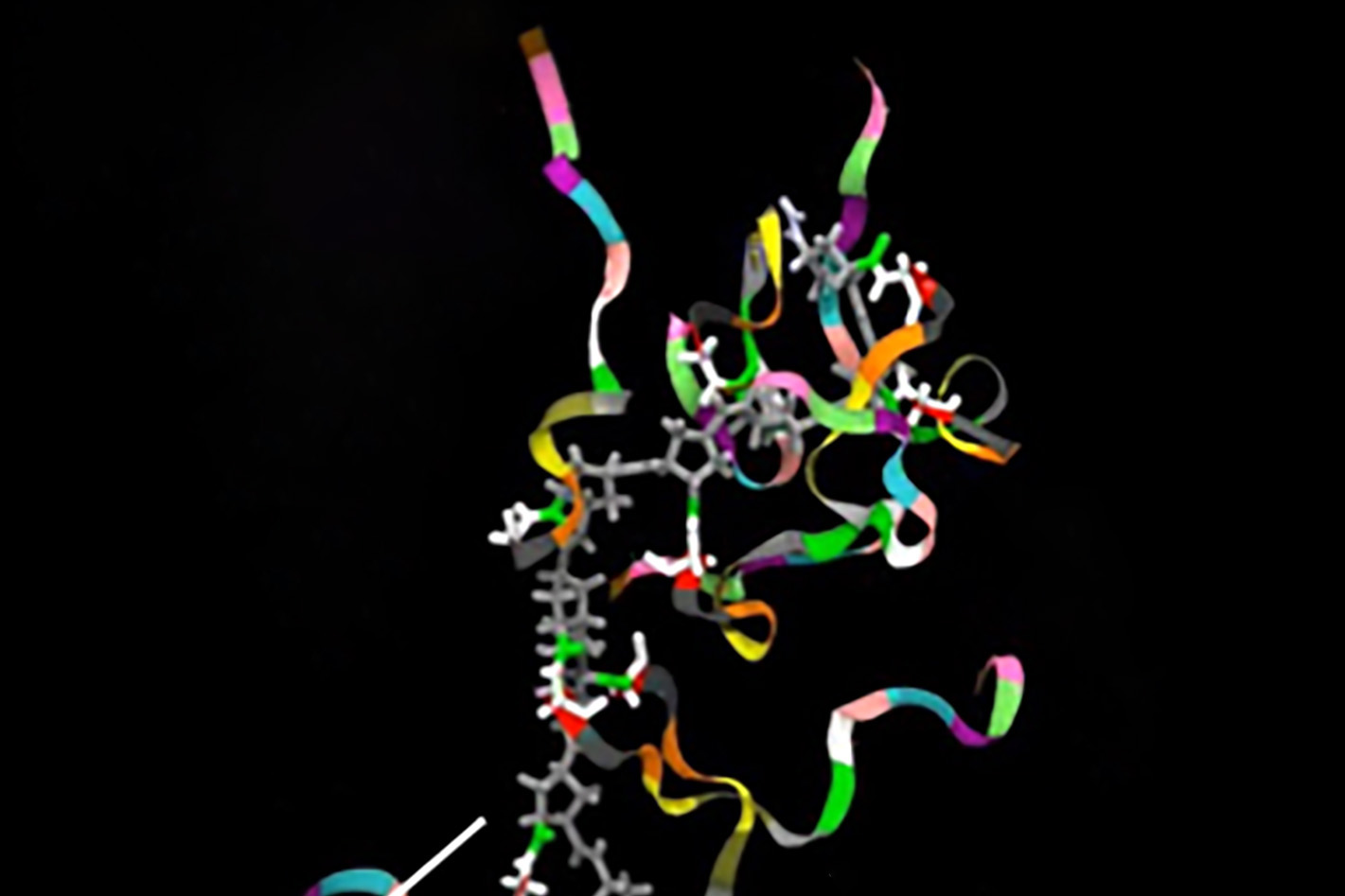
Scientists in the laboratory of Weiguo Cui, PhD, have identified novel molecular mechanisms that help specialized T-cells maintain long-term immunity in response to chronic infection and cancer, according to recent findings published in Nature Immunology.
-
Study Explores Diet’s Significant Role in Global Obesity
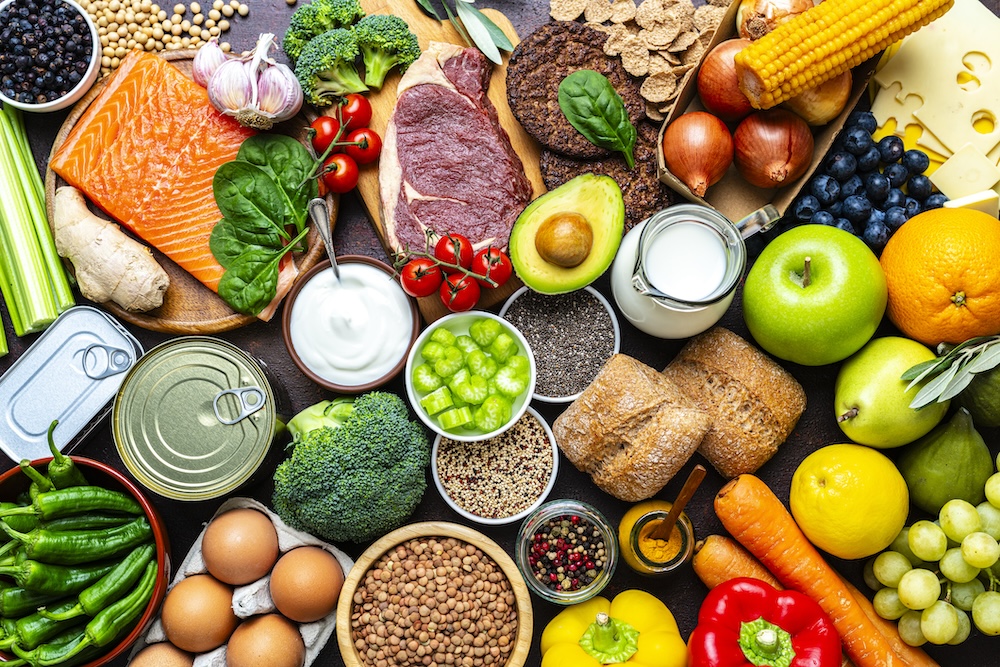
An international multi-center study revealed how diet plays a greater role in the prevalence of obesity globally than was previously understood, according to findings published in the Proceedings of the National Academy of Sciences.
-
Rogers Wins Royal Society’s Bakerian Medal
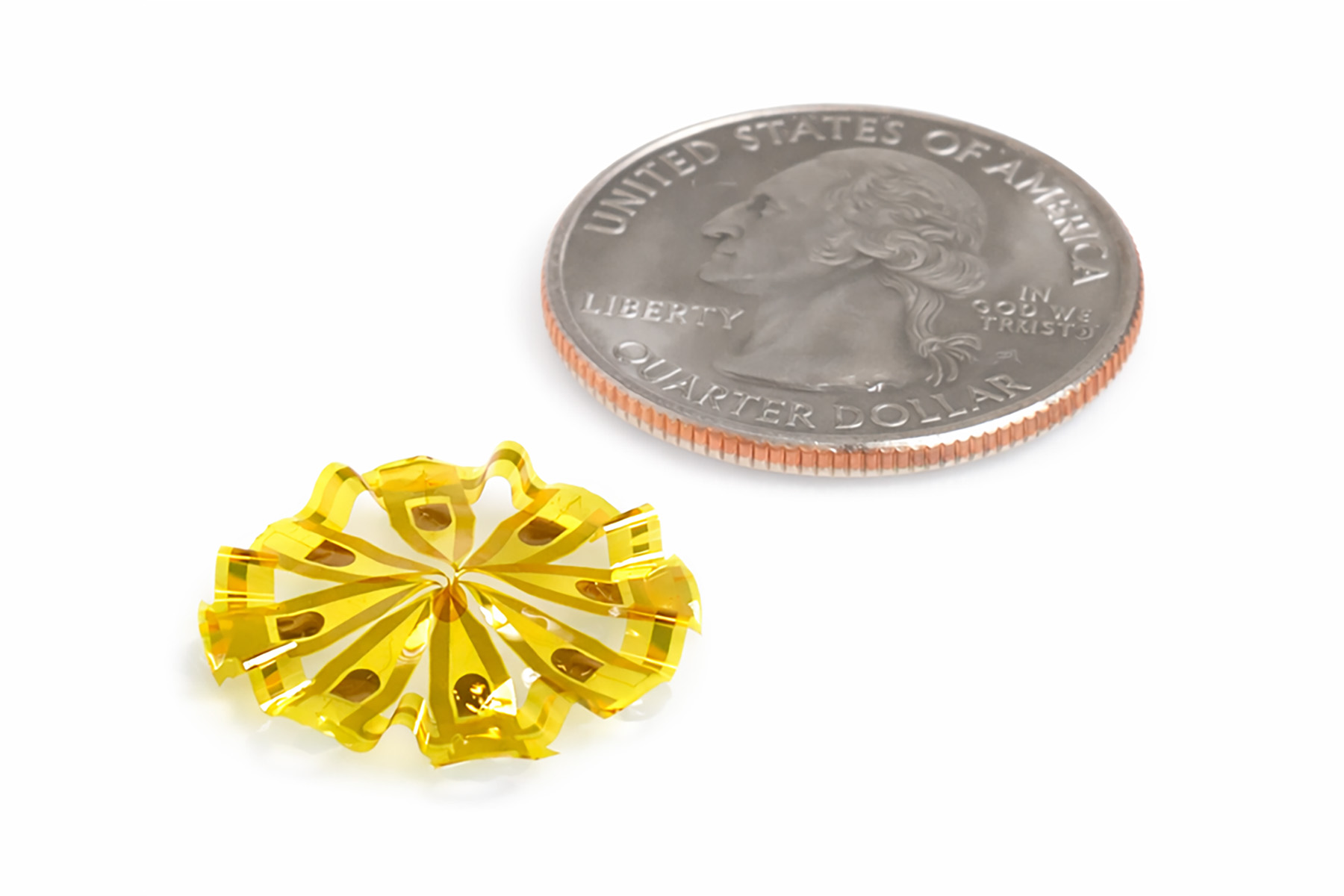
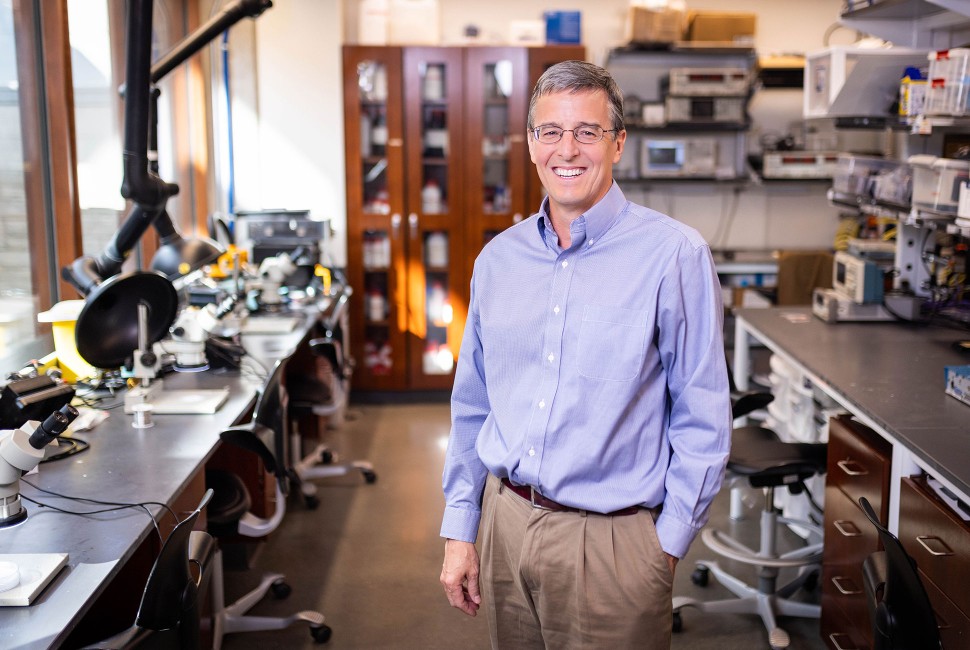
John A. Rogers, PhD, has won the Royal Society’s Bakerian Medal and Lecture, one of the Premier Awards given by the Royal Society of the United Kingdom.
-
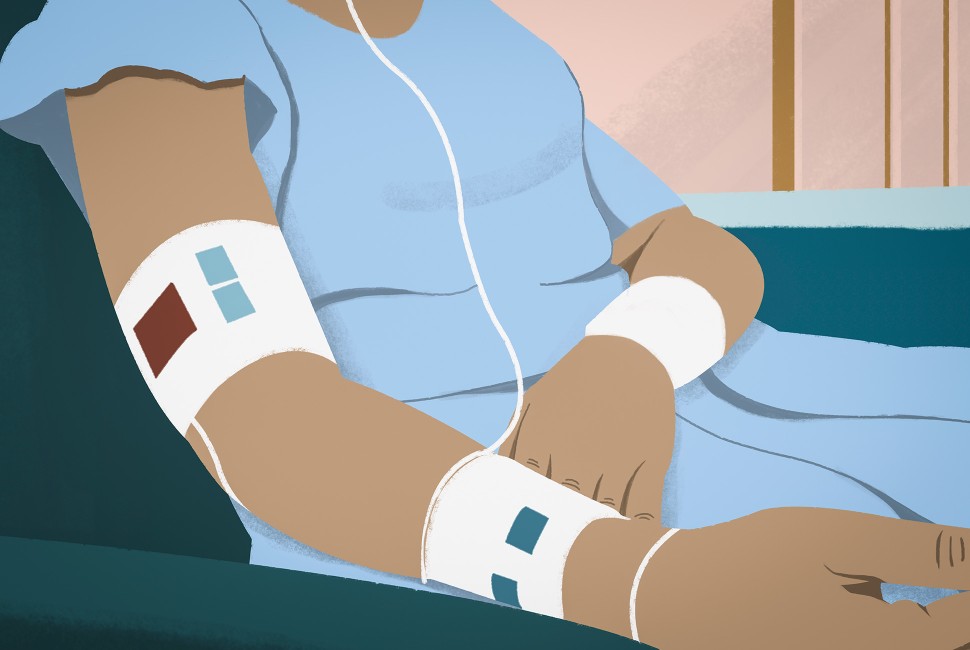
New Strategy Doubles Chemo Effectiveness in Treatment-Resistant Cancer
Northwestern scientists have discovered that the organization of a cell’s genetic material dictates cancer’s ability to adapt, according to a recent study published in the Proceedings of the National Academy of Sciences.
-

Revealing Hidden Drivers of Asthma Flare-Ups in Children
A multicenter clinical trial has uncovered inflammatory pathways that contribute to asthma flare-ups in children that occur despite treatment, according to findings published in JAMA Pediatrics.
-

New Wireless Sweat Patch May Improve Cystic Fibrosis Treatment
A new wireless and wearable device developed by Northwestern Medicine scientists measures specific biomarkers in a person’s sweat and has the potential to improve clinical decision-making for cystic fibrosis, as detailed in a recent study published in the Proceedings of the National Academy of Sciences.
-
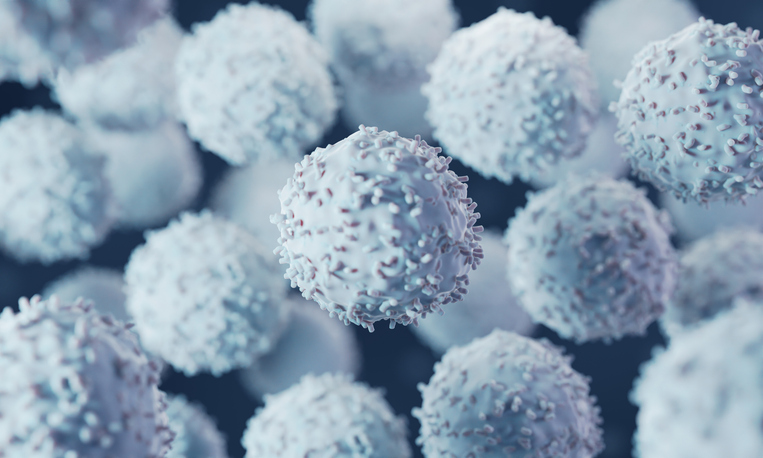
Targeting Immune Cells to Improve Long-Term Survival in Organ Transplantation
Northwestern Medicine scientists have discovered how a subset of immune cells are essential for successful organ transplantation acceptance, according to a recent study published in The Journal of Clinical Investigation.
-

First-Year Medical Students Welcome New Academic Year at Founders’ Day 2025
At Fourth Presbyterian Church in Chicago, first-year medical students donned their white coats for the first time and welcomed the official start of the academic year at Founders’ Day on August 8.
-
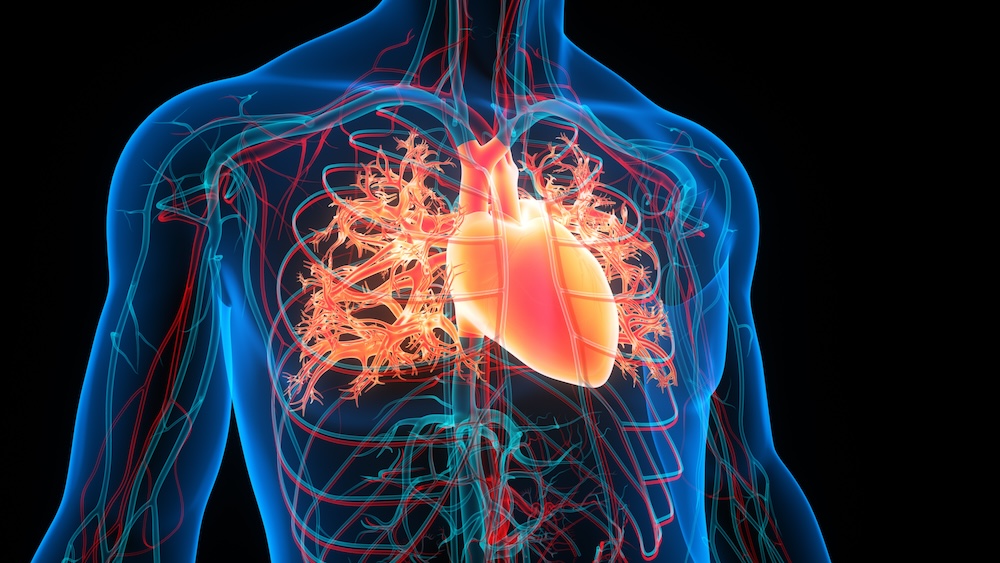
Most U.S. Adults Have Hearts Older than Their Actual Age
Northwestern scientists have created a free online tool that calculates a person’s “heart age” based on their risk for cardiovascular disease using routine health data, according to a study published in JAMA Cardiology.