Author: kwm107
-

Photos from Feinberg Commencement 2026
View photo highlights from Feinberg’s celebration of the Class of 2026 during spring commencement ceremonies recognizing graduates from its medical, health professions and graduate education programs.
-
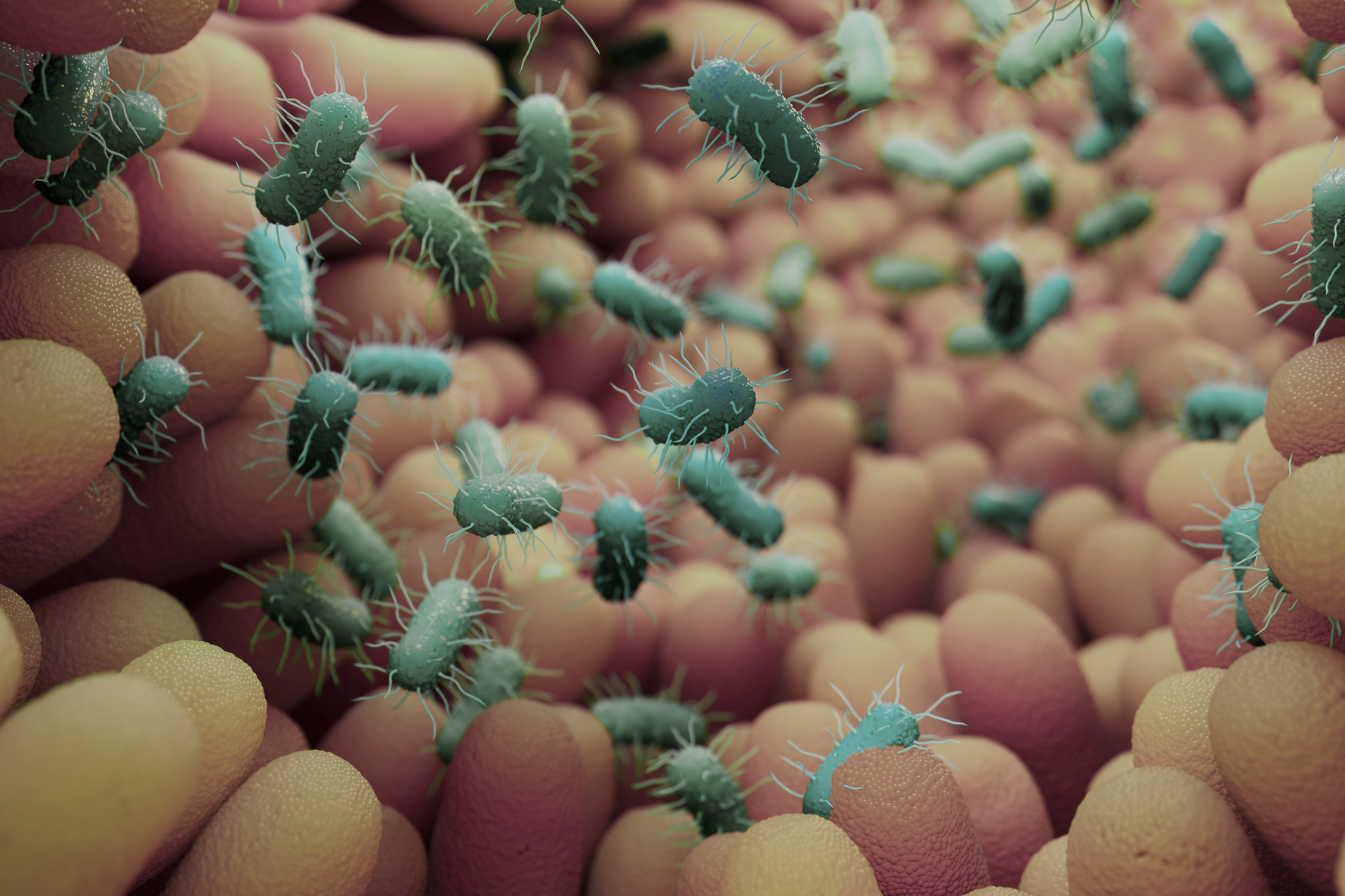
Gut Bacteria Leave Intestinal ‘Memory,’ Protecting Against Inflammation
New Northwestern Medicine research published in Nature Communications suggests that a metabolite produced by gut bacteria when they digest dietary fiber can leave a lasting molecular imprint on intestinal cells, promoting immune tolerance and protecting against inflammatory bowel disease-like conditions long after exposure ends.
-

AI-Guided Study Uncovers Drug Targets for Psoriasis
A new study from Northwestern Medicine investigators, in collaboration with Biohub, a program of the Chan Zuckerberg Initiative, has identified potential drug targets for treating psoriasis, according to the study published in Nature Communications.
-
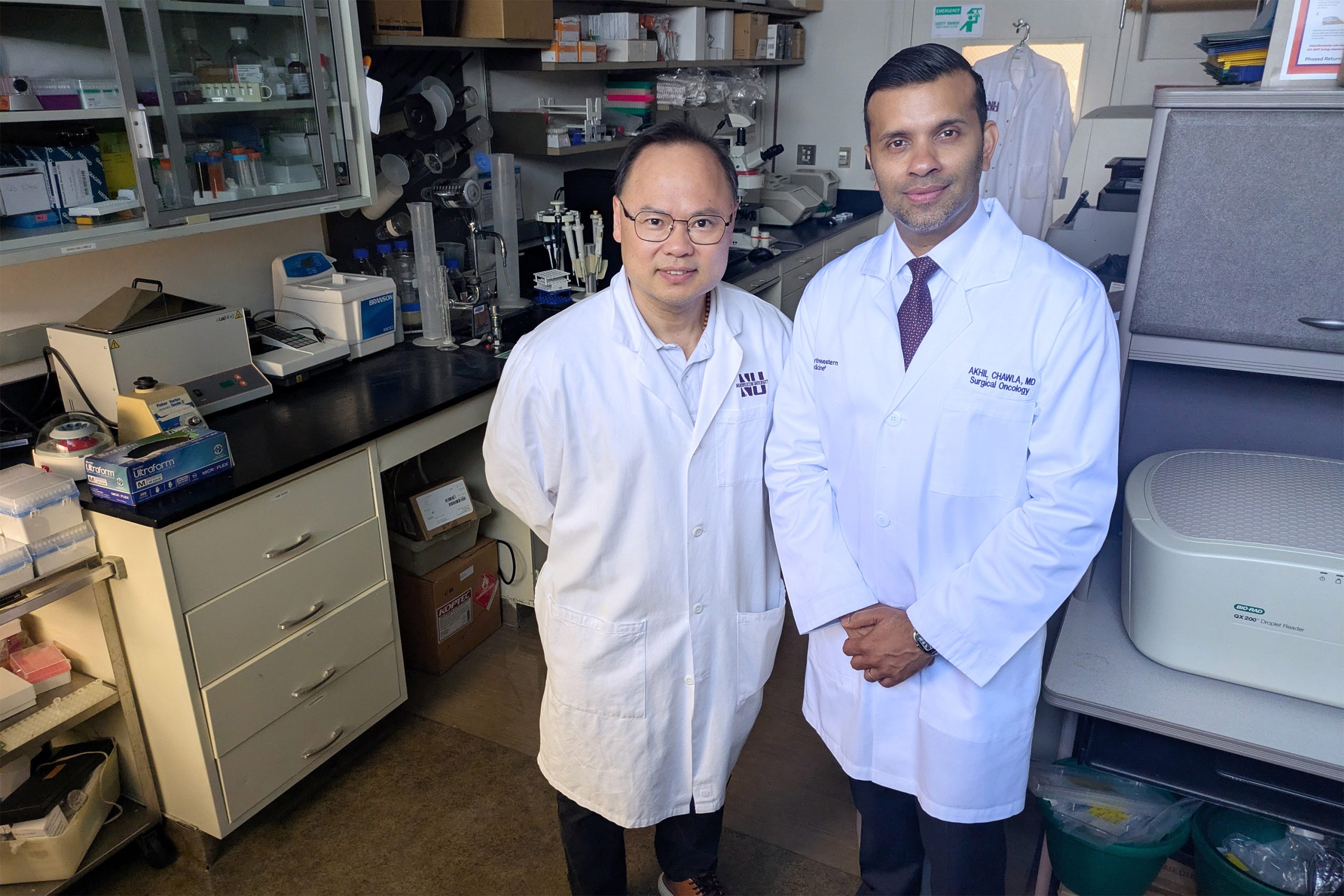
Blood Test Spots Hidden Pancreatic Cancer After Treatment
A highly sensitive blood test can detect traces of pancreatic cancer missed by standard testing, potentially helping physicians identify patients whose disease is more likely to return even when scans appear reassuring.
-
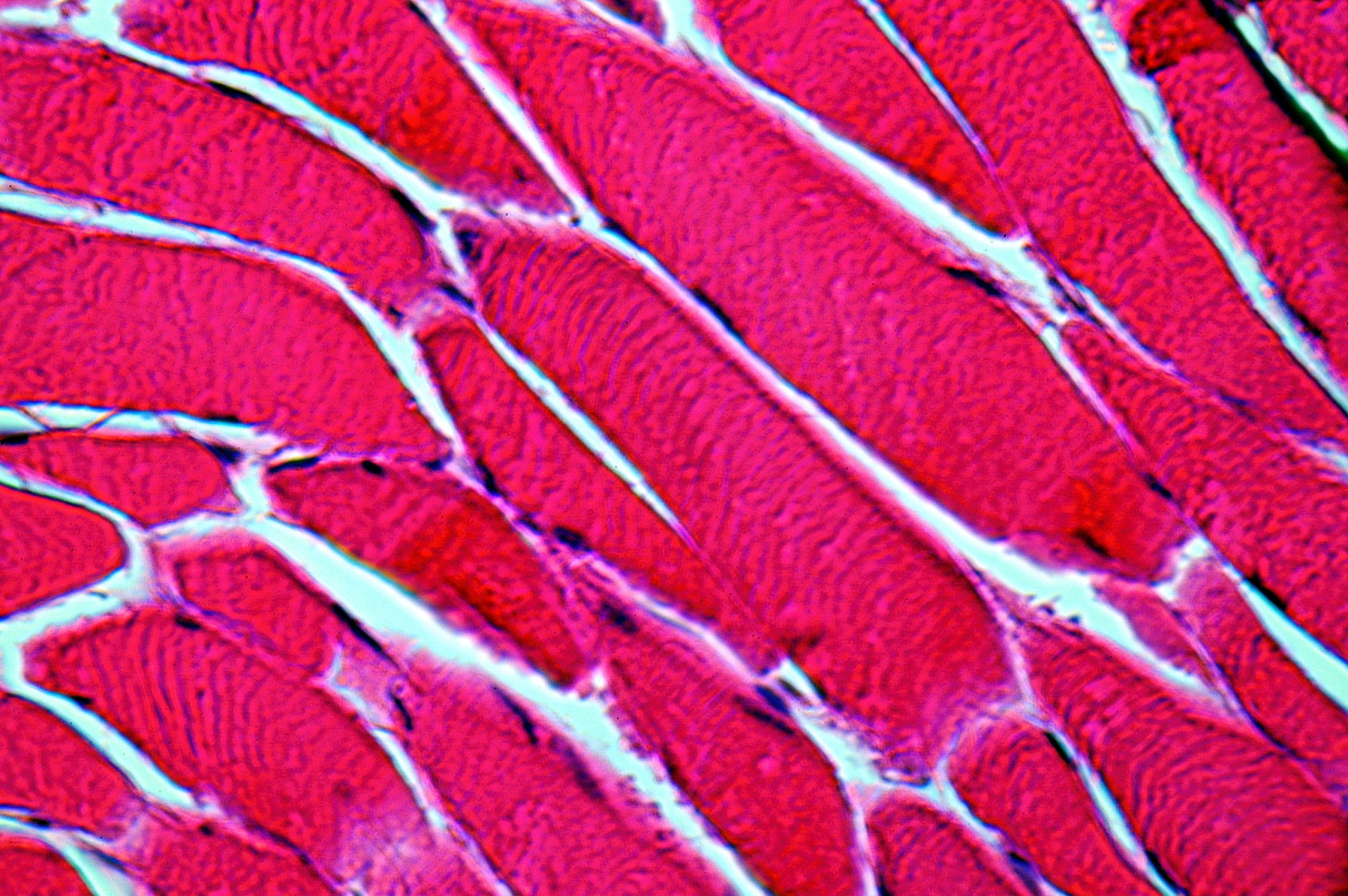
‘Leaky’ Muscle Fibers Drive Immune Response in Muscular Dystrophy
A Northwestern Medicine study has uncovered how chronic defects in muscle membrane repair can fuel harmful inflammation, according to the study published in JCI Insight.
-

Treating a Rare Form of Obesity Caused by Brain Injury
A rare condition that causes rapid, uncontrollable weight gain can now be treated, according to a recent phase 3 clinical trial published in The New England Journal of Medicine.
-
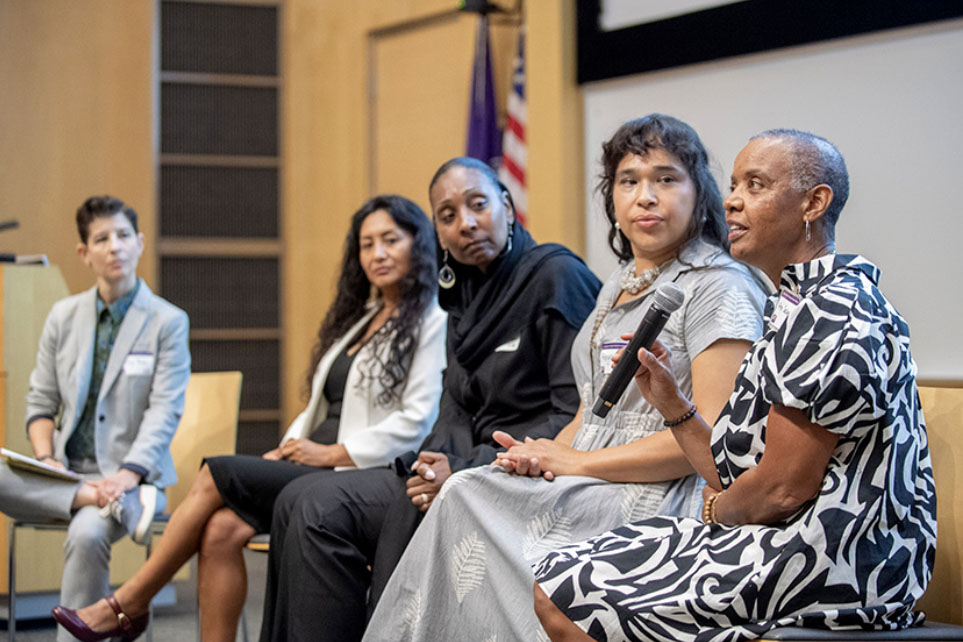
Center for Community Health Hosts 2026 Community-Engaged Research Conference
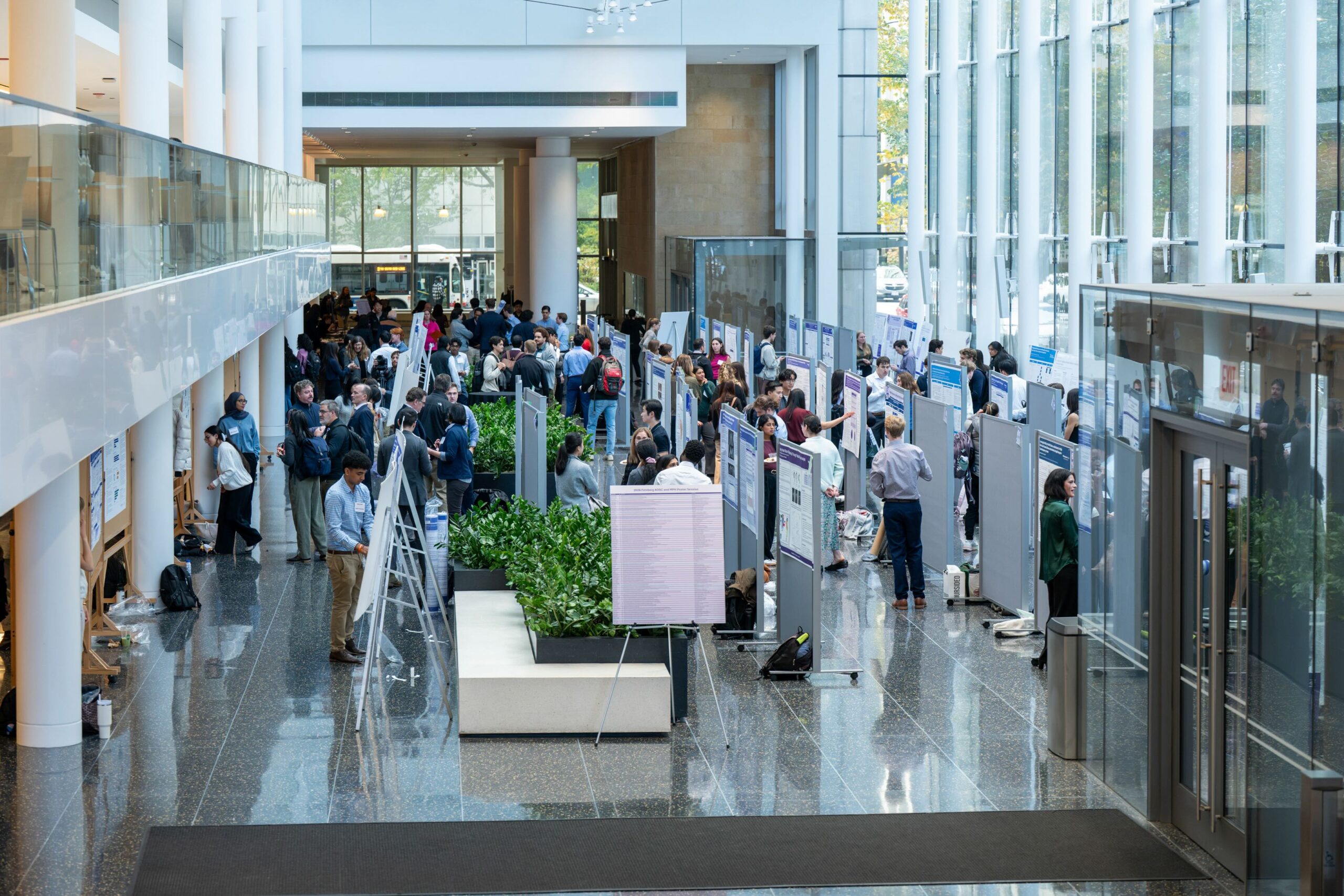
The 2026 Community-Engaged Research Conference drew scores of community leaders and their academic partners for a day-long exchange of stories and ideas cultivated in the pursuit of improving the health of all Chicagoans.
-
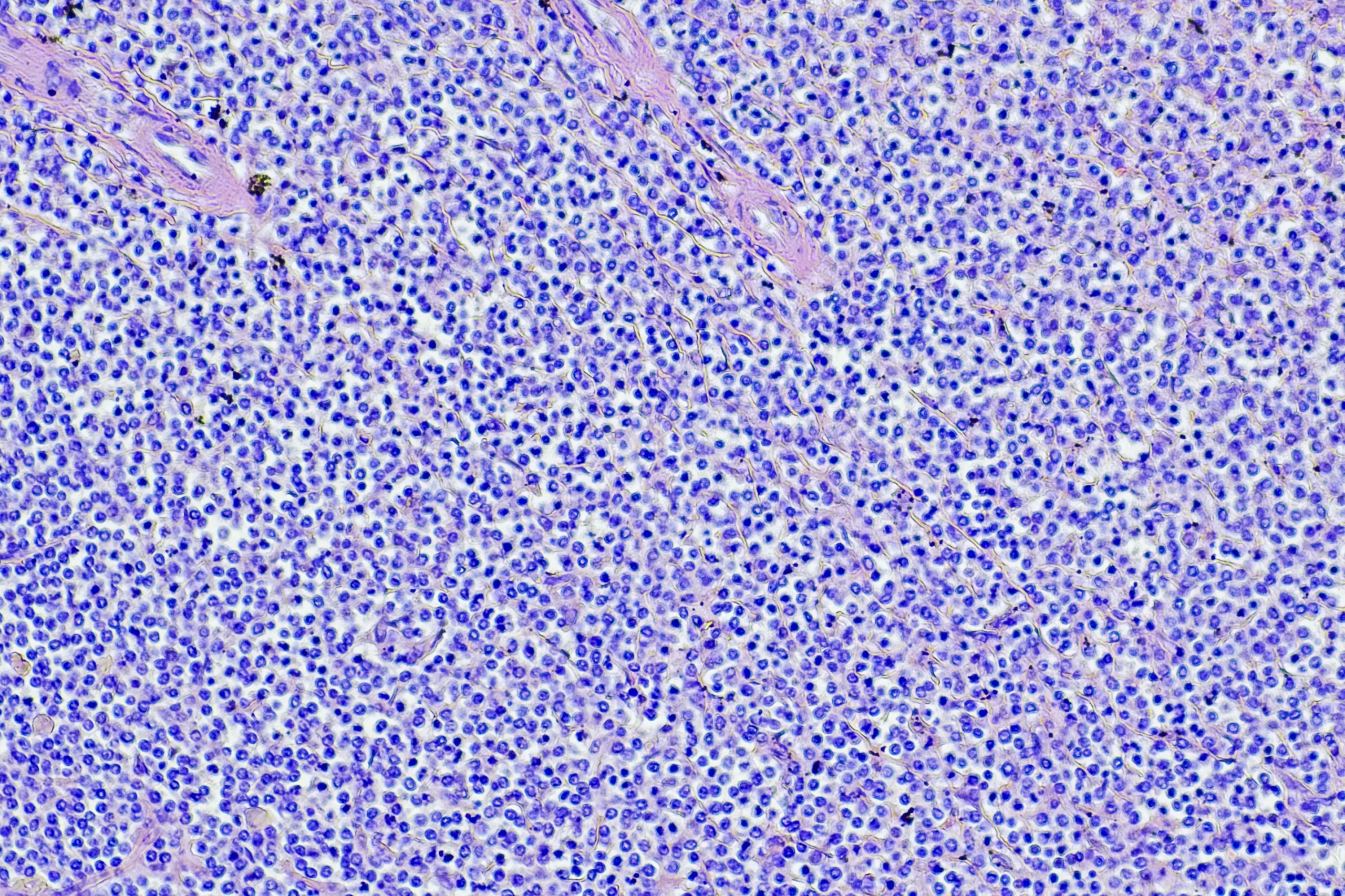
Immunotherapy Shows Long-Term Promise in Aggressive Lymphoma
A leading-edge immunotherapy may extend survival for patients with one of the most aggressive forms of blood cancer, according to newly published five-year results from a major clinical trial in the journal Blood.
-
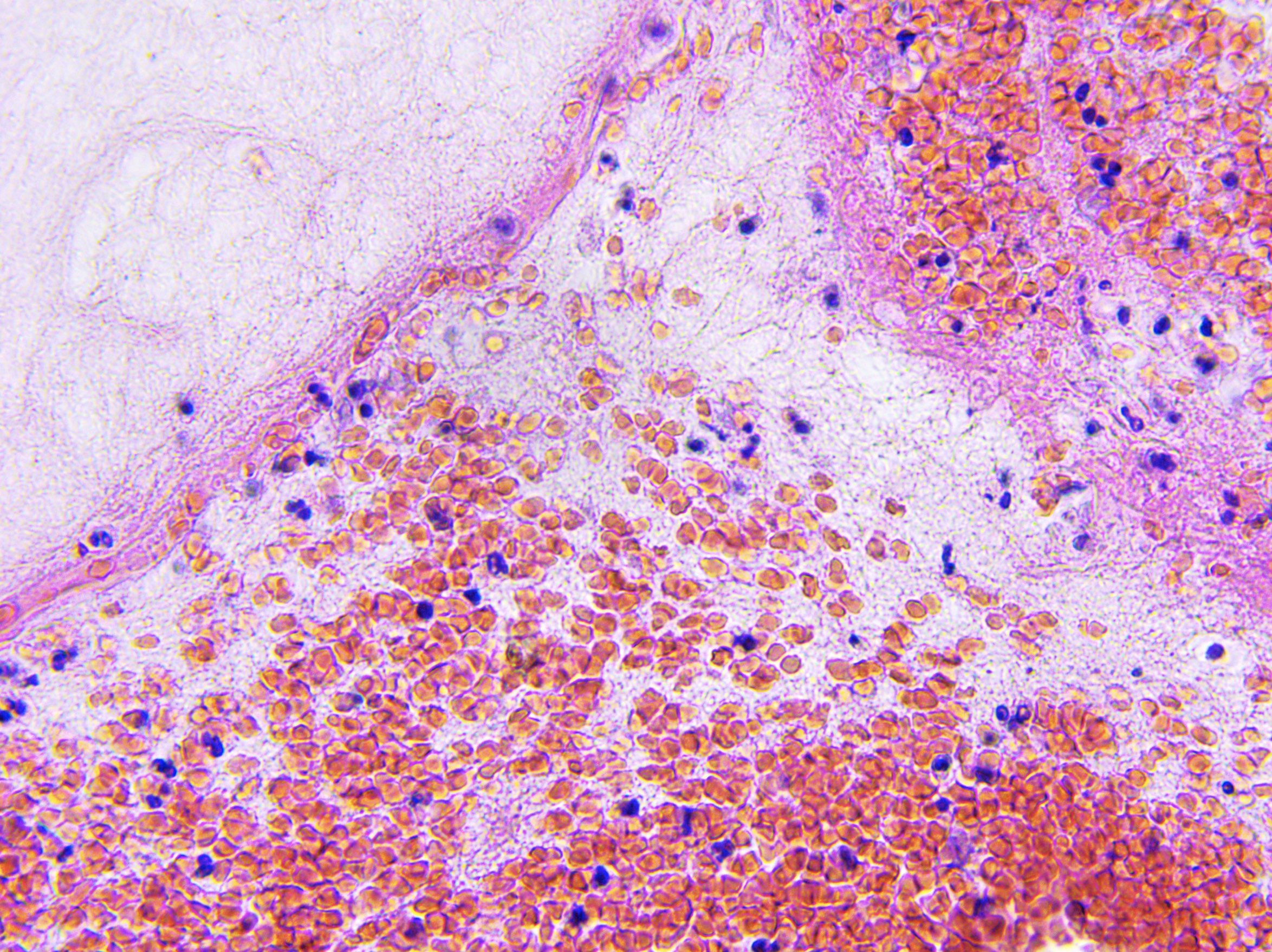
Signaling Pathway May Help Predict Immunotherapy Response in Glioblastoma
Northwestern Medicine scientists have uncovered a biological mechanism that helps explain why most patients with glioblastoma fail to respond to immunotherapy, according to a study published in Nature Communications.
-
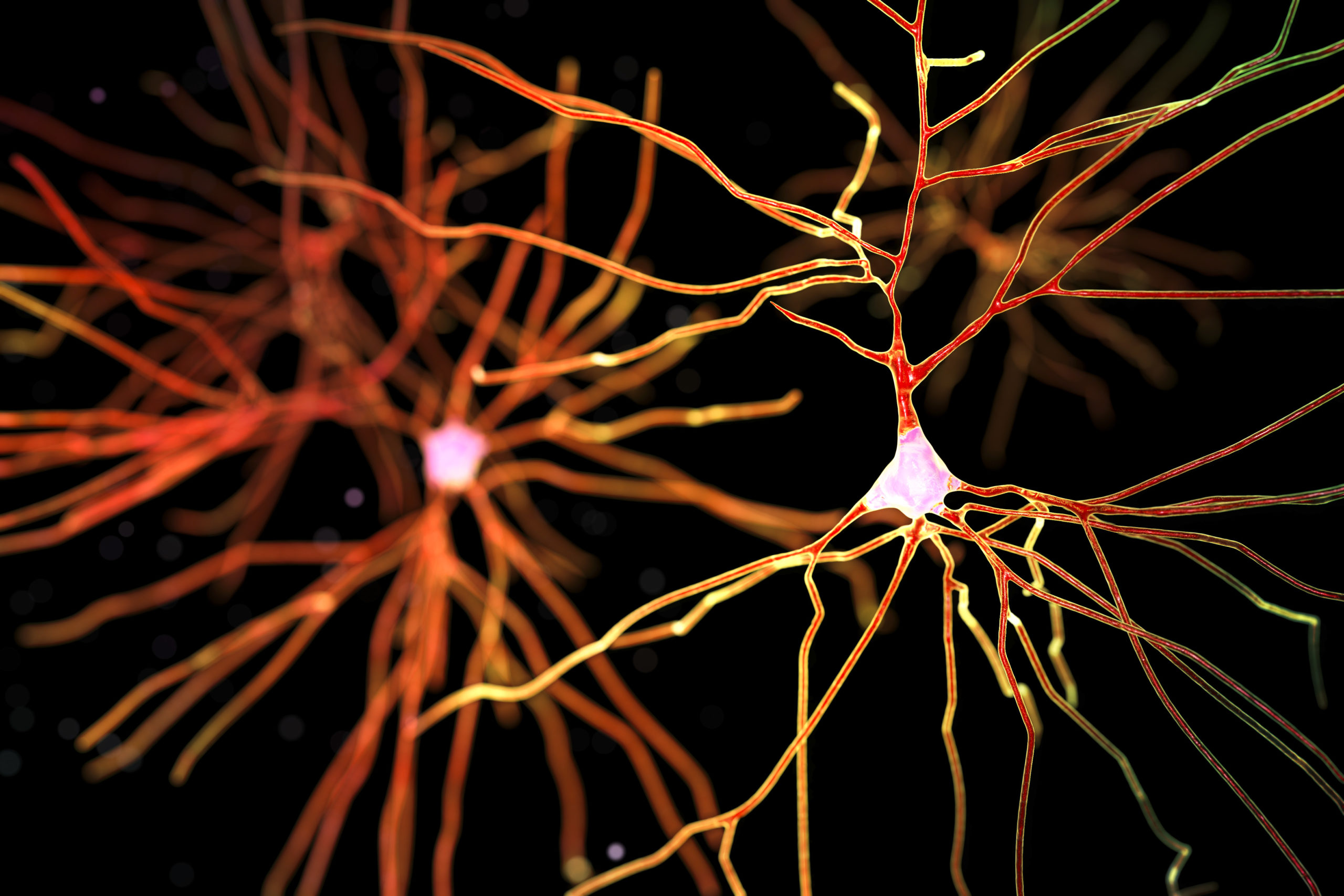
New Analytic Method Reveals ‘Building Blocks’ of Brain Activity
A new Northwestern Medicine study has introduced a novel machine learning method for understanding how the brain organizes complex behaviors, offering fresh evidence that neural activity is built from reusable “building blocks,” according to the study published in Neuron.