Author: kwm107
-

NUCATS and NICO Symposium Sparks Interdisciplinary Collaboration
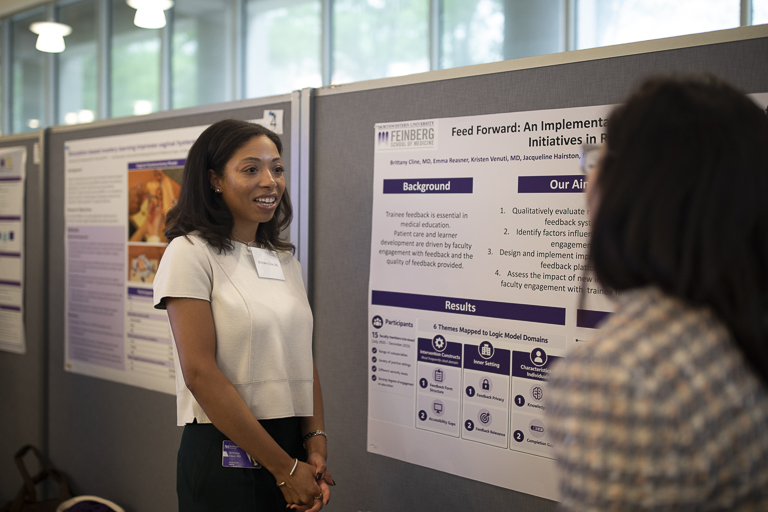
Recently, the Symposium to Empower High-Priority Research Collaborations, organized by the Northwestern University Clinical and Translational Sciences Institute and the Northwestern Institute on Complex Systems, focused on addressing critical challenges in human health and disease through team-based approaches.
-

Asthma Drug Improves Treatment of Aggressive Cancers in Preclinical Studies
A drug widely used to treat asthma and allergies may also help fight aggressive cancers, reports a new Northwestern Medicine study that uncovered how tumors hijack common white blood cells to evade immunotherapy.
-

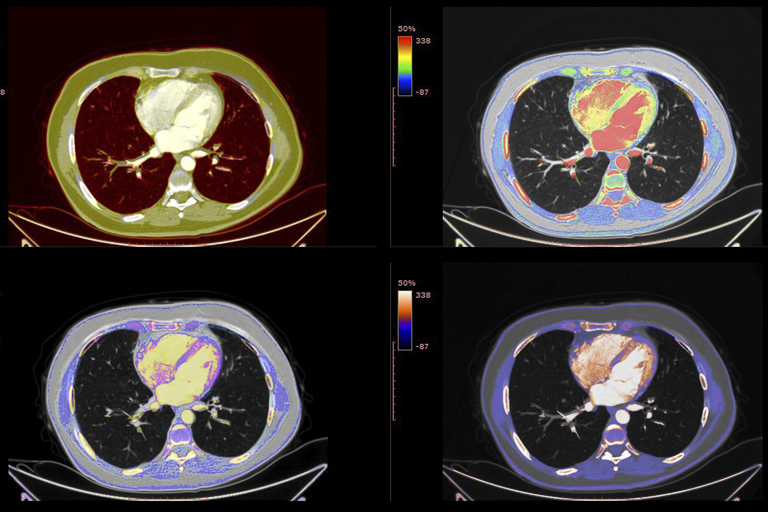
Wearable Polygraph Detects Hidden Stress
Northwestern University engineers have developed a small, wireless polygraph system you can wear, designed to sense underlying stress hidden deep within the body.
-

Policing Plagiarism of Ideas in Generative AI-Assisted Research Writing
A new publication argues that AI-assisted plagiarism in manuscript writing harms the research environment by eroding trust among scientists, misrepresenting the origin and authenticity of scholarly work, and discouraging innovation and original inquiry.
-
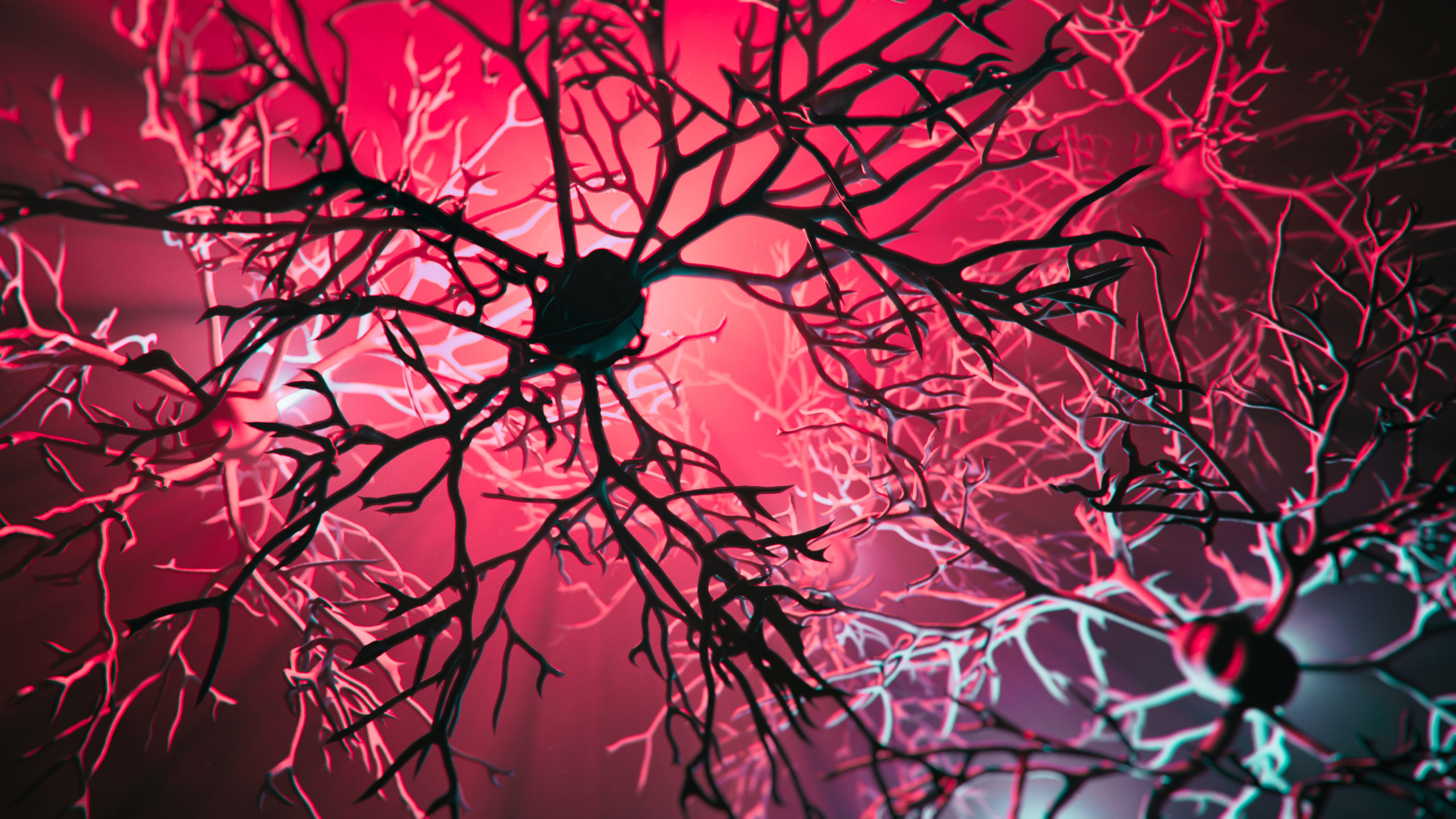
ALS is Driven by a Domino‑Like Chain Reaction That Begins in Nerve Cells
A new Northwestern Medicine study provides evidence that ALS unfolds through a domino‑like sequence of events that begins with an early breakdown inside motor neurons and is followed by a damaging inflammatory response.
-
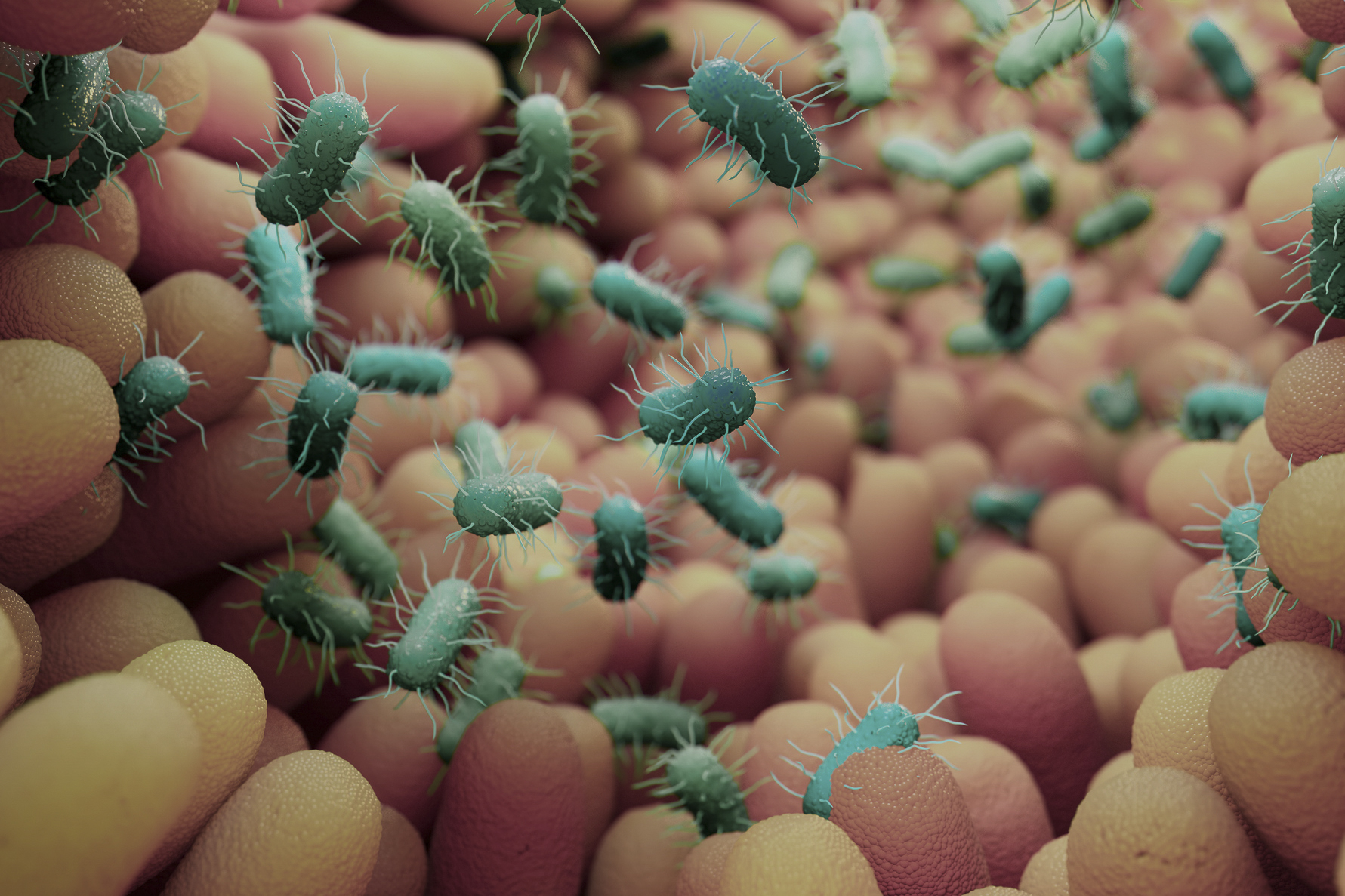
Metformin Slows Mitochondrial Energy Production, Promotes Glycemic Control
A new Northwestern Medicine study has found that metformin, a commonly prescribed diabetes drug, focuses primarily on the gut, acting to prevent glucose levels rising in the blood by driving glucose utilization inside cells lining the intestine.
-
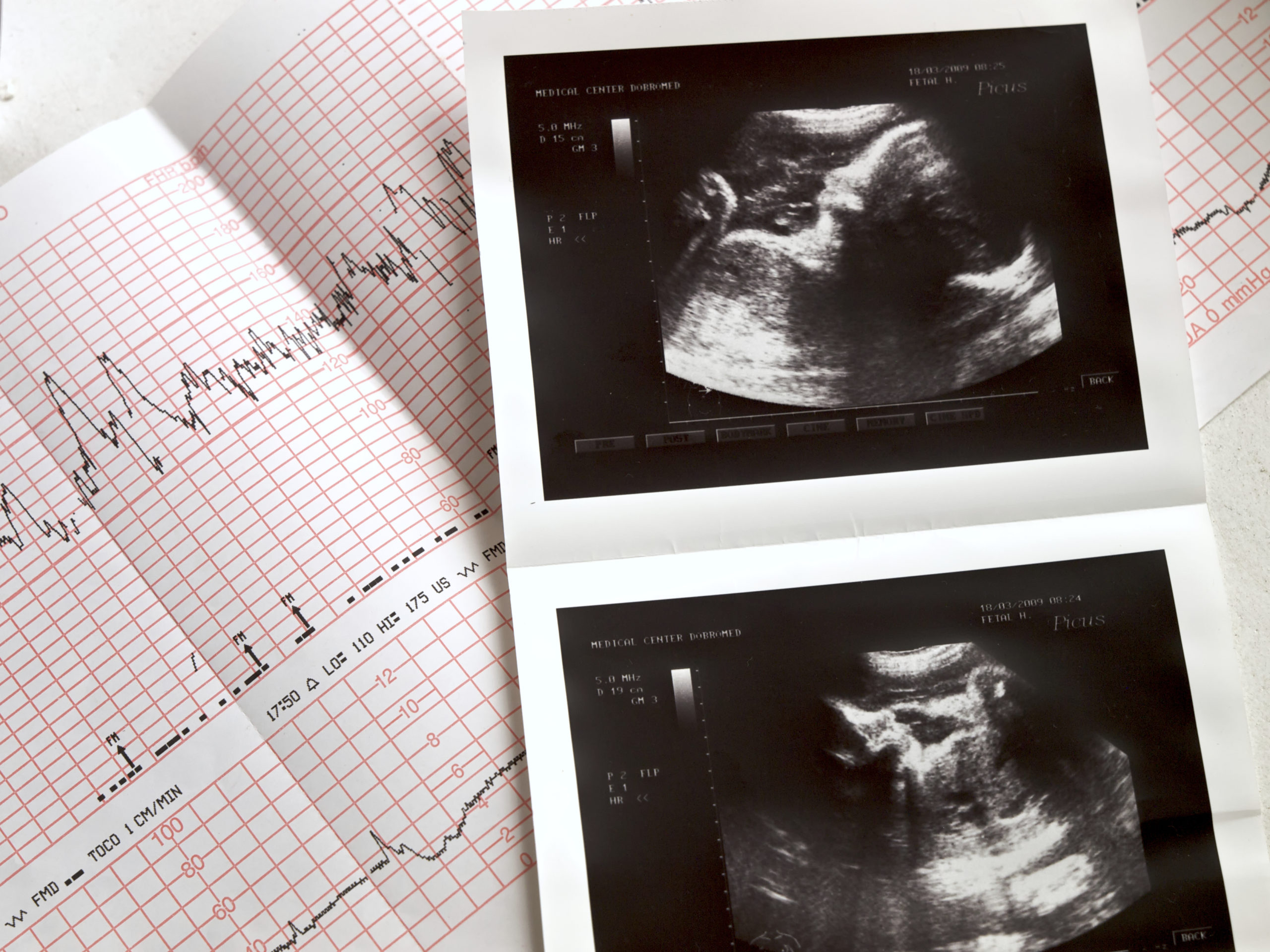
Treatment of Rare Childhood Epilepsy Could Begin Before Birth
A new Northwestern study suggests that interventions for epilepsy can start during pregnancy, as early as 15 weeks gestation, well before symptoms appear, according to a study published in Nature Communications.
-

NUCATS Announces New K12 Scholars
The Northwestern University Clinical and Translational Sciences Institute has announced Keith Summa, MD, PhD, Timothy Janetos, MD, and Vidhi Dalal, MD, as its newest K12 scholars.
-
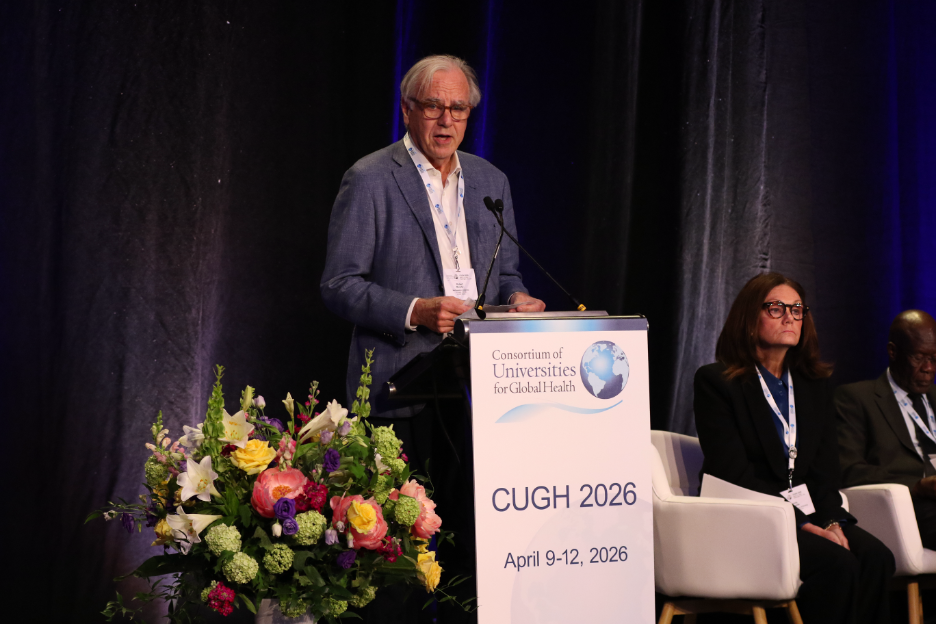
Murphy Honored as Distinguished Leader in Global Health
Robert Murphy, MD, executive director of the Robert J. Havey, MD Institute for Global Health, has been honored with the 2026 Consortium of Universities for Global Health (CUGH) Distinguished Leadership in Global Health Award.
-

New U.S. Estimates of Sepsis in Kids Point to Urgent Need to Reduce High Mortality Rates
New estimates of rates of sepsis during pediatric hospitalizations have been obtained by a multicenter team of investigators, using clinical data from electronic health records.