Author: kwm107
-

Renowned Pulmonologist and Accomplished Clinical Educator Named Inaugural Director of Center for Bedside Medicine
Brian Garibaldi, MD, MEHP, professor of Medicine and of Physiology at the Johns Hopkins University School of Medicine, has been named the Charles Horace Mayo Professor of Medicine and the inaugural director of the new Center for Bedside Medicine at Northwestern.
-

Analysis of K99/R00 Pipeline Illustrates Systematic Disadvantages
An analysis of NIH training grants has illustrated systematic disadvantages among the trainees who receive the awards.
-

Immune Genes Are Altered in Alzheimer’s Patients’ Blood
A new study has found the immune system in the blood of Alzheimer’s patients is epigenetically altered, and many of these altered genes are the same ones that increase an individual’s risk for Alzheimer’s.
-

Human Longevity Lab Will Study Methods to Slow or Reverse Aging
Northwestern Medicine has launched the Human Longevity Laboratory, a longitudinal, cross-sectional study that will investigate the relationship between chronological age and biological age and validate interventions that may reverse or slow down the processes of aging.
-
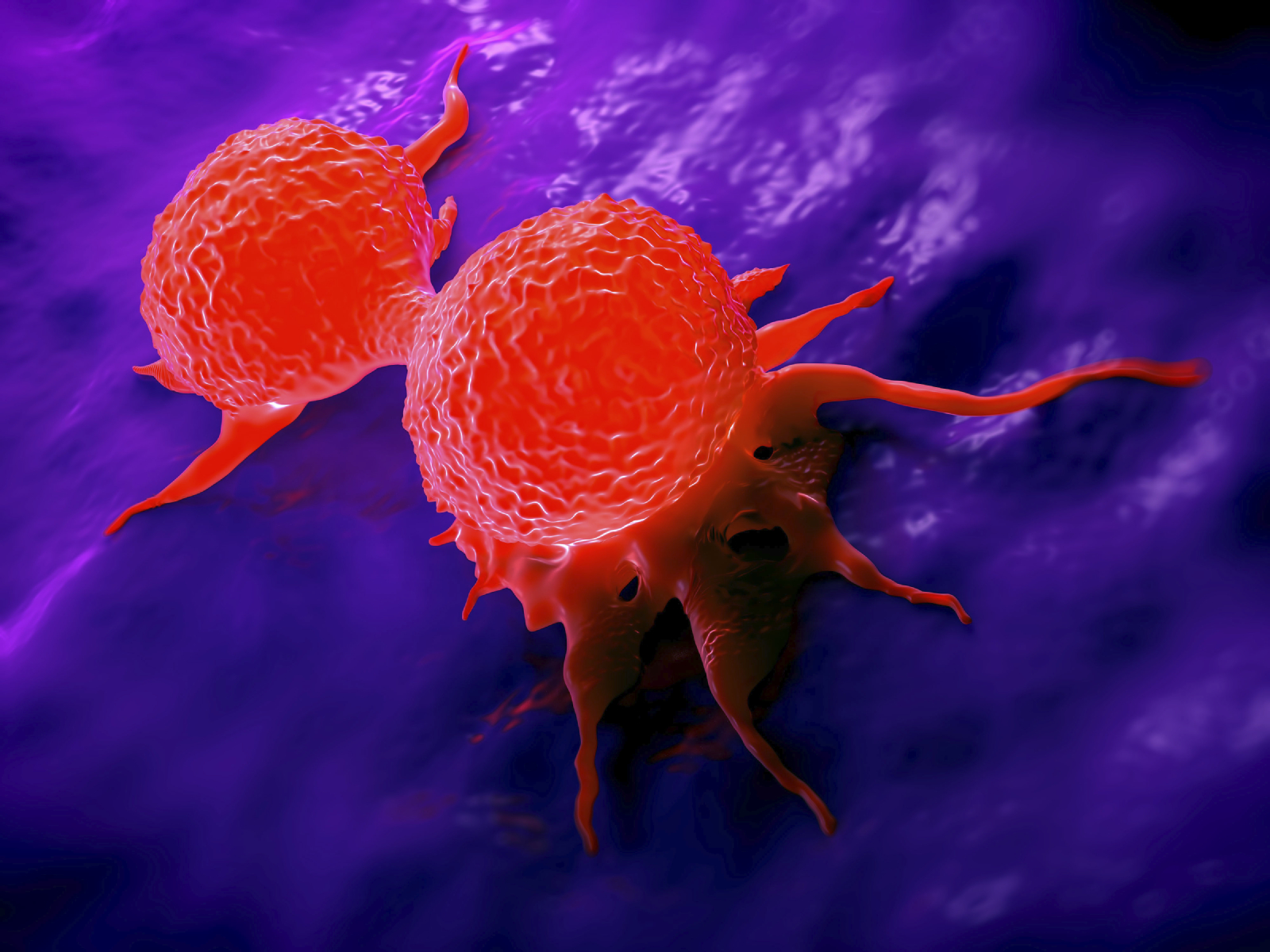
Using Cancer’s Strength to Fight Against It
In findings published in Nature, scientists may have found a way around the limitations of engineered T-cells by borrowing a few tricks from cancer itself.
-
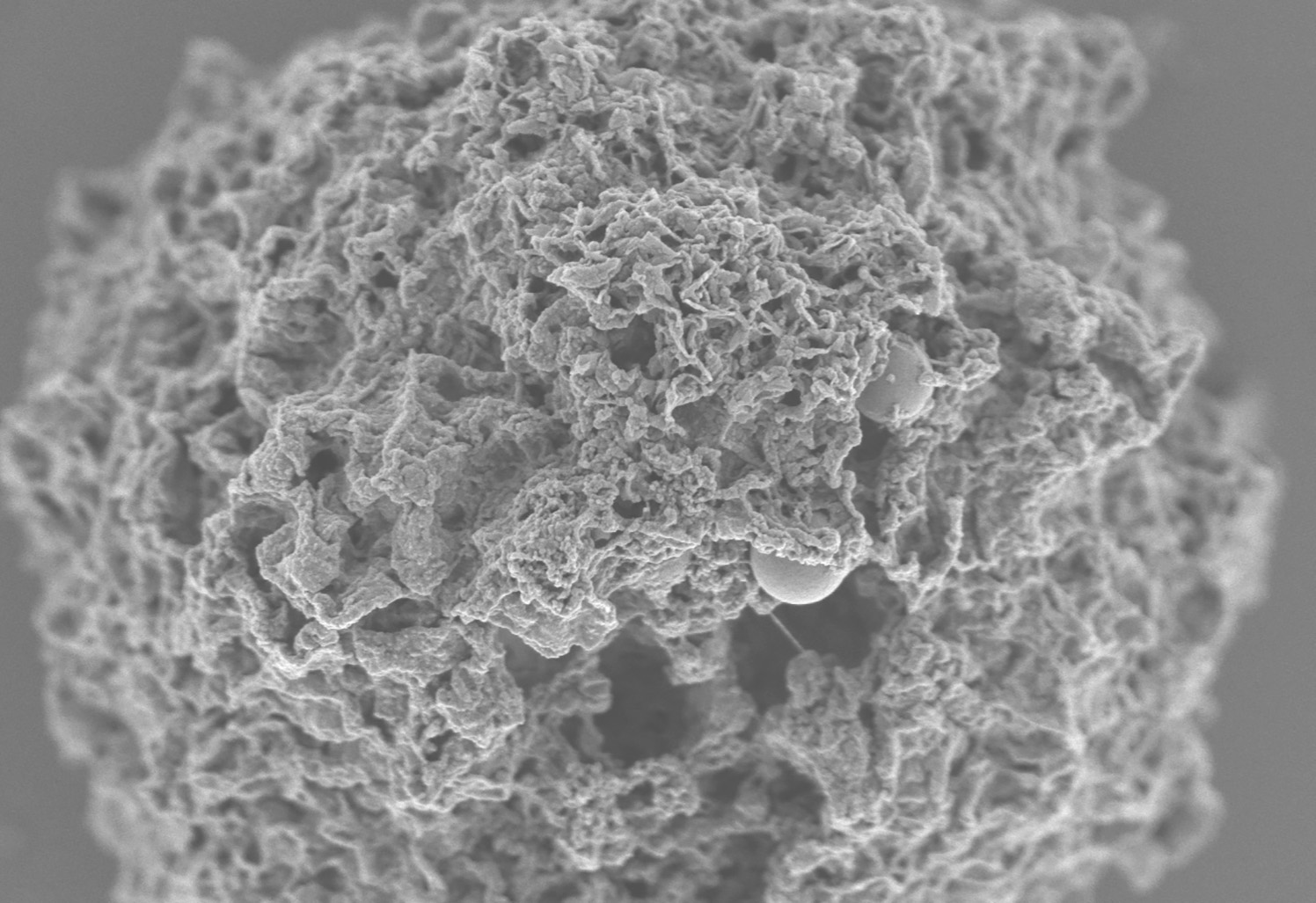
Decorated Nanoparticles Prevent Allergic Reactions
Northwestern University scientists have developed the first selective nanoparticle therapy to prevent allergic reactions, which can range in severity from itchy hives and watery eyes to trouble breathing and even death.
-
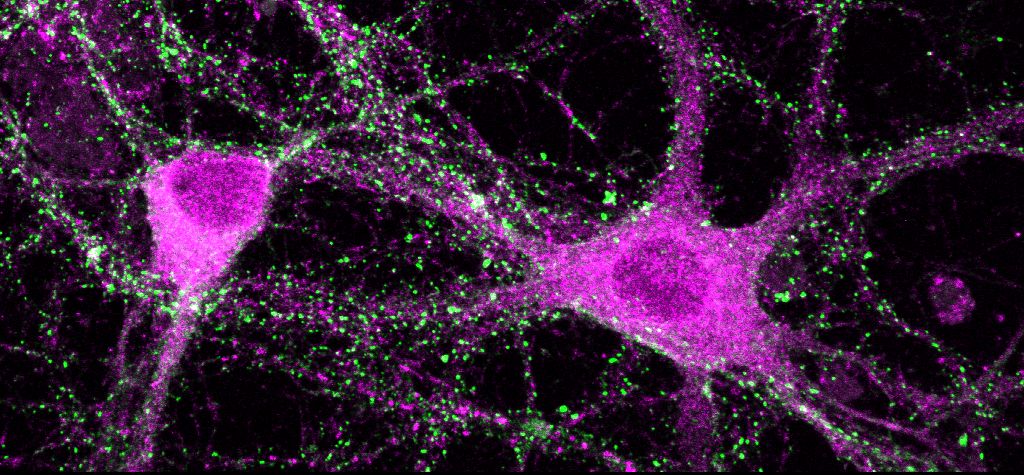
New Cause of Neuron Death in Alzheimer’s Discovered
A new Northwestern Medicine study has identified short strands of toxic RNAs that contribute to brain cell death and DNA damage in Alzheimer’s and aged brains.
-

Northwestern Medical Orchestra Sees Strong Growth, Unites Feinberg and Bienen
The Northwestern Medical Orchestra entered its seventh year with growth in participants and audience alike, and a performance of a composition by Bienen School of Music’s new dean, Jonathan Bailey Holland.
-

Nearly 40% of Type 2 Diabetes Patients Stop Taking Their Second-Line Medication
Nearly two-thirds of patients with diabetes either discontinued their second-line medication, switched to a different medication class or intensified their treatment, according to a recent study.
-

Mustanski Appointed as Advisor to NIH Director
Brian Mustanski, PhD, director of the Institute for Sexual and Gender Minority Health and Wellbeing, has been appointed to the Advisory Committee to the Director of National Institutes of Health.