Author: kwm107
-
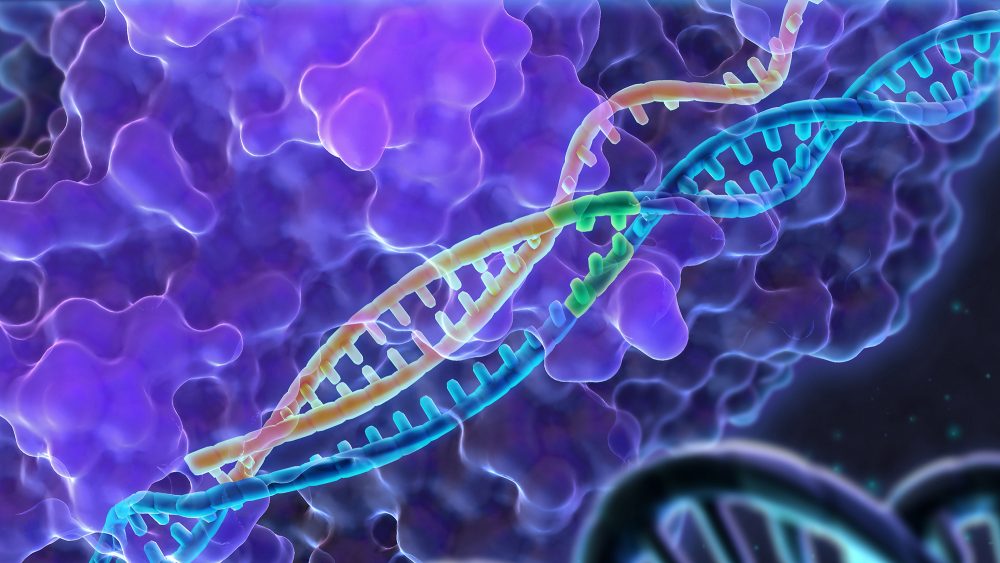
Bioinformatic Computational Tool Analyzes Tissue Samples to Discern Disease
A novel integrative computational technique allowed scientists to classify disease conditions at the molecular level using epigenomic data sets.
-

Feinberg Rises to 15th in U.S. News Ranking for Research-Oriented Medical Schools
Northwestern University Feinberg School of Medicine has been recognized as one of the best research-oriented medical schools in the nation, rising three spots to rank an all-time high of 15th, according to the latest U.S. News & World Report rankings, released today.
-

Inflammation Protection May Be Critical to Treating MS
Prolonging a cellular defense response to inflammation could help regenerate the protective coating of axons that is degraded in diseases such as multiple sclerosis, according to a recent study.
-
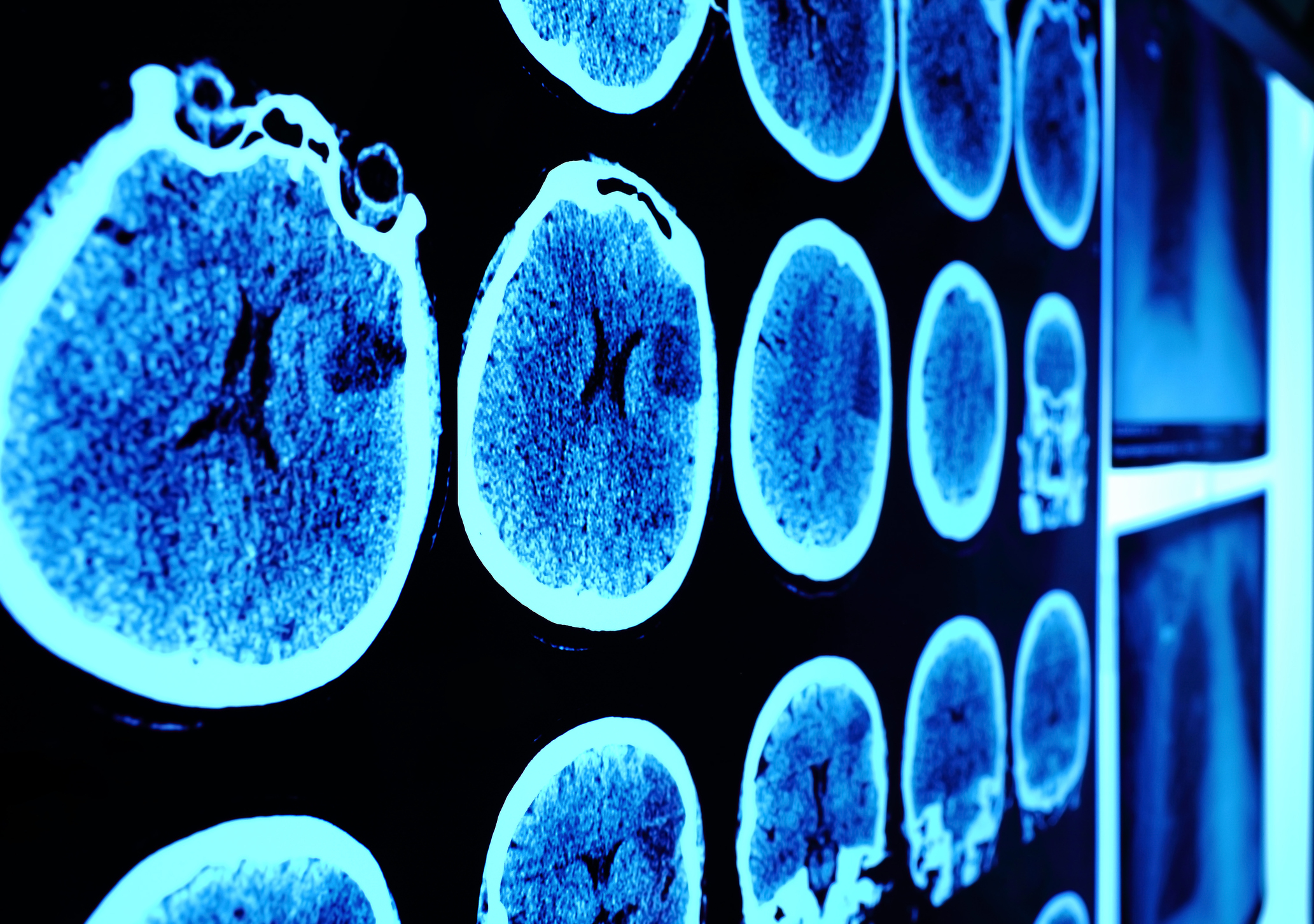
Antibody Bolsters Immune Response to Glioblastoma
Northwestern Medicine scientists have engineered a novel antibody that revitalizes immune cell activity in a deadly brain cancer, according to a recent study.
-

Next-Gen Sequencing
Northwestern’s investment in next-generation sequencing is leading to unprecedented avenues of discovery.
-
Conformational Switch Implicated in Neurodegenerative Diseases
Northwestern Medicine scientists have discovered a conformational “switch” that determines the function of the SNARE protein Ykt6, with implications for synucleinopathies, according to a recent study.
-

Immune Receptor Linked to Chronic Heart Transplant Rejection
The AXL immune cell receptor has been linked to cardiac allograft vasculopathy, a thickening of vessel walls in transplanted hearts years after implantation, according to a recent study.
-

Celebrating Feinberg’s 2021 Residency Match
Fourth-year students celebrated their residency matches and reflected on their Feinberg experience during a socially distant Match Day.
-

Lurie Children’s Receives $4 Million to Study Lennox-Gastaut Syndrome
Northwestern and Lurie Children’s Hospital investigators have been approved for a $4 million funding award by the Patient-Centered Outcomes Research Institute (PCORI) to study Lennox-Gastaut Syndrome.
-

Changes in Macrophages Drive Vulnerability to Lung Infections
An age-related accumulation of a signaling molecule may be one culprit behind older adults’ vulnerability to viral pneumonias, according to a recent study.