Author: kwm107
-

‘Toxic’ Molecule Plays Vital Role in Gene Regulation and Development
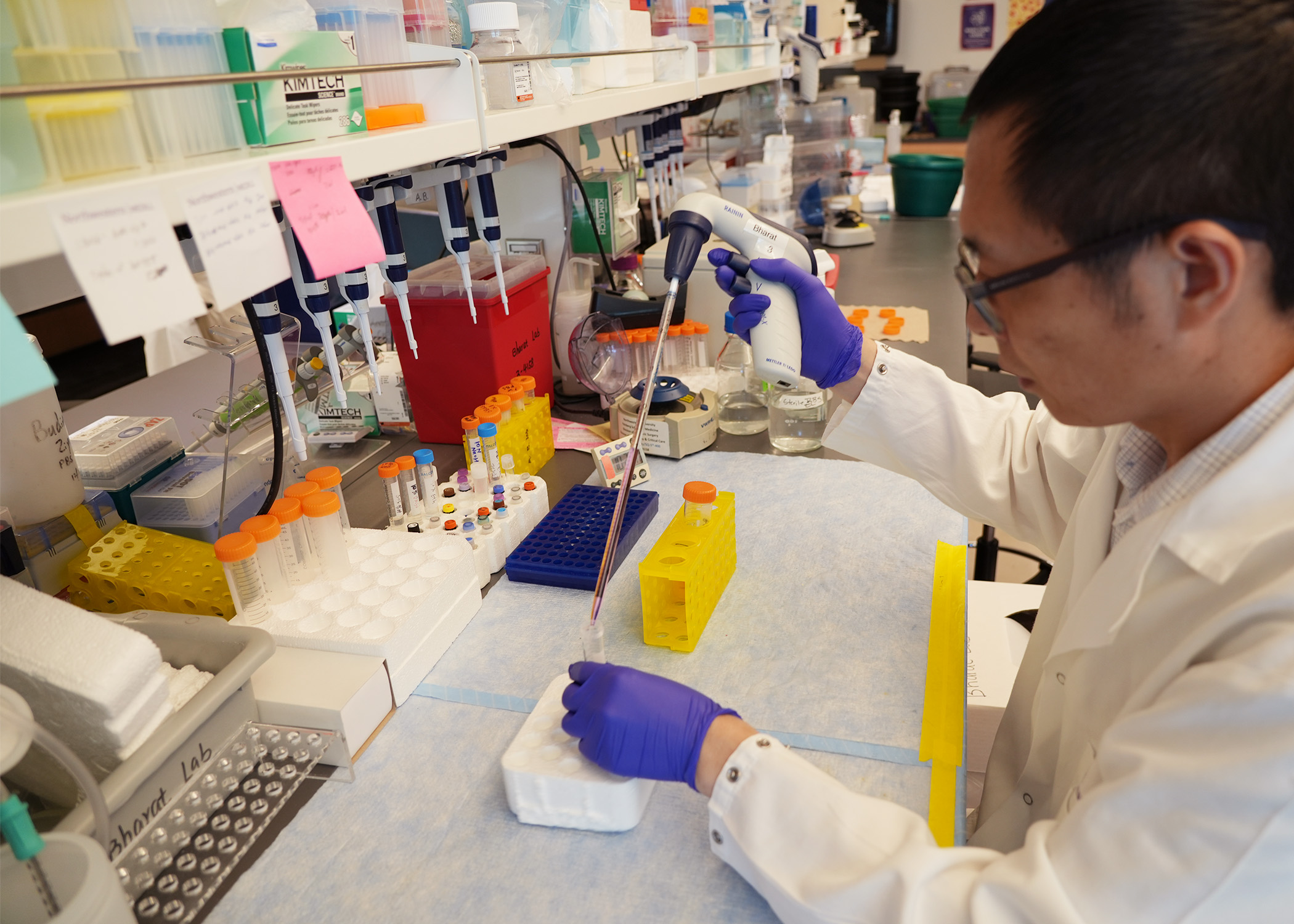
A molecule once thought to be a harmful metabolic byproduct may play a crucial role in early development and gene regulation, according to a new study published in Nature that challenges decades of biochemical assumptions.
-

Policing Plagiarism of Ideas in Generative AI-Assisted Research Writing
A new publication argues that AI-assisted plagiarism in manuscript writing harms the research environment by eroding trust among scientists, misrepresenting the origin and authenticity of scholarly work, and discouraging innovation and original inquiry.
-

Feinberg Students Launch Inaugural Day of Service Across Chicago
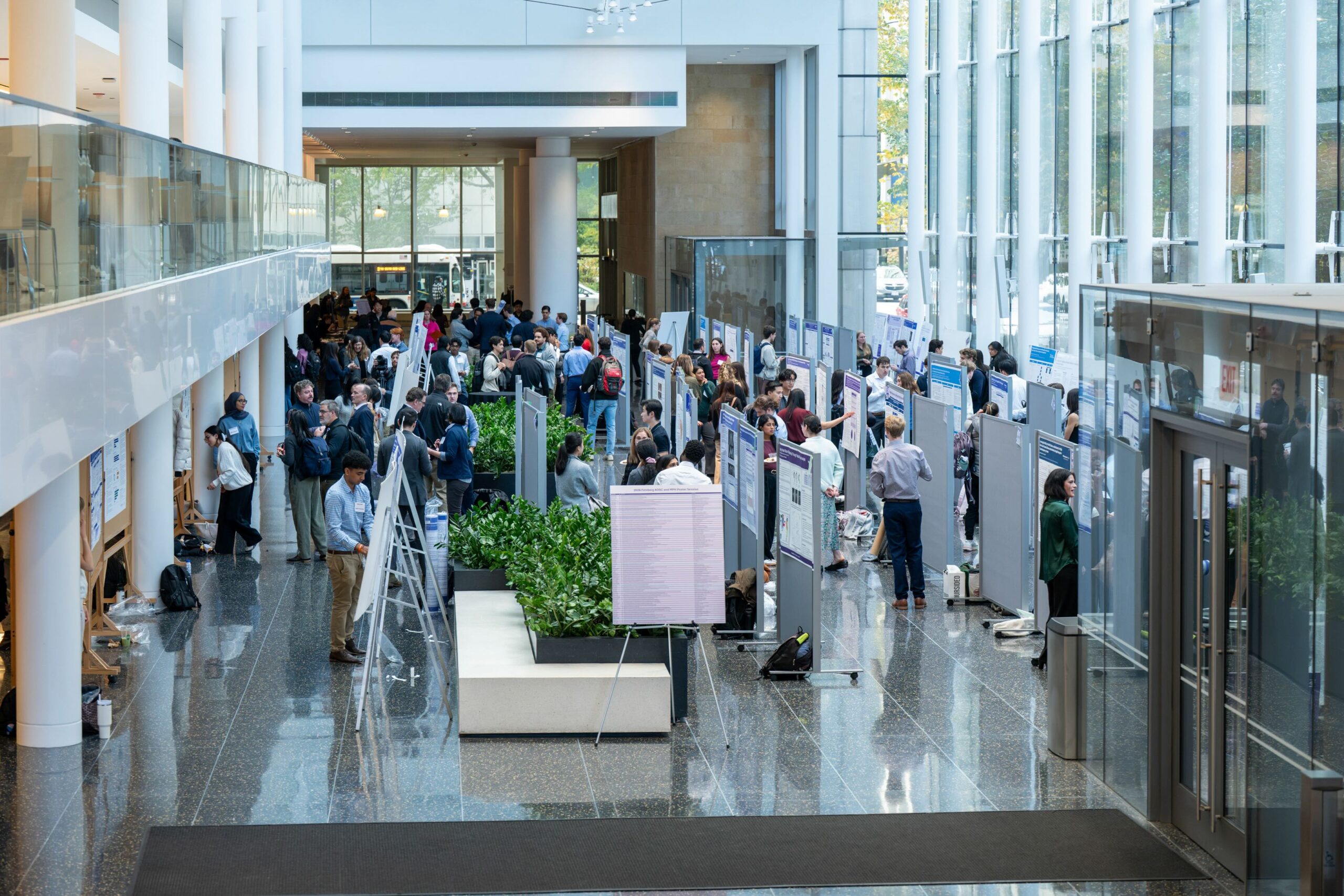
Students from across Northwestern University Feinberg School of Medicine’s academic programs came together on Sunday, May 3, for the inaugural Feinberg Day of Service — a new student-led initiative centered on volunteerism, community partnership and cross-program connection.
-
Linking Lysosomal Dysfunction to Severe Neurological Disorders
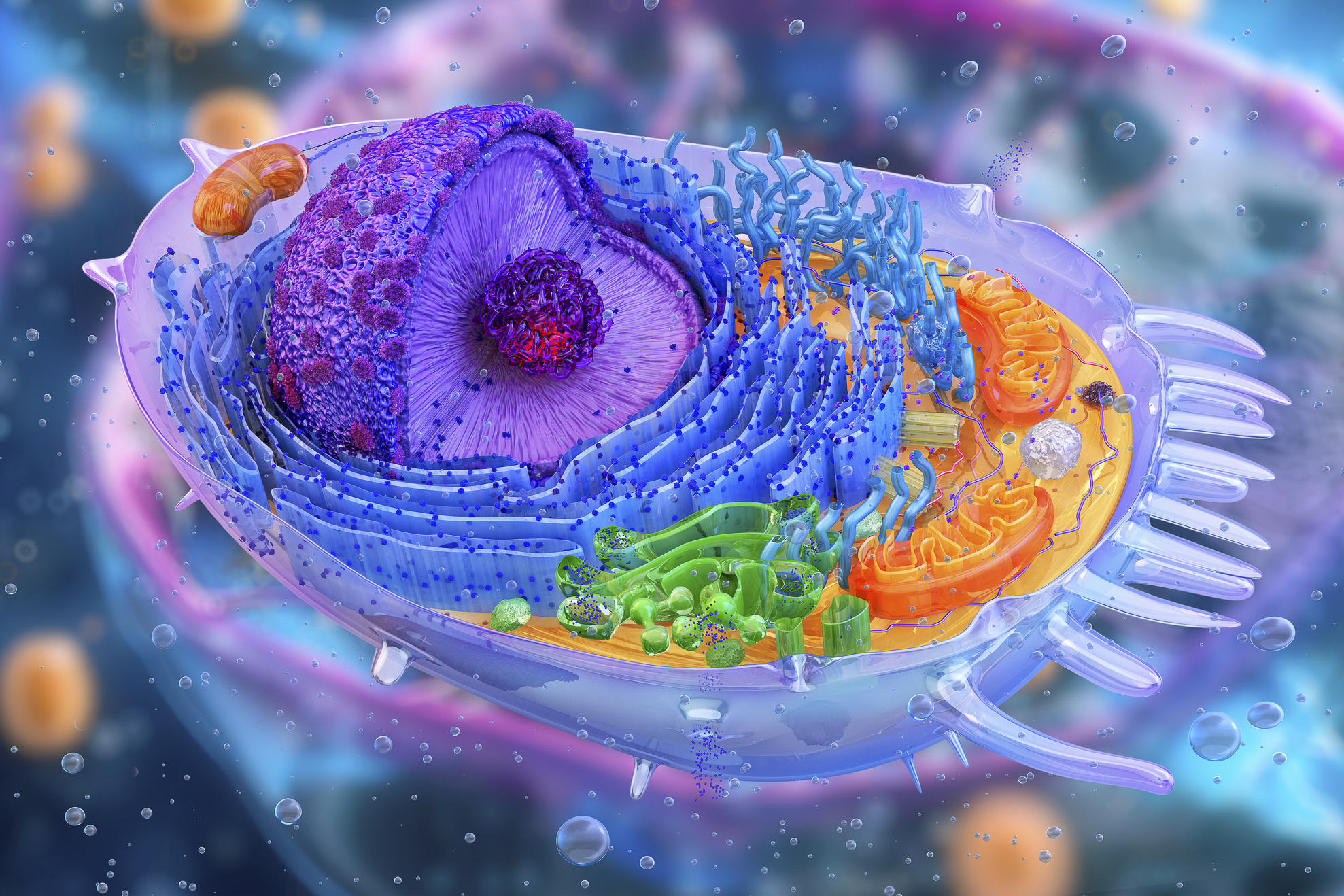
A new study has identified mutations in a single gene as the cause of a previously unrecognized spectrum of severe neurological disorders, according to a study published in the Journal of Clinical Investigation.
-
Understanding Treatment Response in High-Risk Bladder Cancer
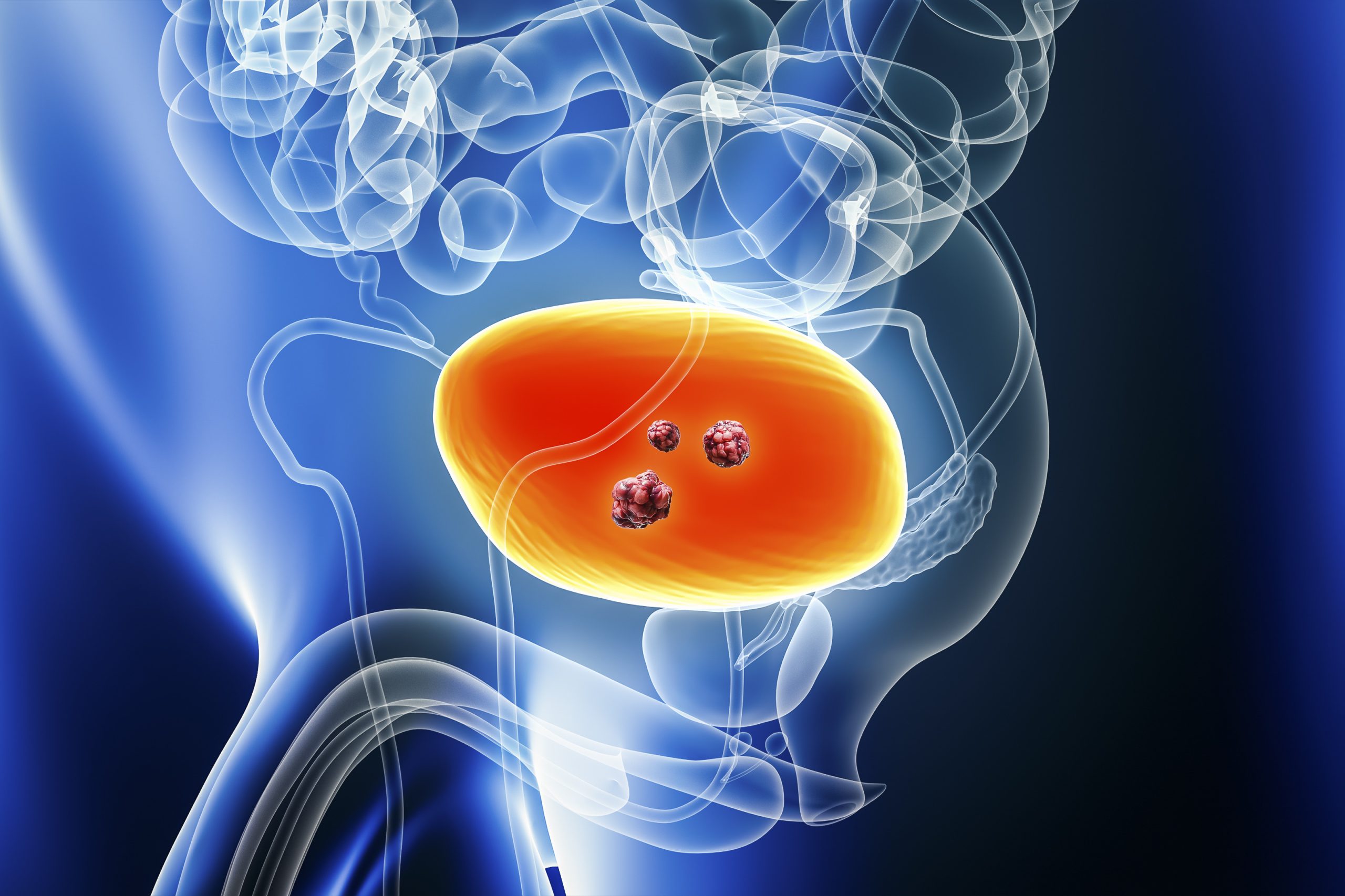
A new study may pave the way toward more personalized treatments for patients with high-risk bladder cancer, according to a study published in European Urology.
-
ALS is Driven by a Domino‑Like Chain Reaction That Begins in Nerve Cells
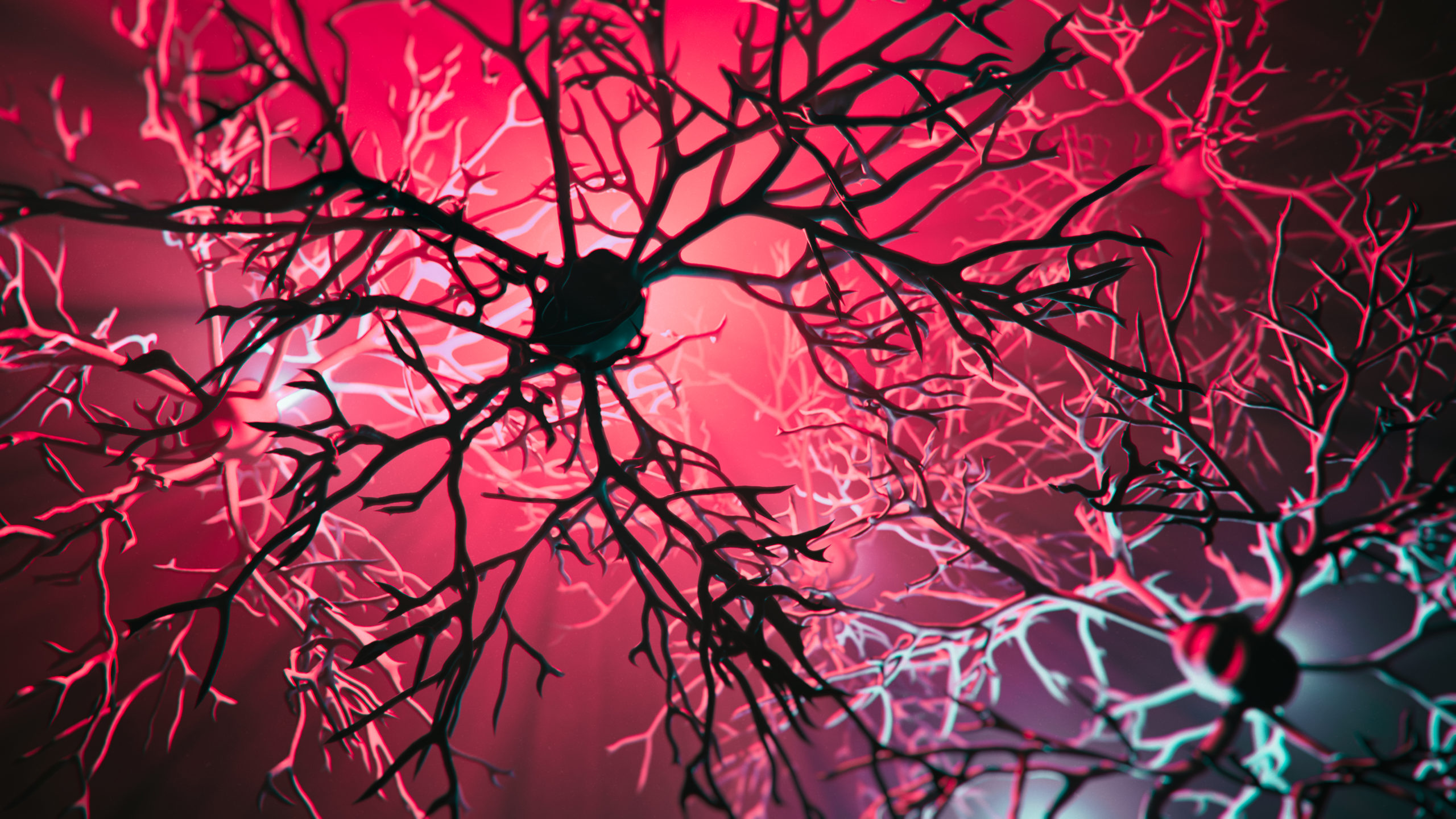
A new Northwestern Medicine study provides evidence that ALS unfolds through a domino‑like sequence of events that begins with an early breakdown inside motor neurons and is followed by a damaging inflammatory response.
-
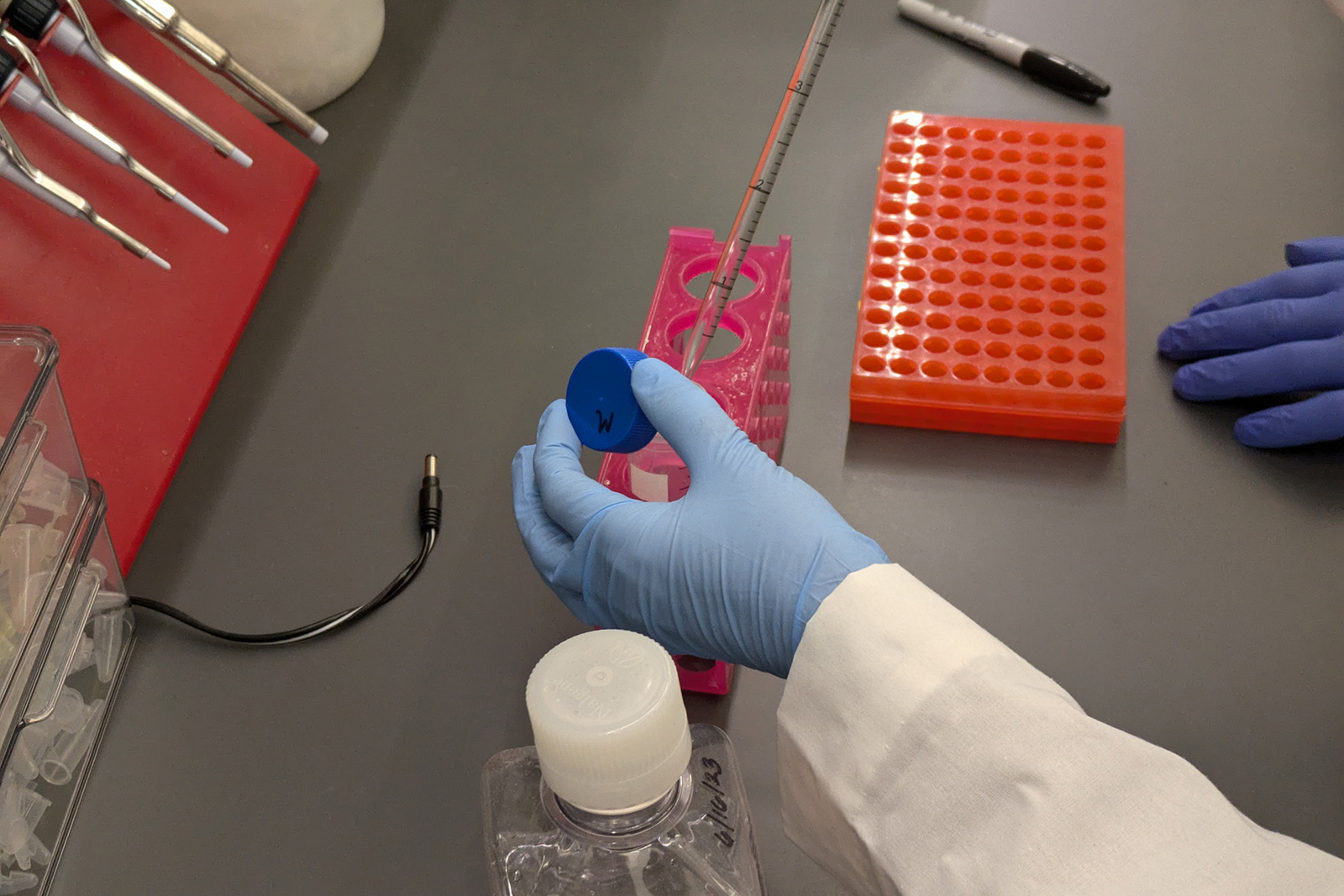
Metformin Slows Mitochondrial Energy Production, Promotes Glycemic Control
A new Northwestern Medicine study has found that metformin, a commonly prescribed diabetes drug, focuses primarily on the gut, acting to prevent glucose levels rising in the blood by driving glucose utilization inside cells lining the intestine.
-
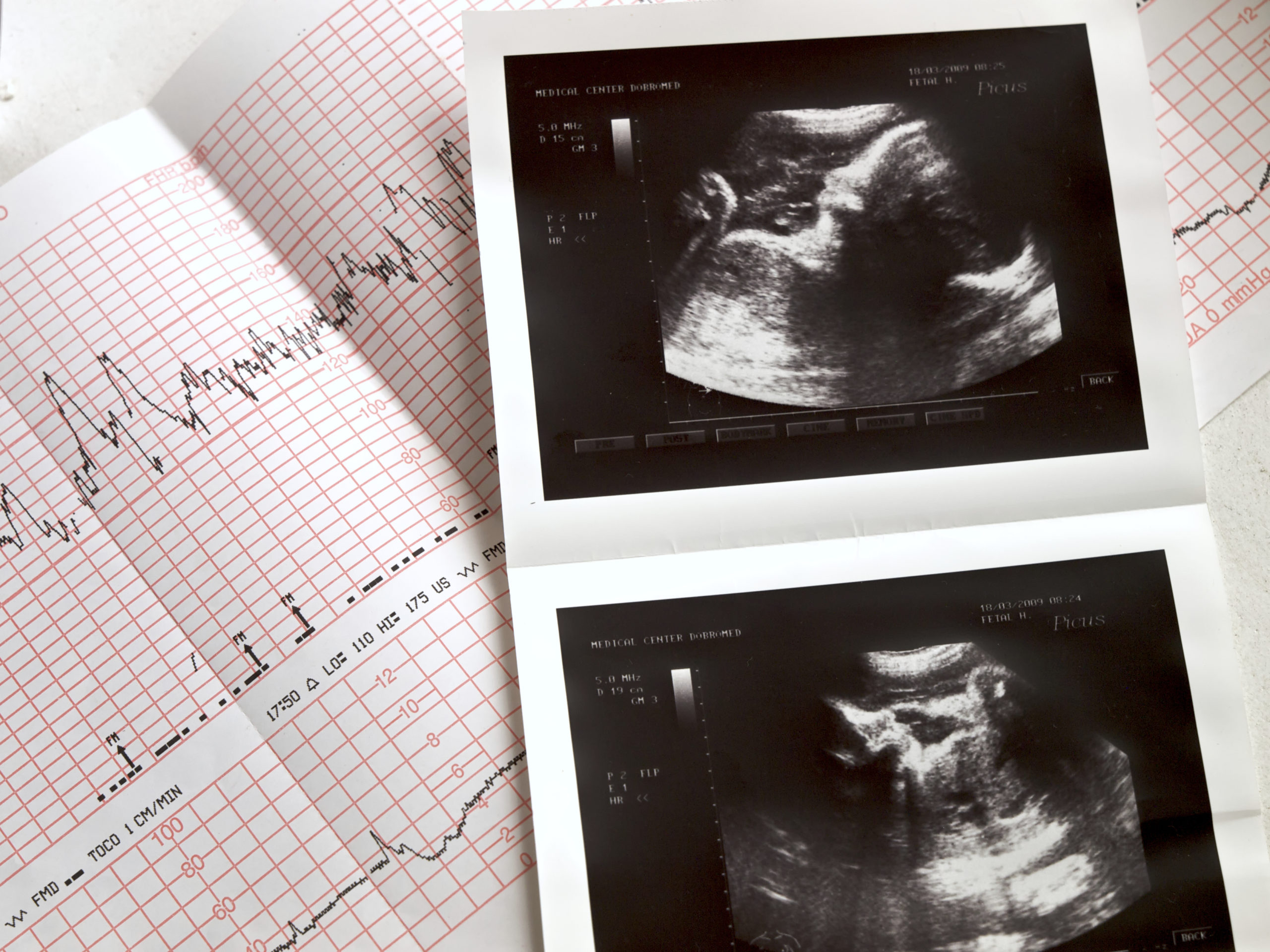
Treatment of Rare Childhood Epilepsy Could Begin Before Birth
A new Northwestern study suggests that interventions for epilepsy can start during pregnancy, as early as 15 weeks gestation, well before symptoms appear, according to a study published in Nature Communications.
-

Reinfection Raises Long COVID Risk in Children and Adolescents
Children and adolescents who are reinfected with SARS-CoV-2 face a significantly higher risk of developing long COVID, according to a large, multi-institutional study published in The Lancet Infectious Diseases.
-

New Tool Collects Biology Data into Cellular Atlases
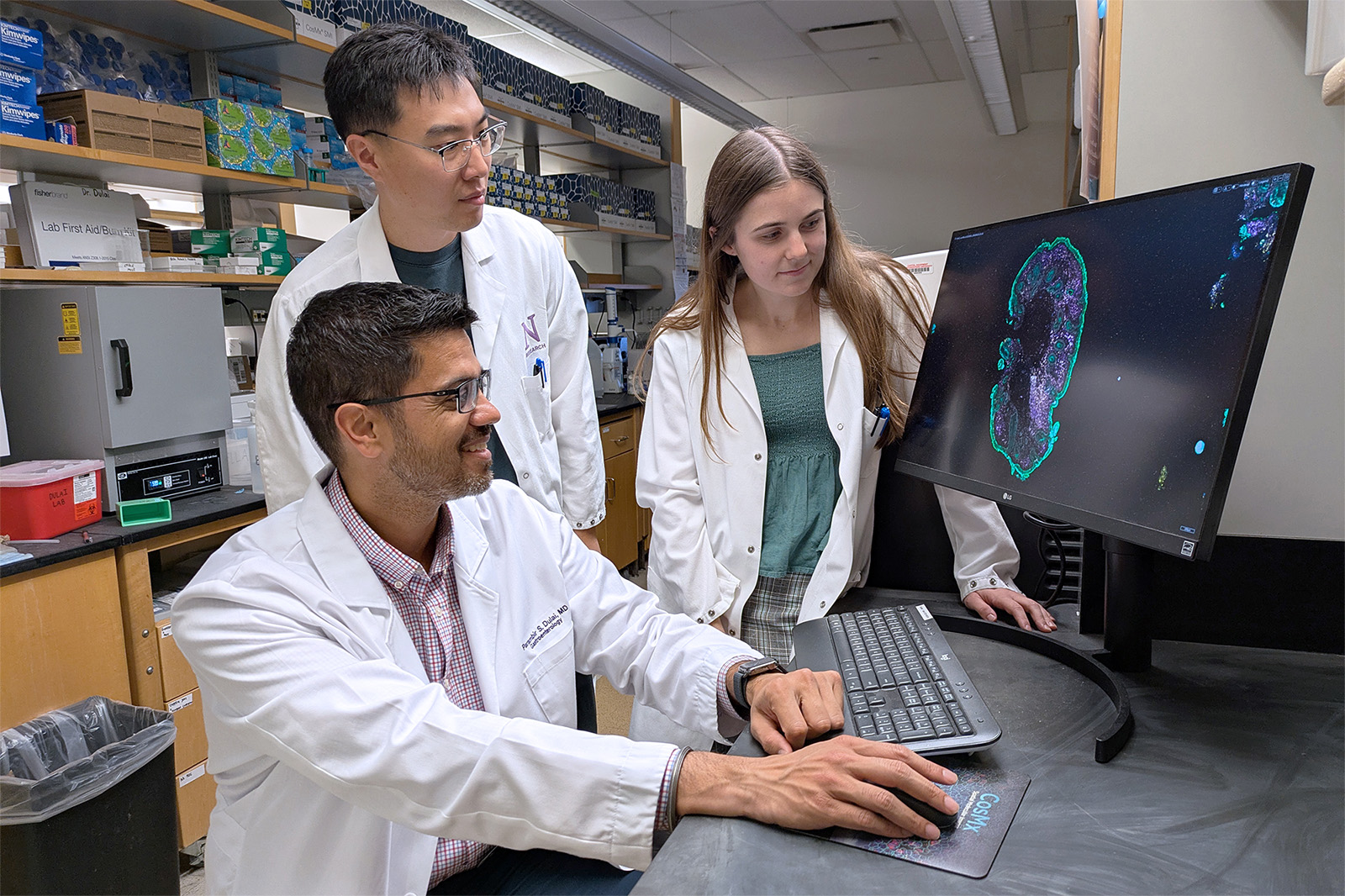
A new computational method could dramatically accelerate efforts to map the body’s cells in space, according to a study published in Nature Genetics.