Northwestern Medicine investigators have received an R01 research grant from the National Heart, Lung, and Blood Institute to evaluate a new simulation-based mastery learning (SBML) curriculum to help patients and their caregivers improve self-care for chronic heart disease.
The curriculum, called SimVAD, uses medical simulators to train patients with advanced heart failure and their caregivers to master self-care for ventricular assist devices (VADs) — a device surgically implanted into the heart to help circulate blood and connected to an external power source via a driveline exiting the abdomen.
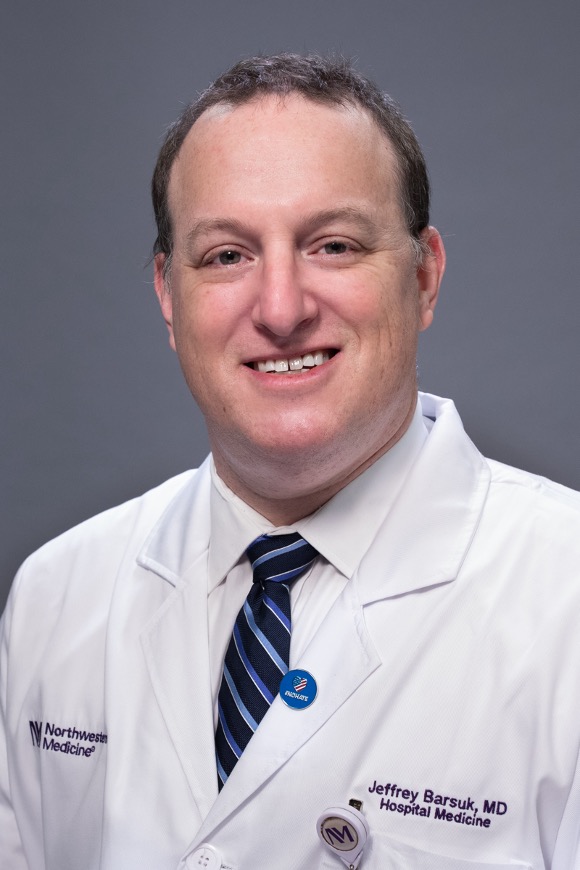
After VAD implantation, patients and caregivers are required to engage in daily VAD self-care and recognize VAD-specific signs and symptoms that require immediate medical attention. With improper VAD self-care, patients can die from preventable complications. However, no standardized training exists for patients and caregivers to ensure VAD self-care skills are adequately developed, said Jeffrey Barsuk, ‘99 MD, ‘10 MS, ’02 GME, the Robert Hirschtick Professor of Medicine in the Division of Hospital Medicine, a professor of Medical Education, and a co-PI of the project.
“We realized that there was a paucity of data about using simulation to educate patients and their caregivers. There are a very large number of patients with chronic illness that require daily care, often administered by the patient themselves or a caregiver (often a spouse or family member). Additionally, errors in self-care can sometimes result in adverse health events such as hospitalization or even death,” Barsuk said.
The SimVAD curriculum will be implemented and evaluated at eight medical centers across the U.S. Investigators will then evaluate the curriculum’s impact on patients’ health-related quality of life, driveline exit site infections and rehospitalizations.
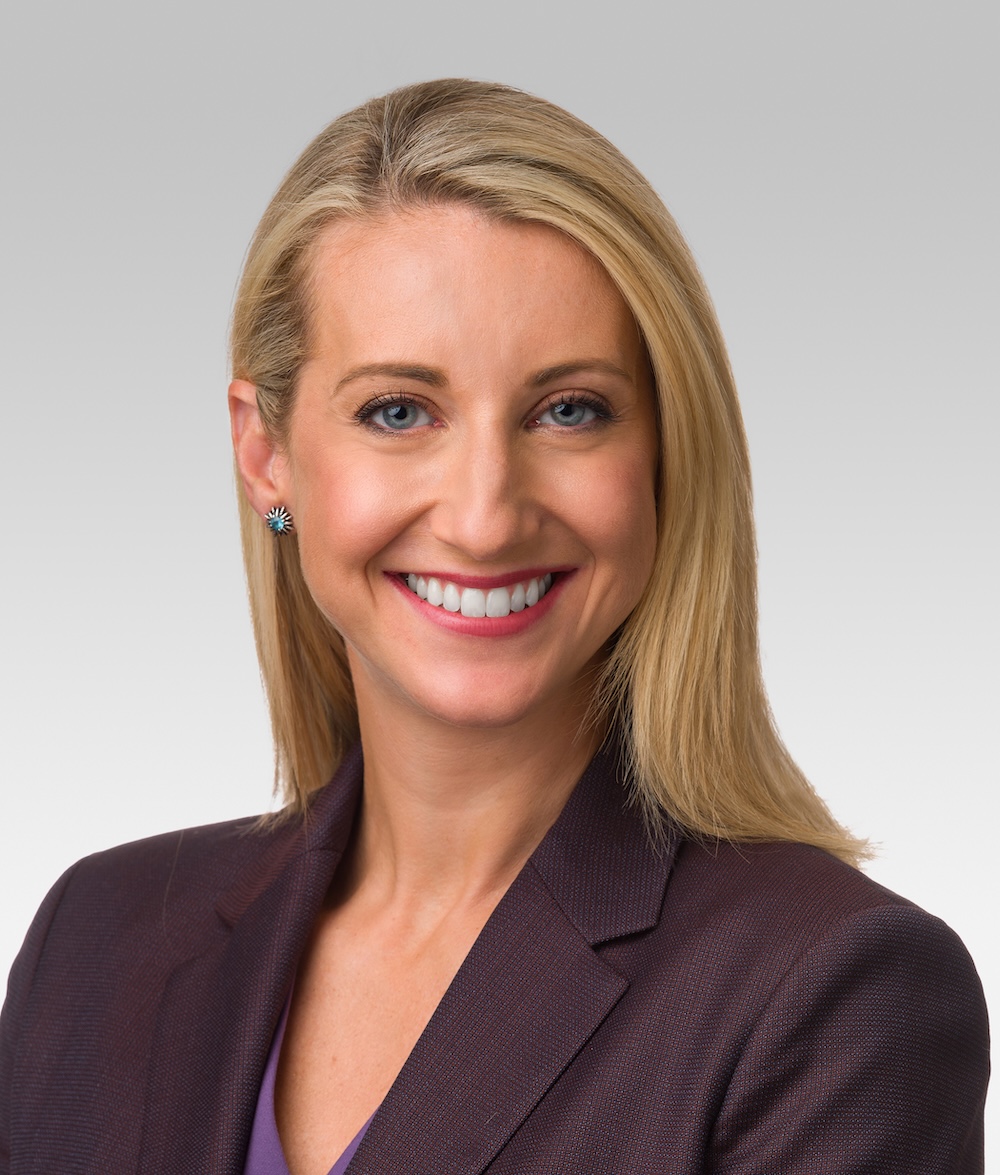
“One of the most exciting aspects of this project has been building a consortium of eight leading LVAD and heart transplant centers across the United States, whose investigators are united by a shared commitment to improving care for some of our most vulnerable patients: those living with durable mechanical circulatory support devices. It is a privilege to work alongside such an outstanding team,” said Jane Wilcox, MD, ‘15 MSc, ‘10, ‘11 GME, associate professor of Medicine in the Division of Cardiology and a co-PI of the project.
The research will build on a previous pilot study led by Barsuk, which showed that VAD self-care SBML for patients and caregivers resulted in superior skills and fewer patient driveline exit-site infections compared to traditional training at Northwestern Memorial Hospital.
“The project highlights the power of SBML. It shows that when it comes to healthcare and patient outcomes, an average score is not enough,” Barsuk said. “When we use SBML to train clinicians, we repeatedly show that the trainee reaches the highest level of skill achievable before working with actual patients. In fact, many residency programs and a few medical schools, including Northwestern, now use the mastery learning model to ensure their learners are ready for actual patient practice.”
In addition to providing innovative training to patients and their caregivers, the project may standardize how patients and their caregivers are trained to perform complex self-care tasks, according to Barsuk.
“We hope this study will not only improve outcomes for participating patients but also provide a scalable playbook that other programs can adopt to enhance care and quality of life for patients nationwide,” Wilcox said.