Targeting the control of protein synthesis in the KCNQ2 gene may serve as a potential disease-modifying strategy for patients with a genetic form of neonatal-onset epilepsy and impaired brain development, according to a Northwestern Medicine study published in Proceedings of the National Academy of Sciences.
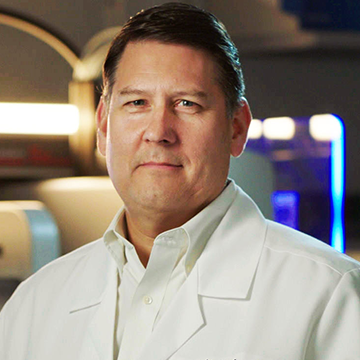
Alfred L. George, Jr., MD, chair and the Alfred Newton Richards Professor of Pharmacology, was senior author of the study.
Genetic variants in the KCNQ2 gene are associated with neonatal-onset epilepsy, in which seizures occur during the first few days of life. This condition is also associated with impaired brain development resulting in intellectual disability, developmental delays and poor long-term neurological outcomes. Despite the severity of these disorders, no KCNQ2-targeted disease-modifying therapies currently exist.
“Children with this disease often have delayed neurodevelopment, causing them to miss milestones, fail to develop language, and often be unable to walk or feed themselves,” George said.
Normally KCNQ2, which codes for a brain potassium channel, acts like a brake on the nervous system by preventing neurons from becoming overactive and firing too much.In neonatal-onset epilepsy caused by KCNQ2, this braking system doesn’t work properly, leading to higher neuronal activity in the brain that results in seizures and neurodevelopmental deficits.
In the current study, George’s team aimed to better understand how KCNQ2 protein synthesis is regulated.
Using both bioinformatic and experimental approaches to profile human and mouse brain RNA datasets, the scientists found that KCNQ2 contains a regulatory element called an upstream open reading frame (uORF) — a potential protein coding region in mRNA that precedes and is located “upstream” of the main protein-coding region. A uORF can also divert the cell’s machinery away from the gene’s main protein code.
“An upstream open reading frame is an alternative start site for protein synthesis by ribosomes, which are a cell’s protein synthesis factories,” George said.
When a ribosome finds an mRNA and starts the process of protein synthesis, it may stall at the uORF, reducing the overall efficiency of producing the main protein.
Next, the scientists used DNA base editing to modify KCNQ2 in cultured cells to inactivate the uORF and found this increased the synthesis of the KCNQ2 protein and boosted potassium channel activity.
“Not only did we see an elevation in the level of protein when we mutated the uORF, but we also demonstrated that the additional protein is functional, which is ultimately what matters,” George said.
The findings, George said, suggest that inactivating the uORF could be an effective therapeutic approach to boost KCNQ2 protein levels in the context of KCNQ2 variants to compensate for the effects of mutations and lower the risk of seizures in patients.
The scientists are now studying whether inactivating the upstream open reading frame in mice with KCNQ2 pathogenic variants produces similar effects.
“We think inactivating this uORF might restore normal potassium channel function in KCNQ2-related genetic disorders and could conceivably offer benefits to other types of epilepsy,” George said. “Our ability to inactivate the uORF using base editing represents a proof-of-concept for a potentially permanent disease-modifying gene therapy for this untreatable condition.”
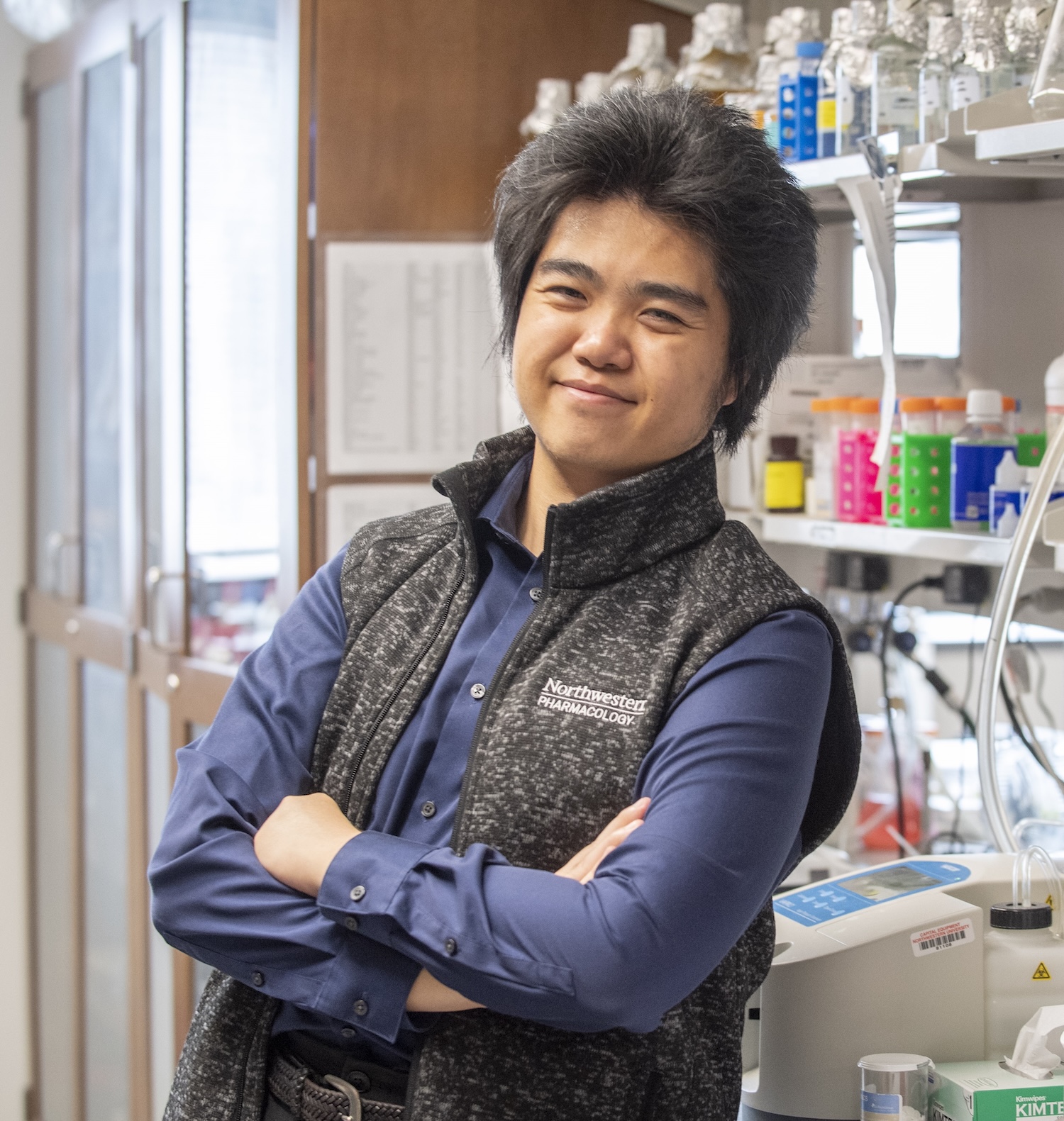
Dalton Huey, a student in the Driskill Graduate Program in Life Sciences (DGP), was lead author of the study.
Co-authors of the study include Eduardo Guadarrama, ’25 PhD, a postdoctoral fellow in the George laboratory; Christine Simmons, MD, research assistant professor of Pharmacology; and Qianru Li, PhD, a postdoctoral fellow in the Borden laboratory.
This work was supported in part by National Institutes of Health grants NS137587, OD034362, HL161389 and GM138192; a T32 Predoctoral Training Grant (GM105538) from the National Institute of General Medical Sciences; a National Research Service Award (NRSA) fellowship from the National Institute of Neurodevelopmental Disorders and Stroke (NS135753); and a postdoctoral fellowship from the American Heart Association (26POST1542927).