Month: May 2026
-

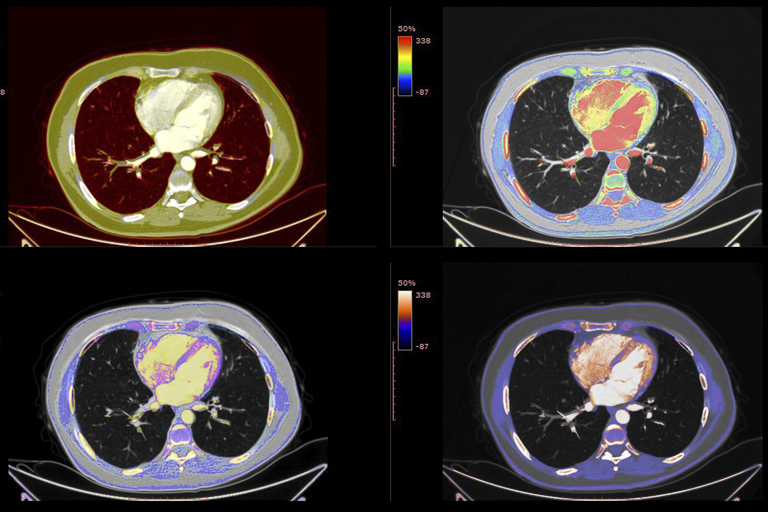
Wearable Polygraph Detects Hidden Stress
Northwestern University engineers have developed a small, wireless polygraph system you can wear, designed to sense underlying stress hidden deep within the body.
-

‘Toxic’ Molecule Plays Vital Role in Gene Regulation and Development
A molecule once thought to be a harmful metabolic byproduct may play a crucial role in early development and gene regulation, according to a new study published in Nature that challenges decades of biochemical assumptions.
-

Policing Plagiarism of Ideas in Generative AI-Assisted Research Writing
A new publication argues that AI-assisted plagiarism in manuscript writing harms the research environment by eroding trust among scientists, misrepresenting the origin and authenticity of scholarly work, and discouraging innovation and original inquiry.
-

Feinberg Students Launch Inaugural Day of Service Across Chicago
Students from across Northwestern University Feinberg School of Medicine’s academic programs came together on Sunday, May 3, for the inaugural Feinberg Day of Service — a new student-led initiative centered on volunteerism, community partnership and cross-program connection.
-
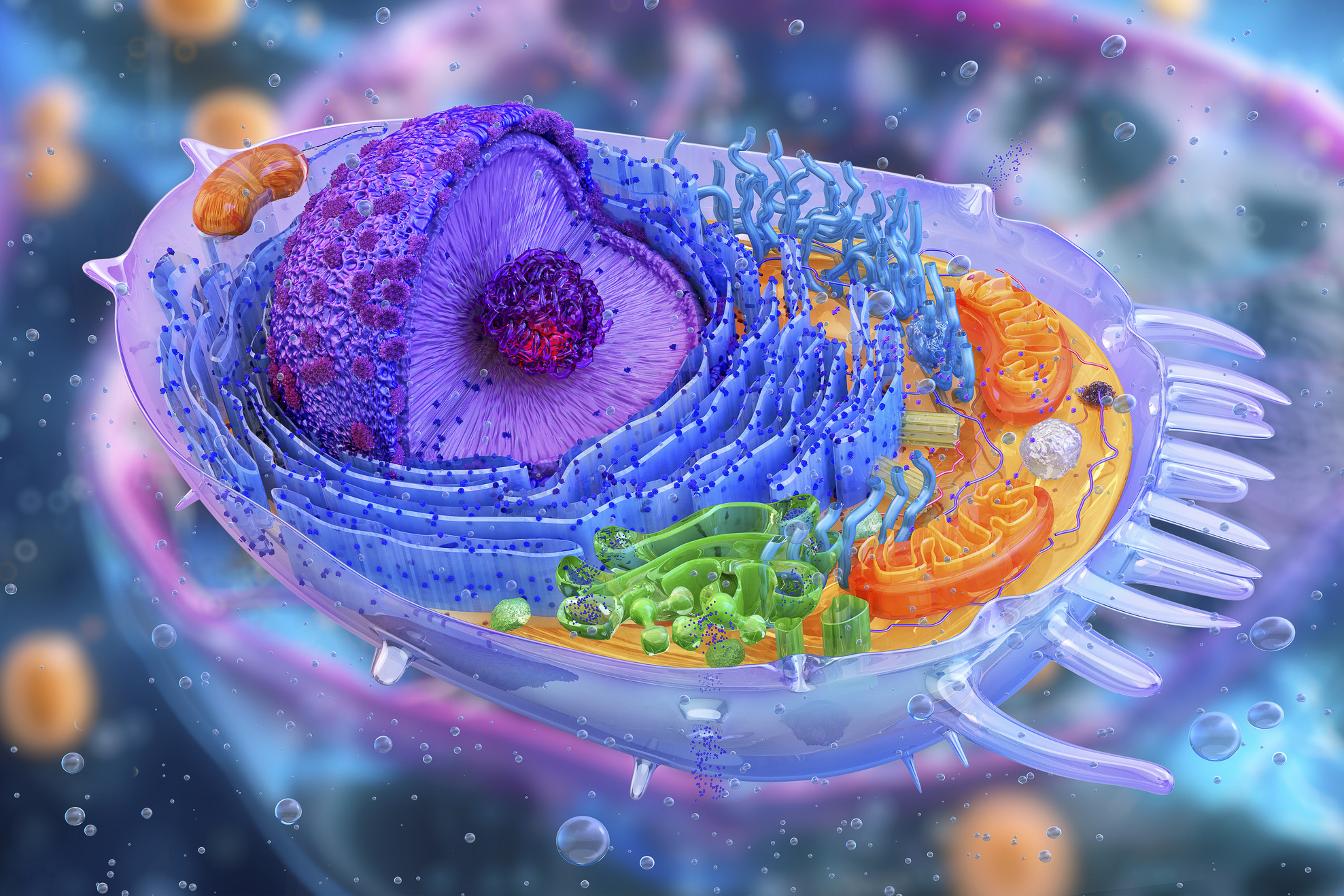
Linking Lysosomal Dysfunction to Severe Neurological Disorders
A new study has identified mutations in a single gene as the cause of a previously unrecognized spectrum of severe neurological disorders, according to a study published in the Journal of Clinical Investigation.
-

New Experimental Method Reveals Protein Energy Landscapes on Larger Scale
Northwestern Medicine scientists have developed a new experimental method to analyze conformational fluctuations in protein domains on a uniquely large scale, which may improve data-driven modeling, biology and protein engineering, as detailed in a recent study published in Nature.
-

Spatial Transcriptomics Guides Inflammatory Bowel Disease Research
A novel spatial transcriptomics atlas developed by Northwestern Medicine scientists may improve the understanding of niche cellular interactions in the gastrointestinal tract that promote the development of inflammatory bowel diseases, as detailed in a recent study published in Nature Communications.
-

Honors Day Celebrates Medical School Excellence
Fourth-year medical students and faculty members were recognized for academic and clinical excellence during Feinberg’s Honors Day, held on May 15 in the Hughes Auditorium.
-

Honoring the MD Class of 2026
Feinberg honored the MD Class of 2026 during this year’s commencement ceremony held in the Aon Grand Ballroom at Navy Pier on May 18.
-

Building Capacity for Research in Ukraine
Two Feinberg investigators, Sara Huston, MS, and Steven P. Cohen, MD, have been collaborating with scientists in Ukraine to better understand how war is impacting Ukrainians through inquiries into DNA use for family reunification and better treating amputees’ pain.