Month: April 2026
-

Overlooked Cells Linked to Poor Outcomes in Breast Cancer
A little-studied group of cancer cells circulating in the bloodstream may play a bigger role in breast cancer progression than previously thought, according to new research published in Science Translational Medicine that sheds light on how the disease spreads and why some patients fare worse than others.
-
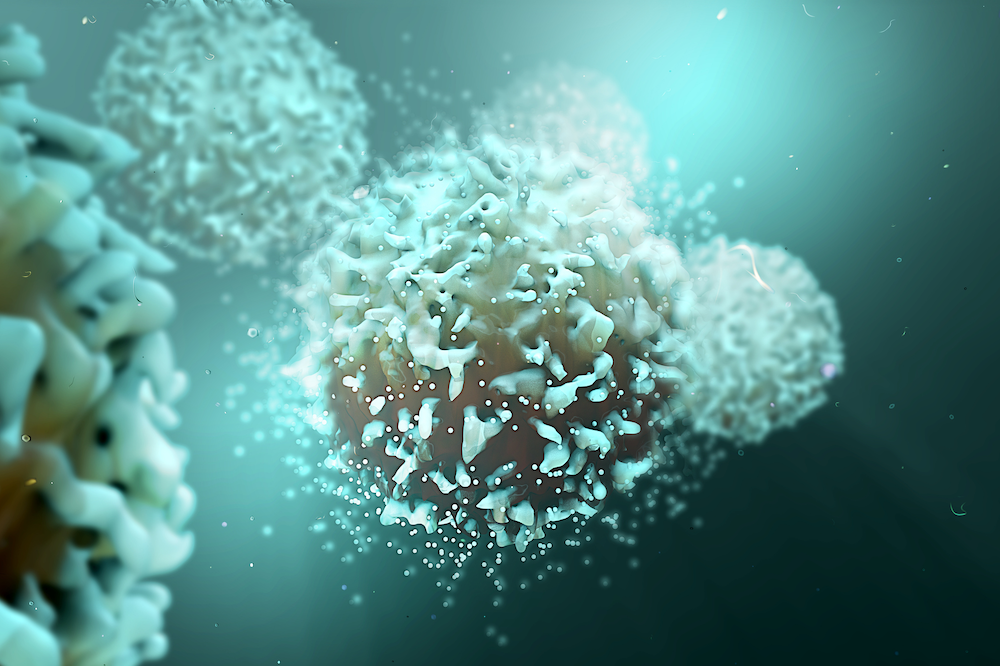
Transcription Factors Form Continuous ‘Circuit’ That Regulates T-cell Exhaustion
Scientists have discovered how two transcription factors form a reciprocal regulatory circuit that controls T-cell exhaustion and migration during viral infection, which may inform future therapeutic strategies for managing infections and cancer, according to a recent Northwestern Medicine study.
-
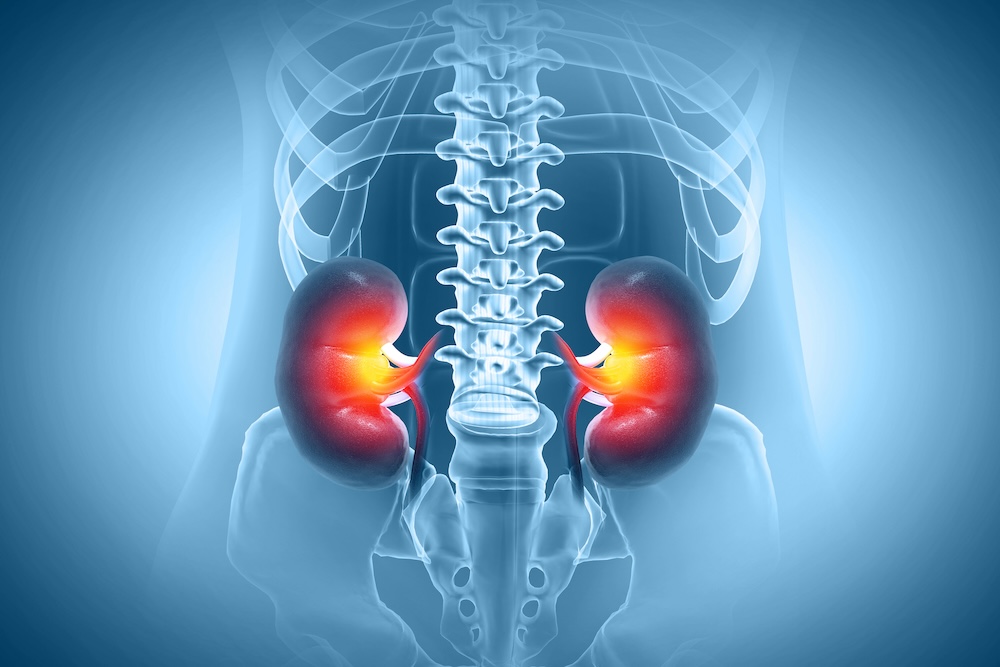
Policy Intervention Linked to Increase in Kidney Transplants in Black Patients
A national policy intervention implemented to address transplant inequities caused by race-based kidney function equations was associated with an increase in organ transplant rates among Black patients, according to a recent study published in JAMA Internal Medicine.
-

Uncovering a Genetic Driver of Rare Early-Onset Dementia
A global team of scientists has uncovered a new genetic risk factor for a rare and aggressive form of early-onset dementia, according to a study published in Nature Genetics.
-

Uncovering Cellular Drivers of Increased Brain Signal Activity
Northwestern Medicine scientists have discovered new insights into how high gamma activity, a widely studied brain signal, is generated, findings that can impact how past and future neurological studies using this signal are interpreted, according to a recent study published in Nature.