Month: April 2026
-

NUCATS Announces New K12 Scholars
The Northwestern University Clinical and Translational Sciences Institute has announced Keith Summa, MD, PhD, Timothy Janetos, MD, and Vidhi Dalal, MD, as its newest K12 scholars.
-
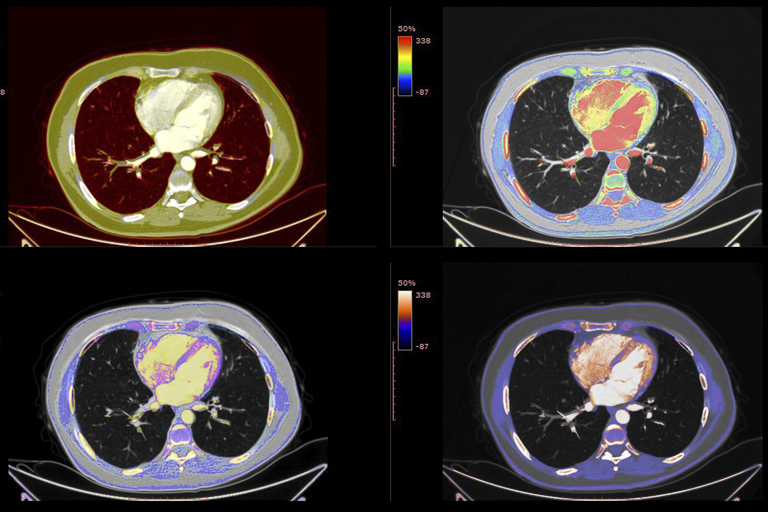
Nonsurgical Heart Valve Replacement Improves Patient Outcomes
Patients with severe heart valve disease who underwent nonsurgical transcatheter tricuspid valve replacement showed significant improvements in overall cardiovascular health status and quality of life within 30 days post procedure, according to a recent study published in JAMA.
-
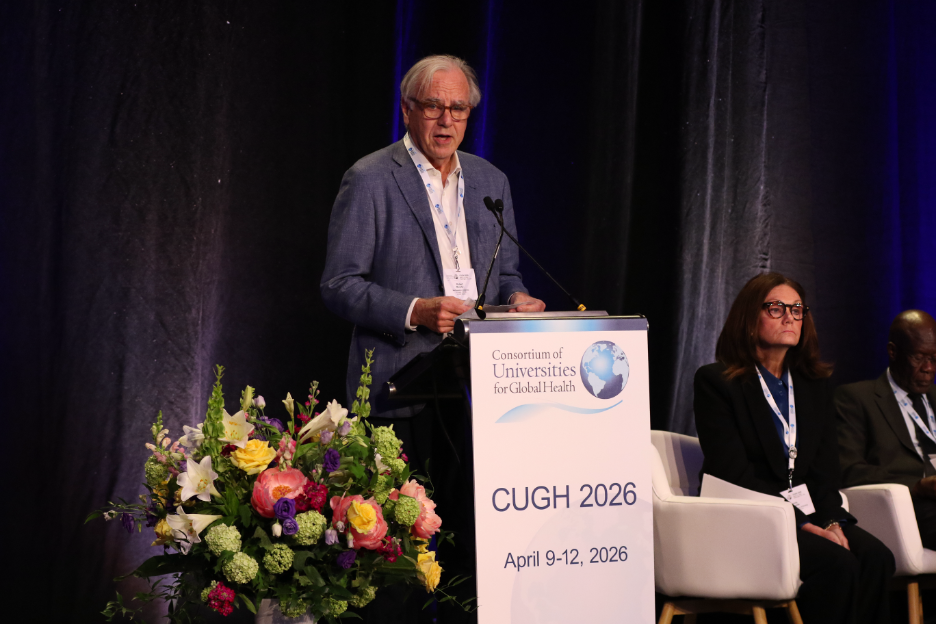
Murphy Honored as Distinguished Leader in Global Health
Robert Murphy, MD, executive director of the Robert J. Havey, MD Institute for Global Health, has been honored with the 2026 Consortium of Universities for Global Health (CUGH) Distinguished Leadership in Global Health Award.
-
New U.S. Estimates of Sepsis in Kids Point to Urgent Need to Reduce High Mortality Rates
New estimates of rates of sepsis during pediatric hospitalizations have been obtained by a multicenter team of investigators, using clinical data from electronic health records.
-
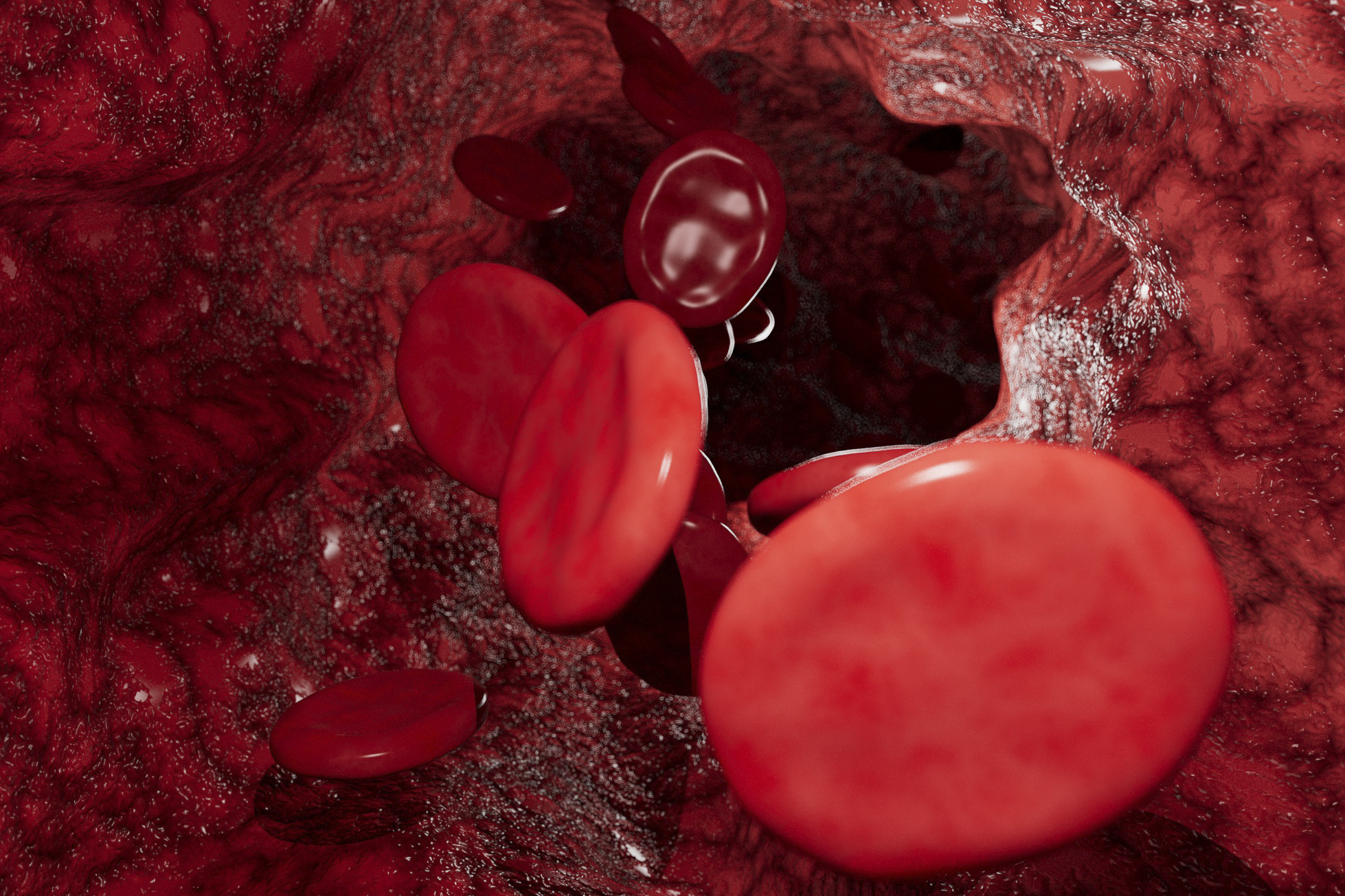
Stents Can Ease Symptoms of Post-Thrombotic Syndrome
A procedure designed to reopen blocked veins successfully reduced pain, swelling and disability in people with post-thrombotic syndrome — a common and often debilitating complication of deep vein thrombosis — according to results of a clinical trial published in The New England Journal of Medicine.
-
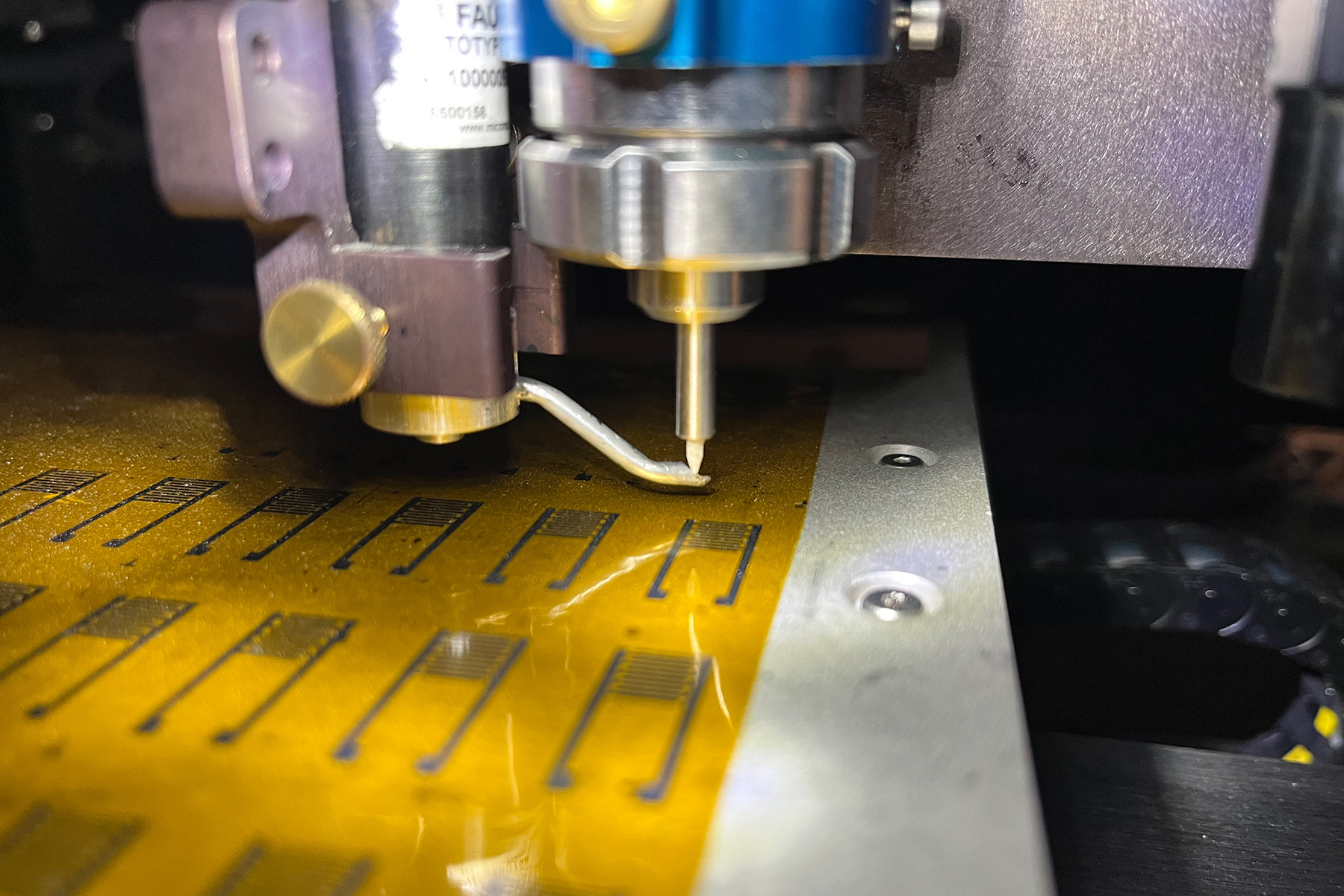
Printed Neurons Communicate With Living Brain Cells
Northwestern scientists have developed flexible, low-cost devices that generate electrical signals realistic enough to activate living brain cells.
-
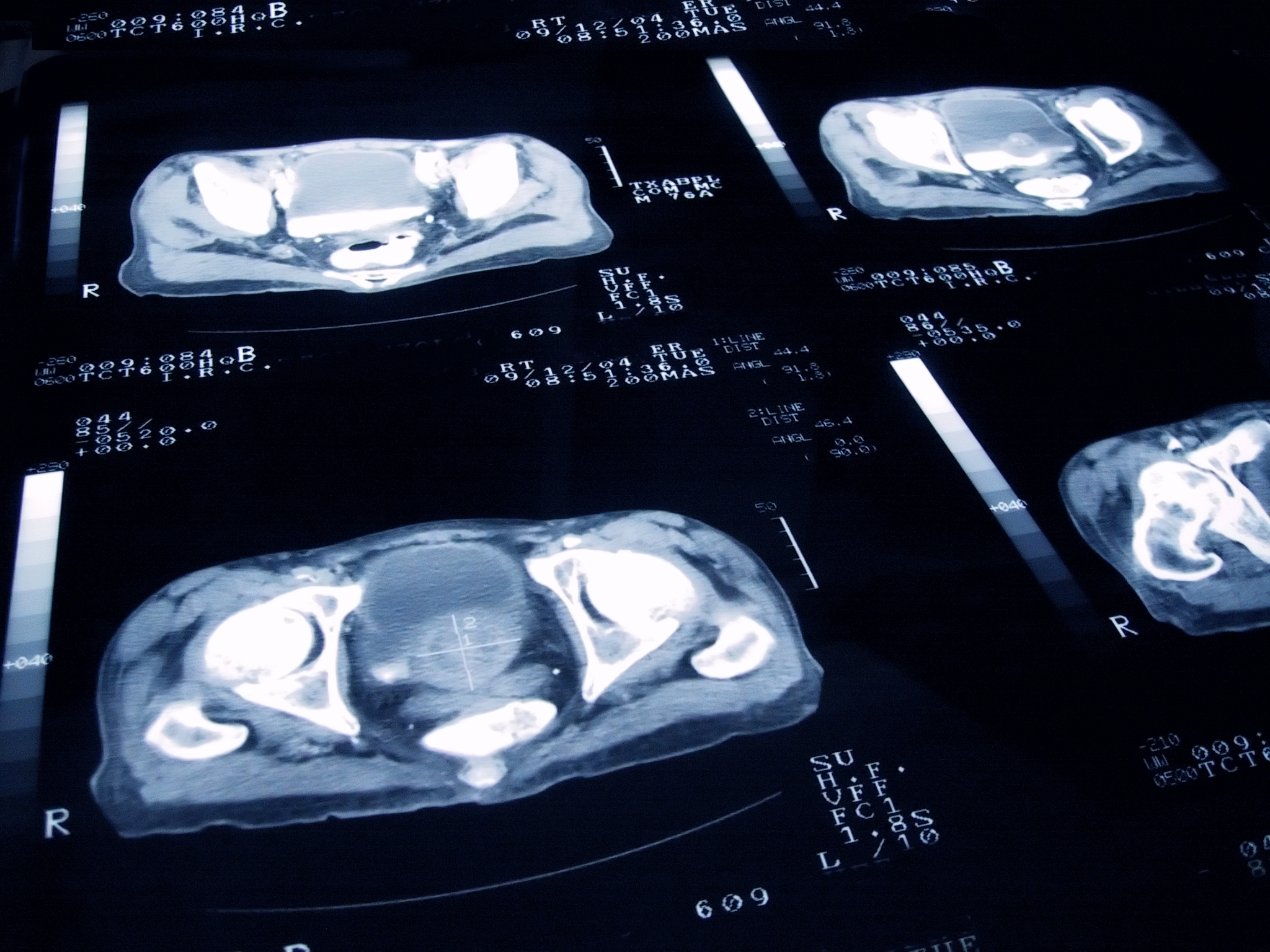
Scans Can Reveal Hidden Prostate Cancer Progression
A large analysis of two major clinical trials has found that the spread of prostate cancer can be detected on imaging scans even when biomarkers remain stable, according to a study published in the Journal of Clinical Oncology.
-

Visionary Biochemist Delivers 2026 Kimberly Prize Lecture
Svetlana Mojsov, PhD, delivered the 2026 Kimberly Prize Lecture on April 20, drawing on decades of groundbreaking research that helped transform the treatment of diabetes and obesity.
-

Bass Named 2026 AAAS Member
Joseph Bass, MD, PhD, has been selected as a member of the American Academy of Arts and Sciences, the oldest general scientific society in the United States.
-

Neighborhood Social Factors Increase Cardiovascular Disease Risk
Individuals exposed to adverse neighborhood social factors in early adulthood demonstrated a higher risk of developing coronary artery calcification in midlife, a key measure of early cardiovascular disease, according to a recent study published in Nature Communications.