A Northwestern Medicine-led study published in The Journal of Clinical Investigation has uncovered why older individuals with specific genetic mutations face a heightened risk of developing serious blood cancers.
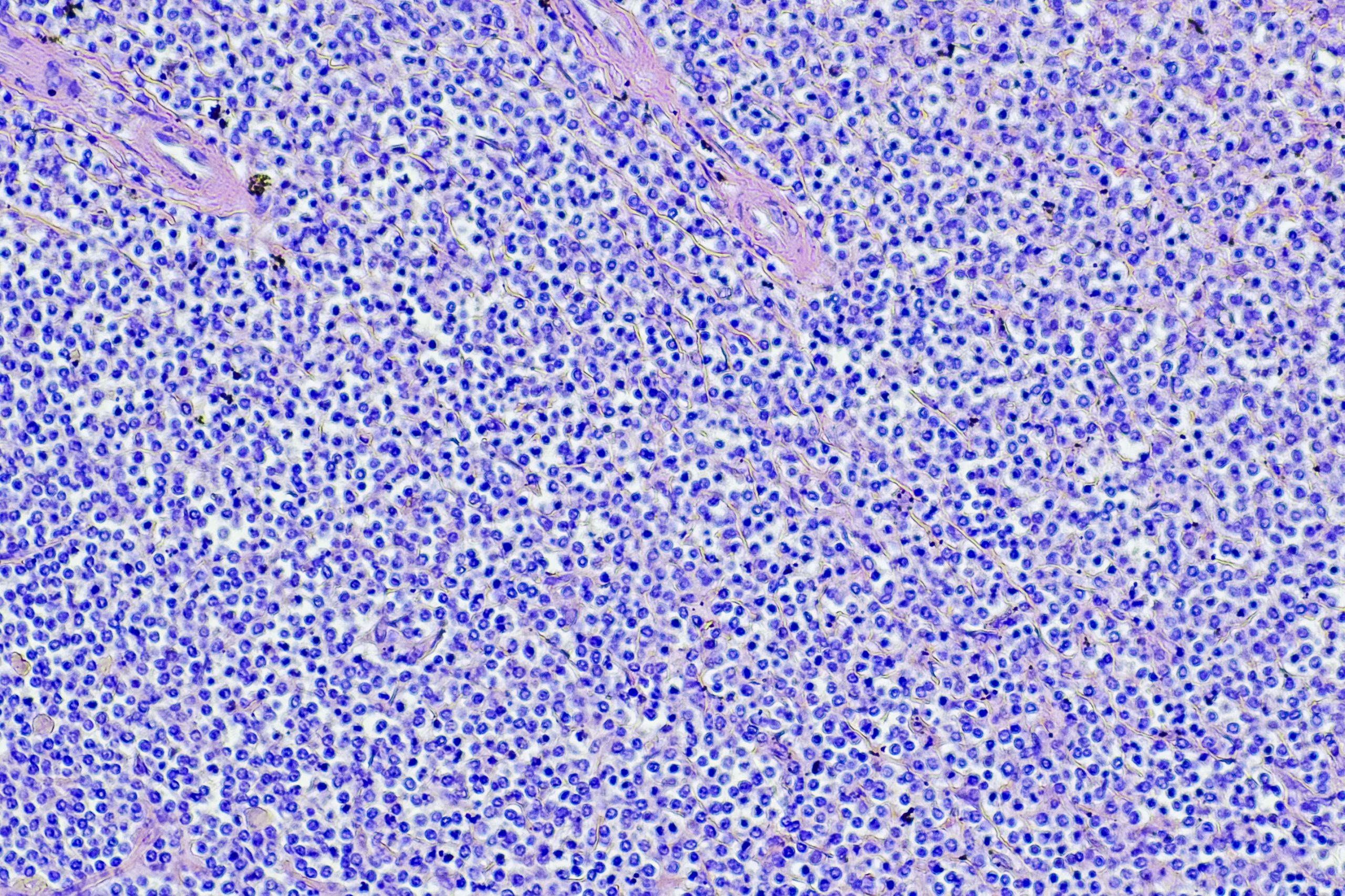
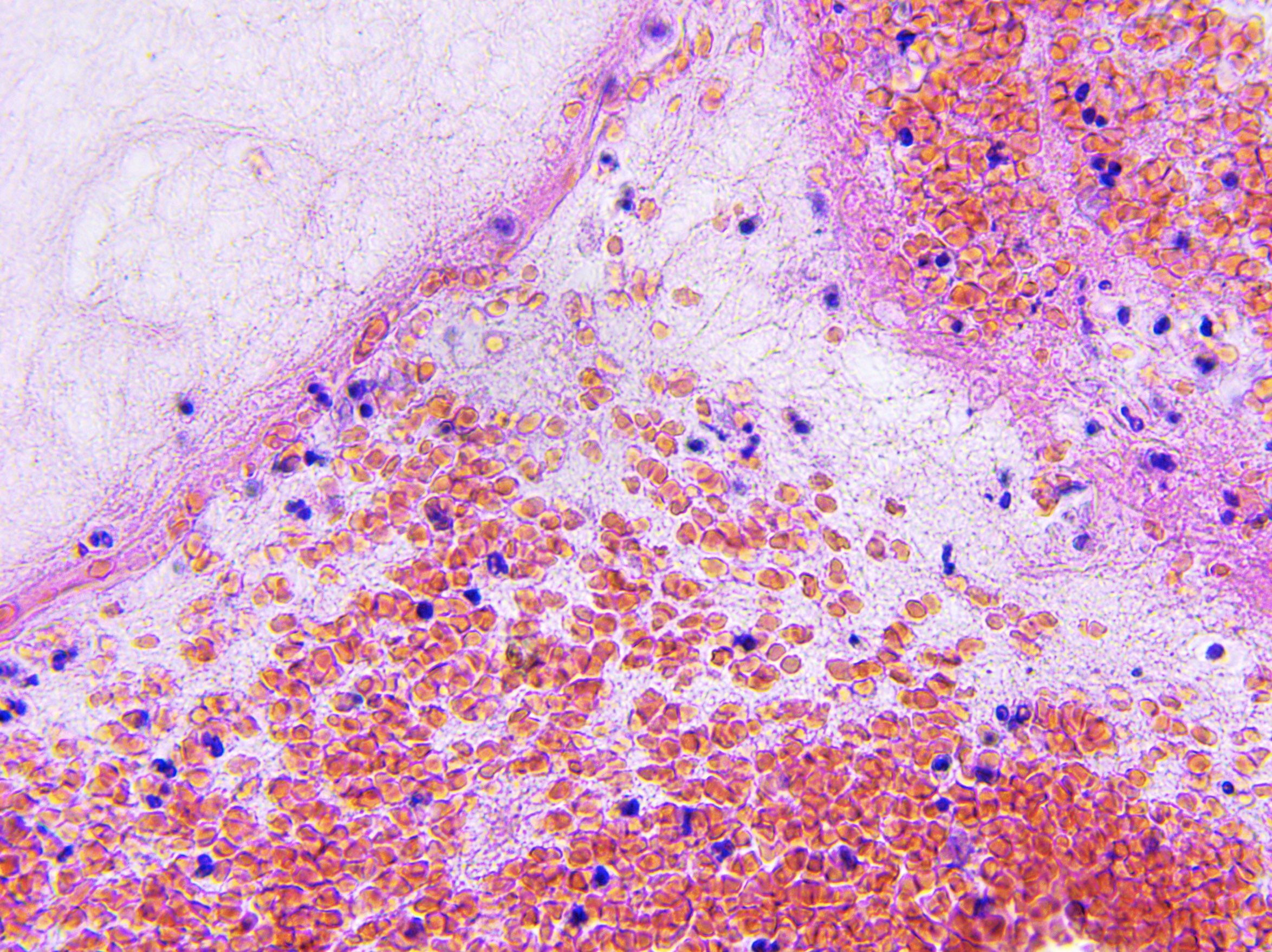
Clonal hematopoiesis (CH) is an age‑related process in which blood-forming stem cells mutate and begin to produce a genetically distinct clone of blood cells. Though not cancer itself, CH arises silently in many otherwise healthy individuals.
“Many people with these mutant clones are stable, but those with mutations in TP53 have a much higher instance of leukemia,” said Yan Liu, PhD, associate professor of Medicine in the Division of Hematology and Oncology and senior author of the study. “Our work is trying to understand what triggers the mutant clone to expand over time.”
By studying blood cells and inflammatory responses in mice with CH and TP53 mutations, investigators found that inflammatory stress gives mutated hematopoietic stem and progenitor cells (HSPCs) a competitive edge over healthy cells, paving the way for the disease to progress.
The team discovered that inflammation activates the NLRP1 inflammasome, a multiprotein complex in immune cells that acts like a sensor for danger. The mutant cells then release even more inflammatory signals, the study found, creating a vicious cycle that weakens normal cells and allows the mutated ones to take over.
“What we found was that the mutant cells are actually resistant — they are not affected by inflammatory cytokines,” said Liu, who is also a member of the Robert H. Lurie Comprehensive Cancer Center of Northwestern University.
As people age, this process gets worse. The investigators analyzed mutant human blood cells and observed that TP53 mutations alter how cells process RNA, thereby activating pathways that keep inflammation elevated. This chronic inflammation in the bone marrow can eventually lead to blood cancers like leukemia.
However, the study suggests that targeting inflammation could halt this dangerous cascade.
Investigators found that blocking one of these inflammatory signals, called IL-1B, can reduce the advantage of mutant cells. The research opens new avenues for early intervention and monitoring in people with TP53 mutations, Liu said.
“Our work suggests that by reducing inflammation, we may prevent clonal hematopoiesis from progressing to leukemia,” Liu said.
Now, Liu and his collaborators hope to move toward targeting IL-1B in human patients with clonal hematopoiesis, he said.
“People who have these mutations, or even other mutations, could benefit from this type of treatment,” Liu said.
Madina Sukhanova, PhD, assistant professor of Pathology in the Division of Cytogenetics, was a corresponding author of the study. Additional Feinberg co-authors included Jessica K. Altman, MD, professor of Medicine in the Division of Hematology and Oncology and director of the Leukemia Program at the Lurie Cancer Center, and Yasmin Abaza, MD, assistant professor of Medicine in the Division of Hematology and Oncology.
The study was supported by National Institutes of Health grants R01 CA298152, R01 HL150624, R56 DK119524, R56 AG052501, as well as Department of Defense grants W81XWH-18-1-0265 and W81XWH-19-1-0575.