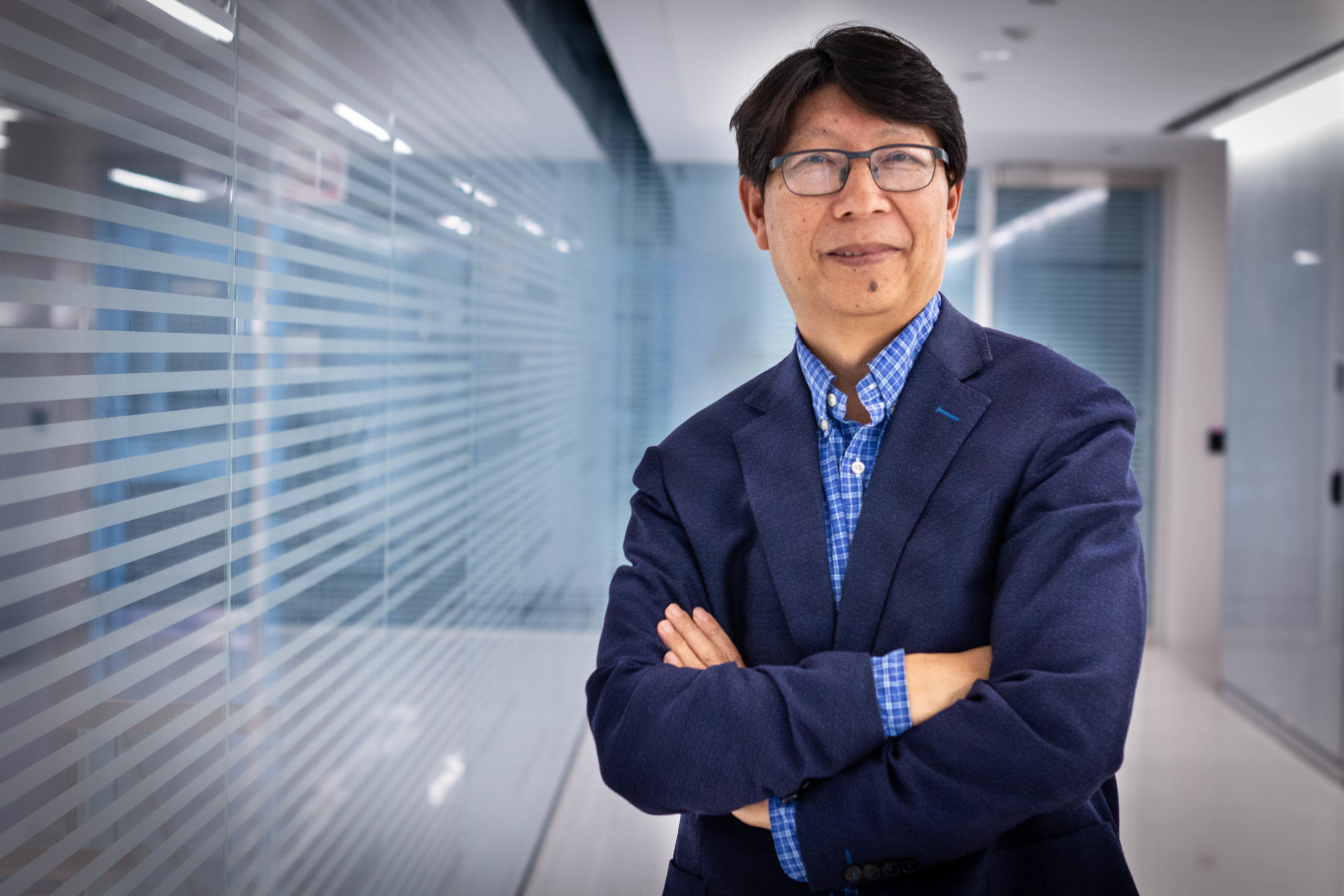
Northwestern Medicine scientists have identified a novel biomarker for immune immunotherapy resistance in cancer that may also serve as a potential therapeutic target for patients who don’t respond well to immunotherapy, according to a recent study published in The Journal of Clinical Investigation.
Deyu Fang, PhD, the Hosmer Allen Johnson Professor of Pathology, was senior author of the study.
Immune checkpoint blockade is a type of immunotherapy that blocks immune cell checkpoint receptors from binding with their ligands on the surface of cancer cells, preventing these proteins from “turning off” T-cells, which allows cytotoxic T-cells to attack cancer cells. Despite the treatment transforming the standard of care for cancer, this approach has been shown to be effective in only a small subset of patients.
Previous work has shown that decreased expression of MHC-I molecules in cancer cells, which under normal conditions present neoantigens (proteins that form on cancer cells) to immune cells, contributes to immune checkpoint blockade therapy resistance. The underlying molecular mechanisms promoting therapy resistance, however, have remained elusive.
“This is very important because if we know how to restore MHC-I mediated neoantigen presentation, we can target it and reverse this process and trigger the immune response,” Fang said.
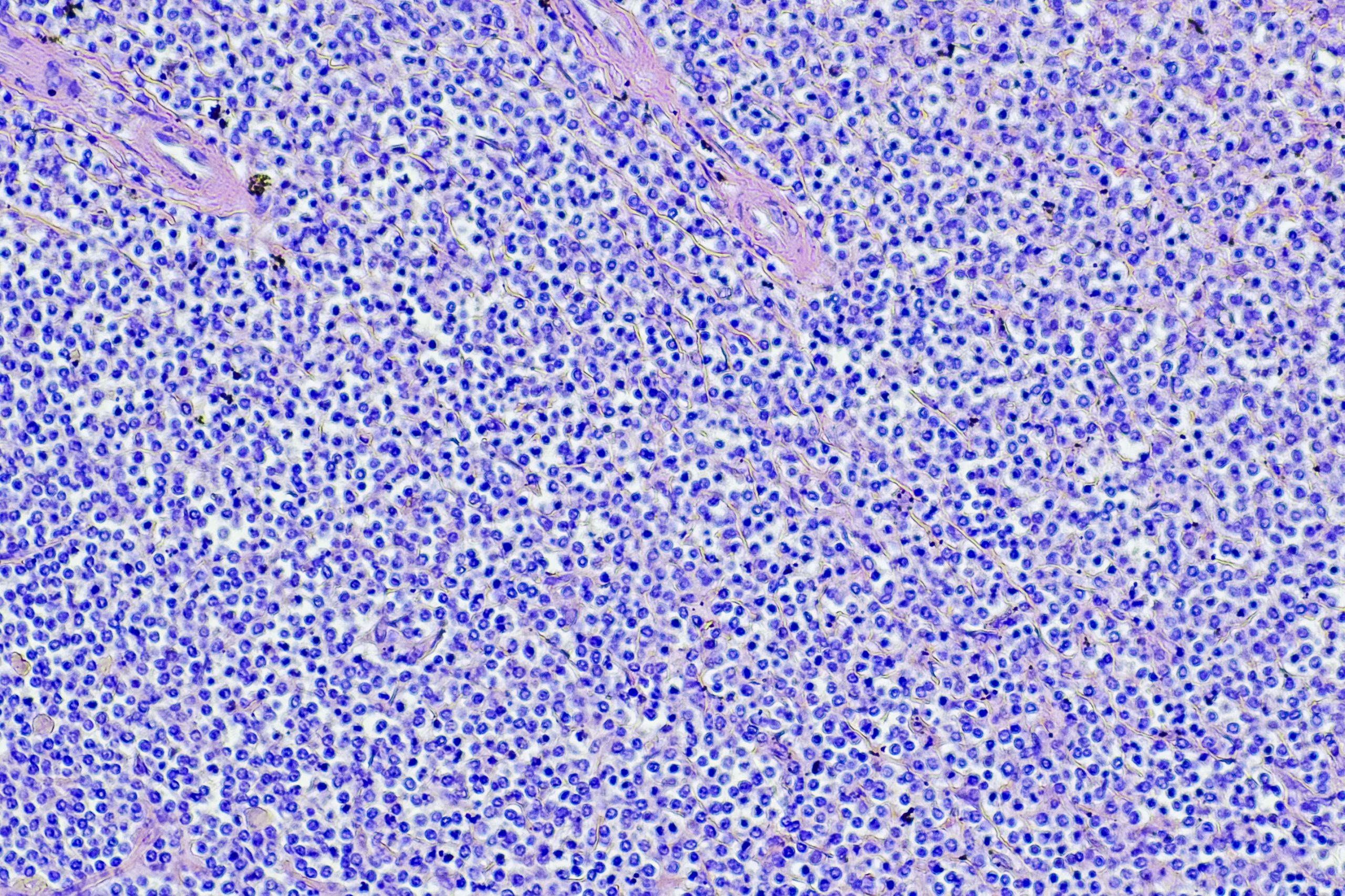
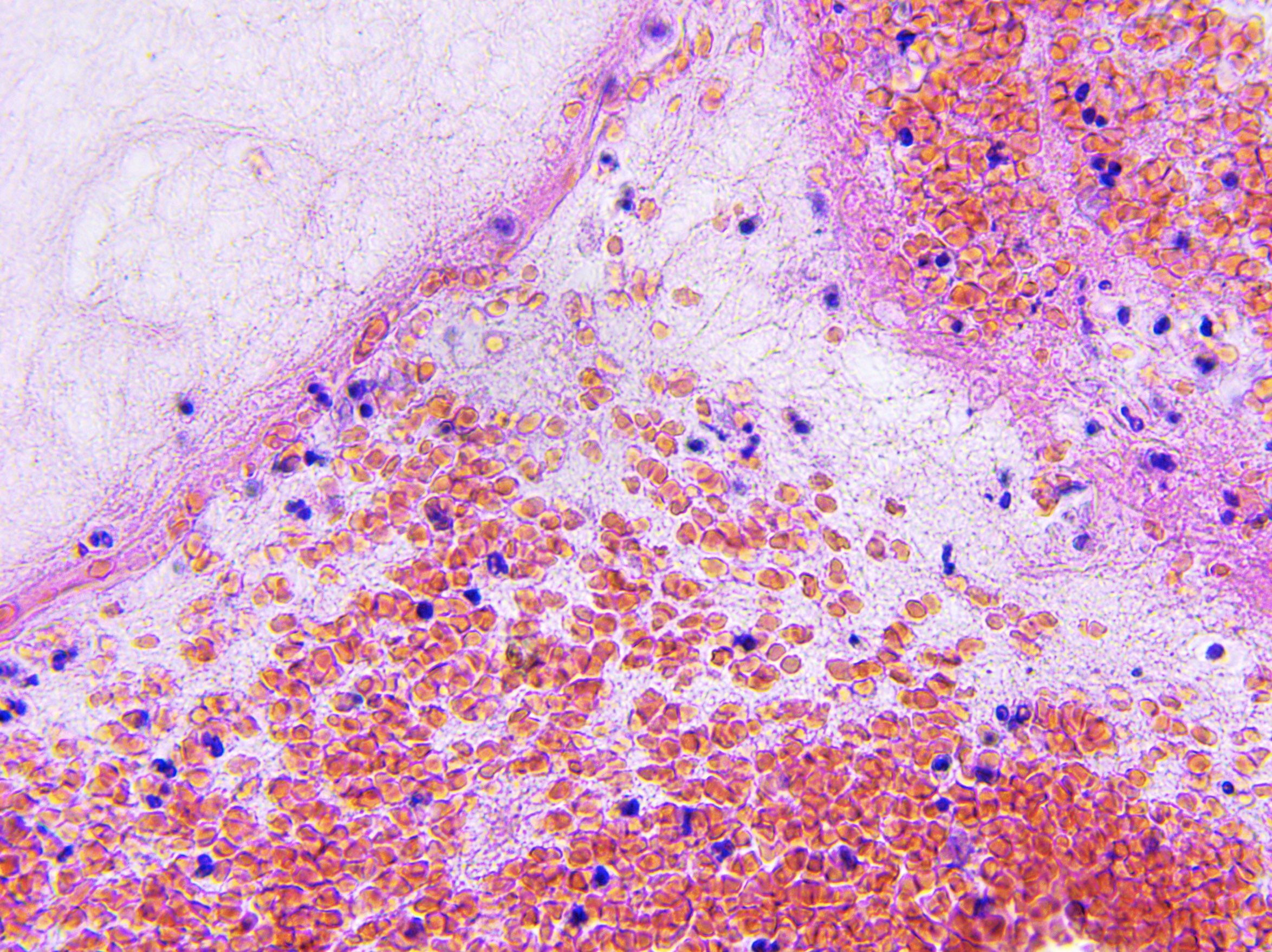
In the current study, the scientists used immunostaining techniques to study solid tumor biopsy samples from patients with lung cancer collected prior to receiving any immunotherapy, chemotherapy or radiotherapy.
From these samples, the scientists established that the USP22 protein is a key contributor to immune checkpoint blockade therapy resistance. Specifically, USP22 suppresses MHC-I molecules and inhibits their ability to present neoantigens to CD8 T-cells to initiate an immune response.
Next, in lung, breast and colon cancer mouse models, the scientists targeted USP22 through genetic inhibition and pharmacologic small molecule inhibitors. They found that USP22 inhibition increased immune responses in mice by increasing MHC-I expression in the tumors.
“As a consequence, the resistance to immune checkpoint blockade was overcome and resulted in a complete tumor rejection,” Fang said.
The findings suggest that USP22 may be a promising diagnostic biomarker and a therapeutic target for immune checkpoint blockade therapy resistance, which has the potential to inform more effective treatment strategies for patients.
“What we noticed is that nearly all of those immune checkpoint blockade-resistant tumors have extensively high USP22. In the future, I think if we inhibit USP22, we will make the majority of therapeutically resistant patients respond to anti-tumor immunotherapy,” Fang said.
Kun Liu, PhD, a postdoctoral fellow in the Fang laboratory, was lead author of the study.
Co-authors include Radhika Iyer, Amy Tang and Noah Marx, students in the Driskill Program in Life Sciences (DGP); Daniel Martin Watterson, PhD, the John G. Searle Professor of Molecular Biology and Biochemistry; Seema Khan, MD, the Bluhm Family Professor of Cancer Research; William J Gradishar, MD, the Betsy Bramsen Professor of Breast Oncology; and Huiping Liu, MD, PhD, associate Professor of Pharmacology, of Medicine in the Division of Hematology and Oncology.
Fang, Khan, Gradishar and Liu are member of the Robert H. Lurie Comprehensive Cancer Center of Northwestern University. Fang is also a member of the Center for Human Immunobiology.
This work was supported by National Institutes of Health grants R01DK126908, R01DK120330, R01CA257520, R01CA284740, CA232347, T32GM105538 and T32GM149439.