Tag: Research
-

Medical and MPH Students Present Research at Poster Session
Feinberg recently hosted a joint poster session for second-year medical students and students in the Master of Public Health program, bringing together 120 MD and MPH students who presented projects spanning public health, clinical medicine, basic science and health equity.
-

How a Cellular ‘Engine’ Controls Building Blocks of DNA
Northwestern Medicine scientists have uncovered a surprising link between a tiny cellular engine and the way cancer cells build the DNA they need to proliferate, according to a new study published in Molecular Cell.
-

New Study Could Help Your Doctor Make Smarter Treatment Decisions
By presenting just the “sweet spot” of treatment alternatives in an electronic health record system, physicians were more likely to choose a high-quality alternative, according to a recent study.
-

Aortic Valve Replacements and Surgery Show Similar Long-Term Survival Rates
Patients with severe aortic stenosis who had a transcatheter aortic valve replacement procedure demonstrated similar seven-year survival outcomes compared to patients who had traditional surgery, according to a recent study published in The New England Journal of Medicine.
-
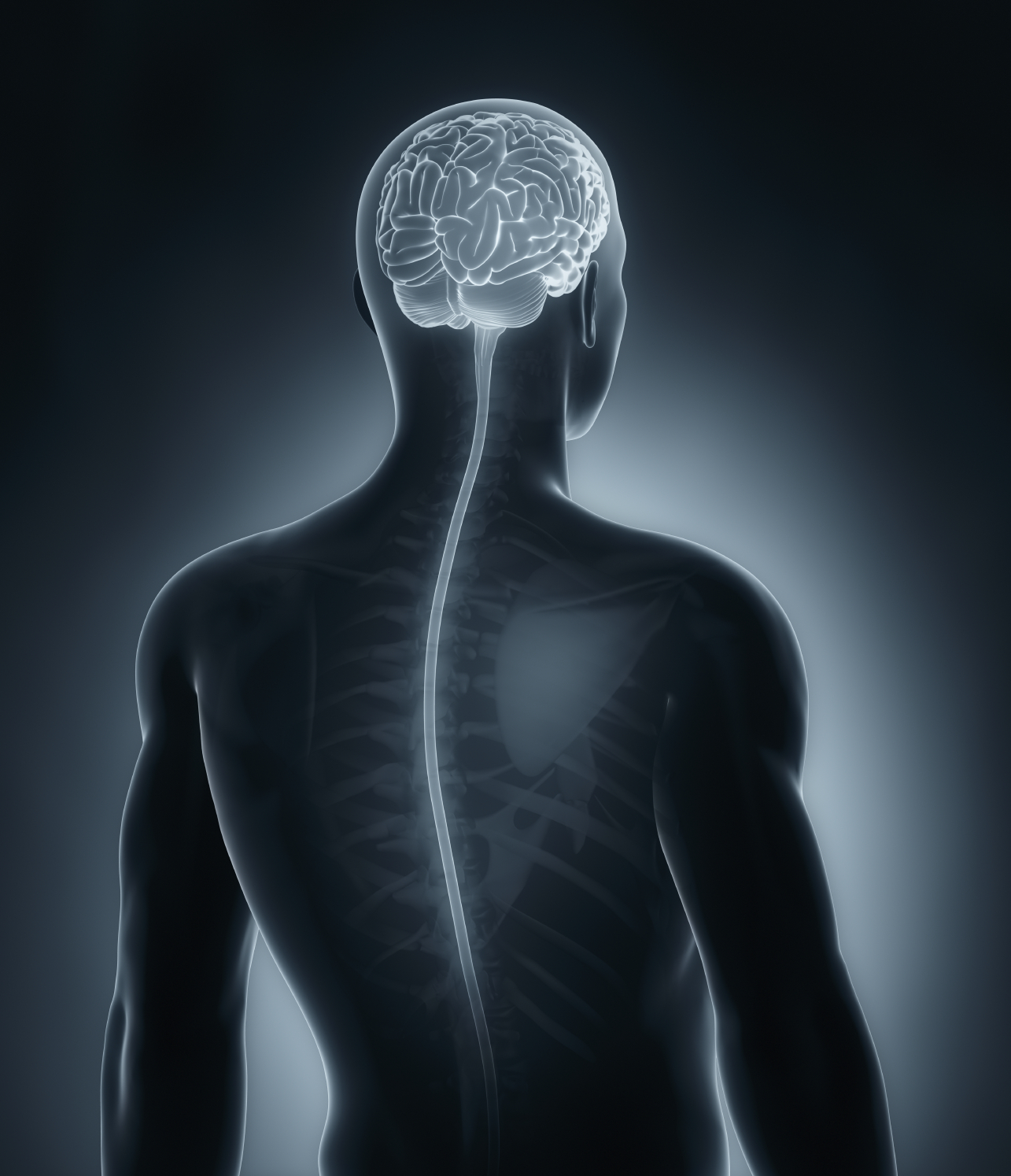
Novel Imaging Approach May Improve Treatment for Spinal Cord Injuries
Northwestern Medicine investigators have developed a new imaging approach to more accurately assess blood flow in the spinal cord, a method that could be used to better inform treatment for neurological diseases and injuries, as described in a recent study published in Scientific Reports.
-

Preventing Lung Disease in Preterm Babies
A multicenter clinical trial found that intratracheal steroids do not reduce the risk of lung disease or death in extremely preterm infants, according to the study published in JAMA.
-
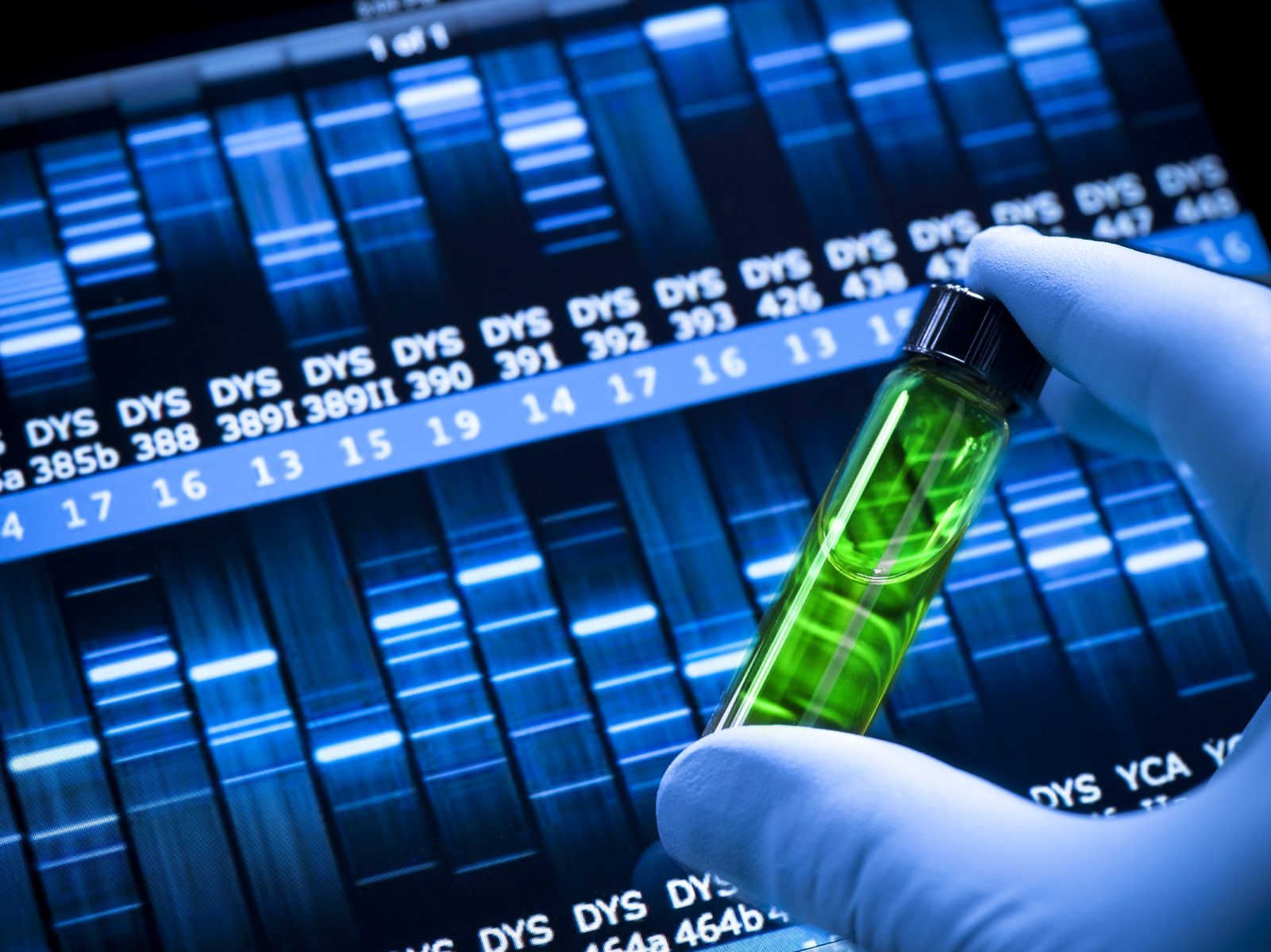
Genetic Testing Trifecta Predicts Risk of Sudden Cardiac Death and Arrhythmia
Scientists have developed a more precise genetic risk score to determine whether a person is likely to develop arrhythmia, which can lead to serious conditions such as atrial fibrillation or sudden cardiac death.
-
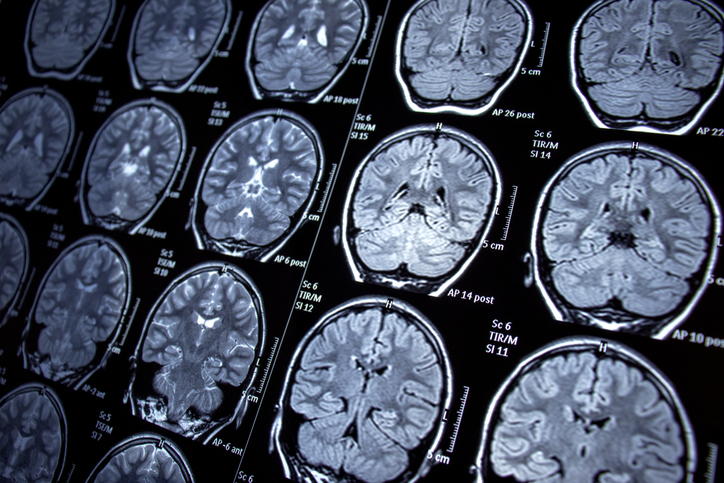
Predicting Risk of Sudden Death in Epilepsy
An international team of scientists has identified critical risk factors that could help predict sudden unexpected death in epilepsy, according to a study published in The Lancet.
-
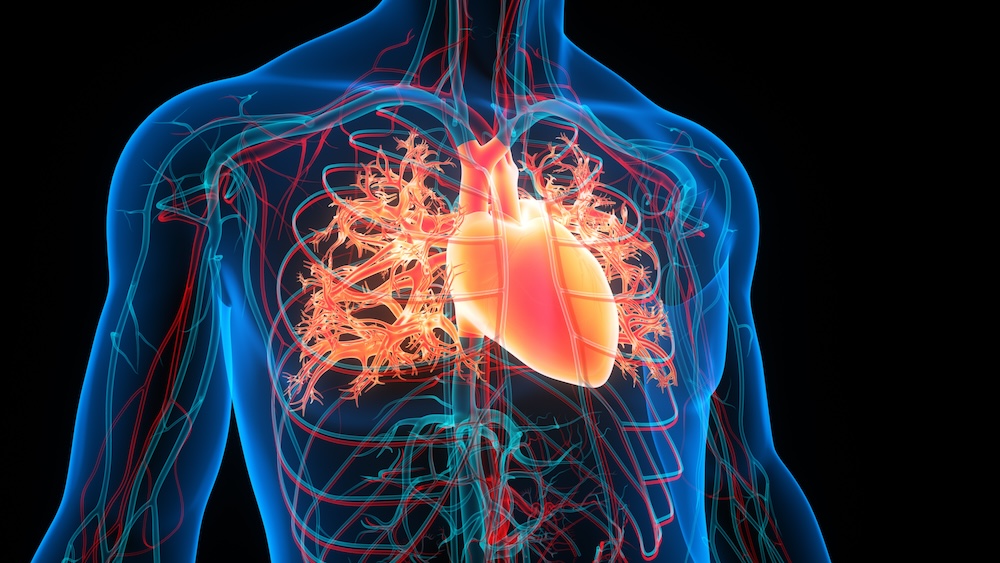
Targeting Cardiovascular Aging to Reduce Disease Risk
Northwestern Medicine scientists have uncovered new insights into how the PAI-1 protein contributes to cardiovascular aging and how inhibiting PAI-1 may be a promising therapeutic approach for mitigating cardiovascular disease, according to recent findings published in The Journal of Clinical Investigation.
-

Les Turner Symposium on ALS Celebrates Advancements
Northwestern scientists, clinicians and people living with ALS gathered to learn about the latest research and celebrate advancements in patient care during the 15th annual Les Turner Symposium on ALS held at Northwestern Memorial Hospital on November 3.