Tag: Neurology
-
As Superagers Age, They Make at Least Twice as Many New Neurons as Their Peers
New research shows that the brains of “SuperAgers” continue to generate new neurons in the hippocampus at levels far higher than typical older adults, and even much younger individuals.
-
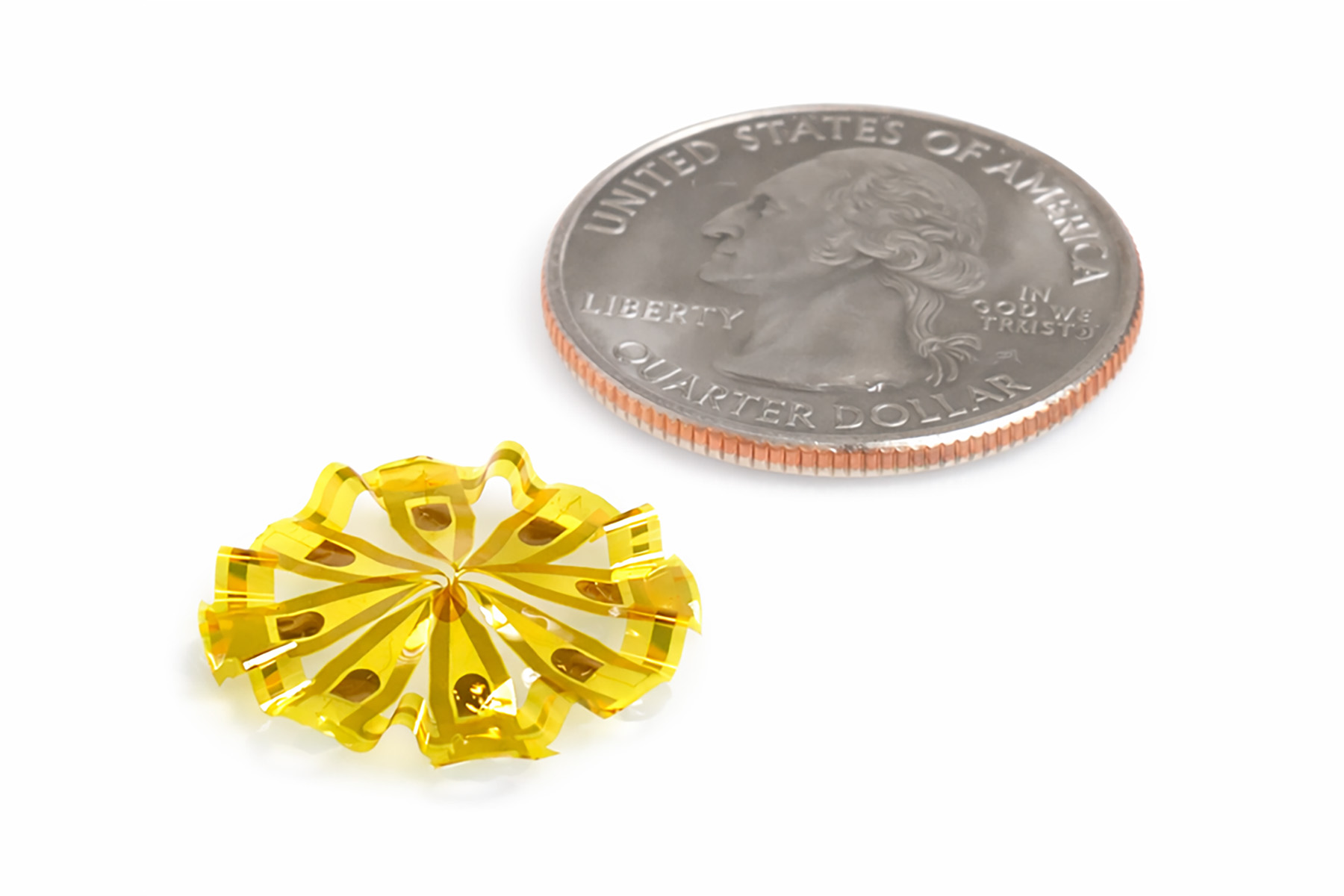
Living ‘Mini Brains’ Meet Next-Generation Bioelectronics
A team led by Northwestern University and Shirley Ryan AbilityLab scientists have developed a new technology that can eavesdrop on the hidden electrical dialogues unfolding inside miniature, lab-grown human brain-like tissues.
-
Experimental Stroke Drug Slows Bleeding but Doesn’t Improve Recovery
A global clinical trial has found that recombinant factor VIIa, a drug designed to rapidly slow bleeding in the brain after a hemorrhagic stroke, does not improve long‑term recovery for patients, according to a study published in The Lancet
-

Common Anti-Seizure Drug Prevents Alzheimer’s Plaques from Forming
Northwestern University scientists have pinpointed when and where toxic proteins accumulate within the brains of Alzheimer’s patients — and discovered a decades-old Food and Drug Administration (FDA)-approved drug that can stop the accumulation process before it even begins, according to a recent study published in Science Translational Medicine.
-
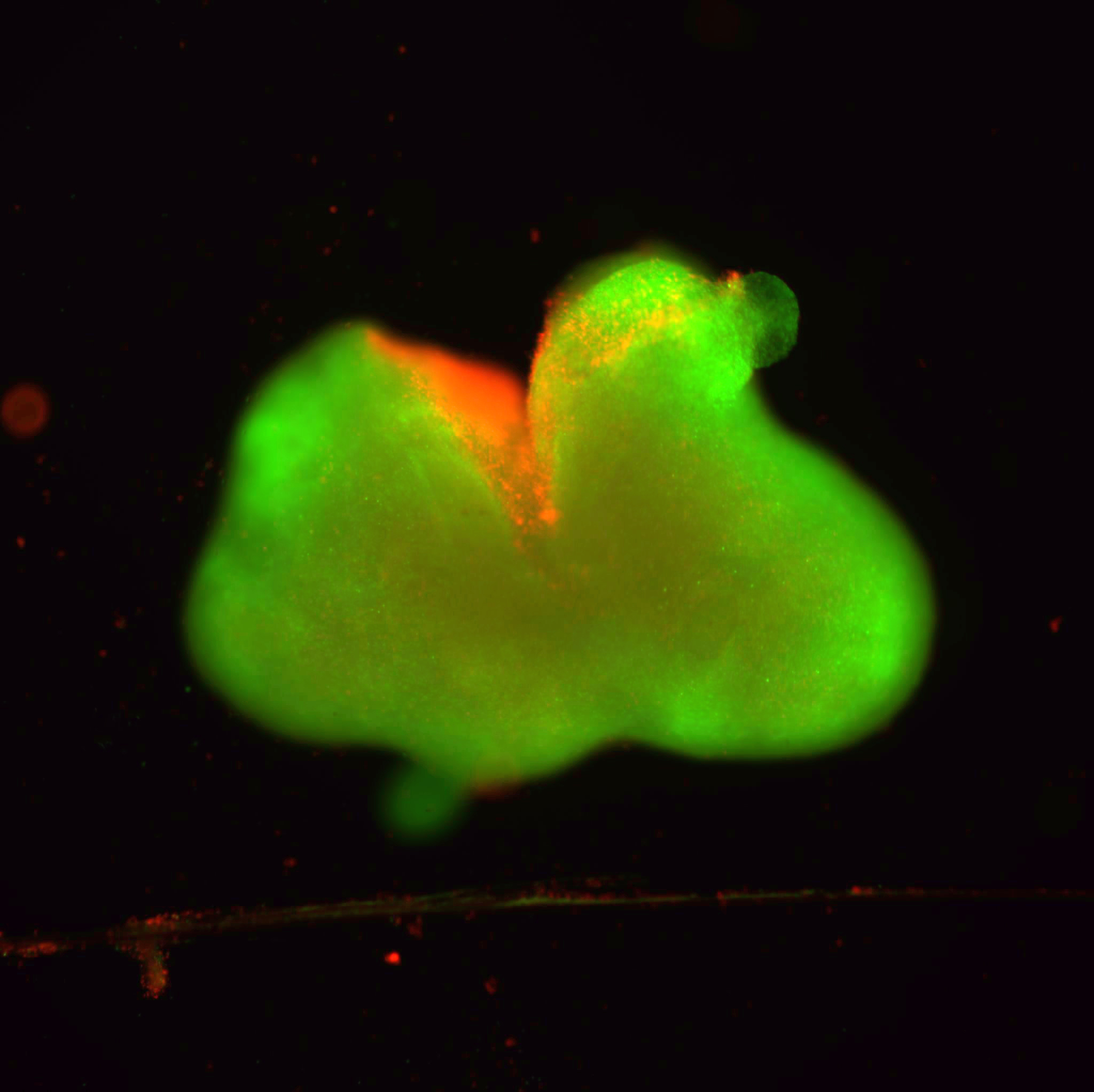
Paralysis Treatment Heals Lab-Grown Human Spinal Cord Organoids
Using lab-grown human spinal cord organoids — miniature organs derived from stem cells — Northwestern scientists have modeled different types of spinal cord injuries and tested a promising new regenerative therapy.
-
New Institute Envisions Future Where Our Brains Last as Long as Our Bodies
Northwestern University has launched the Simpson Querrey Brain Health Institute (SQ-Brain), made possible by nearly $25 million in philanthropic funding from university trustee Kimberly K. Querrey.
-
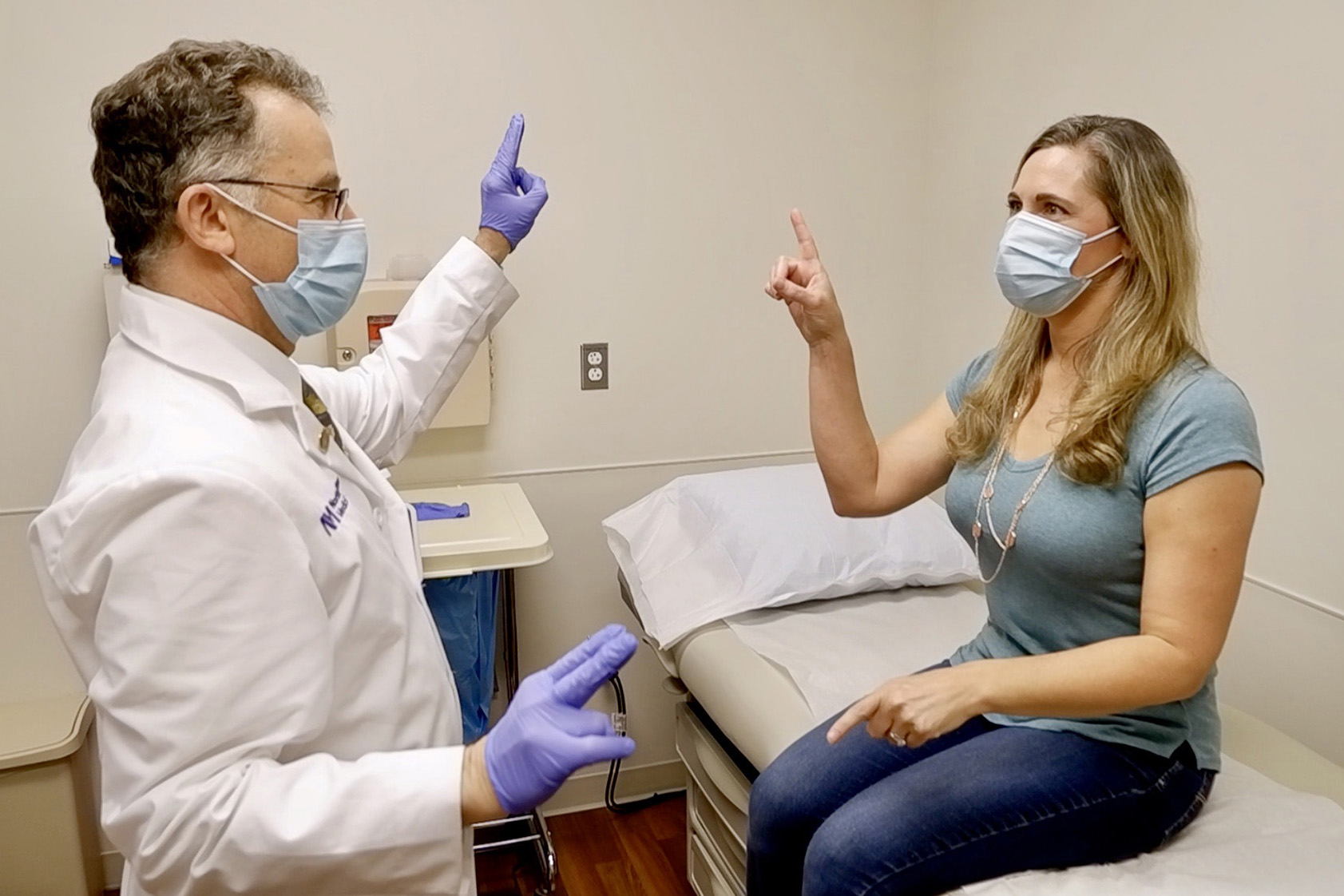
Long COVID Brain Fog Far More Common in US than India, Other Nations
Patients with long COVID-19 in the U.S. report far higher rates of brain fog, depression and cognitive symptoms than patients in countries such as India and Nigeria, according to a large international study led by Northwestern Medicine.
-
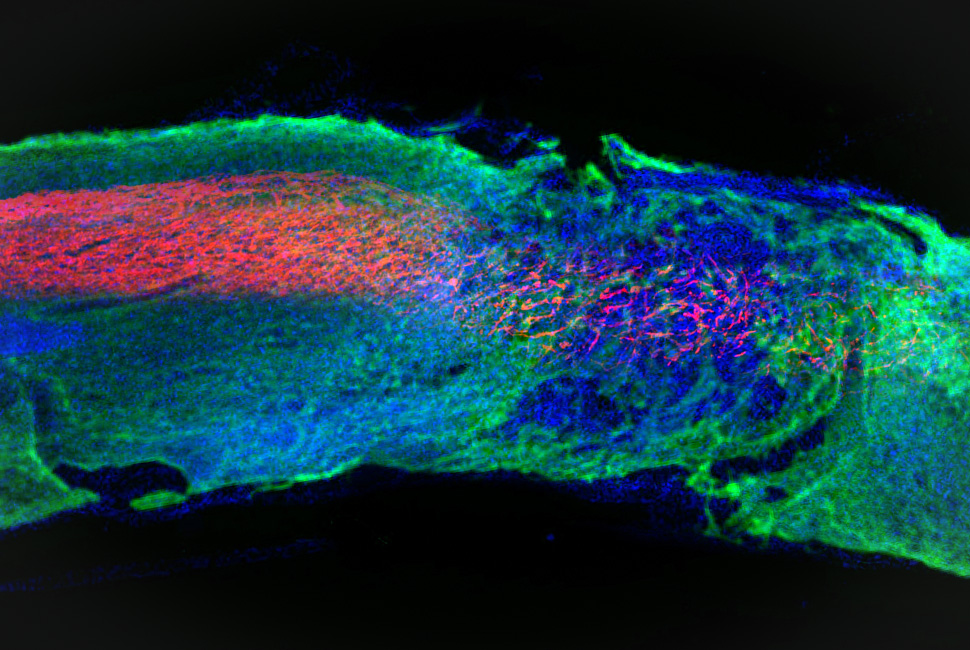
Post-Stroke Injection Protects the Brain in Preclinical Study
Northwestern University scientists have developed an injectable regenerative nanomaterial that helps protect the brain during the vulnerable window after a patient suffers a stroke.
-
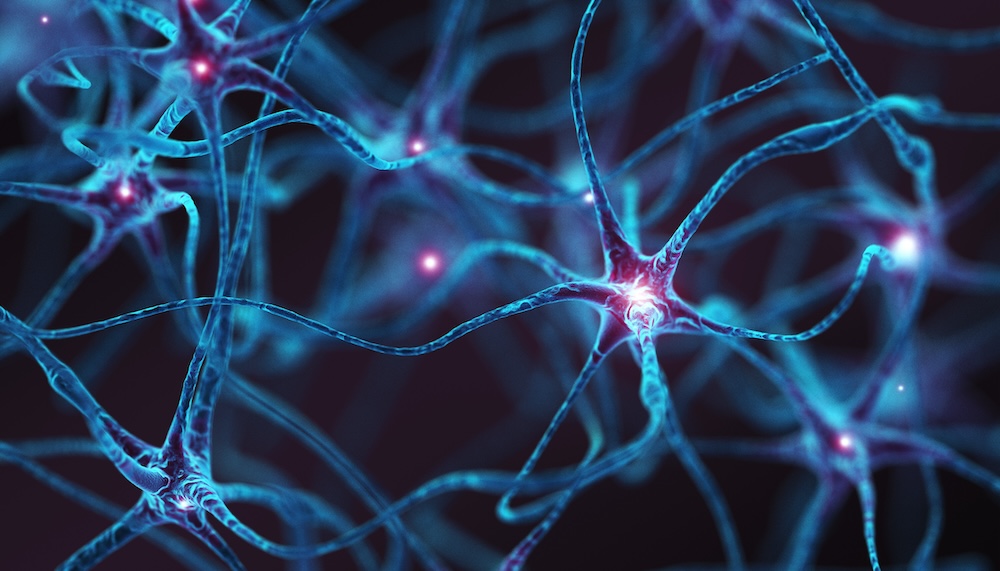
NU-9 Halts Alzheimer’s Disease In Animal Model Before Symptoms Begin
In a new study, scientists have identified a previously unknown driver of Alzheimer’s disease, and an experimental drug developed at Northwestern University has demonstrated further promise as an early intervention to treat the disease.
-
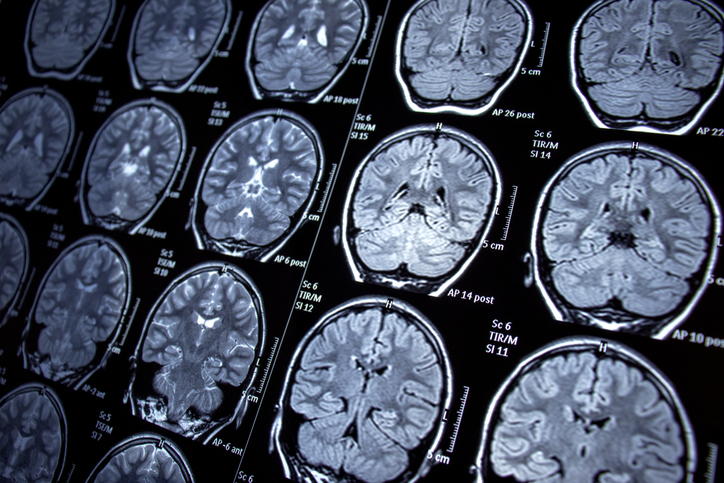
Predicting Risk of Sudden Death in Epilepsy
An international team of scientists has identified critical risk factors that could help predict sudden unexpected death in epilepsy, according to a study published in The Lancet.