Tag: Neurology and Neuroscience
-
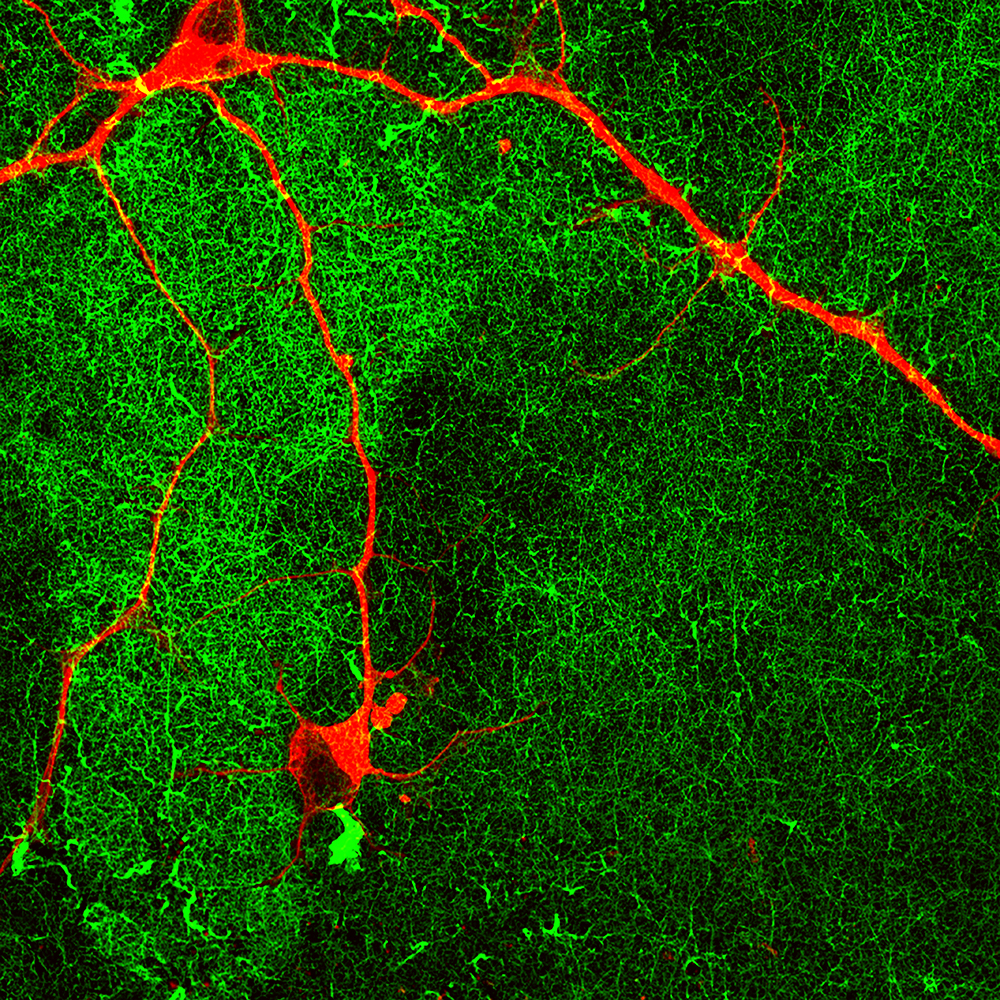
Mature ‘Lab Grown’ Neurons Hold Promise for Neurodegenerative Disease
Northwestern scientists have created the first highly mature neurons from human induced pluripotent stem cells, a feat that opens new opportunities for medical research and potential transplantation therapies for neurodegenerative diseases.
-
Northwestern Investigators Develop New Therapy for Autism Subtype
A team of Northwestern investigators led by Peter Penzes, PhD, has developed a new therapy that could treat Phelan-McDermid syndrome, a subtype of autism spectrum disorder.
-

New Immune Culprit Discovered in Alzheimer’s Disease
A new Northwestern Medicine study has discovered the role of cerebrospinal fluid in cognitive impairment, such as Alzheimer’s disease.
-

Kennedy Receives 2022 Eppendorf and Science Prize for Neurobiology
Ann Kennedy, PhD, assistant professor of Neuroscience, has been named the winner of the 2022 Eppendorf and Science Prize for Neurobiology.
-
New Leadership in Mesulam Center for Cognitive Neurology and Alzheimer’s Disease
After 28 years of leadership, M. Marsel Mesulam, MD, has announced that he will be stepping down as director of the Mesulam Center for Cognitive Neurology and Alzheimer’s Disease; he will be succeeded by Robert Vassar, PhD.
-
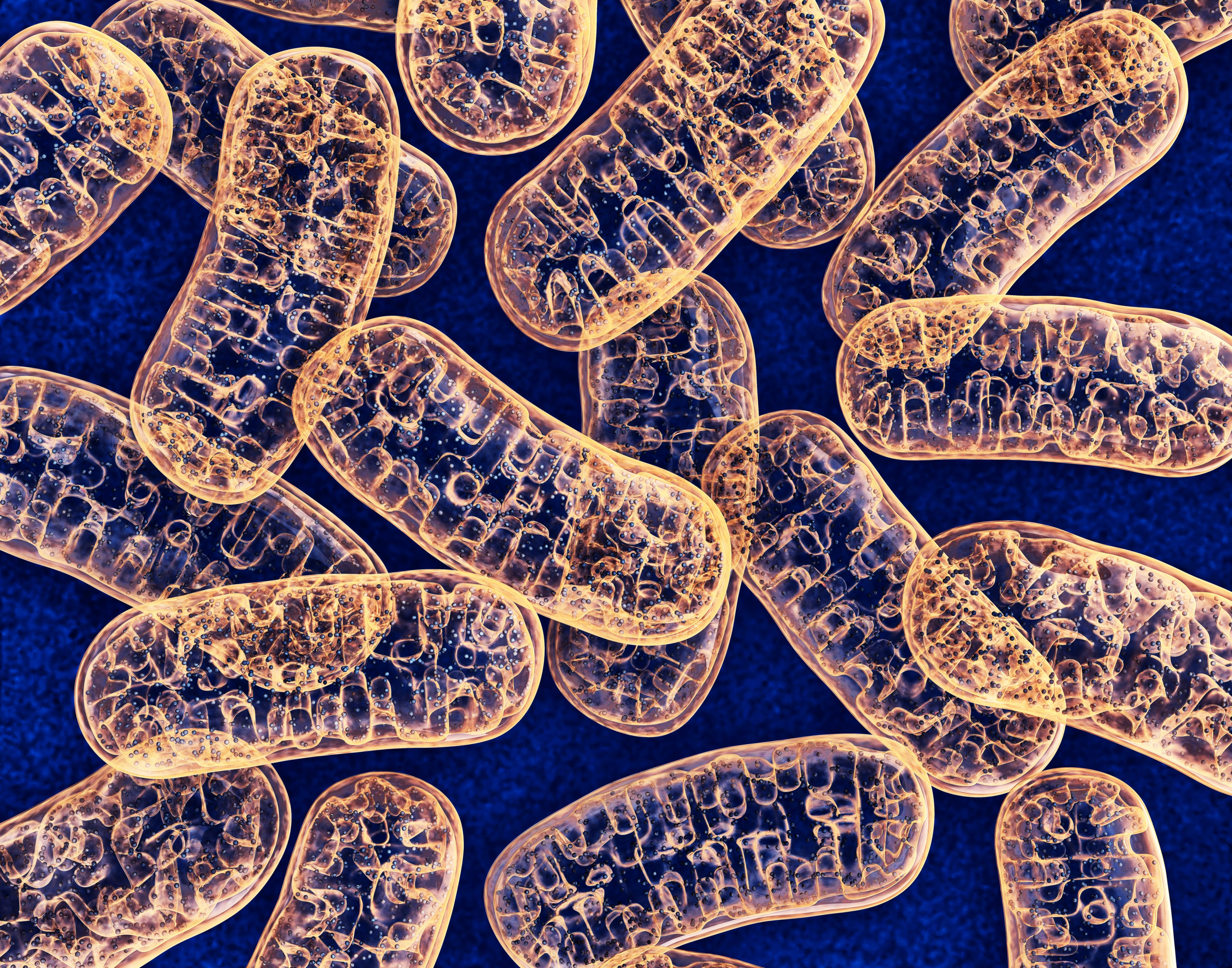
Study Investigates Crosstalk Between Mitochondria and Lysosomes
Northwestern Medicine investigators have discovered that outer mitochondrial membrane proteins regulate crosstalk between mitochondria and lysosomes, findings that have implications for many diseases.
-
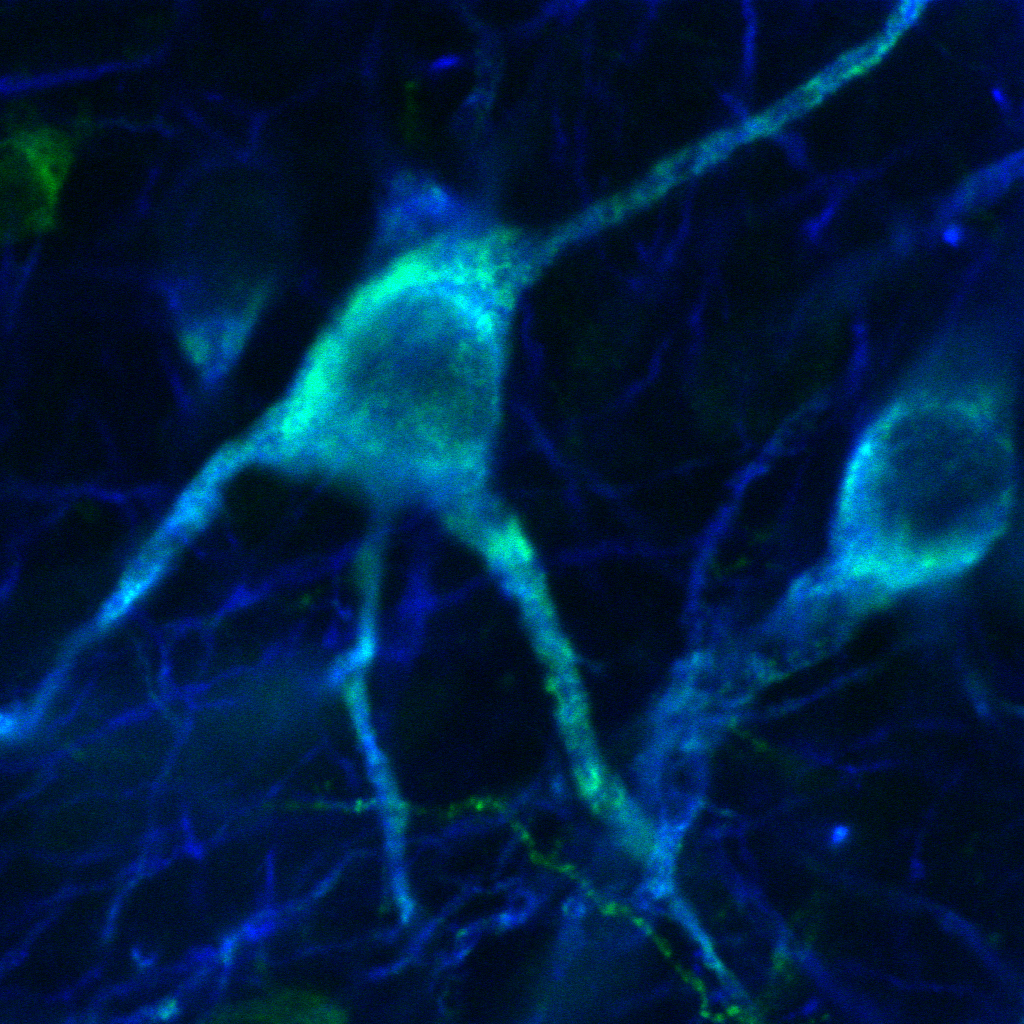
Study Uncovers Role of Mitochondrial Energy Production in Dopaminergic Neurons
Northwestern Medicine investigators have discovered that dopaminergic neurons in the substantia nigra utilize a specific ion channel to control energy production and meet bioenergetic need, according to a recent study.
-

Krainc Elected to the National Academy of Medicine
Dimitri Krainc, MD, PhD, chair and Aaron Montgomery Ward Professor of Neurology, has been elected to the National Academy of Medicine.
-
Investigating the Role of Dopamine Circuits in Habit Formation
Scientists have uncovered how dopamine connects subregions of the striatum essential for habit formation, according to a Northwestern Medicine study.
-

New Insights in Retinal Neurons
Northwestern Medicine investigators have identified a new type of retinal ganglion cell, neurons that encode the visual environment and transmit information back to the brain.