Tag: Neurology and Neuroscience
-
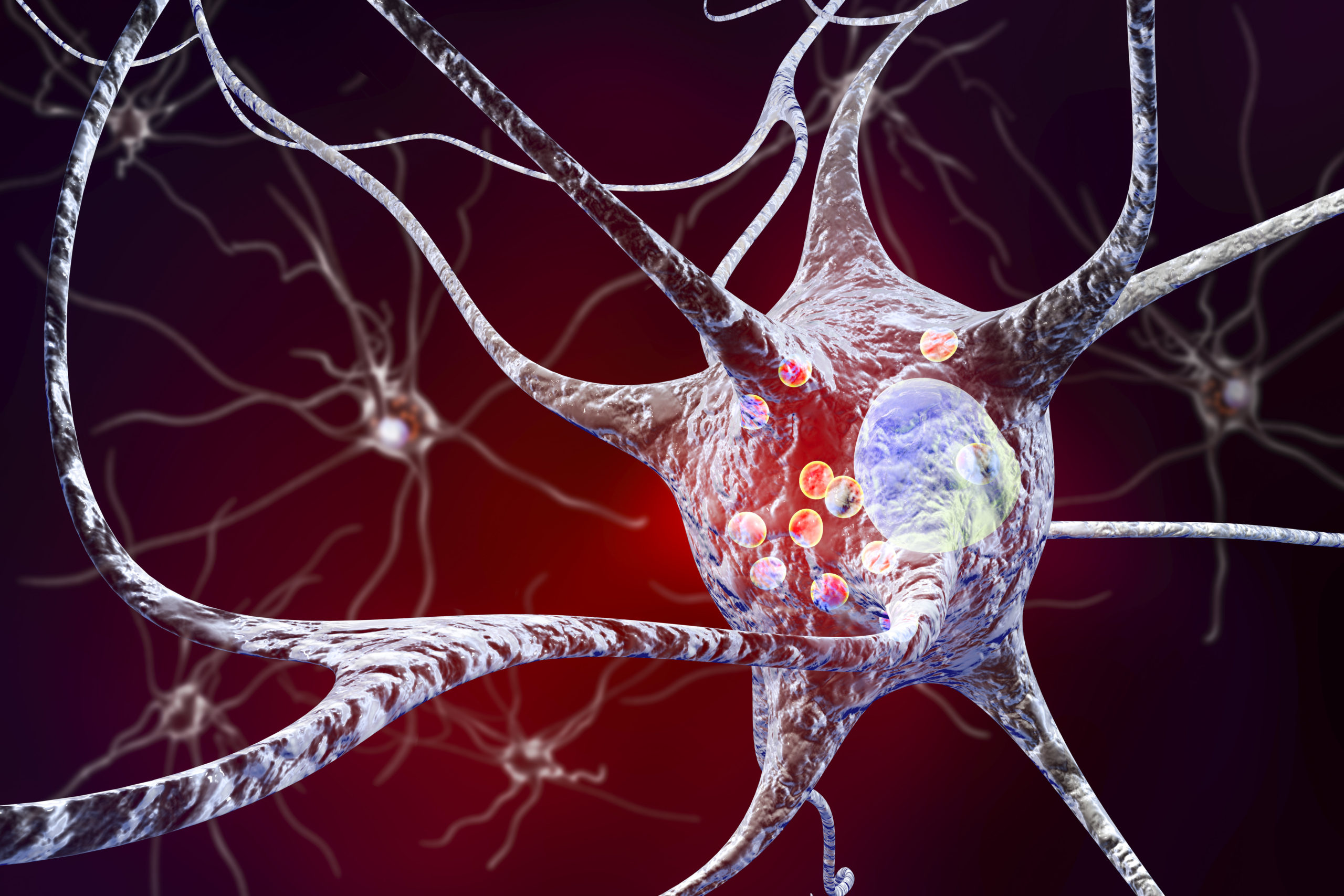
Experimental Drug Lowers Parkinson’s-Linked Protein in Early Trial
An experimental drug designed to silence a gene strongly linked to Parkinson’s disease has shown encouraging effects in a first-in-human clinical trial, according to a study published in Nature Medicine.
-
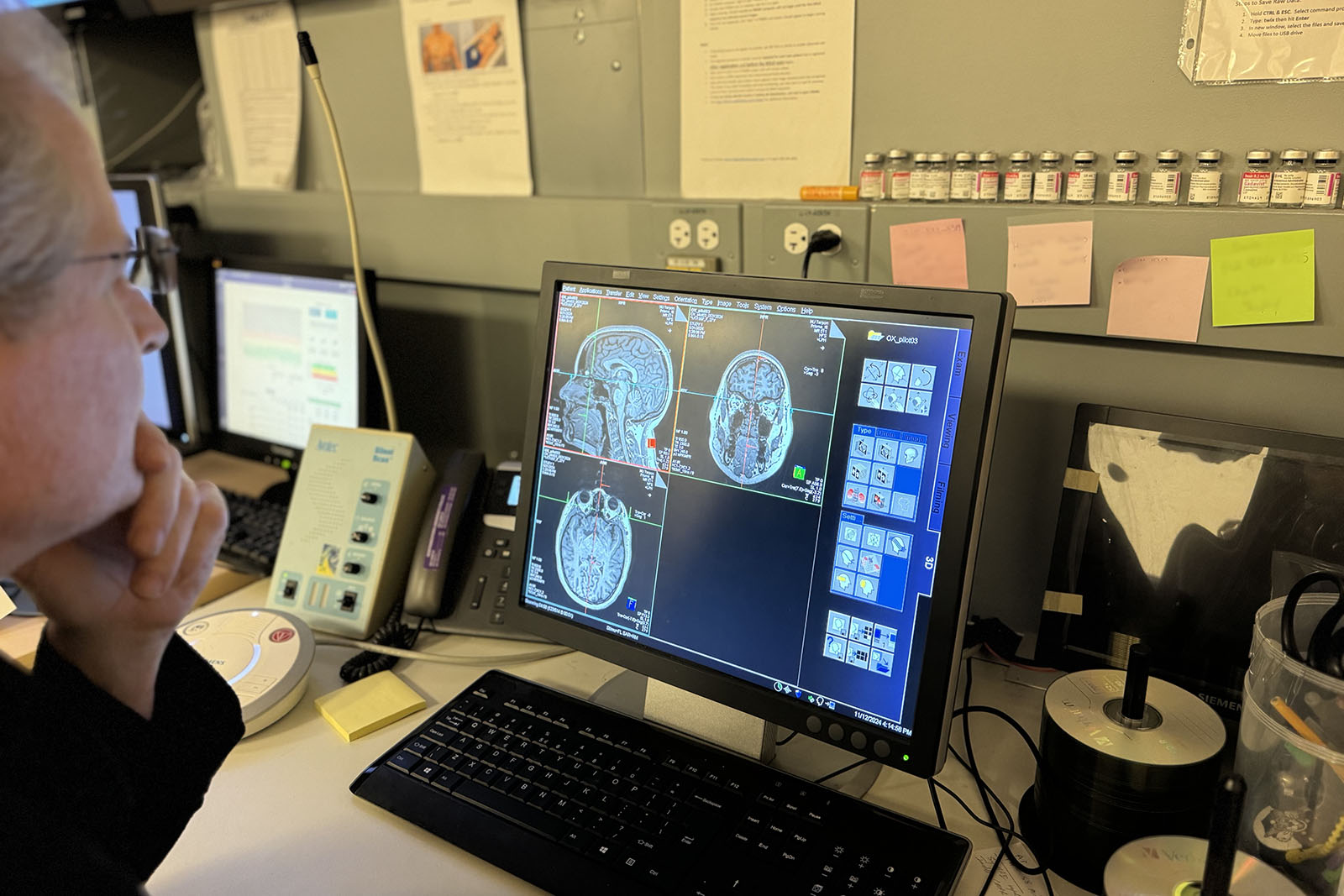
Imagination is More Than Sensory Replay
A new Northwestern University study suggests that higher‑level brain systems that interpret and organize perception may play a central role in imagination in addition to sensory systems.
-
Schizophrenia Study Finds New Biomarker, Drug Candidate to Treat Cognitive Symptoms
A new Northwestern study in humans and mice has discovered a novel biomarker of schizophrenia that could also serve as a new drug candidate to treat the cognitive symptoms of the disorder.
-
First Gene Regulation Clinical Trials for Epilepsy Show Promising Results
A first‑ever gene‑regulation therapy tested in early‑phase clinical trials co‑led by Northwestern University Feinberg School of Medicine and Ann & Robert H. Lurie Children’s Hospital of Chicago has proven safe in children with Dravet syndrome who have exhausted conventional treatment options, according to a study published in the New England Journal of Medicine.
-
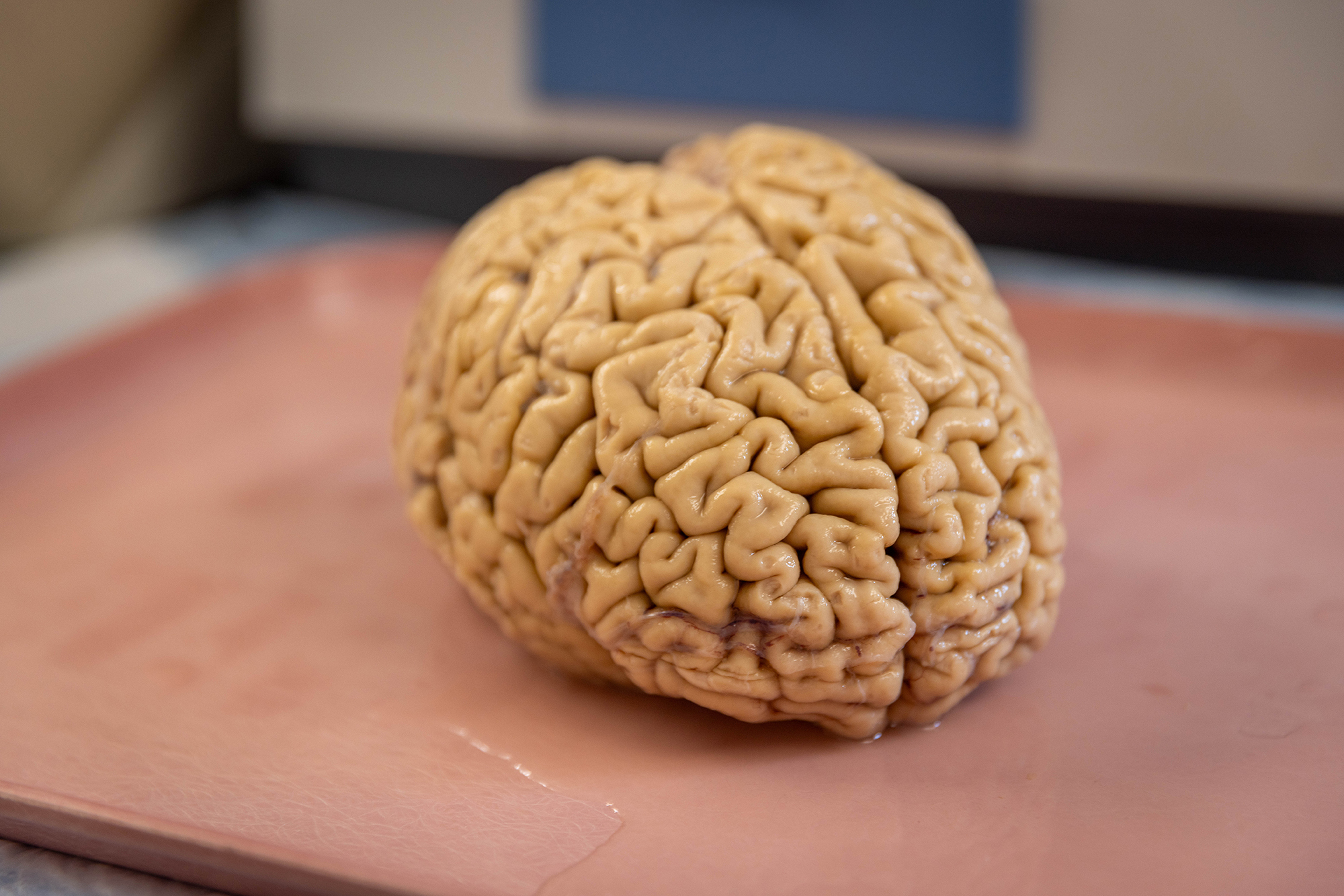
As Superagers Age, They Make at Least Twice as Many New Neurons as Their Peers
New research shows that the brains of “SuperAgers” continue to generate new neurons in the hippocampus at levels far higher than typical older adults, and even much younger individuals.
-
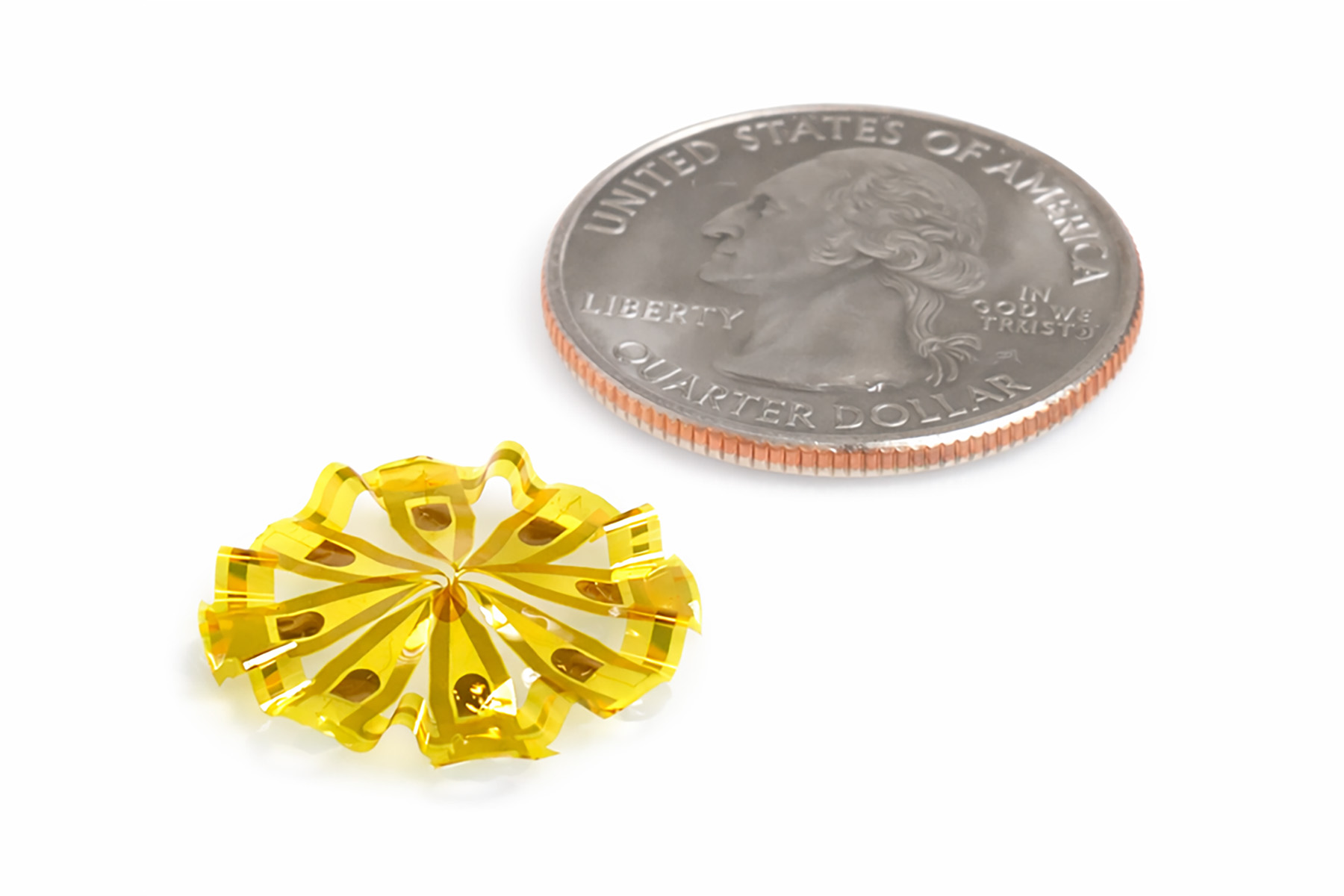
Living ‘Mini Brains’ Meet Next-Generation Bioelectronics
A team led by Northwestern University and Shirley Ryan AbilityLab scientists have developed a new technology that can eavesdrop on the hidden electrical dialogues unfolding inside miniature, lab-grown human brain-like tissues.
-
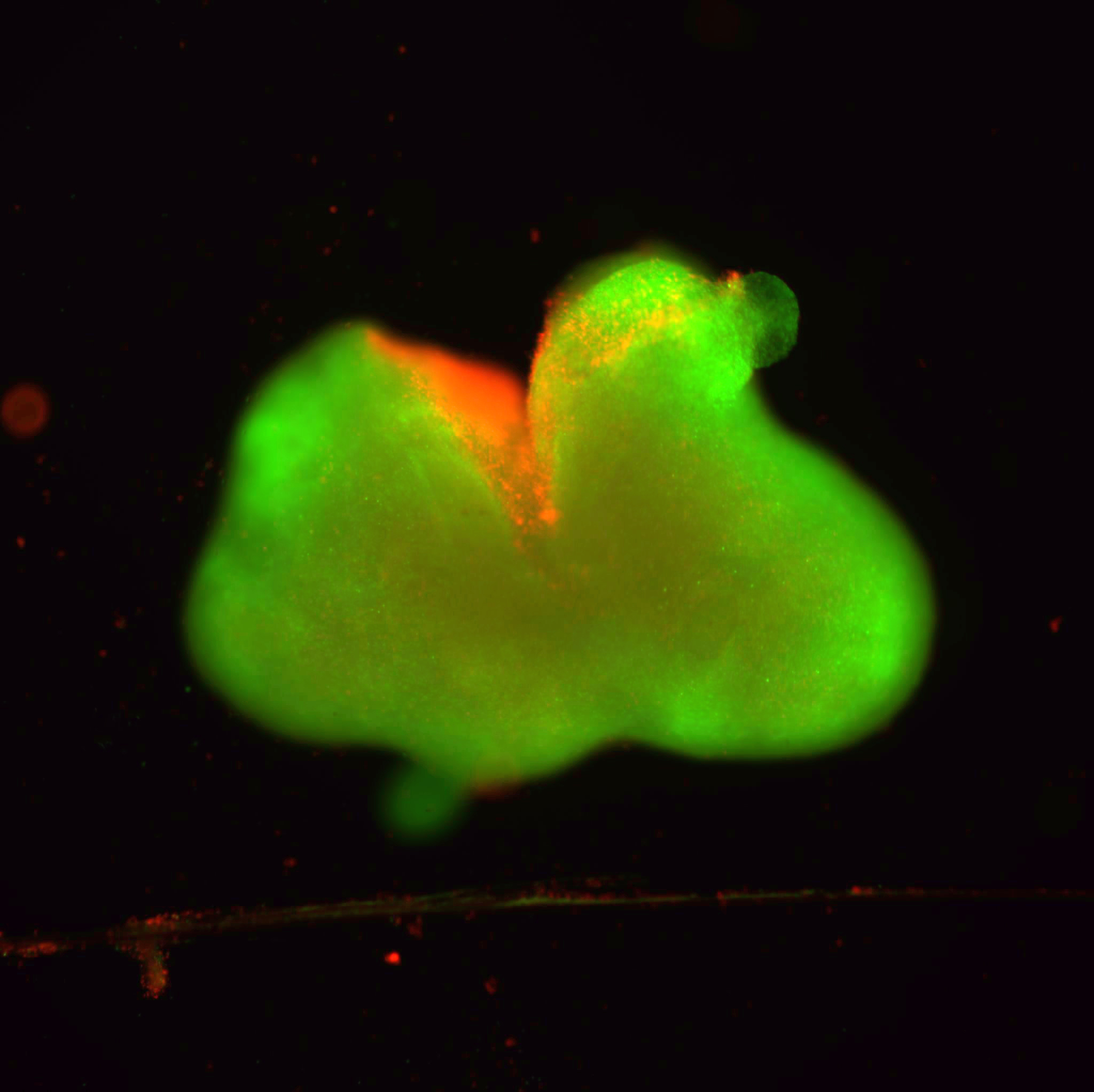
Paralysis Treatment Heals Lab-Grown Human Spinal Cord Organoids
Using lab-grown human spinal cord organoids — miniature organs derived from stem cells — Northwestern scientists have modeled different types of spinal cord injuries and tested a promising new regenerative therapy.
-
Long COVID Brain Fog Far More Common in US than India, Other Nations
Patients with long COVID-19 in the U.S. report far higher rates of brain fog, depression and cognitive symptoms than patients in countries such as India and Nigeria, according to a large international study led by Northwestern Medicine.
-
Targeting Key Proteins in Fight Against ALS
Northwestern Medicine scientists have zeroed in on a cellular gatekeeper that may hold promise for treating abnormal protein accumulation in neurodegenerative diseases, according to a study published in Nature Communications.
-
New Treatment Directions for Rare Brain Disorder
A Northwestern Medicine study has uncovered a promising new therapeutic approach for a rare genetic brain disorder, according to findings published in Nature Communications.