Tag: Health and Lifestyle
-
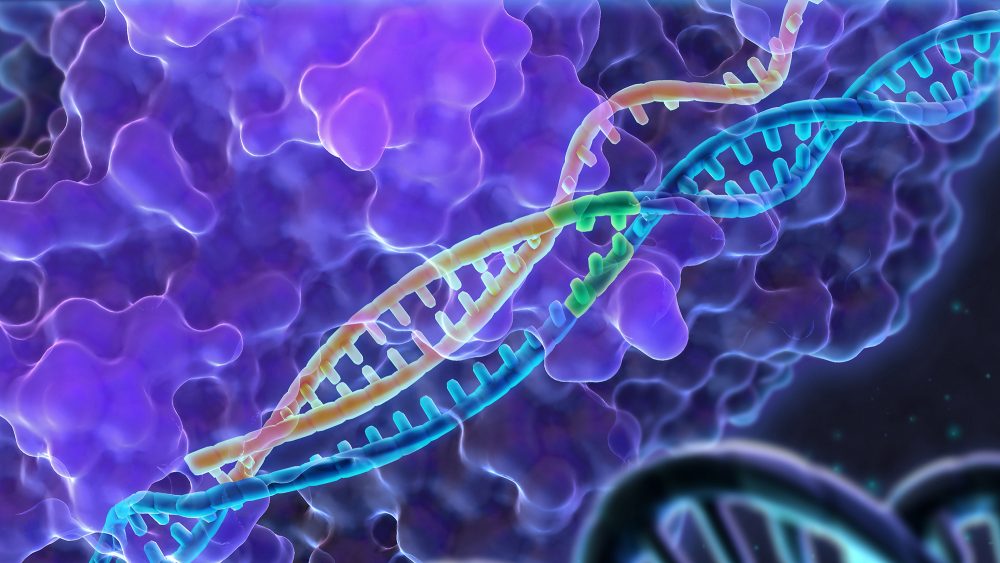
RNA Therapy May Help Preserve Muscle During GLP-1 Weight Loss
A new Northwestern University study offers a potential solution to muscle loss during GLP-1 therapy: an experimental RNA therapy that induces the body to burn calories, enhancing the benefits of the weight-loss treatment.
-

Extreme Heat Linked to 33 Diagnoses That Go Beyond Dehydration, Heat Stroke
A new Northwestern University study suggests that extreme heat is linked to a much wider range of health problems seen in emergency departments and urgent care clinics than previously expected.
-
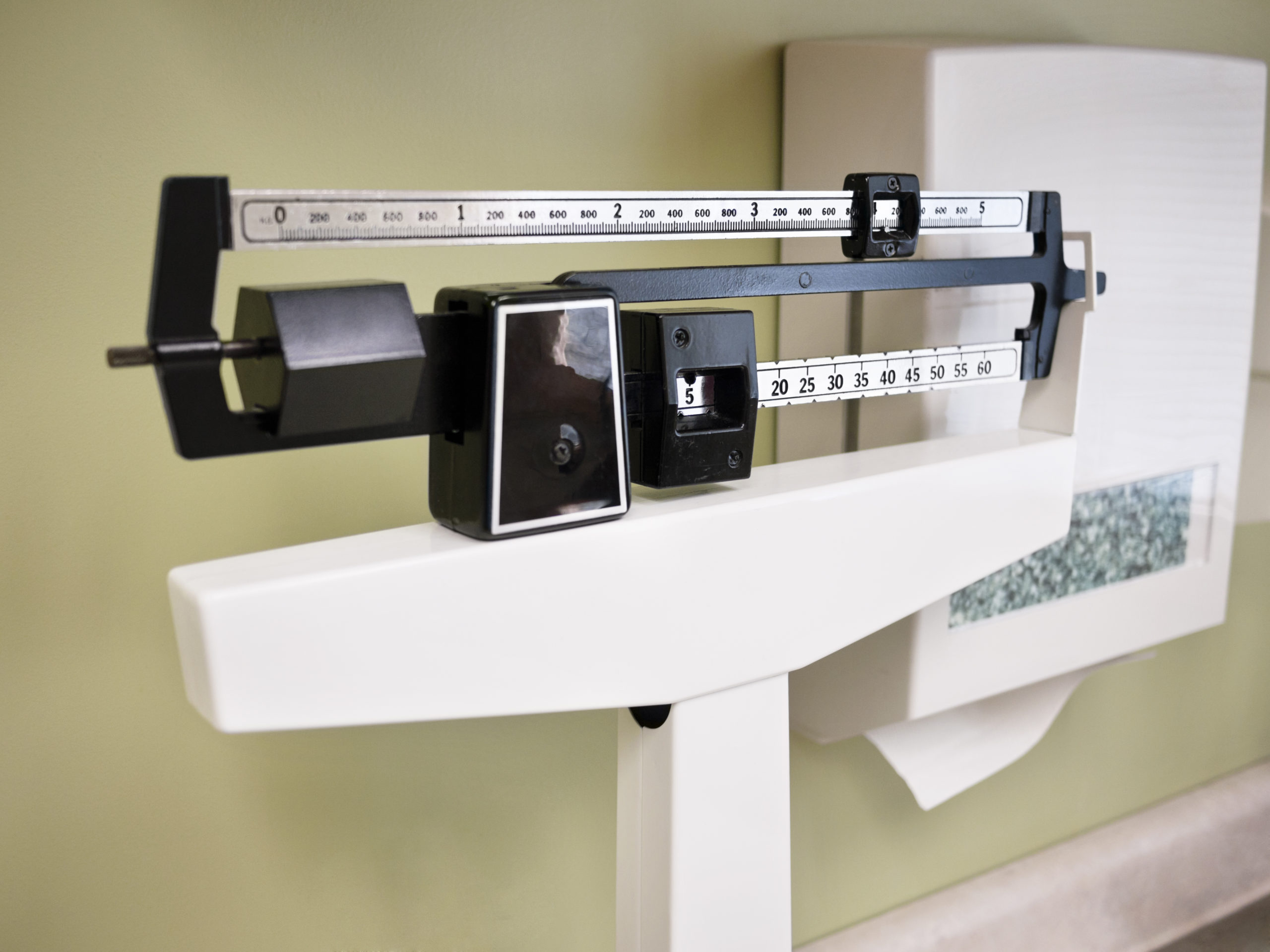
Wearable Sensors Could Reshape Obesity Treatment
Northwestern scientists have created a new lifestyle medicine program that uses three wearable sensors to capture real-world eating behavior in unprecedented detail.
-

Fewer Long-Distance Runners Die of Cardiac Arrest, Study Finds
Fewer long-distance runners are dying from heart problems during organized races, according to a new study published in the Journal of the American Medical Association.
-

Socioeconomic Factors Drive Racial Disparities in Maternal Heart Health
A new Northwestern Medicine study has discovered that achieving equity in various social drivers of health — but particularly education — has the potential to nearly eliminate disparities in maternal heart health.
-
Study Finds Sustained Remission of Obesity-related Conditions a Decade After Adolescent Weight Loss Surgery
Ten years after undergoing bariatric surgery as teens, over half of study participants demonstrated not only sustained weight loss, but also resolution of obesity-related conditions, such as type 2 diabetes, high blood pressure and high cholesterol.
-

The Heart Health Benefits of Urban Green and Blue Spaces
New Northwestern research shows that being near and having more exposure to urban green space and blue (water) space is linked to lower odds of having coronary artery calcification in middle age.
-

Tech Can’t Replace Human Coaches in Obesity Treatment
In obesity treatments, patients who only received technology assistance were less likely to show weight loss than those who also received help from a human coach, according to a new study.
-
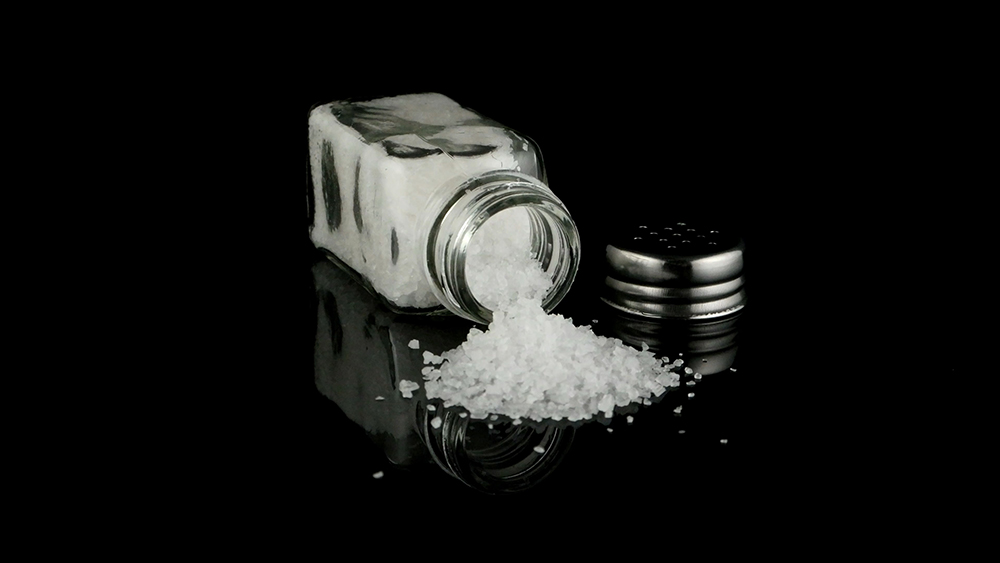
Cut Salt, Cut Blood Pressure
Nearly everyone can lower their blood pressure, even people currently on blood pressure-reducing drugs, by lowering their sodium intake, according to a new study published in JAMA.
-

Being A Vegetarian May Be Partly in Your Genes
A person’s genetic makeup plays a role in determining whether they can stick to a strict vegetarian diet, a new Northwestern Medicine study has found.