Tag: Gastroenterology
-
New Cellular Clues to Complications of Scleroderma
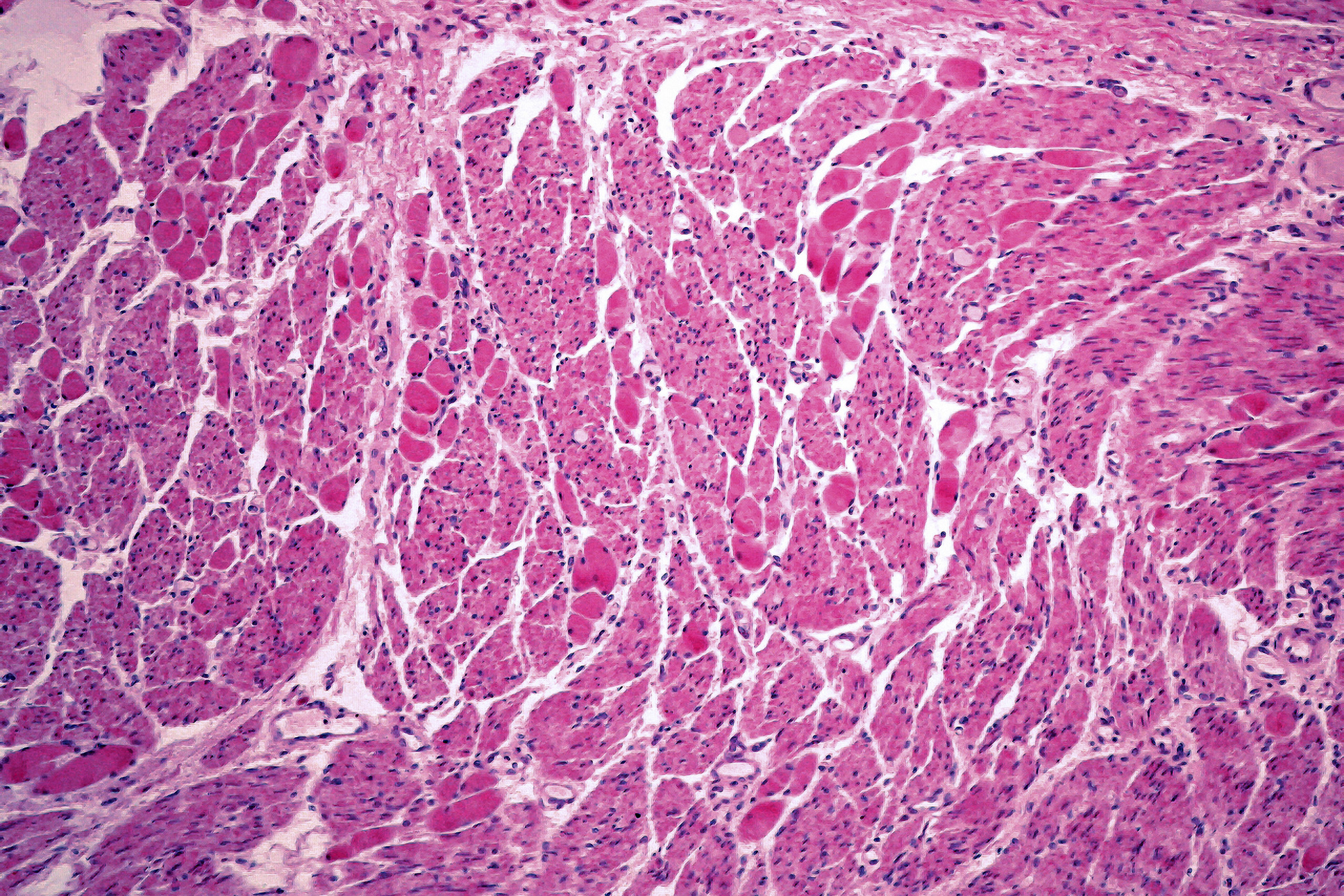
A recent Northwestern Medicine study published in JCI Insight has uncovered new clues about why people with systemic sclerosis, also known as scleroderma, frequently develop debilitating esophageal complications.
-

Gut Bacteria Leave Intestinal ‘Memory,’ Protecting Against Inflammation
New Northwestern Medicine research published in Nature Communications suggests that a metabolite produced by gut bacteria when they digest dietary fiber can leave a lasting molecular imprint on intestinal cells, promoting immune tolerance and protecting against inflammatory bowel disease-like conditions long after exposure ends.
-

Immune Cell Circuit Restores Barrier Function in IBD
Scientists have discovered a new communication circuit between immune cells in the intestines, a potential therapeutic target to improve inflammatory bowel disease outcomes, according to a recent study published in the Proceedings of the National Academy of Sciences.
-

Expanding the Evidence for Behavioral Interventions in Gastroenterology
The Division of Gastroenterology and Hepatology at Feinberg has a distinct strength in understanding how behavior and lifestyle influence gastrointestinal (GI) health. The Division conducts research aimed at improving treatments for disorders of the digestive tract and related organs.
-

Spatial Transcriptomics Guides Inflammatory Bowel Disease Research
A novel spatial transcriptomics atlas developed by Northwestern Medicine scientists may improve the understanding of niche cellular interactions in the gastrointestinal tract that promote the development of inflammatory bowel diseases, as detailed in a recent study published in Nature Communications.
-
Simulation Training Dramatically Improves Colonoscopy Clinical Skills
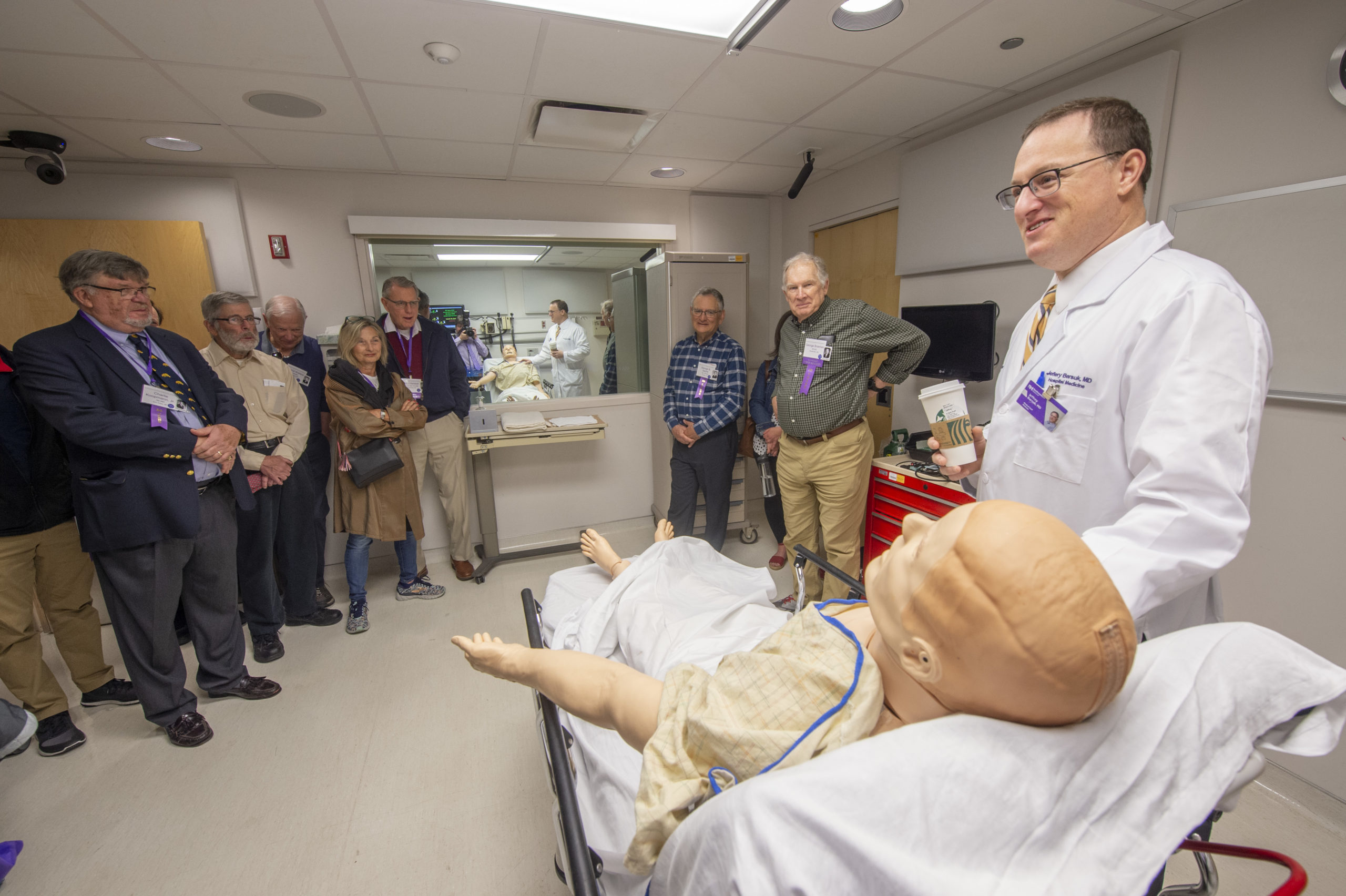
A new Northwestern Medicine study suggests that a structured simulation‑based training program can significantly improve how gastroenterologists remove precancerous colon polyps, according to findings published in Gastroenterology.
-
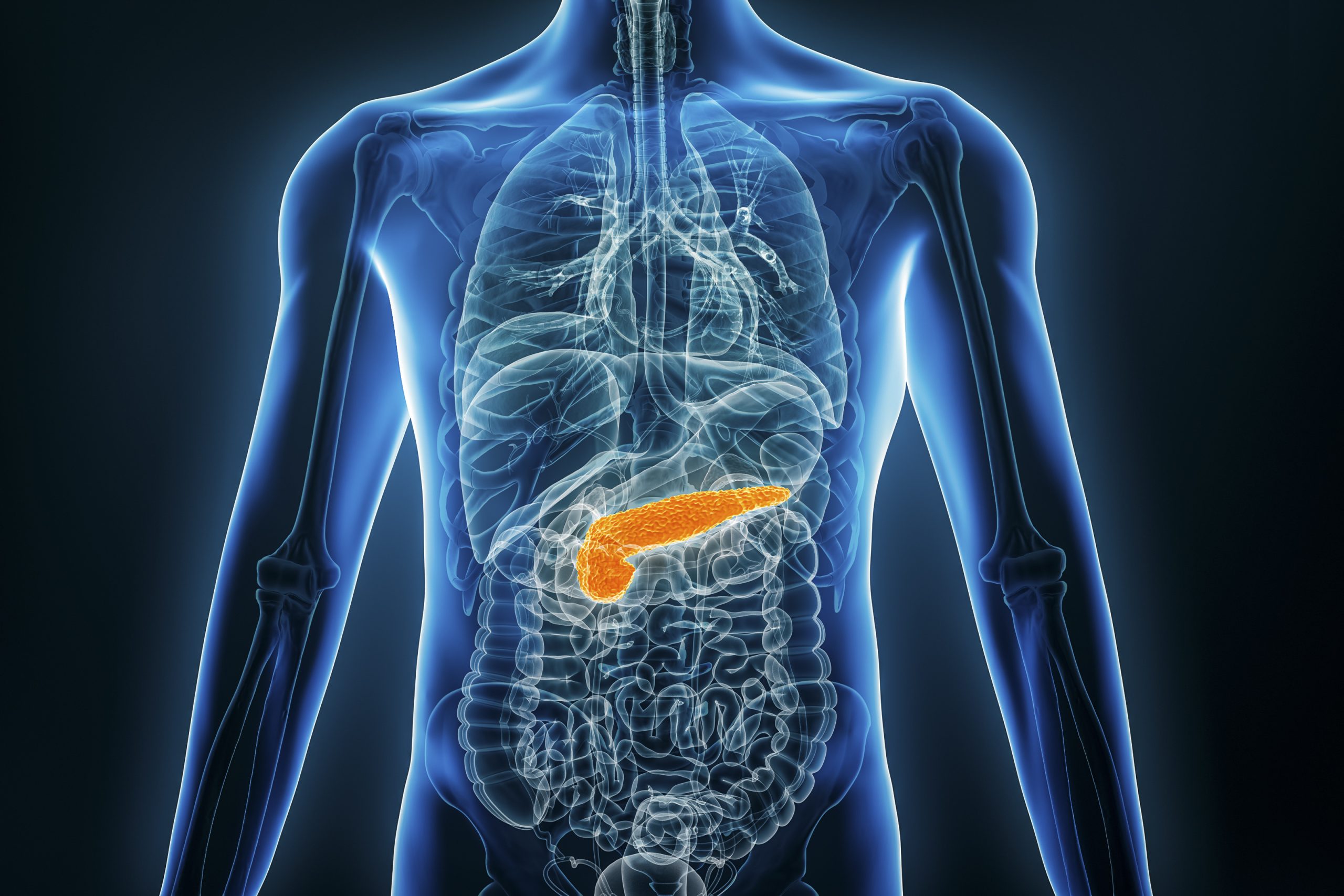
Common Procedure Does Not Prevent Recurrent Pancreatitis, Trial Finds
A multicenter clinical trial published in JAMA has found that a long-used endoscopic procedure does not prevent recurrent pancreatitis in adults with an anatomic anomaly, challenging decades of conventional wisdom.
-
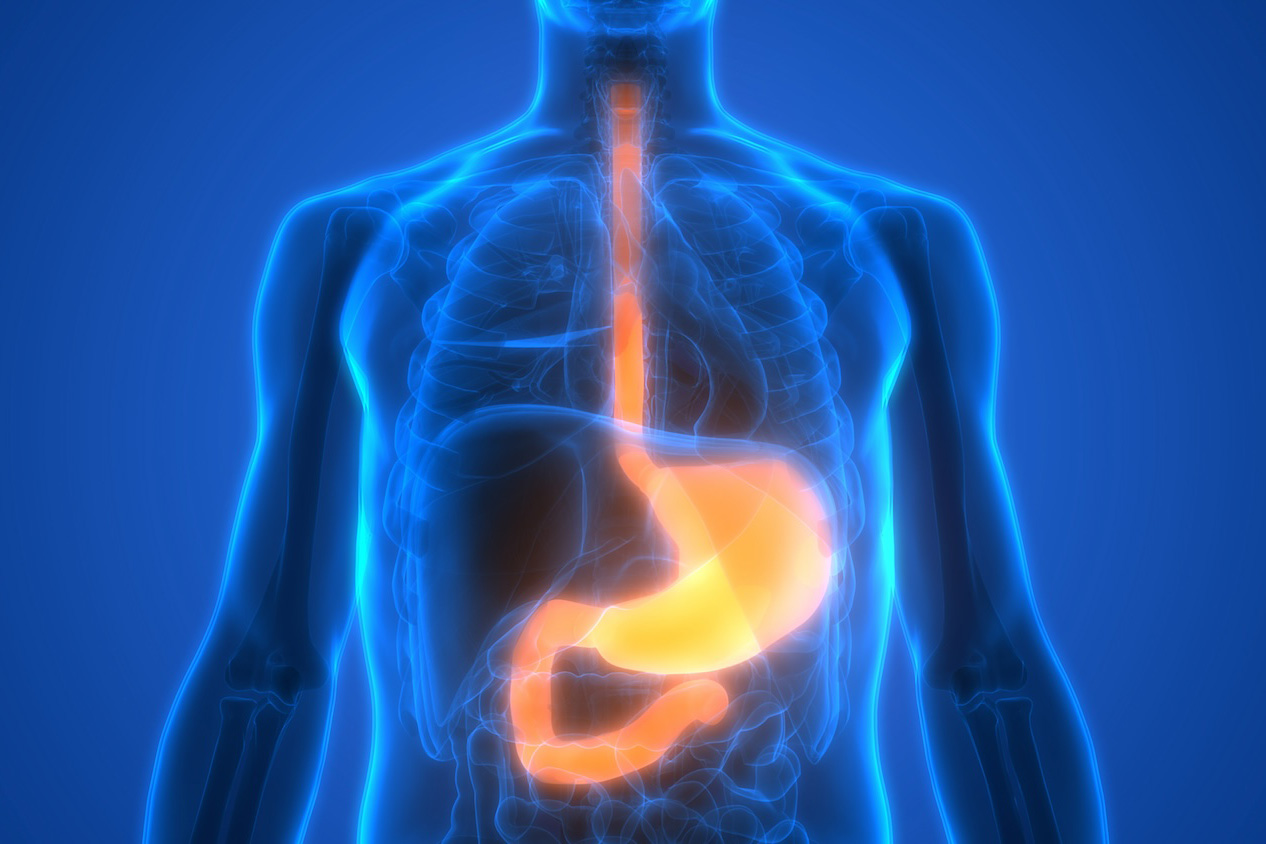
Hypervigilance, Anxiety Linked to Poor Treatment Outcomes in Esophageal Disorder
Increased esophageal hypervigilance and anxiety were associated with worse post-treatment symptoms and poor quality of life in patients with achalasia, a rare esophageal motility disorder, according to a recent Northwestern Medicine study.
-
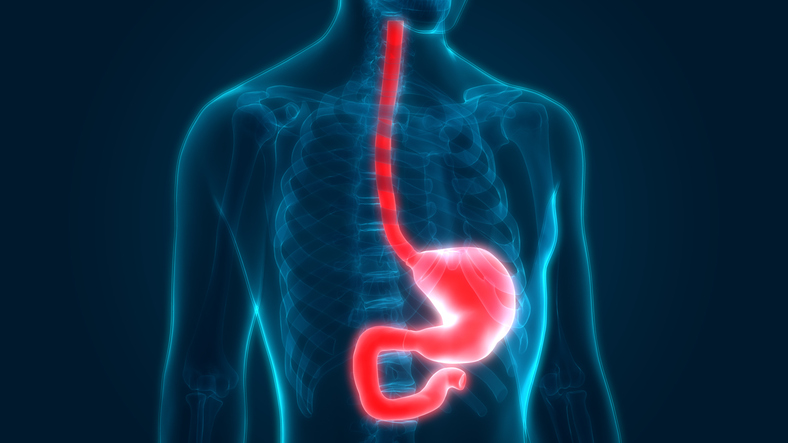
Improving Methods for Diagnosing Esophageal Disorders
Northwestern Medicine scientists have developed a more accurate and standardized approach to interpreting a common test used to evaluate esophageal motor disorders, according to a study published in Gastroenterology.
-
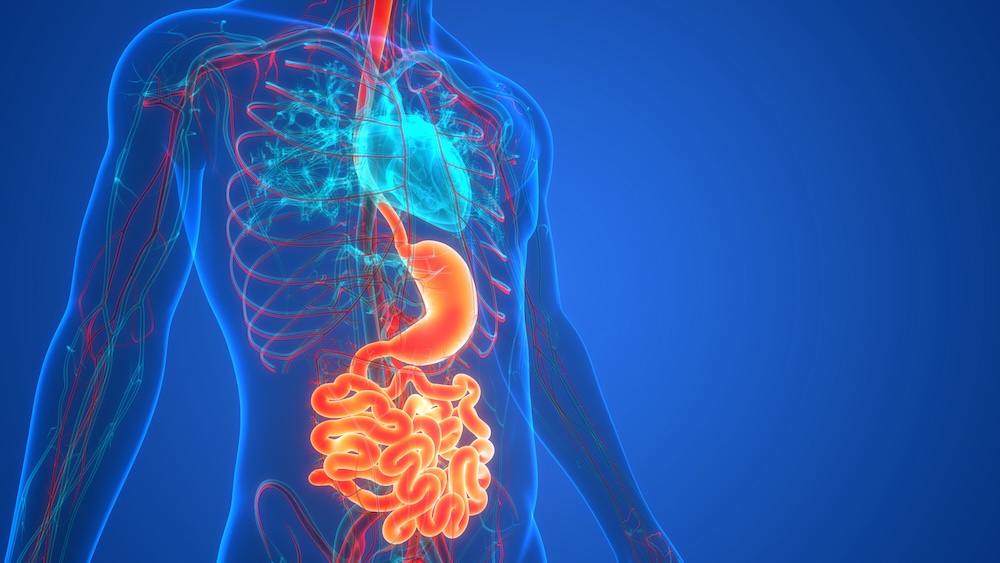
Improving the Diagnosis of Upper Gastrointestinal Disorders
A team of experts led by Northwestern Medicine have developed a standardized approach that will improve the measurement of esophageal function to better diagnose upper gastrointestinal disorders, detailed in a recent publication.