
-

Combination Therapy Shows Promise in High-Risk Prostate Cancer, Study Finds
A large international clinical trial has found that adding the drug apalutamide to standard hormone therapy before and after prostate cancer surgery significantly improves outcomes for men with high-risk disease, according to details published in The New England Journal of Medicine.
-
Understudied Enzyme Helps Pathogen Prosper, Study Finds
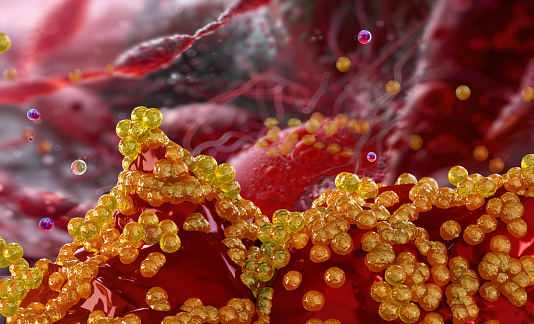
A new study published in the Proceedings of the National Academy of Sciences has offered insight into how Staphylococcus aureus, a major human pathogen, fine-tunes its internal RNA degradation machinery to survive stress and potentially cause infection.
-
Identifying Immune Pathways Driving Aggressive Brain Cancers
A new study has uncovered a key mechanism that helps one of the deadliest brain cancers evade the immune system, according to the study published in The Journal of Clinical Investigation.
-

New GLP-1 Drug Promotes Weight Loss in Obesity
A new strategy for delivering GLP-1 drugs to patients with obesity or who were overweight resulted in up to an 11 percent reduction in body weight after 36 weeks, according to a randomized phase II clinical trial published in Nature Medicine.
-

Master’s Program Revamped to Address Informatics Needs
The Master of Science in Biomedical Informatics program — previously known as the Master of Science in Health and Biomedical Informatics — will launch in the fall offering two tracks: one in bioinformatics and another in health informatics.
-

Cryoprobe Improves Diagnostic Accuracy and Safety in Lung Biopsies
Transbronchial lung biopsy procedures performed with a 1.1 millimeter cryoprobe demonstrated higher diagnostic accuracy and safety than two-millimeter forceps in patients with lung nodules or masses and lung transplant, according to a recent randomized trial published in JAMA.
-
Feinberg Names 2026 Mentors of the Year
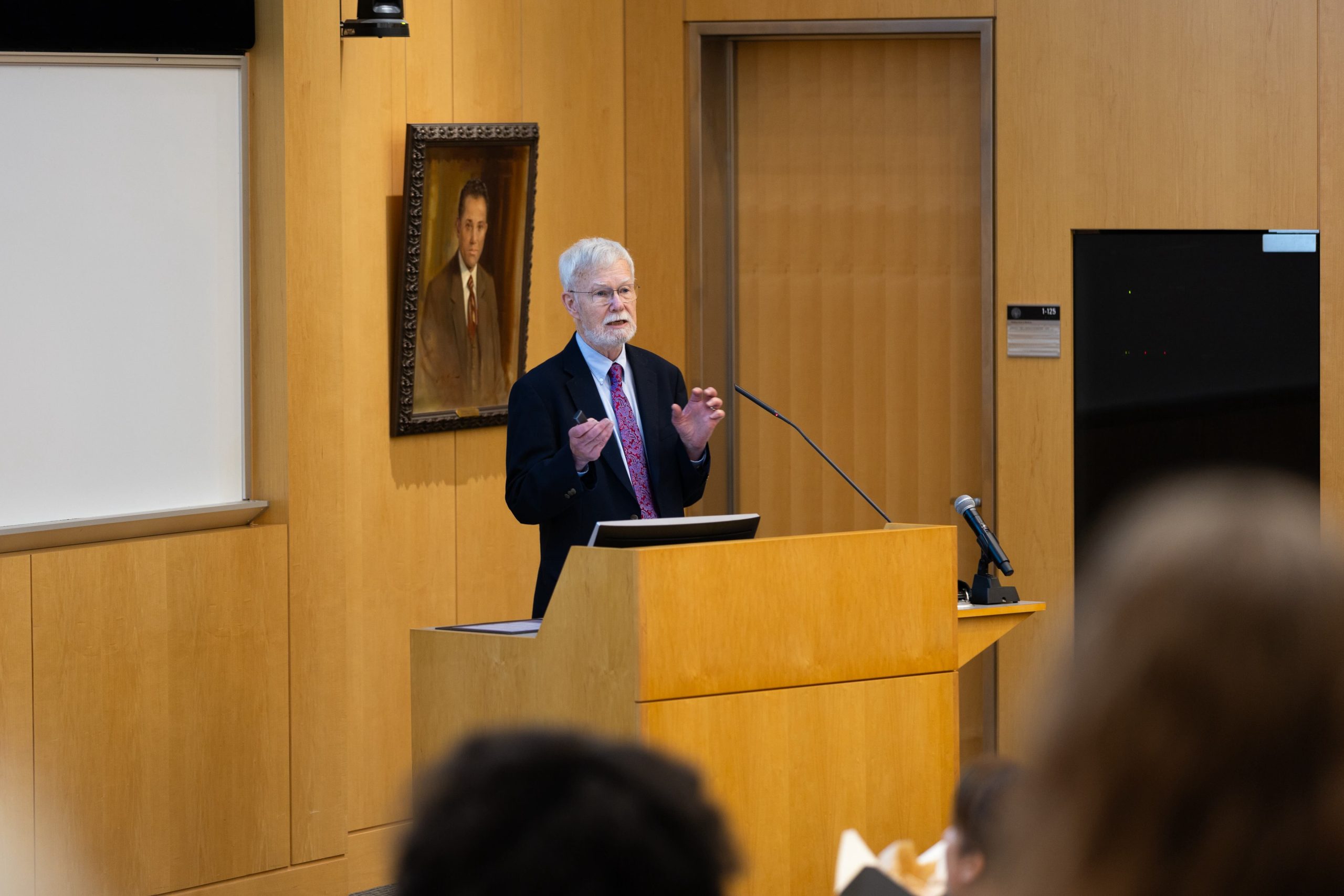
Feinberg’s Medical Faculty Council (MFC) honored the recipients of the 2026 Mentor of the Year awards at a workshop on June 11, with awardees sharing their career journeys and insights they have gained from years of mentoring.
-

Intracellular Mechanisms Promote Tumor Survival During Hypoxia
Northwestern Medicine scientists have for the first time described the underlying mechanisms that regulate how cells rapidly change gene expression in response to hypoxia, a key feature of many treatment-resistant tumors, according to a recent study published in Science Advances.
-

One in Three Middle-Aged Adults Struggle With Basic, ‘Everyday’ Health Tasks
One in three middle-aged American adults ages 35 to 64 cannot consistently read prescription instructions correctly, understand medical forms or recall details from doctor visits involving chronic condition diagnoses, according to a recent study.
-

Lymphatic Dysfunction Drives Heart Valve Disease
Dysfunction in the lymphatic system has been identified as a hidden driver of life‑threatening heart valve disease in patients with Marfan syndrome, according to a new Northwestern Medicine study published in The Journal of Clinical Investigation.
-

Immune Cell Circuit Restores Barrier Function in IBD
Scientists have discovered a new communication circuit between immune cells in the intestines, a potential therapeutic target to improve inflammatory bowel disease outcomes, according to a recent study published in the Proceedings of the National Academy of Sciences.
-

Expanding the Evidence for Behavioral Interventions in Gastroenterology
The Division of Gastroenterology and Hepatology at Feinberg has a distinct strength in understanding how behavior and lifestyle influence gastrointestinal (GI) health. The Division conducts research aimed at improving treatments for disorders of the digestive tract and related organs.
-
Exploring Intracellular Communication to Understand Neurodegeneration
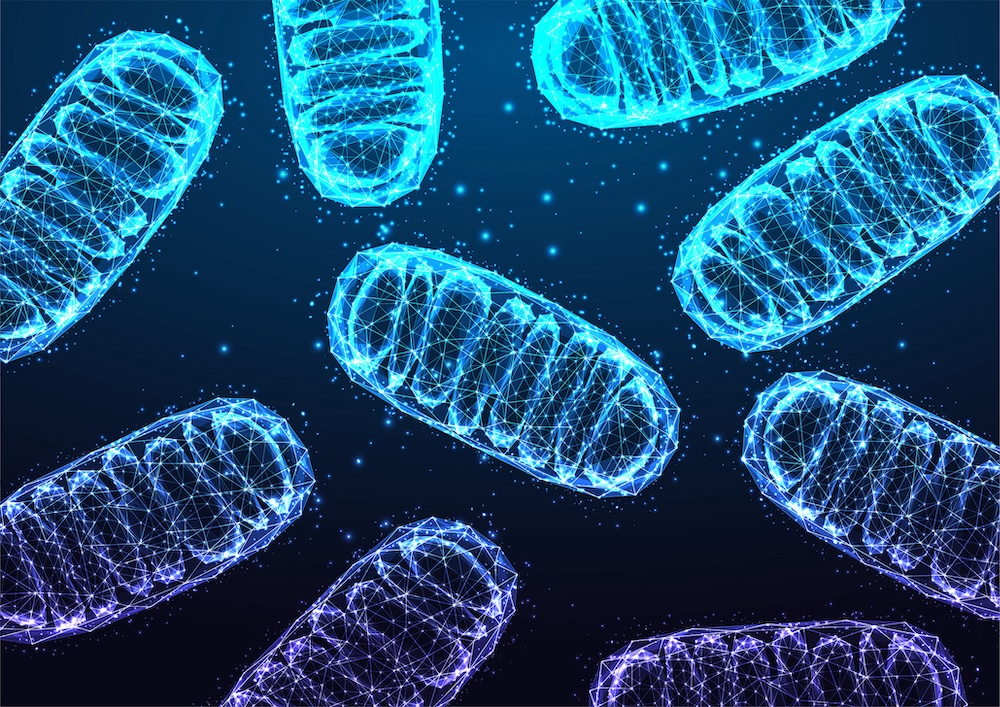
Investigators have uncovered a new communication pathway between mitochondria and RNA granules that may improve the understanding of how the toxic buildup of the TDP-43 protein leads to the development of certain neurodegenerative diseases, according to a recent study published in Nature Communications.
-
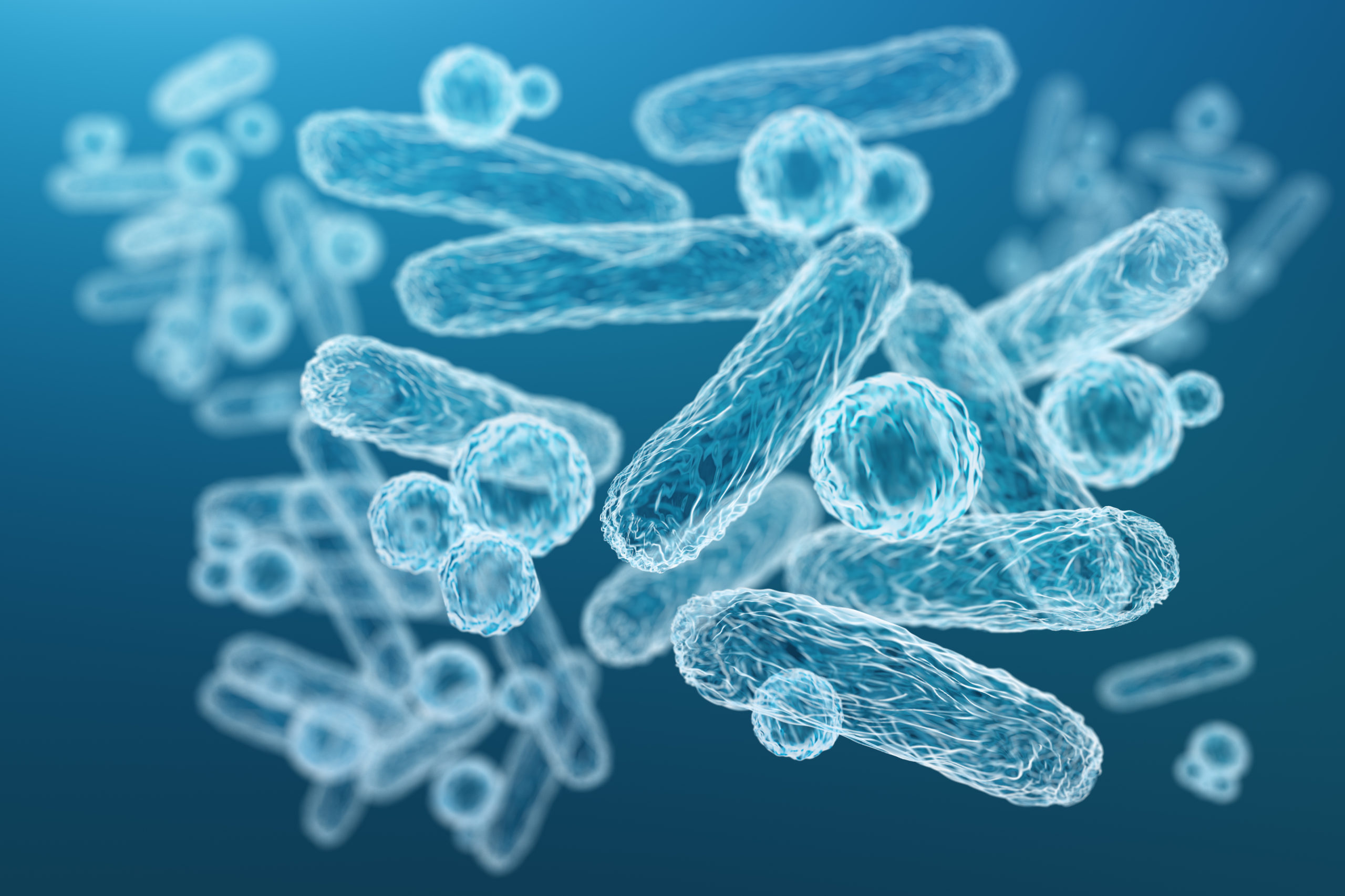
Bacteria ‘Rewire’ Epithelial Cells and Drive Disease in the Gut
A bacterial pathogen that causes colitis and colorectal cancer creates a nutrient-rich niche and “rewires” epithelial cell signaling in the inflamed gut, which promotes bacterial colonization and disease, mechanisms that may be promising therapeutic targets, according to a recent study published in the journal Cell.
-

Mateen Appointed Director of New Center for Global Neurology
Farrah Mateen, MD, PhD, chief of the Division of Multiple Sclerosis & Neuroimmunology and the Dr. Charles L. Mix Research Professor of Neurology, has been named director of the Center for Global Neurology, a center of the Robert J. Havey, MD Institute for Global Health (IGH).
-
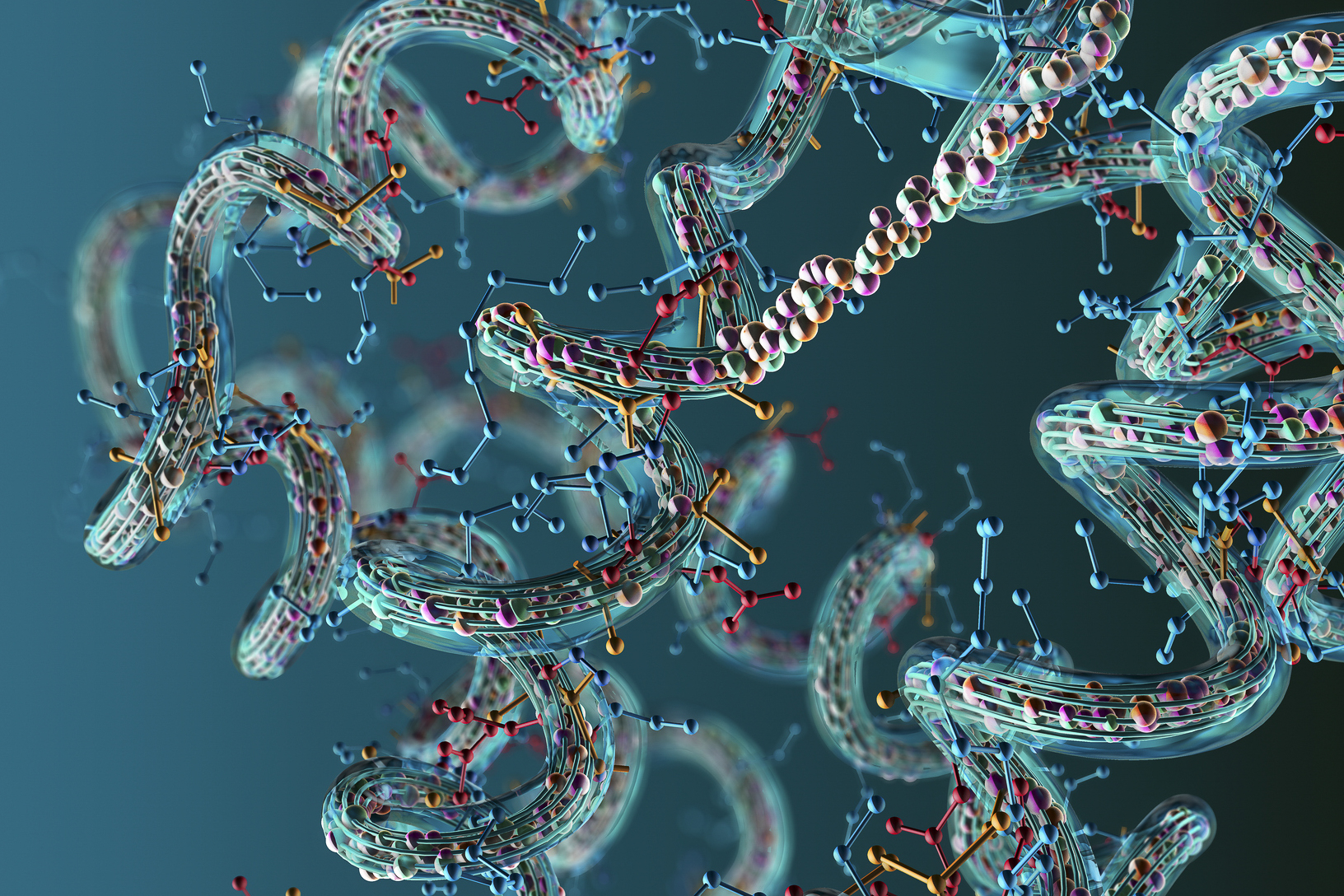
Physiological Factors Reshape How Drugs and Proteins Interact
A new Northwestern Medicine study has demonstrated that proteins studied in simplified laboratory conditions don’t behave the same way in the human body, according to the study published in Nature Structural and Molecular Biology.
-
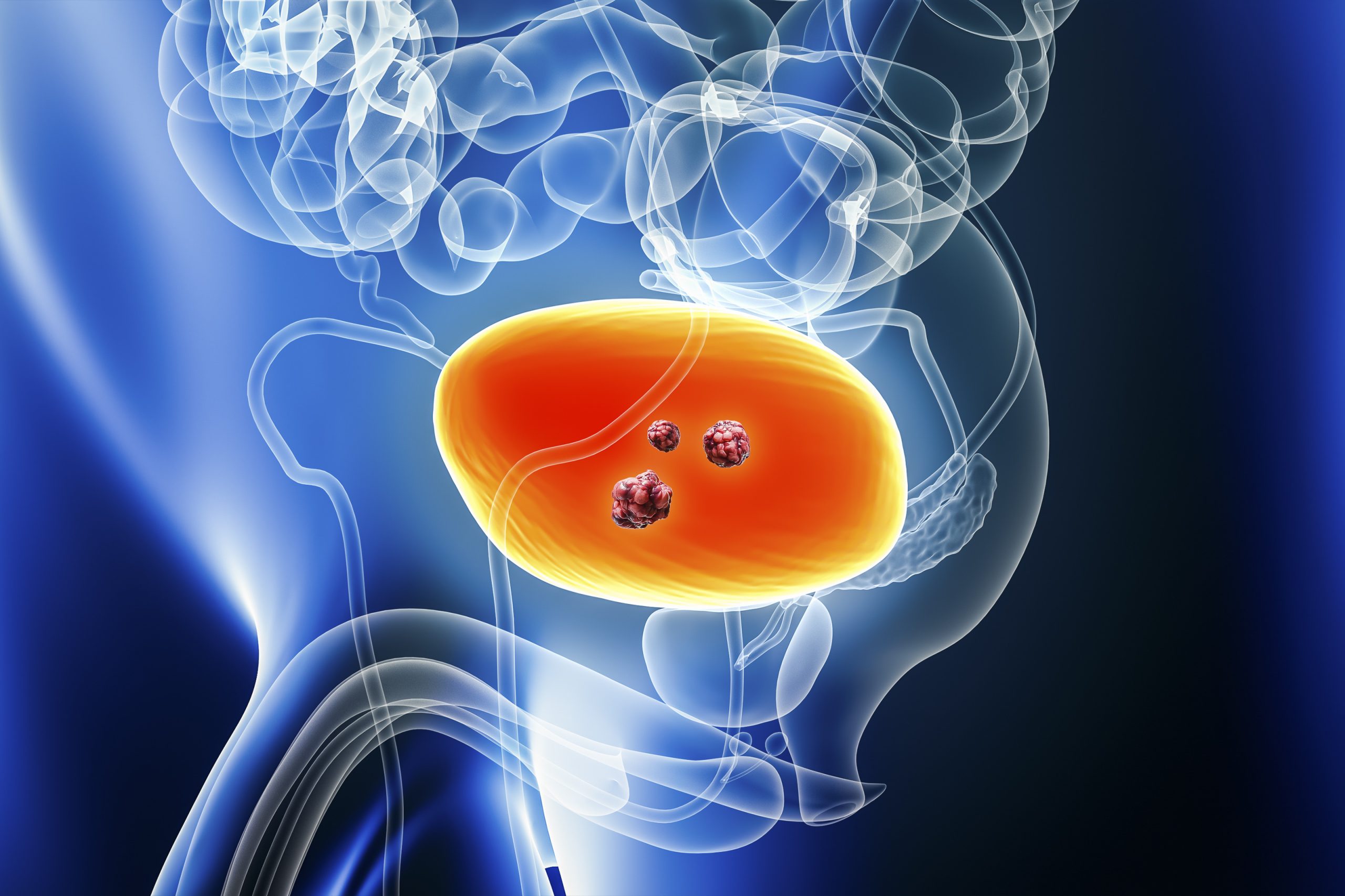
Immune Biomarkers May Predict Response to Bladder Cancer Treatment
A Northwestern Medicine study has offered new clues as to why immunotherapy works well for some bladder cancer patients but fails for others, according to a study published in the Journal of Clinical Investigation.
-
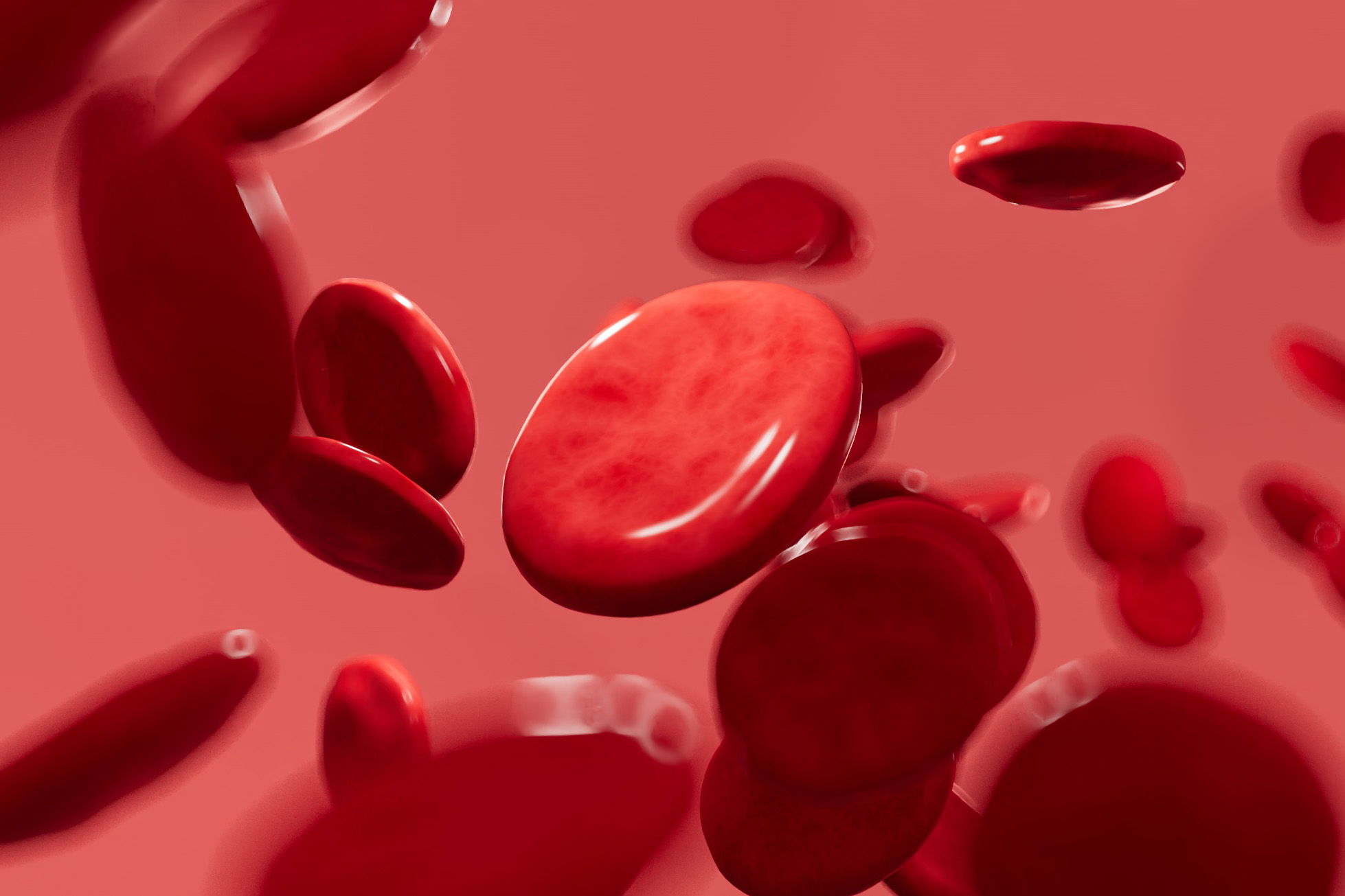
Hormone Impacts Red Blood Cell Production in Anemia
Northwestern Medicine scientists have discovered that the hormone FGF23 reduces the production of red blood cells and may contribute to the development of anemia of chronic kidney disease, according to a recent study published in Blood.
-

Blood Test May Predict Immunotherapy Response in Head and Neck Cancer
A new Northwestern Medicine study suggests that a simple blood test could help identify which patients with head and neck cancer are most likely to benefit from immunotherapy, according to a study published in the Journal of Clinical Investigation.
-
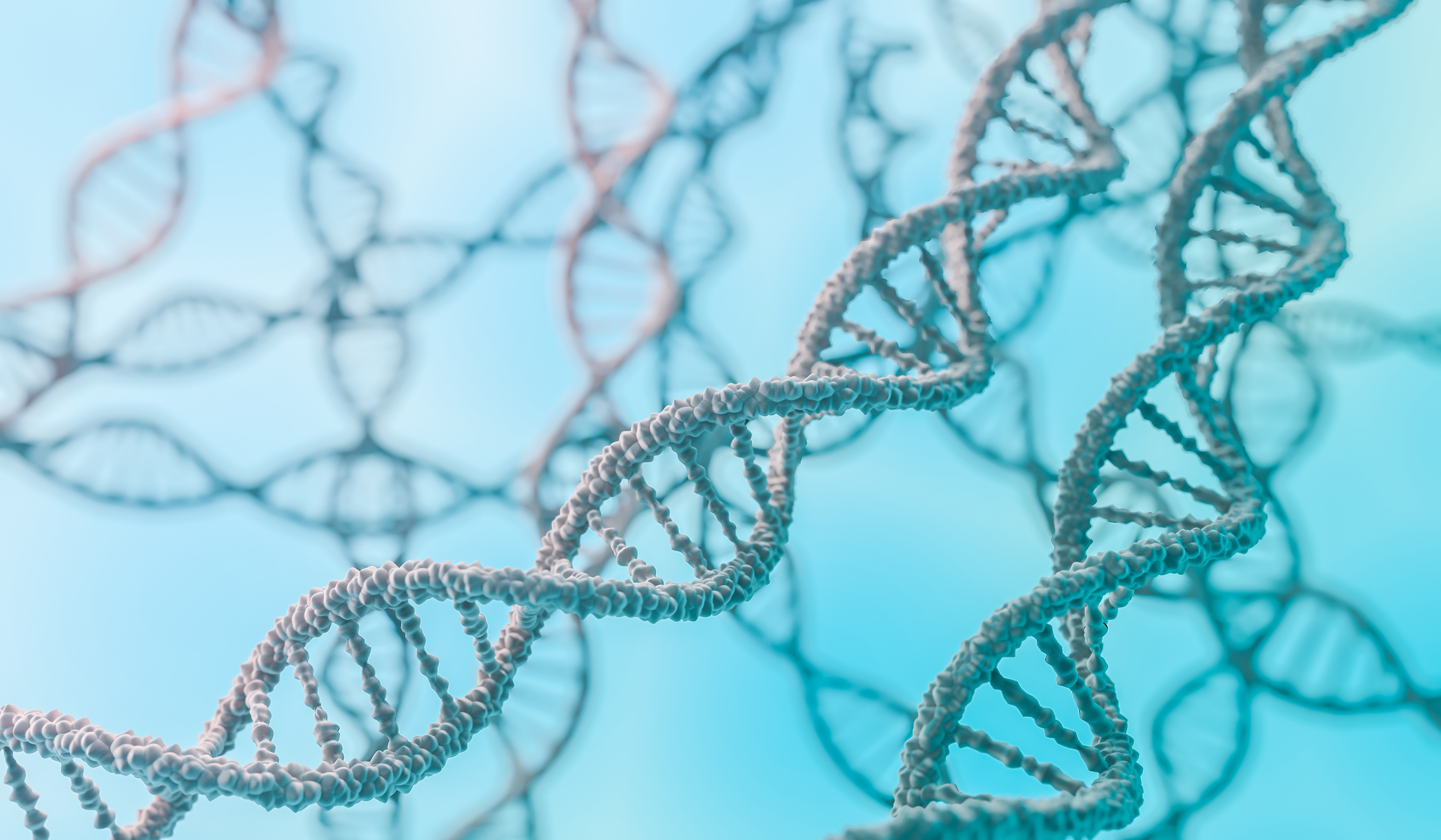
Overlooked DNA Structures Help Organize the Genome
Northwestern Medicine scientists have discovered that little-studied DNA structures play a central role in organizing the human genome and controlling gene activity, according to a new study published in the Proceedings of the National Academy of Sciences.