
-
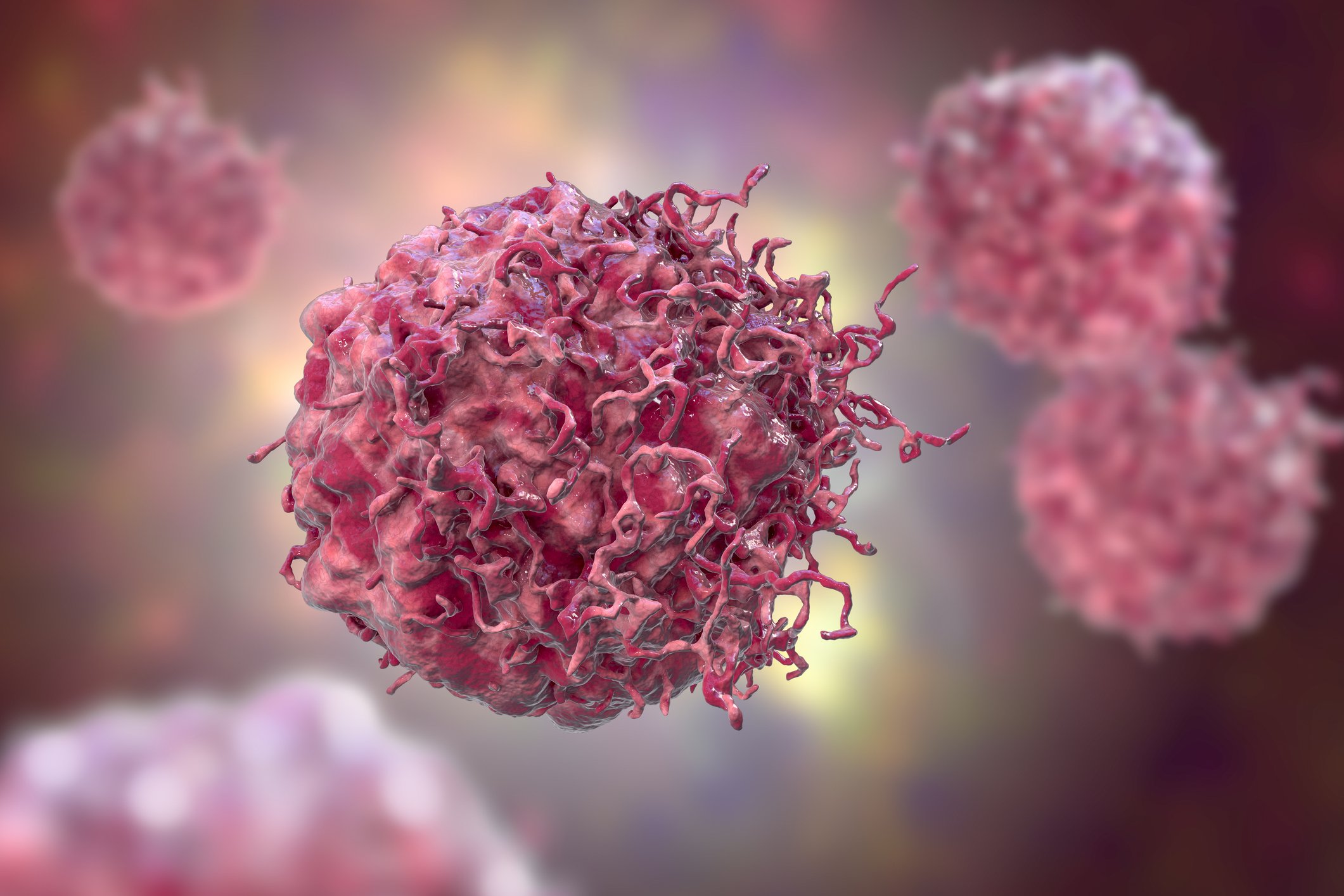
Combination Therapy May Improve Immune Response Against Advanced Prostate Cancer
Combining two therapies may improve immune response in a subgroup of patients with metastatic castration-resistant prostate cancer who responded poorly to initial treatment, according to a Northwestern Medicine study published in The Journal of Clinical Investigation.
-

Surgeon-Scientist Honored with 2026 Tripartite Prize
Daniela Ladner, MD, MPH, the John Benjamin Murphy Professor of Surgery and vice chair of research and innovation in the Department of Surgery, has been named the winner of the 2026 Tripartite Legacy Faculty Prize in Translational Science and Education.
-
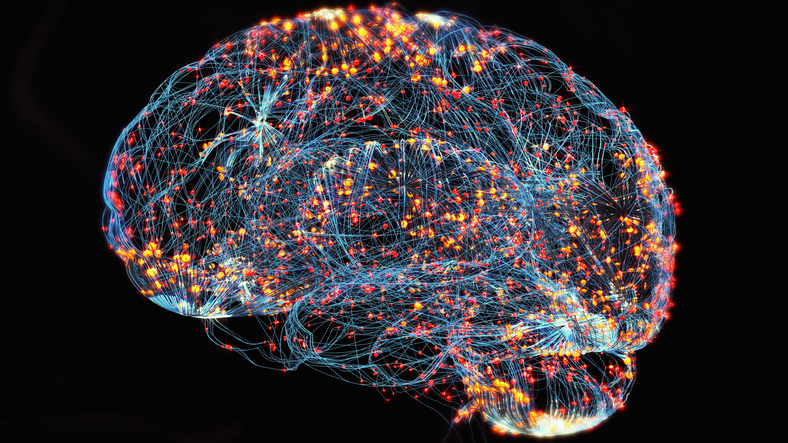
Understanding the Link Between Genetic Risk and Brain Communication Disorders
A new Northwestern Medicine study suggests a major psychiatric risk gene remains important well into adulthood and may influence brain communication, according to a study published in the Proceedings of the National Academy of Sciences.
-
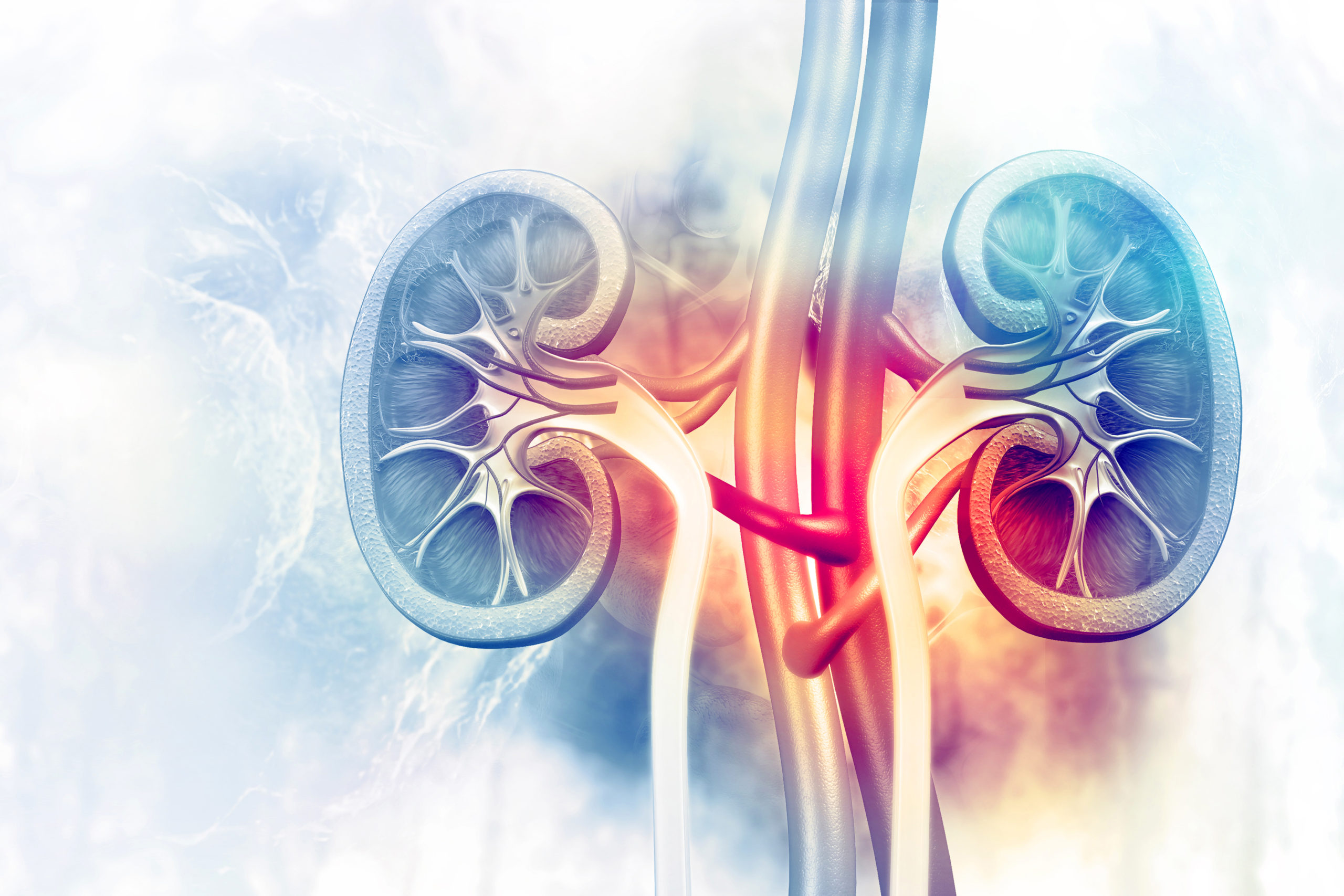
Identifying Patients at Lower Risk for Kidney Transplant Rejection
A new risk stratification model developed by Northwestern Medicine scientists may help better identify patients who have a lower risk of kidney transplant rejection, which can inform more personalized treatment and care strategies that present fewer adverse side effects, as detailed in a recent study published in Nature Communications.
-

Investigating Tumor Growth After Immunotherapy
A new Northwestern Medicine study has uncovered a biological mechanism that may explain why a subset of tumors unexpectedly grows at an accelerated rate after being treated with certain immunotherapies, according to findings published in Cancer Discovery.
-
Novel Spatial Technology May Improve the Understanding of Cancer Biology
Northwestern Medicine scientists have developed a novel high-resolution 3D spatial genomics platform that may enhance future research about how genome organization and genetic alterations contribute to the development of disease, including cancer, as detailed in a recent study published in Nature Methods.
-
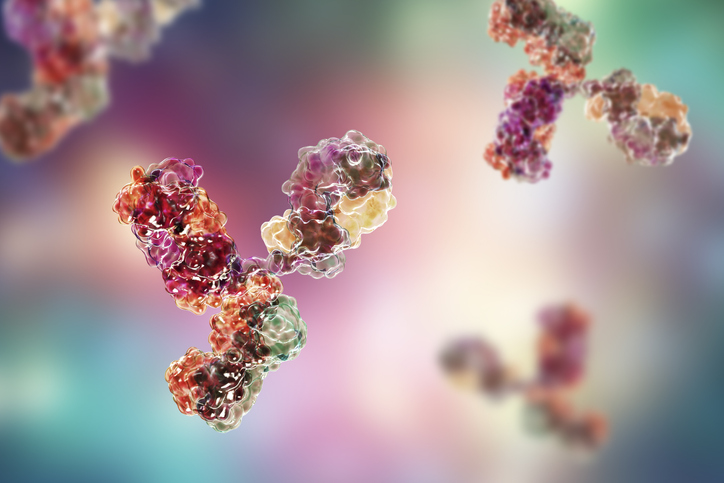
Experimental Drug May Disrupt Immune Circuits in Pneumonia
A drug that blocks calcium release-activated calcium channels may help interrupt harmful immune cell interactions that drive severe viral pneumonia, according to a new study published in The Journal of Clinical Investigation.
-

Feinberg Welcomes New MD Class with Weeklong Introduction to the Profession
Feinberg welcomed the entering MD Class of 2026 during the weeklong Introduction to the Profession module, which concludes with Founders’ Day, and introduces first-year students to the foundations of their medical education.
-

Assessing the Benefit of Heart Calcium Scans
A new Northwestern Medicine study shows that a test known as a coronary artery calcium scan may be most valuable only for a specific group of patients.
-
Targeting Protein Synthesis Control Regions May Reduce Seizures in Genetic Epilepsy
Targeting the control of protein synthesis in the KCNQ2 gene may serve as a potential disease-modifying strategy for patients with a genetic form of neonatal-onset epilepsy and impaired brain development, according to a Northwestern Medicine study published in Proceedings of the National Academy of Sciences.
-

Extreme Heat Linked to 33 Diagnoses That Go Beyond Dehydration, Heat Stroke
A new Northwestern University study suggests that extreme heat is linked to a much wider range of health problems seen in emergency departments and urgent care clinics than previously expected.
-

Pioneering Brain Injury Expert and Leading Voice in Rehabilitation Medicine Named New Chair of Physical Medicine and Rehabilitation
Nationally recognized brain injury expert and distinguished physiatrist Flora Hammond, MD, chair of Physical Medicine and Rehabilitation at Indiana University School of Medicine and chief of medical affairs at the Rehabilitation Hospital of Indiana, has been named the Paul B. Magnuson Professor and chair of the Department of Physical Medicine and Rehabilitation.
-

Loneliness Rewires the Brain to Drive Alcohol Consumption, Mouse Study Finds
Loneliness can reprogram the brain in ways that push alcohol consumption, reports a new preclinical study led by Northwestern University and the Salk Institute for Biological Studies.
-

Enzyme Utilizes Specialized Mechanisms to Promote Cancer Cell Proliferation
A new Northwestern Medicine study has identified a previously unknown mechanism by which the NAT10 enzyme promotes cancer cell proliferation, establishing this protein as a promising therapeutic target for cancer.
-

Study Finds Long-Term Benefits of Stroke Thrombectomy
A one-year follow-up analysis of a landmark clinical trial suggests that patients with severe strokes experienced better long-term outcomes after undergoing endovascular thrombectomy compared with medical management alone.
-
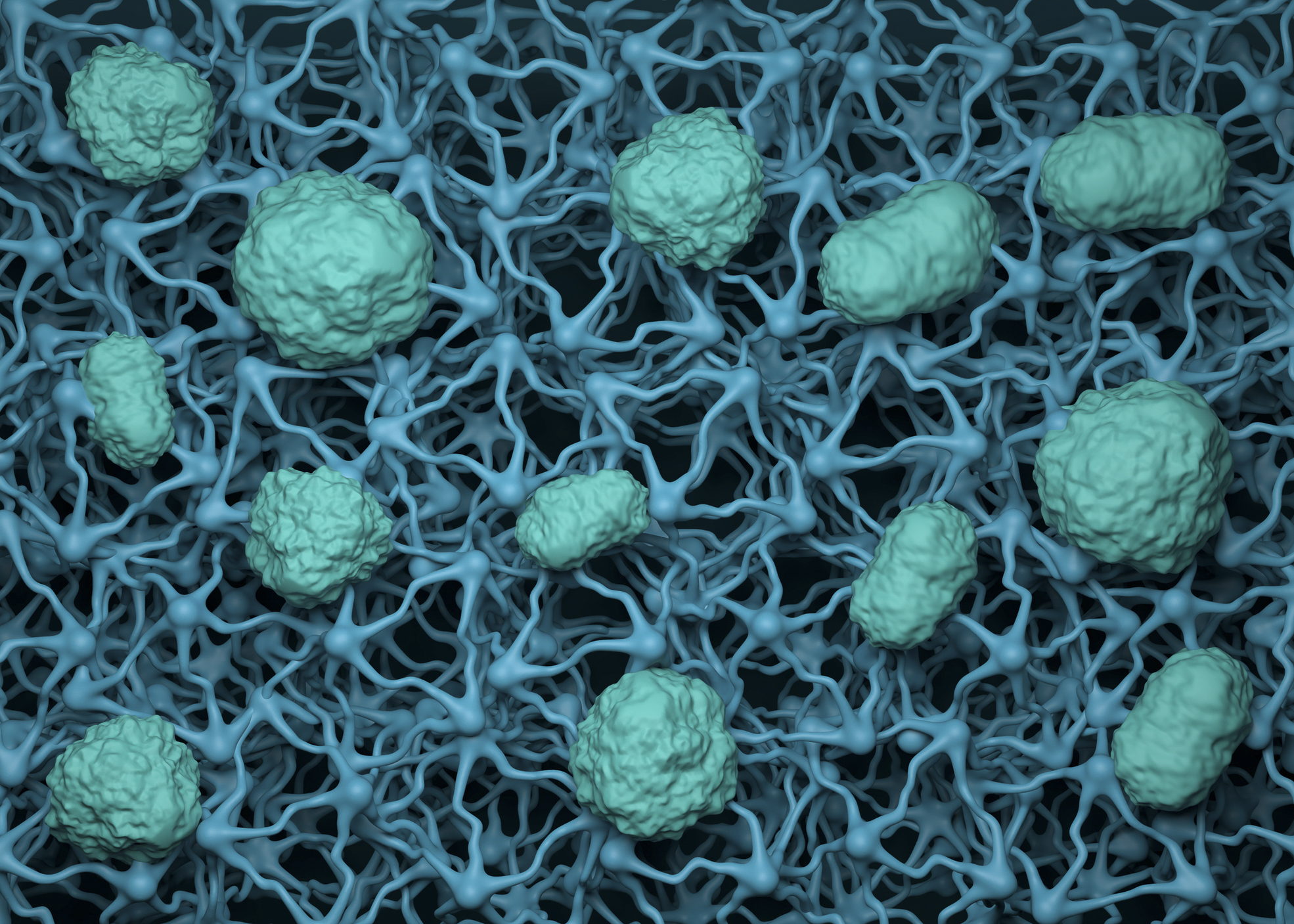
Designing Supramolecular Therapies to Cross the Blood-Brain Barrier
A new Northwestern Medicine study has uncovered key molecular design principles that could help supramolecular therapeutics cross the blood-brain barrier, a major challenge for the novel approach to treating neurological disorders.
-
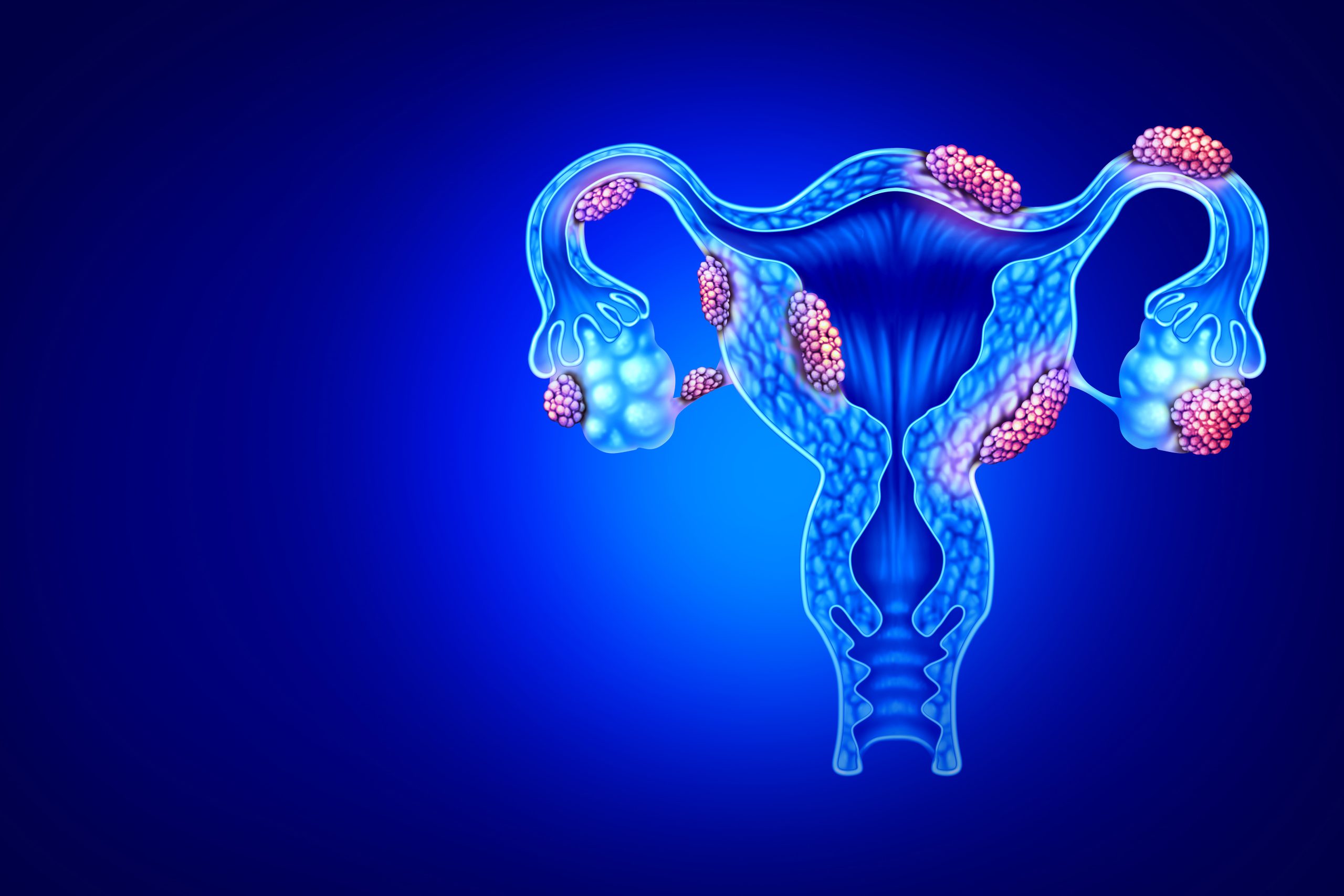
Novel Stem Cell Platform Improves Study of Endometriosis
Scientists led by Julie Kim, PhD, have developed a novel stem cell platform that provides a new way to study the biology of endometriosis in humans more accurately than current model systems, as detailed in a recent study published in Science Advances.
-

Empowering Health Professions Education in Africa
Through a longstanding collaboration with the University of Global Health Equity in Rwanda, Feinberg medical educators support and train educators who will go on to teach thousands of future physicians, nurses and other health professionals.
-

Northwestern Medicine Study Reveals Hidden Immune Environment in Myasthenia Gravis Patients
In a study published in Science Advances, Northwestern Medicine scientists uncovered a previously hidden immune environment in the thymus that may help drive myasthenia gravis, a chronic autoimmune disease that causes muscle weakness and fatigue.
-
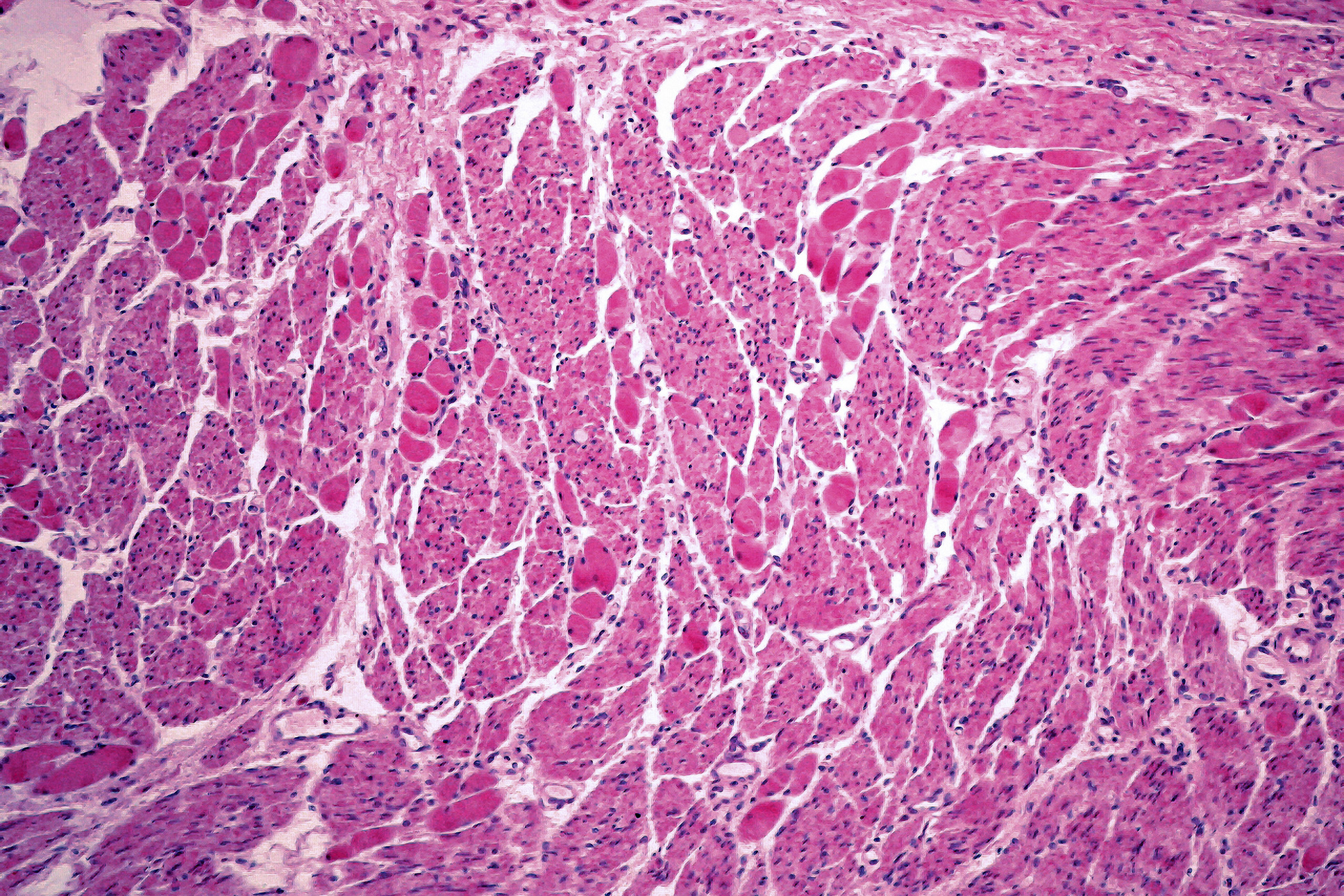
New Cellular Clues to Complications of Scleroderma
A recent Northwestern Medicine study published in JCI Insight has uncovered new clues about why people with systemic sclerosis, also known as scleroderma, frequently develop debilitating esophageal complications.