Category: Disease Discoveries
-

Stopping Diabetes in its Tracks
For the last decade, Ronald Ackermann, MD, MPH, has worked on implementing a method to halt diabetes that is both effective for patients and affordable for insurers. He and colleagues have focused on adapting an intervention called the Diabetes Prevention Program.
-
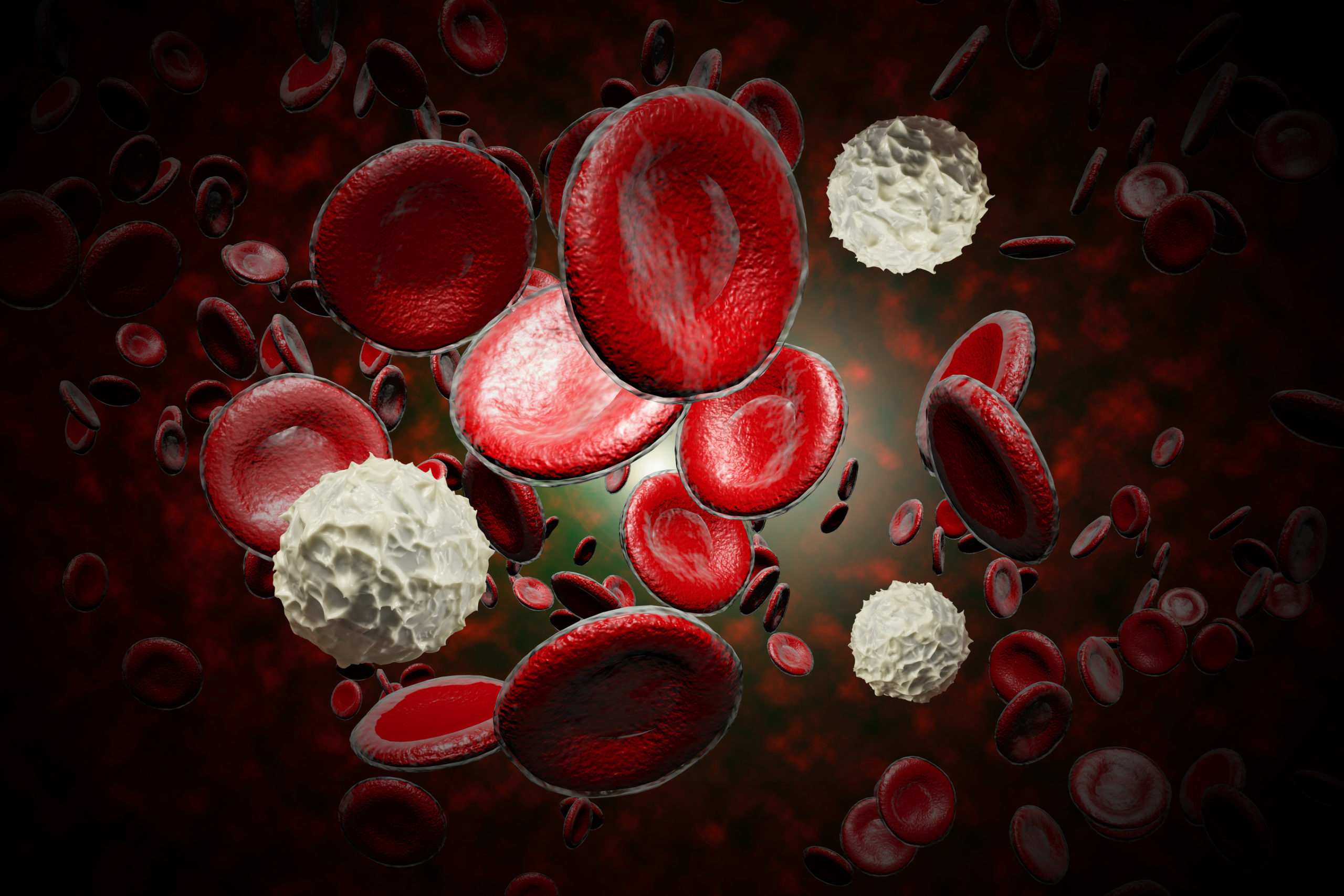
Identifying Blood Cell Contribution to Inflammation After Seizures
Northwestern Medicine scientists co-authored a study that identified a blood cell not normally found in the healthy brain that can invade brain tissue after status epilepticus, a type of seizure, and contributes to inflammation.
-
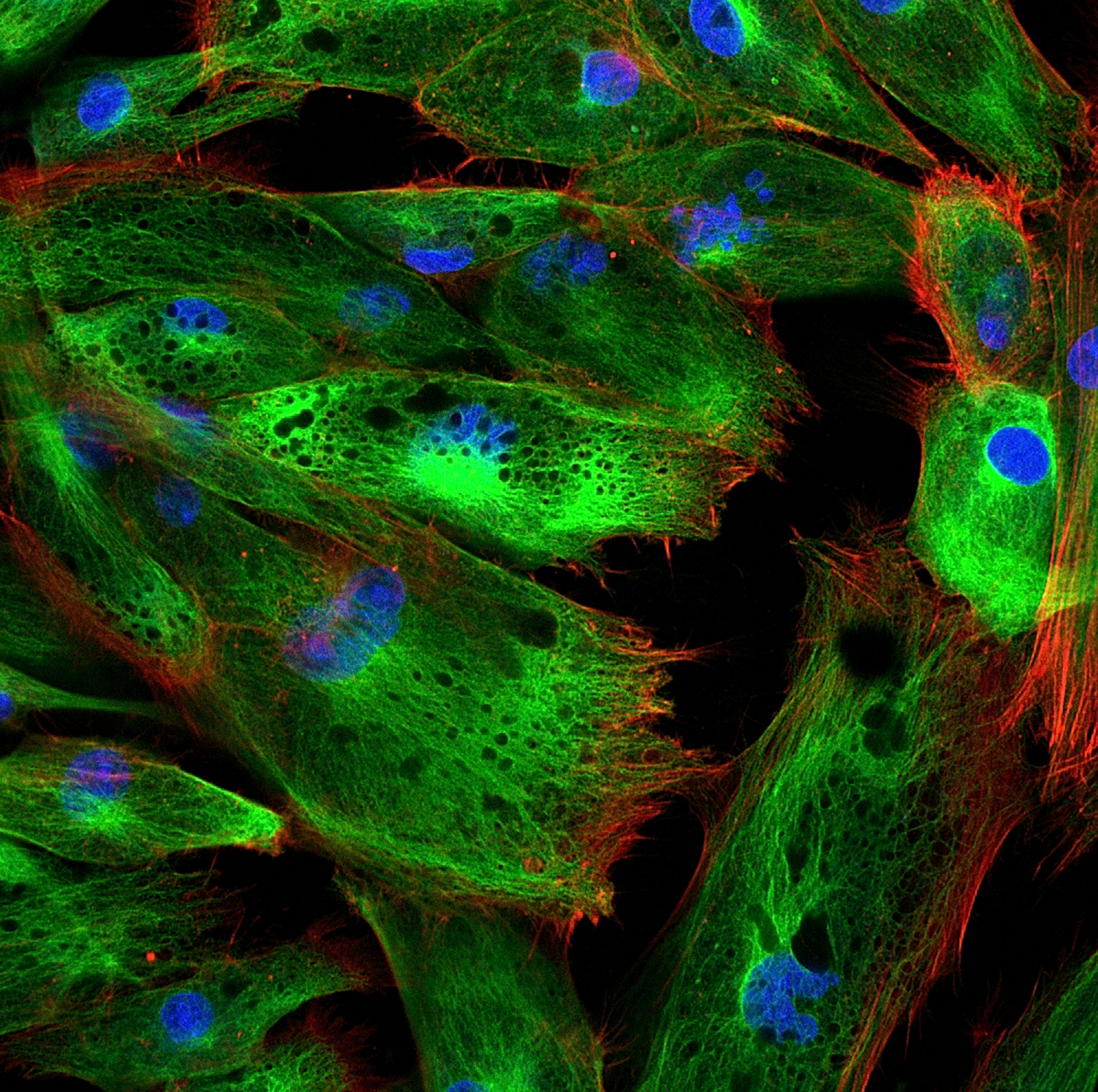
Cardiac Stem Cells Predict Drug Safety and Efficacy
Analyzing a patient’s own stem cells can predict the safety and efficacy of drugs that have the potential to damage a patient’s heart, according to a new study.
-

Reversing Effects of Schizophrenia Mutations at the Cellular Level
By targeting a hub of schizophrenia-related genes, Northwestern Medicine scientists were able to correct a disease-related alteration in mouse model neurons.
-

Investigating Mechanisms Behind Immunological Mystery
Northwestern Medicine scientists have identified a new potential target for treating autoimmune diseases in recent research published in Nature Communications.
-
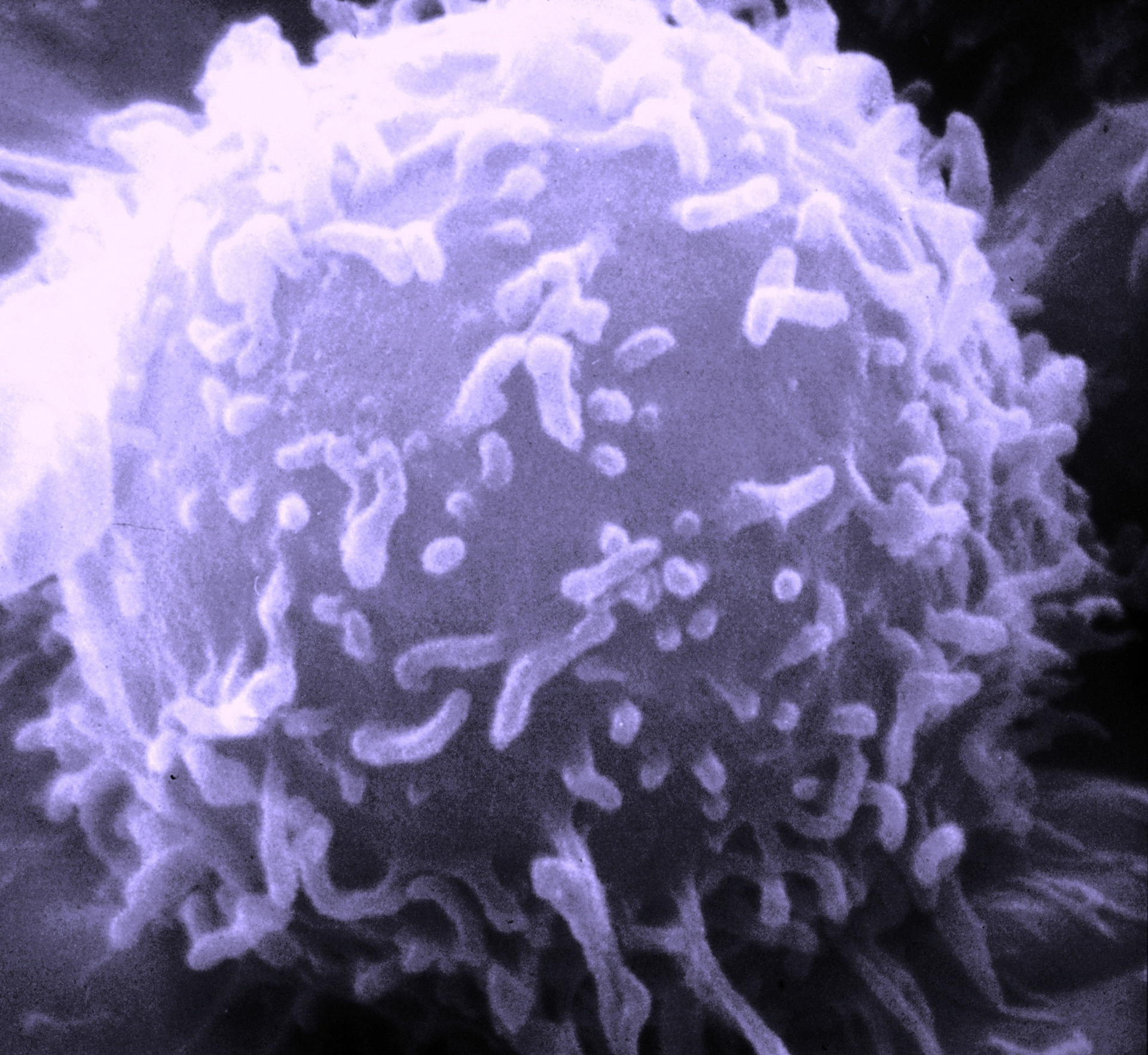
An Update on Lymphoma Research
Faculty from the Division of Hematology/Oncology presented a panel discussion on lymphoma research, treatment and novel trials.
-

Tracking HIV With Social Data
A five-year, $3.3 million grant will help Northwestern Medicine scientists develop and expand a software tool that will simplify and streamline social network data collection related to HIV transmission.
-
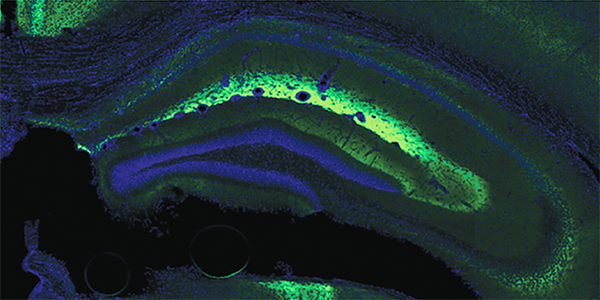
New Antidepressant Target Discovered
Northwestern Medicine scientists have demonstrated how gene therapy targeted against a set of proteins called HCN channels could lead to new treatments for depression.
-
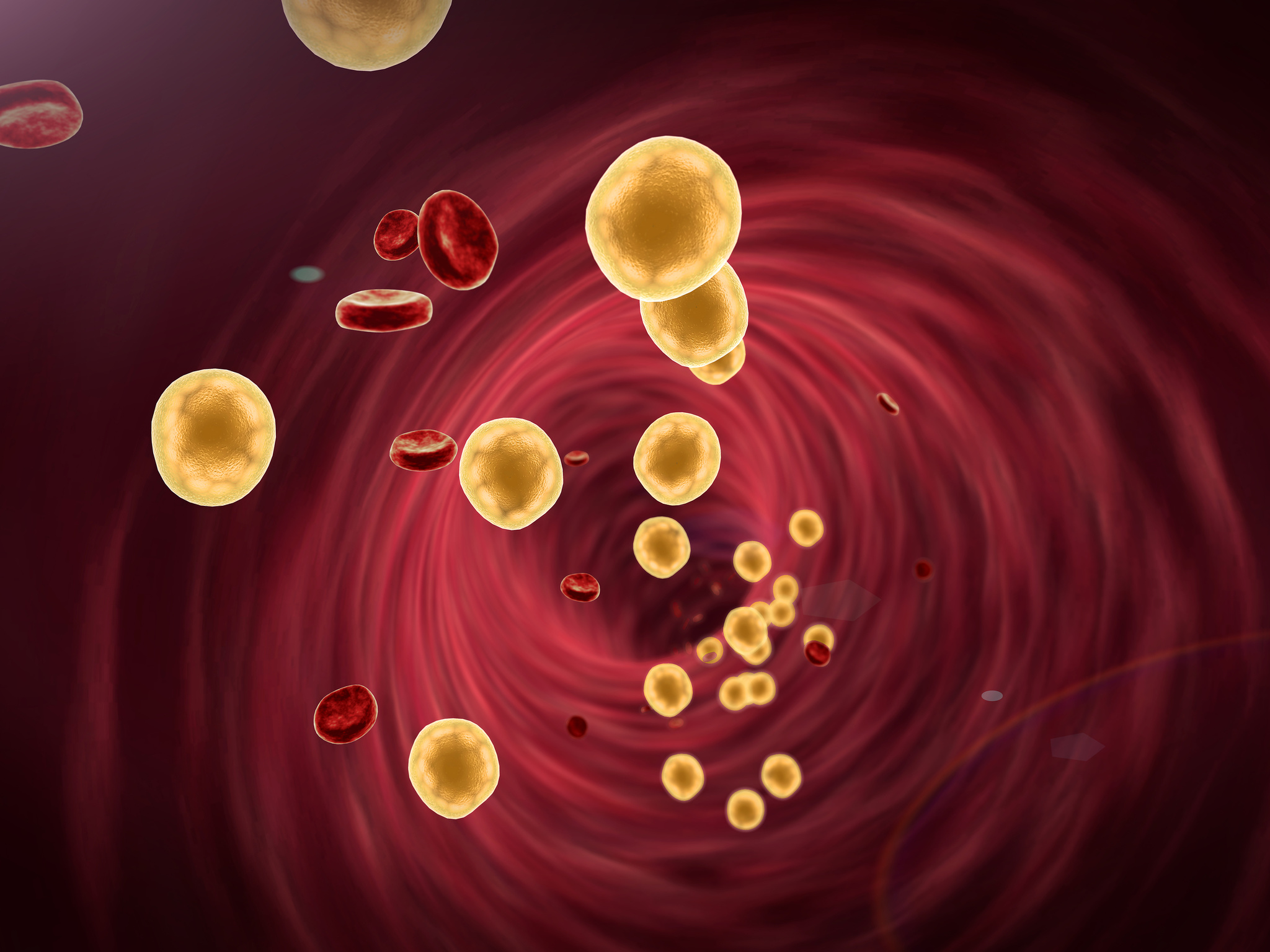
Heart Disease Risk Higher For Those With Genetically Inherited High Cholesterol
In the first of its kind study, Northwestern Medicine scientists looked at the impact of this genetic condition on the risk of developing heart disease.
-

Many Top-Selling Sunscreens Don’t Offer Adequate Protection
Forty percent of top-selling sunscreens don’t meet national standards for protection, and consumers are spending up to 3,000 percent more for products that provide equivalent benefit, according to new research.