Byline: Will Doss
-
How Cells Defend Against Influenza A Virus
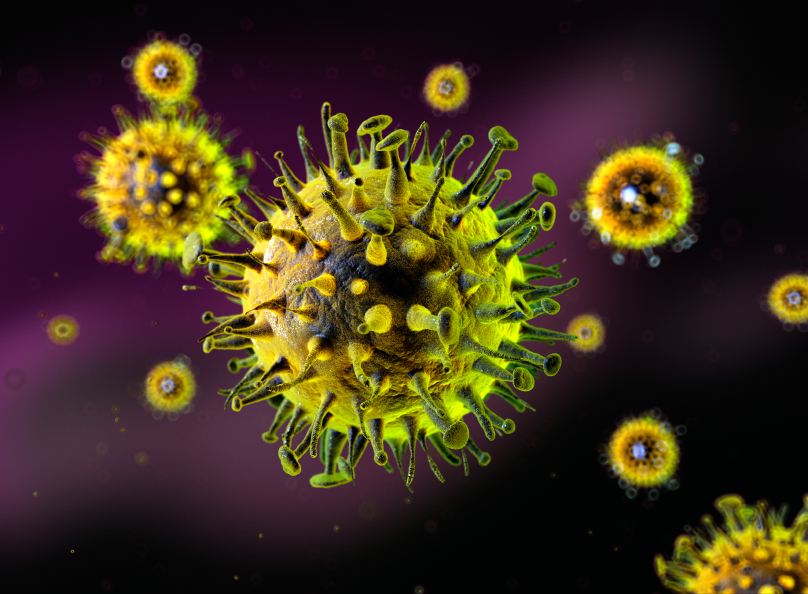
Human cells use a protein named TBC1D5 to “trap and kill” influenza A viruses inside host cells, but the virus encodes its own protein to disable this defense.
-
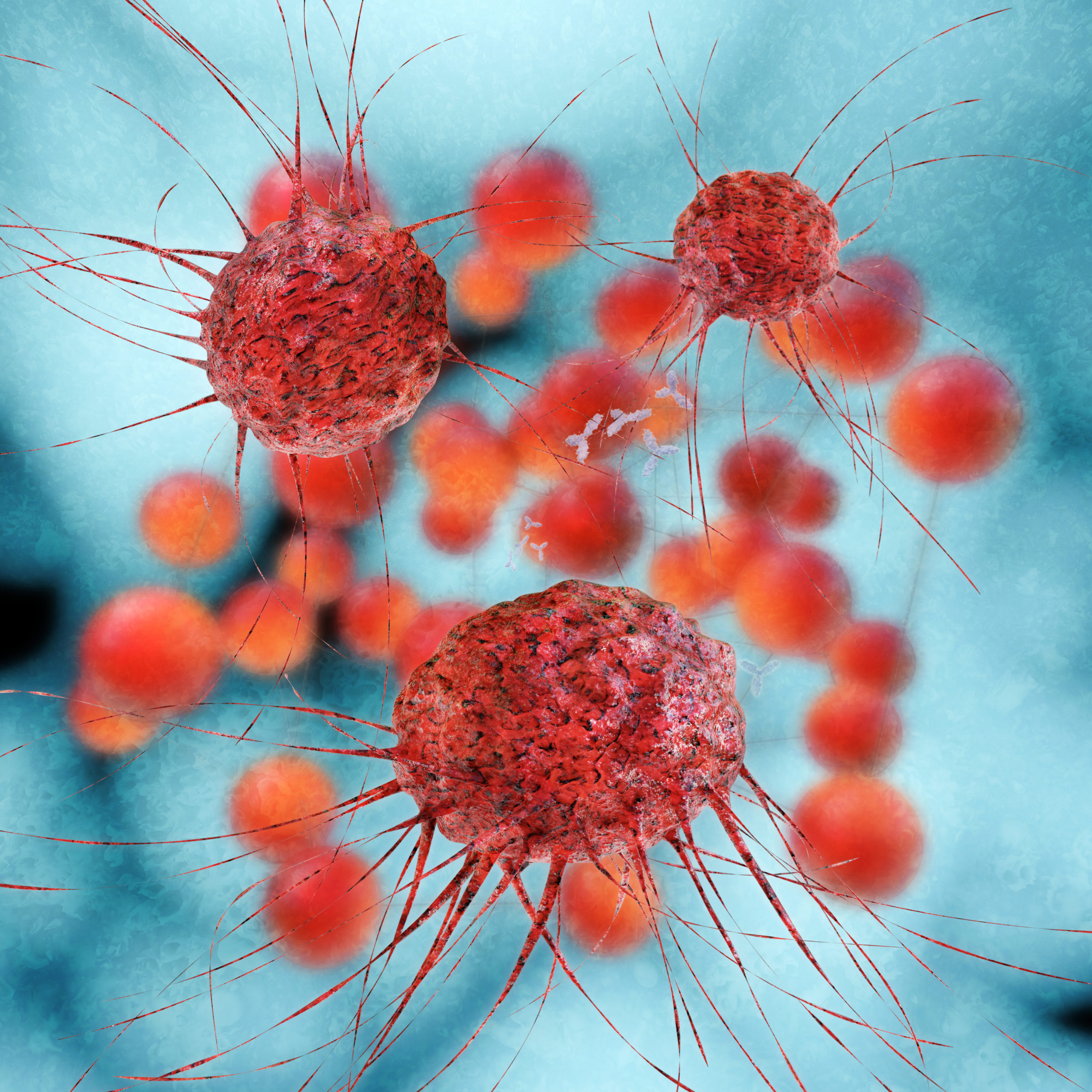
Anti-Cancer Inhibitor Could Have Dual Effect
TG2, an enzyme known to help cancers spread more quickly, also plays a role in regulating T-cells — opening the door to dual inhibition, according to a recent Northwestern Medicine study.
-

Clements Receives Lifetime Achievement Award from IAFP
Deborah Smith Clements, MD, received the Illinois Academy of Family Physician’s Distinguished Service Award.
-
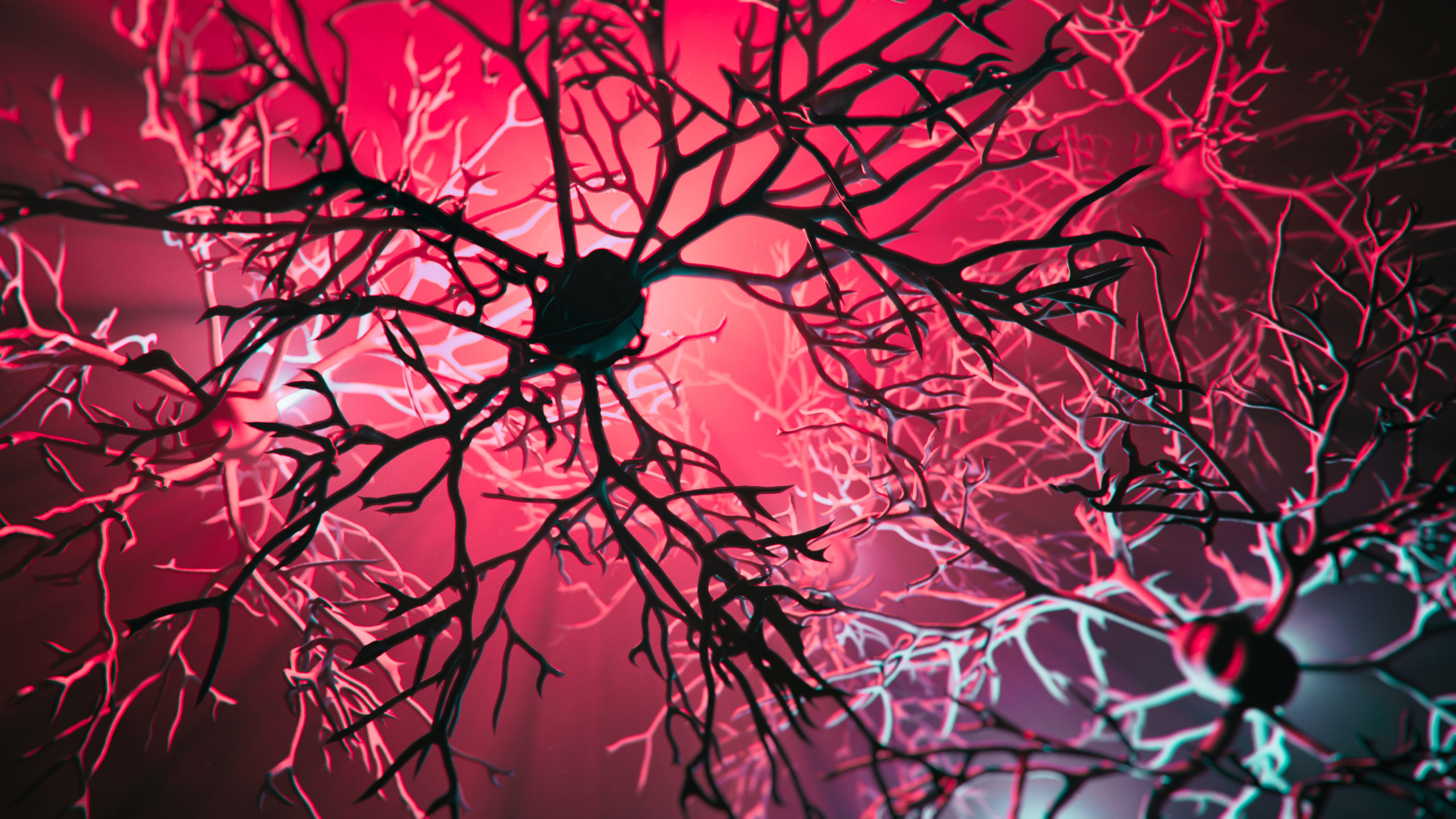
Lewy Body Dementia Exacerbated by Immune Response
T-cells respond to buildup of alpha-synuclein with a harmful auto-immune response, according to a Northwestern Medicine study published in Science.
-
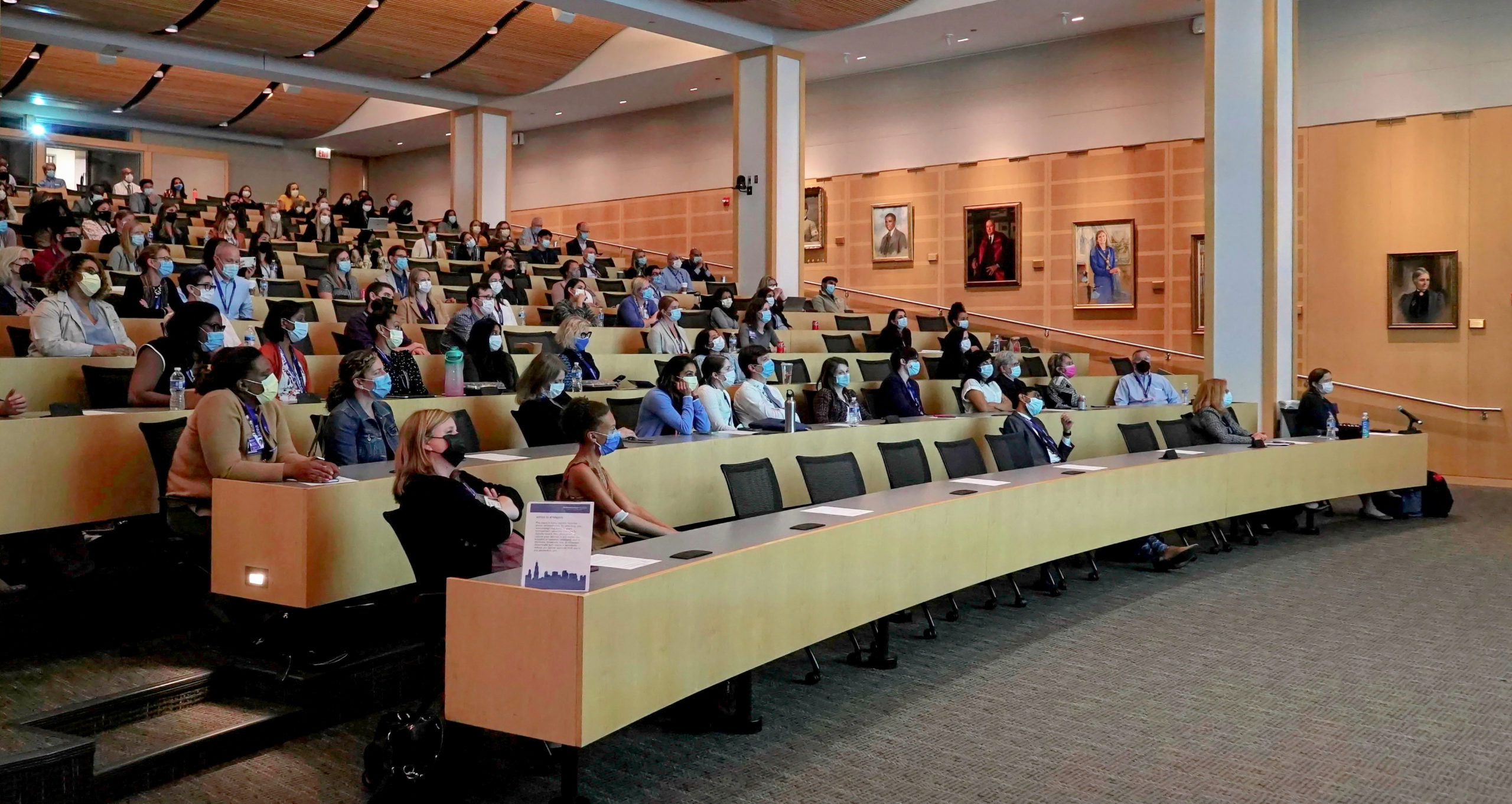
Celebrating Medical Education
Lessons learned from the pandemic, as well as new ways of teaching medicine, were shared at Feinberg’s 11th annual Medical Education Day.
-

Machine-learning Model Can Detect Rare Cardiomyopathy
A machine learning model can identify patients at risk of a rare cardiomyopathy, according to a recent study.
-
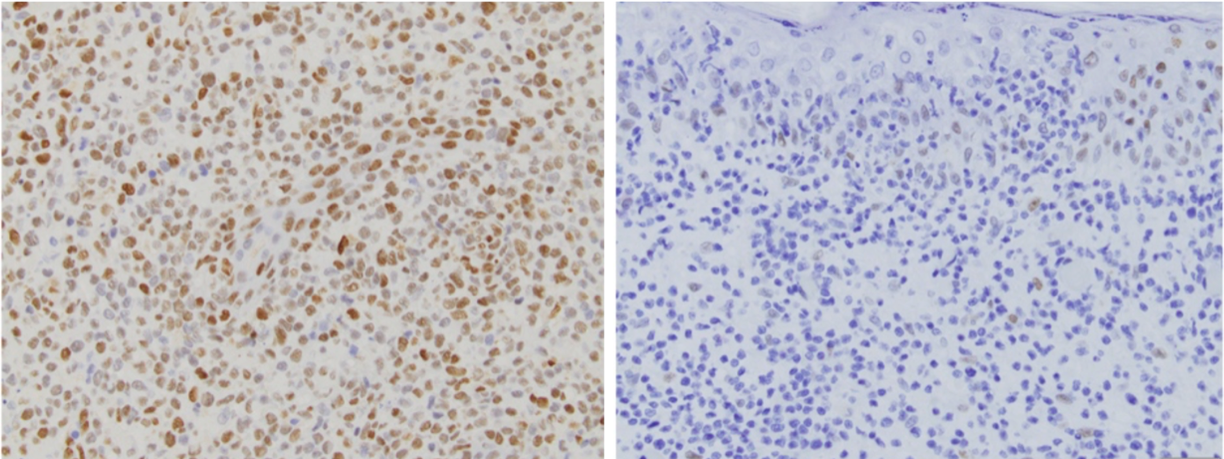
Skin Cancer Harbors Targetable Mutation
An especially deadly subtype of T-cell lymphoma is distinguished by unique mutations in the JAK-STAT pathway, according to a recent Northwestern Medicine study.
-
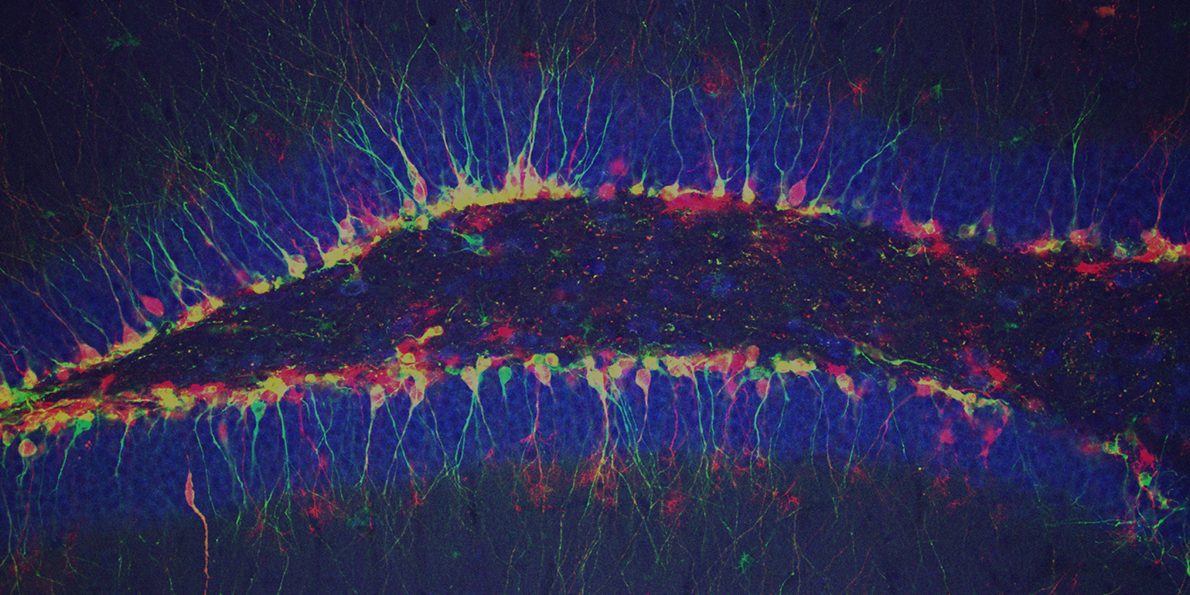
Excitatory Neural Receptors Aid Development of Adult-born Neurons
A unique interaction between an excitatory neural receptor and a chloride transporter are critical for development of adult-born neurons in the dentate gyrus.
-

Translational Science: Glioblastoma
Northwestern’s Brain Tumor SPORE — part of the Lurie Cancer Center — is now three years old, and the bench to bedside process is producing results.
-
Revising Theory of Cancer-Induced Immune Suppression
Many cancers produce an enzyme called IDO that suppresses immune system activity, but the long-held hypothesis of how this mechanism operates requires revision, according to a Northwestern Medicine study.