Byline: Kristin Samuelson
-

Extreme Heat Linked to 33 Diagnoses That Go Beyond Dehydration, Heat Stroke
A new Northwestern University study suggests that extreme heat is linked to a much wider range of health problems seen in emergency departments and urgent care clinics than previously expected.
-
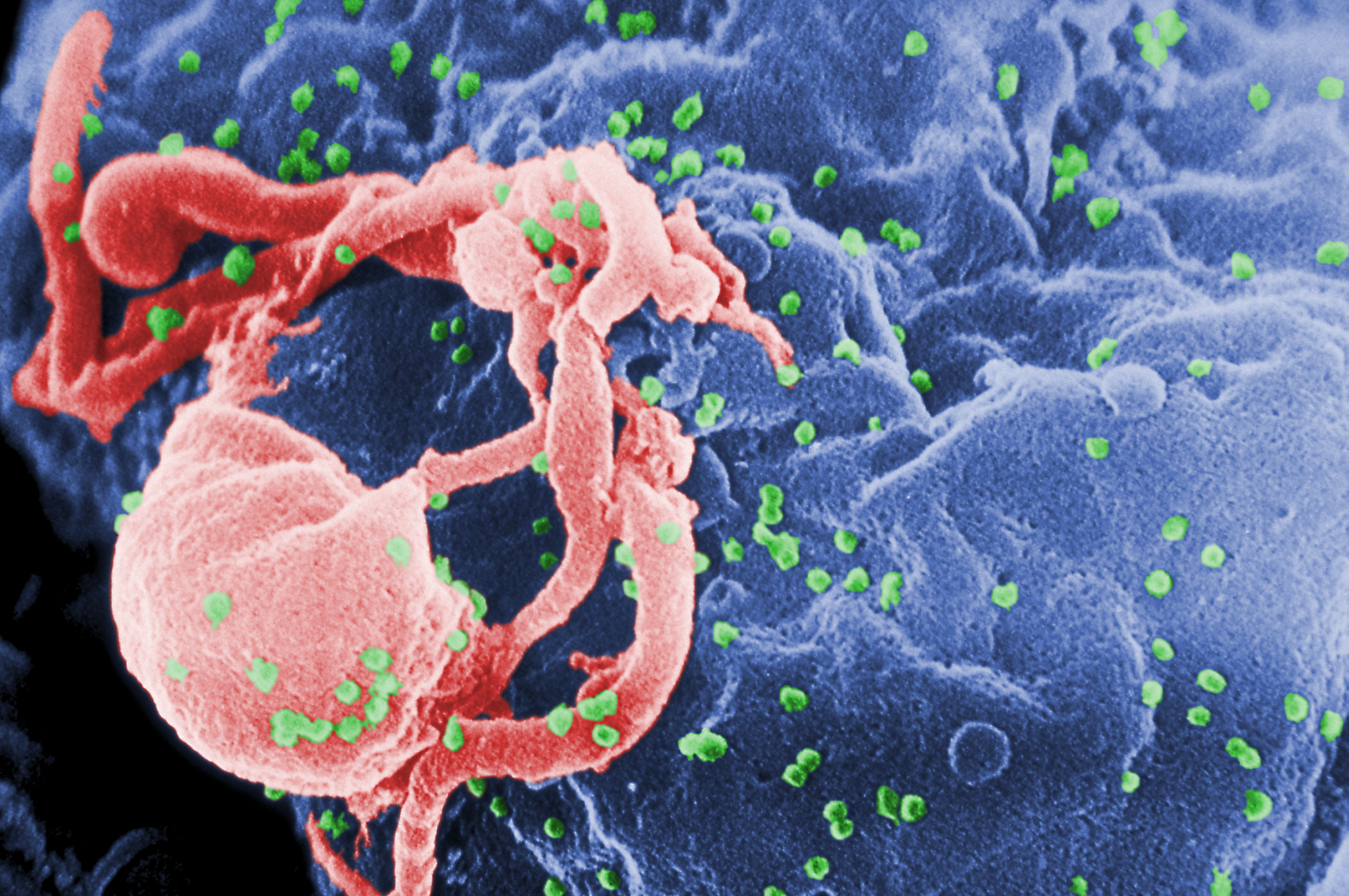
Tumor-Like Tissue Environments Could Hold Clues to Curing HIV
The tissue microenvironments surrounding HIV-infected immune cells look a lot like those surrounding cancerous tumors, according to a new Northwestern study.
-

One in Three Middle-Aged Adults Struggle With Basic, ‘Everyday’ Health Tasks
One in three middle-aged American adults ages 35 to 64 cannot consistently read prescription instructions correctly, understand medical forms or recall details from doctor visits involving chronic condition diagnoses, according to a recent study.
-

Policing Plagiarism of Ideas in Generative AI-Assisted Research Writing
A new publication argues that AI-assisted plagiarism in manuscript writing harms the research environment by eroding trust among scientists, misrepresenting the origin and authenticity of scholarly work, and discouraging innovation and original inquiry.
-
ALS is Driven by a Domino‑Like Chain Reaction That Begins in Nerve Cells
A new Northwestern Medicine study provides evidence that ALS unfolds through a domino‑like sequence of events that begins with an early breakdown inside motor neurons and is followed by a damaging inflammatory response.
-
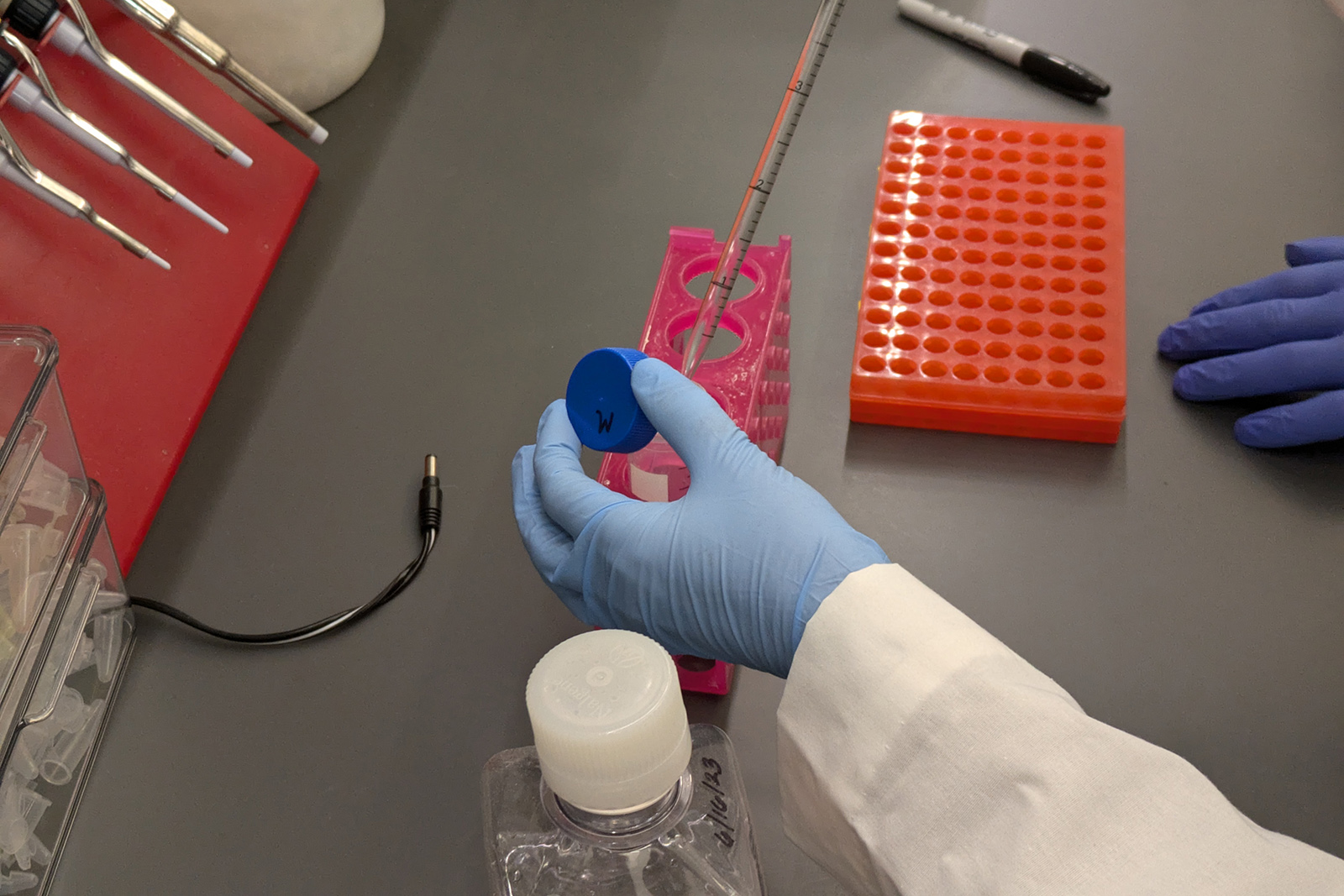
Metformin Slows Mitochondrial Energy Production, Promotes Glycemic Control
A new Northwestern Medicine study has found that metformin, a commonly prescribed diabetes drug, focuses primarily on the gut, acting to prevent glucose levels rising in the blood by driving glucose utilization inside cells lining the intestine.
-
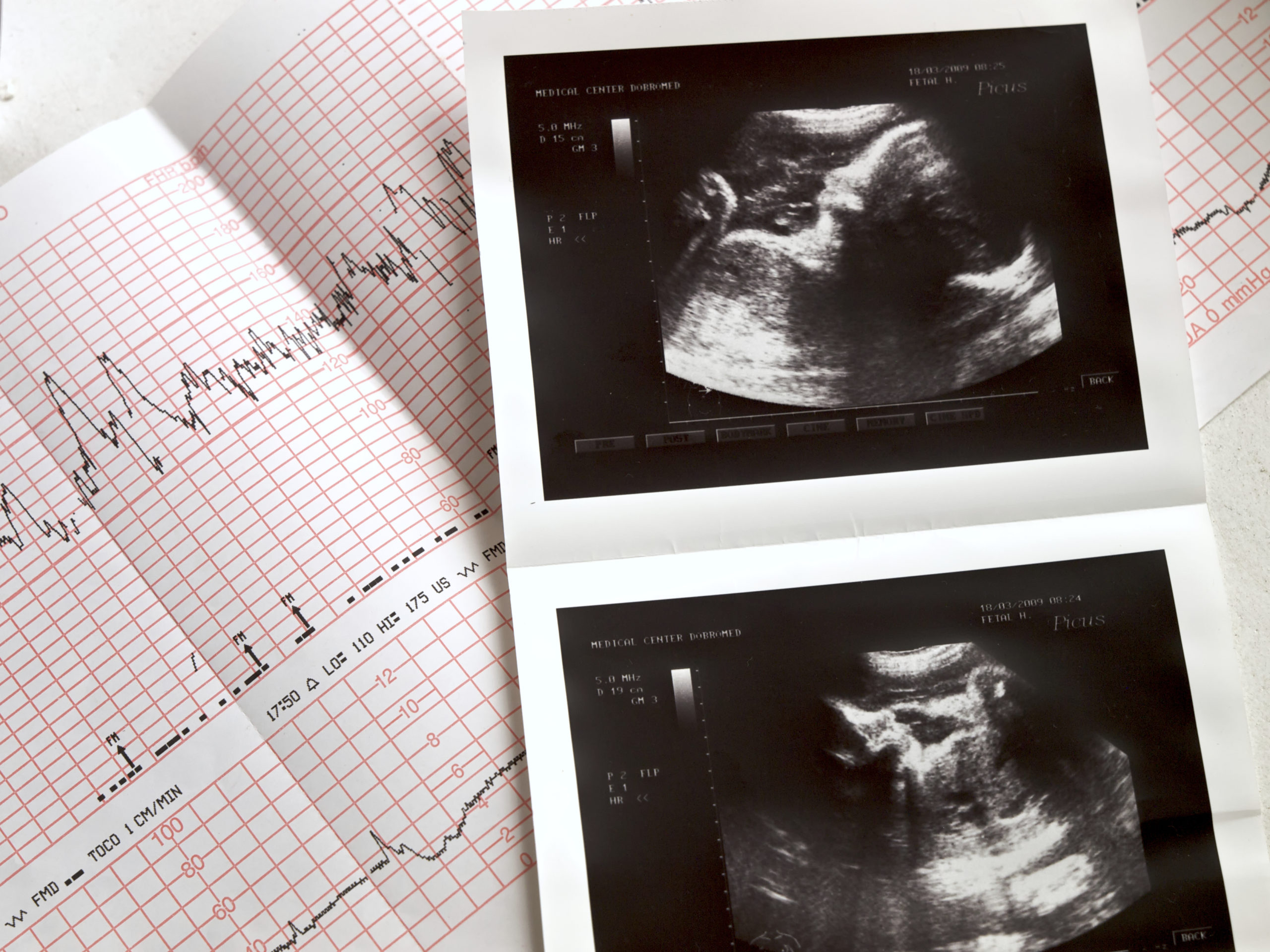
Treatment of Rare Childhood Epilepsy Could Begin Before Birth
A new Northwestern study suggests that interventions for epilepsy can start during pregnancy, as early as 15 weeks gestation, well before symptoms appear, according to a study published in Nature Communications.
-
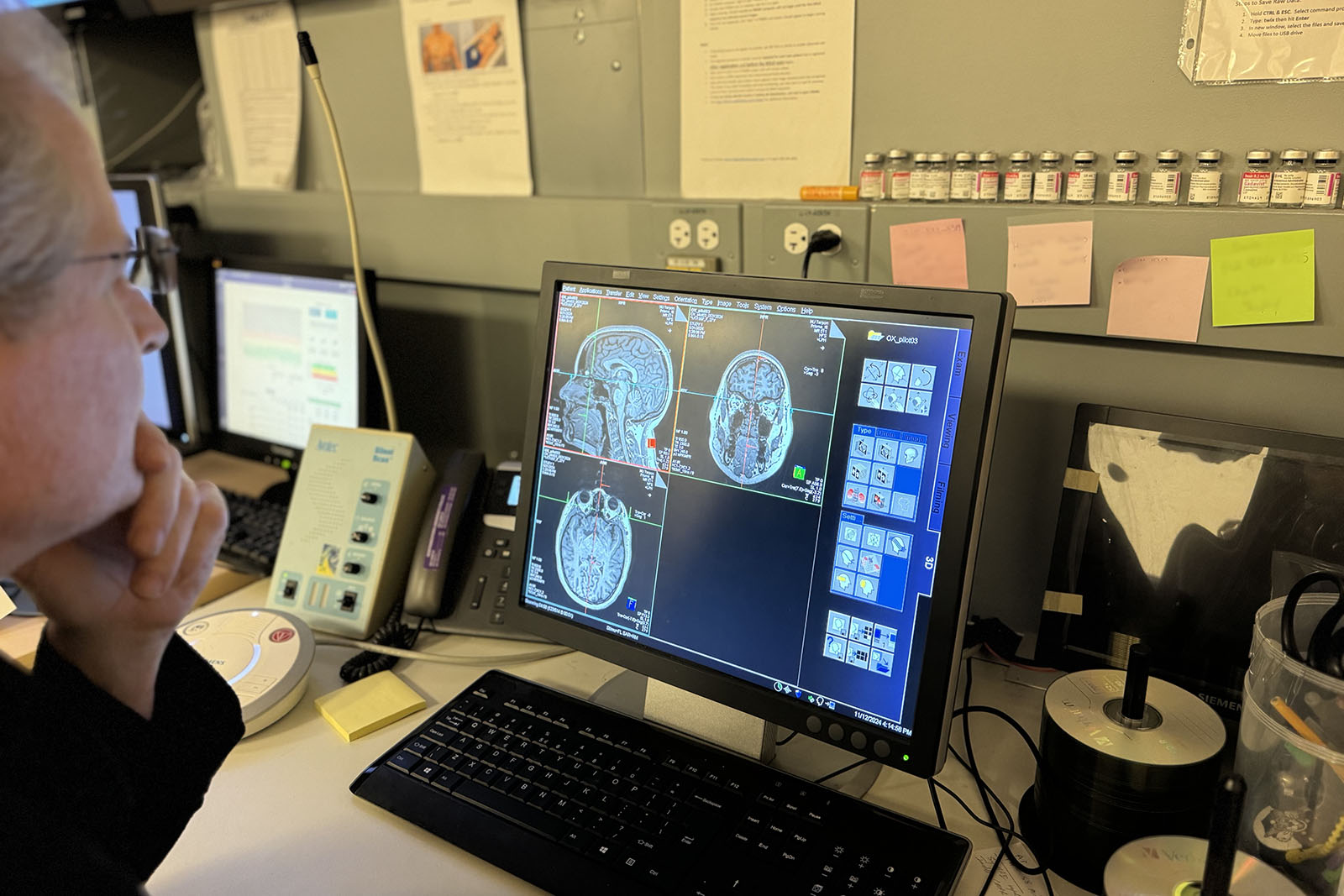
Imagination is More Than Sensory Replay
A new Northwestern University study suggests that higher‑level brain systems that interpret and organize perception may play a central role in imagination in addition to sensory systems.
-
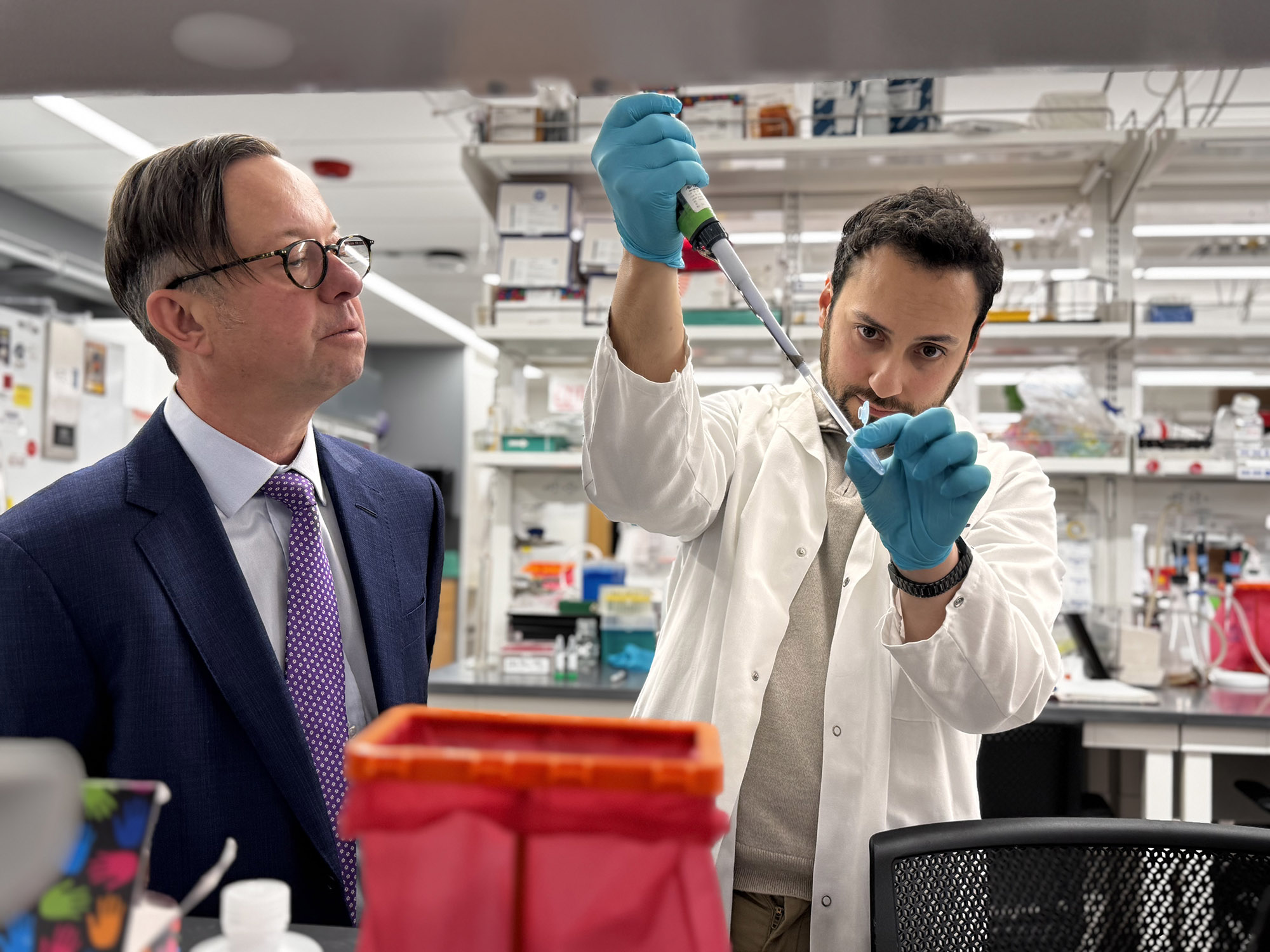
Schizophrenia Study Finds New Biomarker, Drug Candidate to Treat Cognitive Symptoms
A new Northwestern study in humans and mice has discovered a novel biomarker of schizophrenia that could also serve as a new drug candidate to treat the cognitive symptoms of the disorder.
-
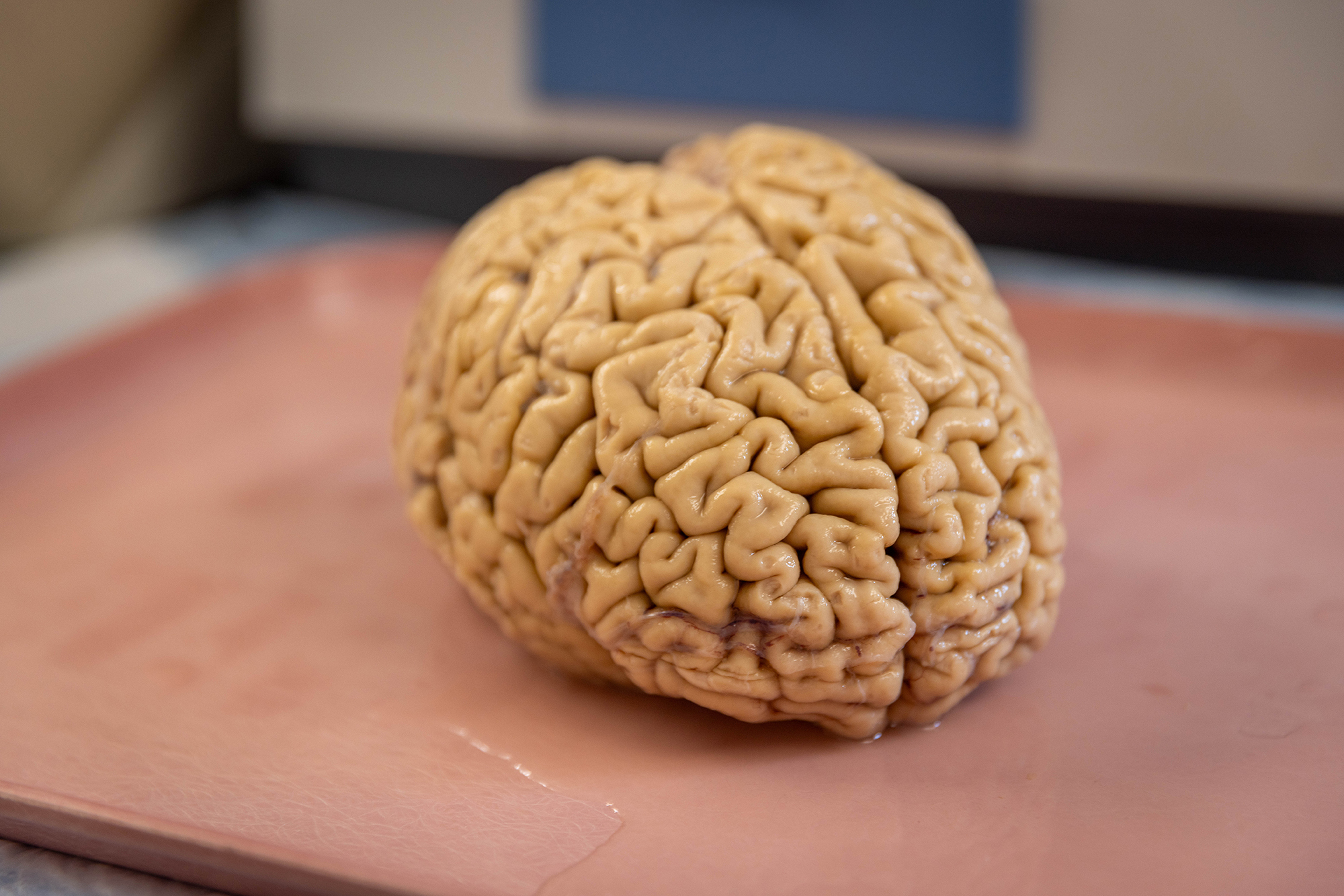
As Superagers Age, They Make at Least Twice as Many New Neurons as Their Peers
New research shows that the brains of “SuperAgers” continue to generate new neurons in the hippocampus at levels far higher than typical older adults, and even much younger individuals.