Byline: Ben Schamisso
-
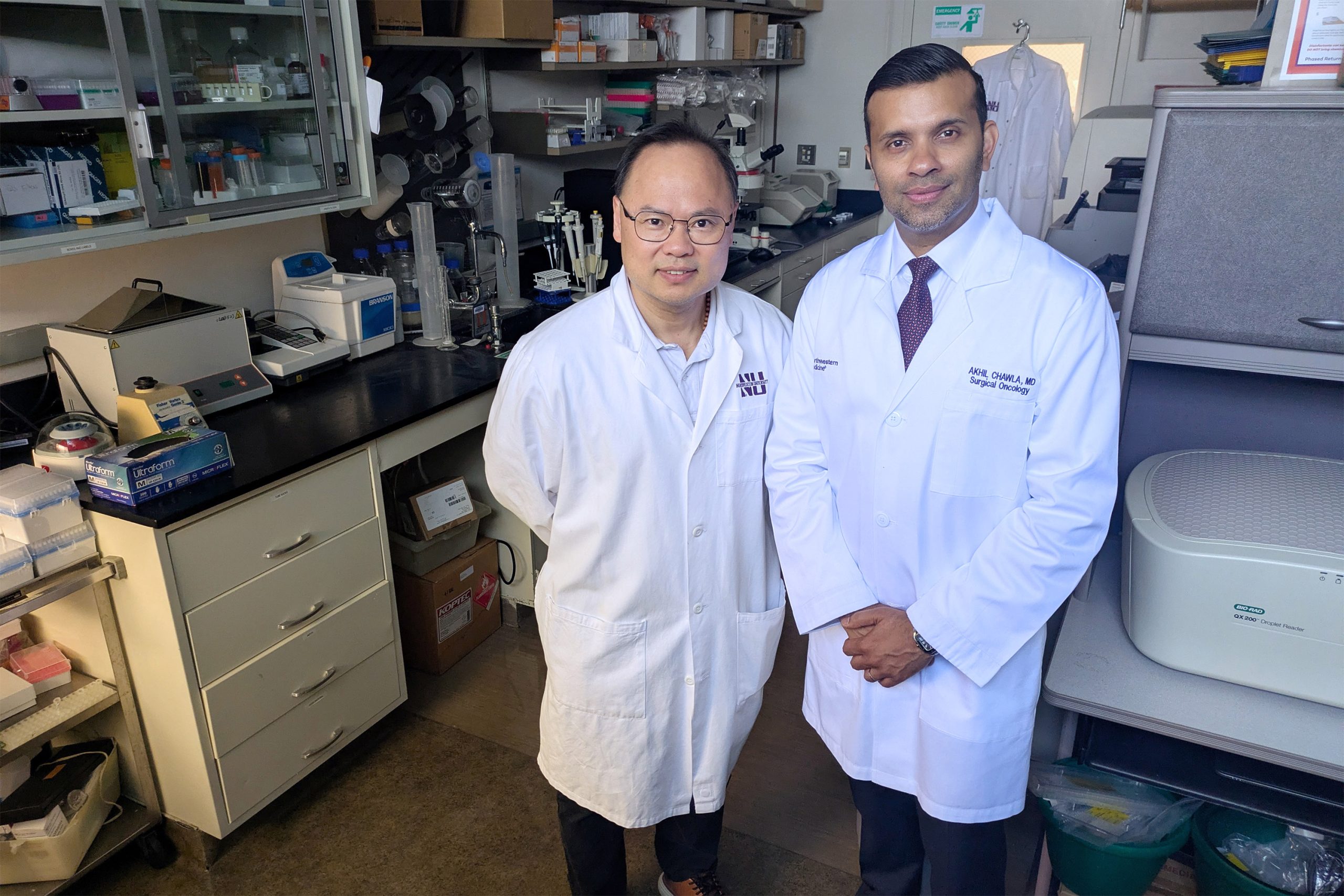
Blood Test Spots Hidden Pancreatic Cancer After Treatment
A highly sensitive blood test can detect traces of pancreatic cancer missed by standard testing, potentially helping physicians identify patients whose disease is more likely to return even when scans appear reassuring.
-

Asthma Drug Improves Treatment of Aggressive Cancers in Preclinical Studies
A drug widely used to treat asthma and allergies may also help fight aggressive cancers, reports a new Northwestern Medicine study that uncovered how tumors hijack common white blood cells to evade immunotherapy.
-
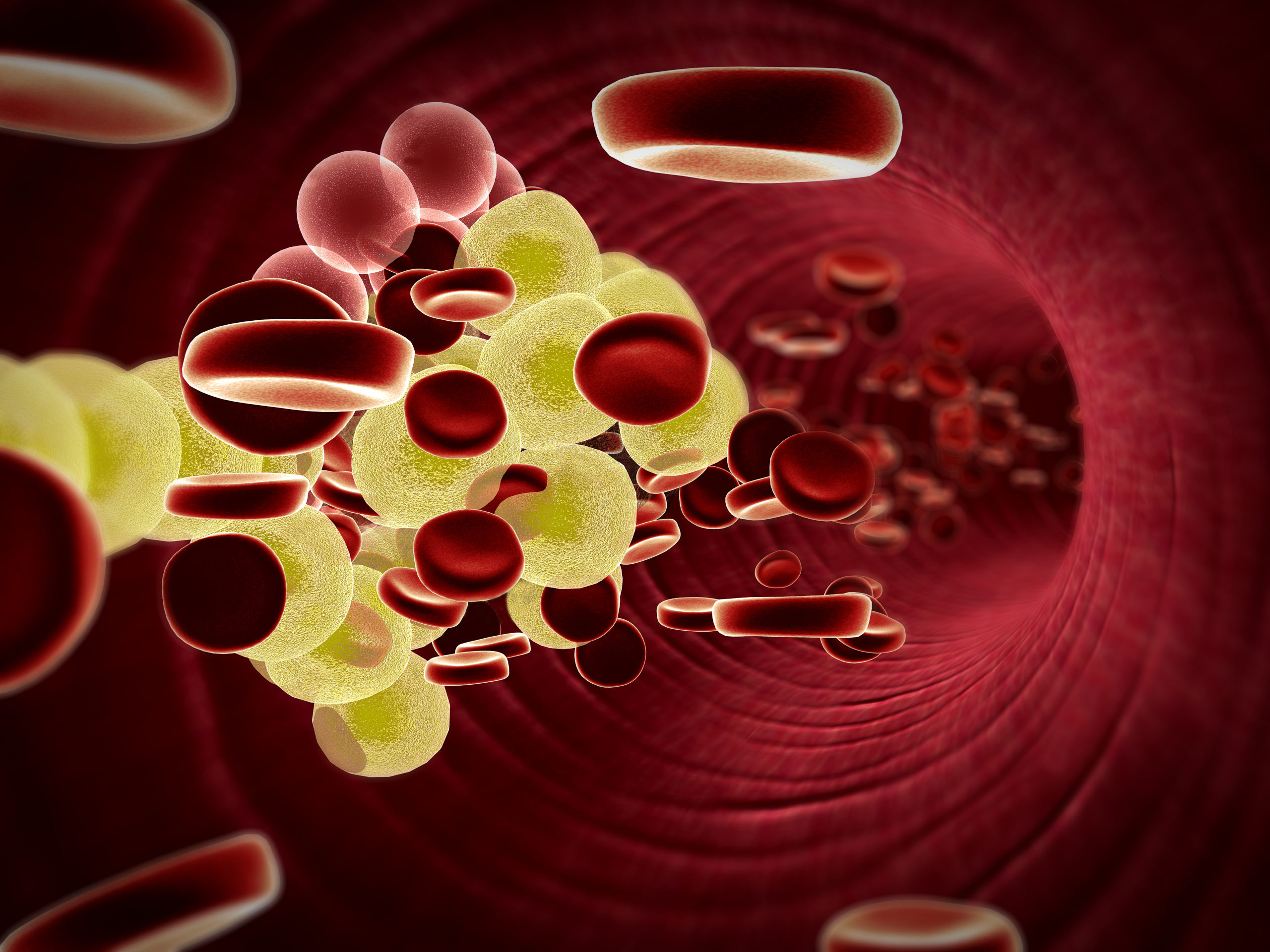
Little-Used Cholesterol Test Could Prevent More Heart Attacks, Strokes
A new Northwestern Medicine study published in JAMA has found that a little-used cholesterol test outperformed standard tests in guiding cholesterol-lowering therapy.
-
New Drug Doubles One-Year Survival in Pancreatic Cancer Trial
Patients who received an experimental drug developed at Northwestern University alongside standard chemotherapy were twice as likely to be alive after one year of treatment, compared to those receiving chemotherapy alone.
-

Premature Menopause Raises Long-Term Heart Risk by 40 Percent
Women who enter natural menopause before age 40 face about a 40 percent higher lifetime risk of developing coronary heart disease than women who experience menopause later, according to a large Northwestern Medicine study.
-
Long COVID Brain Fog Far More Common in US than India, Other Nations
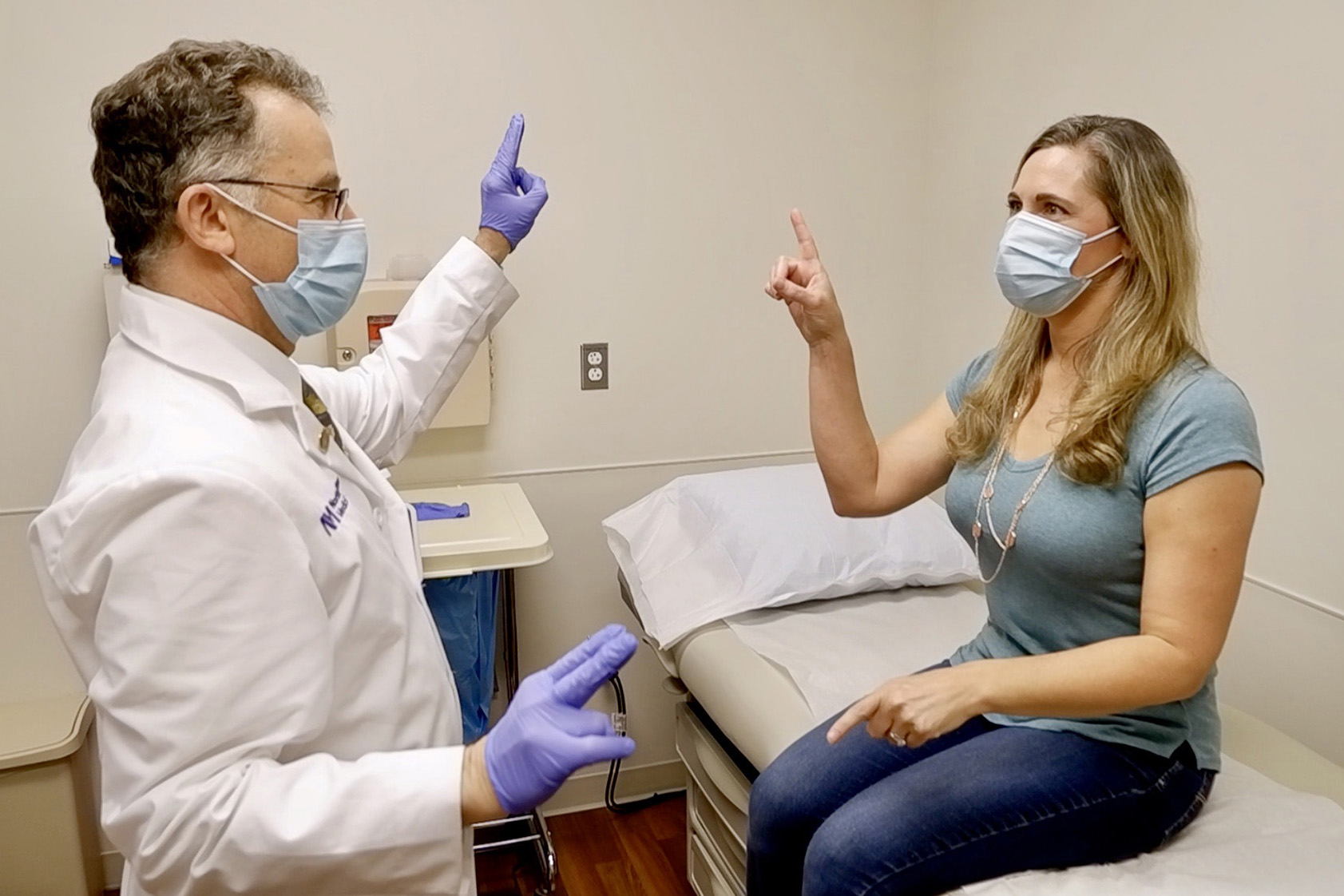
Patients with long COVID-19 in the U.S. report far higher rates of brain fog, depression and cognitive symptoms than patients in countries such as India and Nigeria, according to a large international study led by Northwestern Medicine.
-

Gestational Diabetes Rose Every Year in the US Since 2016
Gestational diabetes rose every single year in the U.S. from 2016 through 2024, according to a new Northwestern Medicine analysis of more than 12 million U.S. births.
-
Tanning Beds Triple Melanoma Risk, Potentially Causing Broad DNA Damage
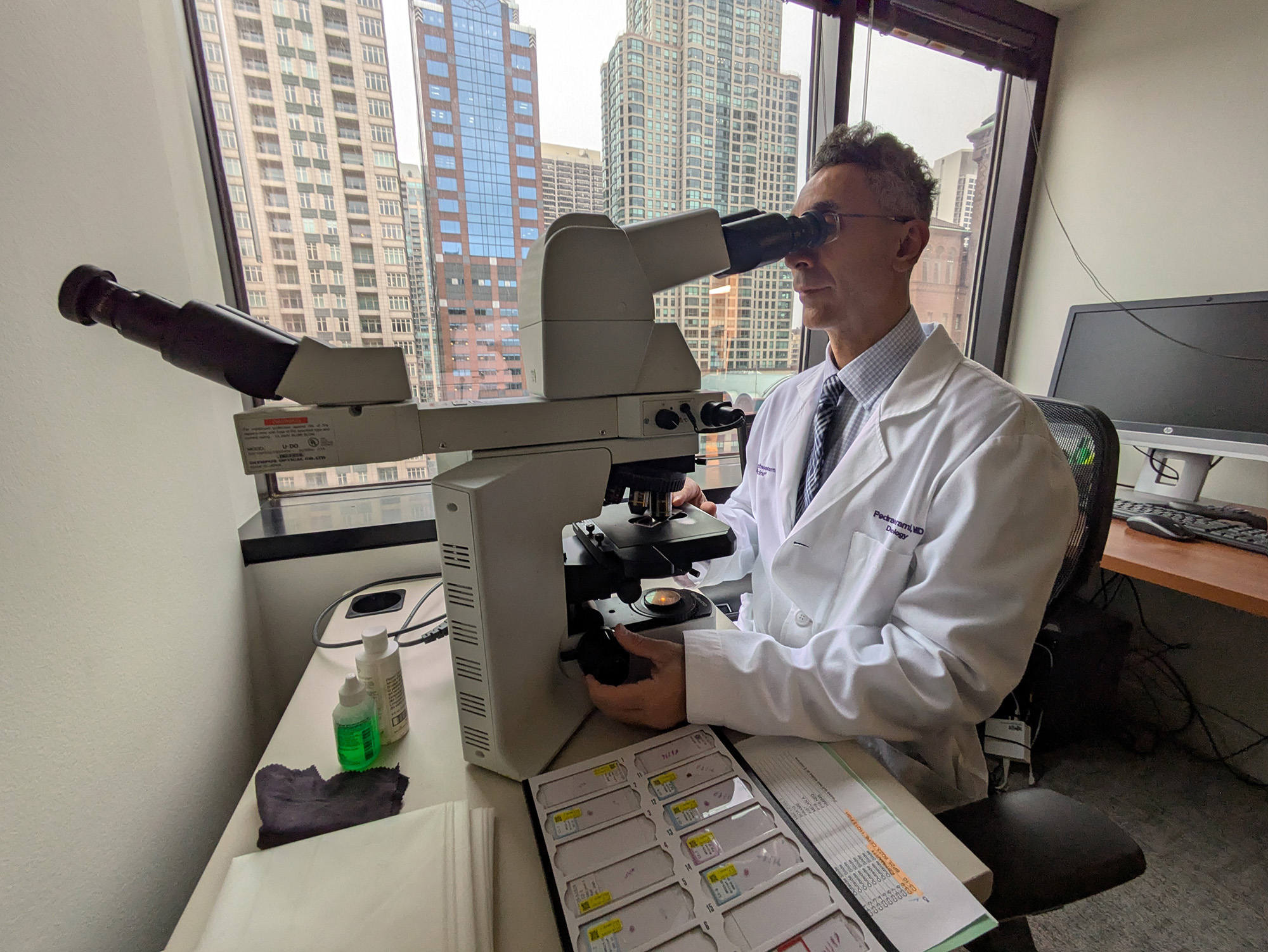
Tanning bed use is tied to almost a threefold increase in melanoma risk, and for the first time, scientists have shown how these devices cause melanoma-linked DNA damage across nearly the entire skin surface, according to a recent study.
-

New ‘Heart Percentile’ Calculator Helps Young Adults Grasp Their Long-Term Risk
A new Northwestern Medicine study introduces a first-of-its-kind online calculator that uses percentiles to help younger adults forecast and understand their risk of a heart event over the next 30 years.
-
New Antibody Therapy Reawakens Immune System to Fight Pancreatic Cancer
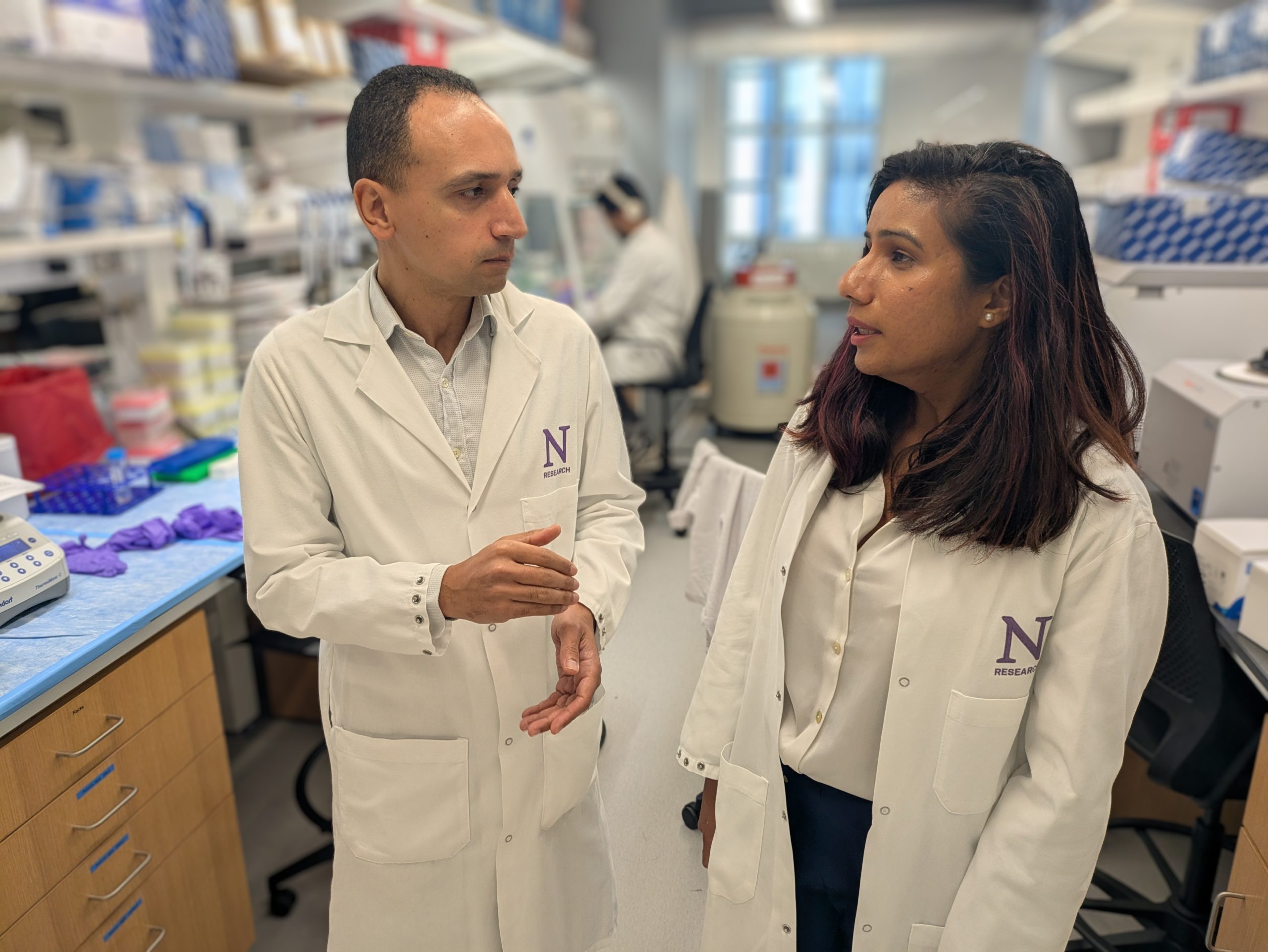
A new study shows that pancreatic tumors use a sugar-based disguise to hide from the immune system, and Northwestern scientists have also created an antibody therapy that blocks the “don’t-attack” signal.