Author: mrr5831
-
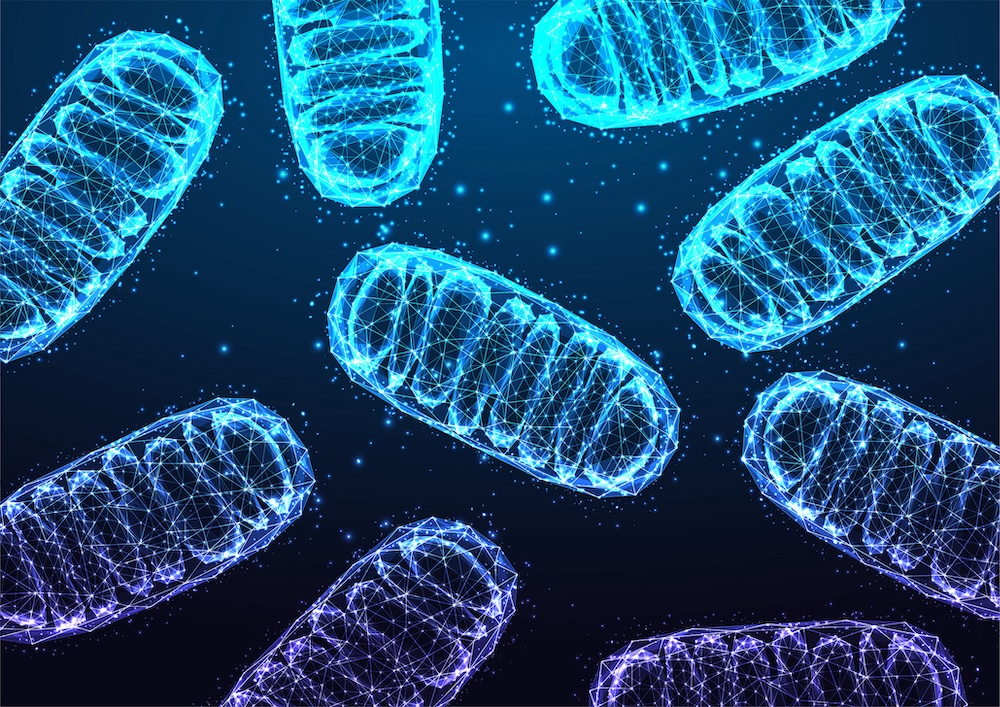
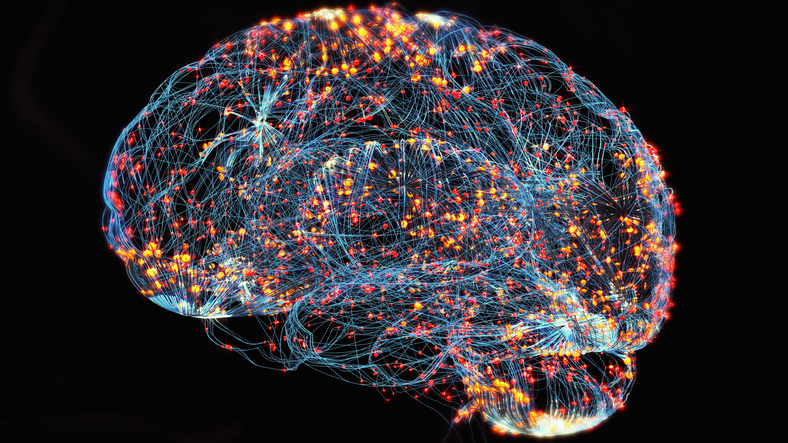
Exploring Intracellular Communication to Understand Neurodegeneration
Investigators have uncovered a new communication pathway between mitochondria and RNA granules that may improve the understanding of how the toxic buildup of the TDP-43 protein leads to the development of certain neurodegenerative diseases, according to a recent study published in Nature Communications.
-
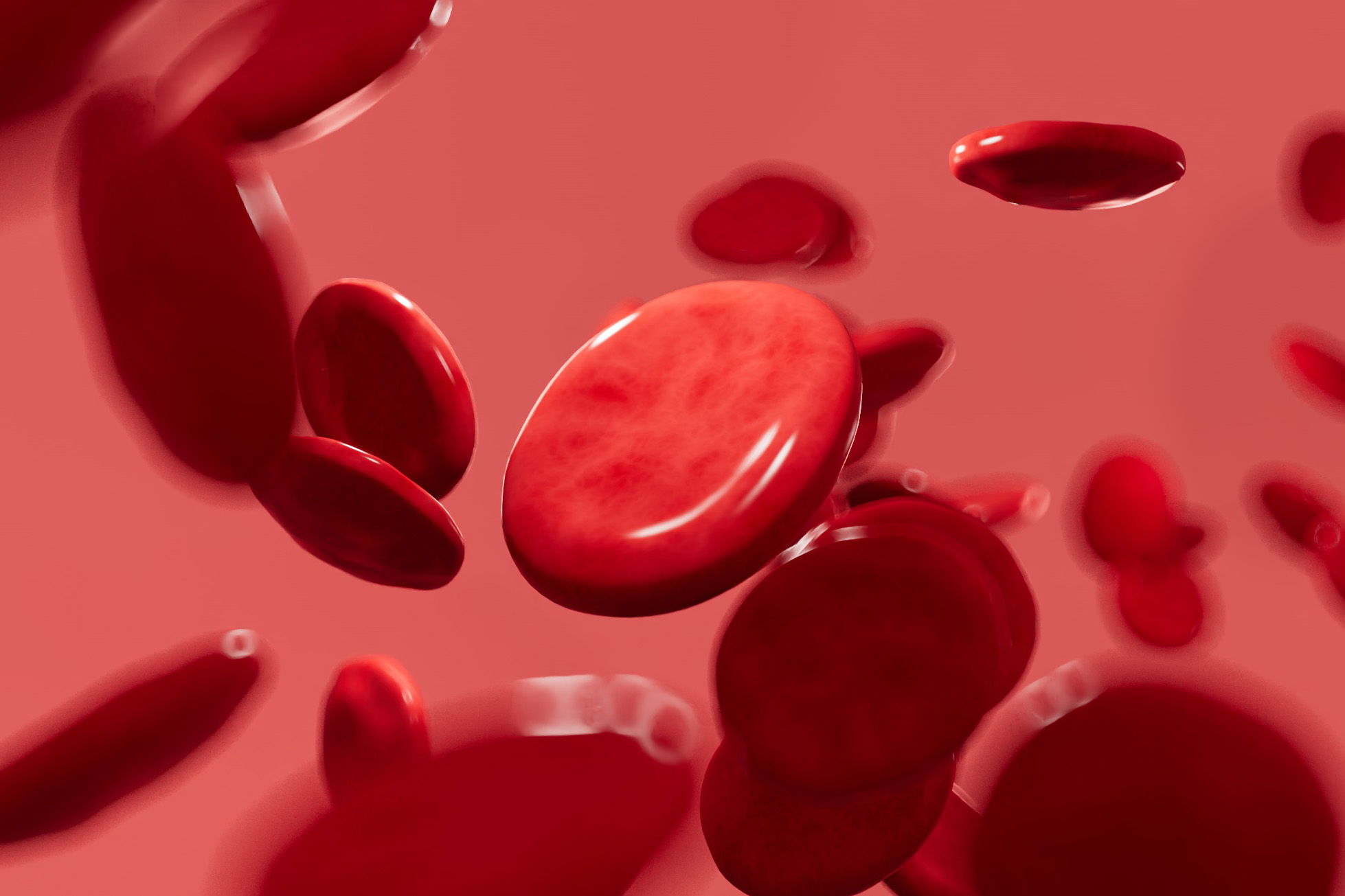
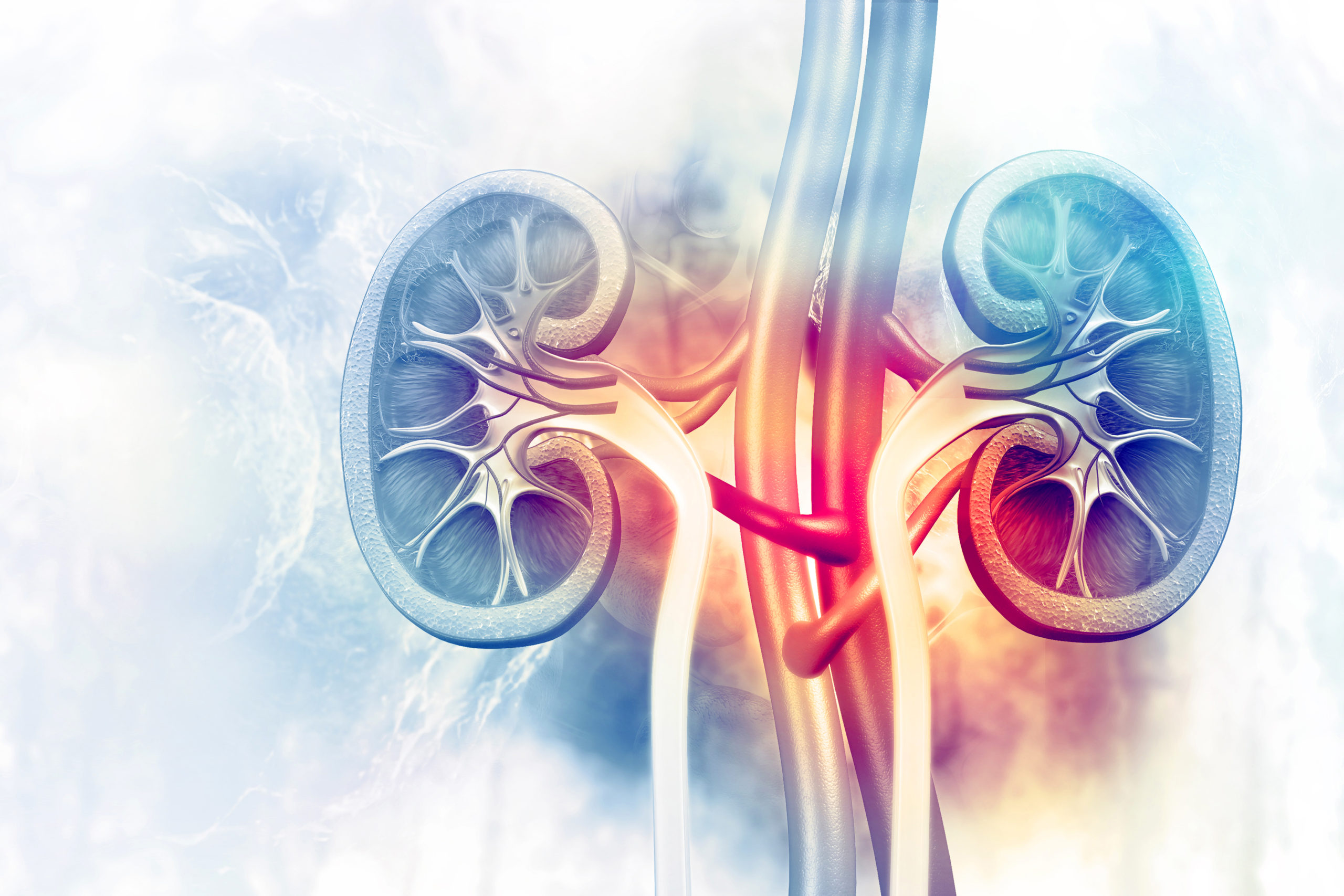
Hormone Impacts Red Blood Cell Production in Anemia
Northwestern Medicine scientists have discovered that the hormone FGF23 reduces the production of red blood cells and may contribute to the development of anemia of chronic kidney disease, according to a recent study published in Blood.
-
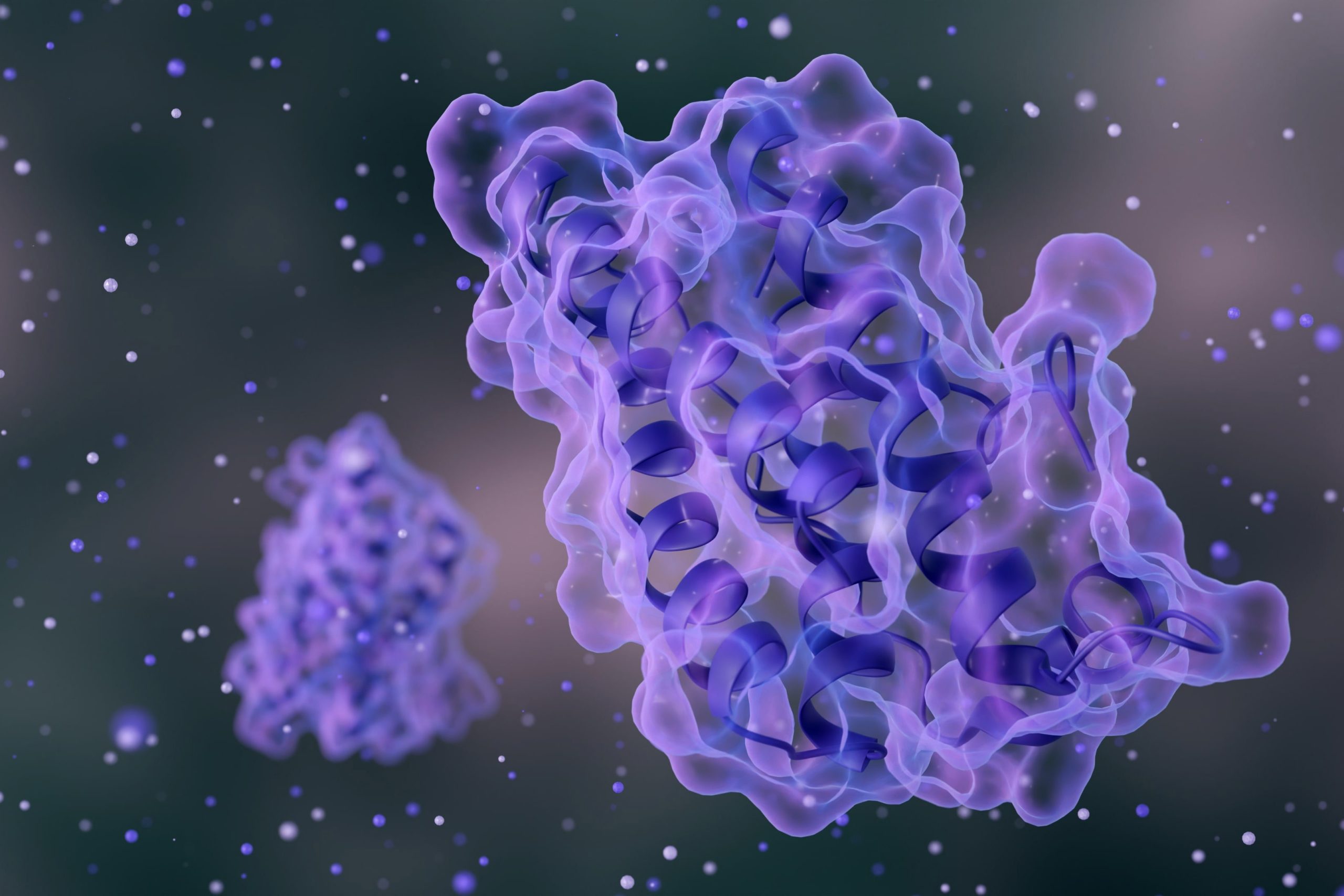
Novel Synthetic Biomolecule Degrades Disease-Related Proteins
Northwestern Medicine scientists have developed a novel synthetic biomolecular condensate that can target and degrade intracellular disease-causing proteins, providing a framework for new therapeutic approaches for a wide range of diseases, as detailed in a recent study.
-
Study Uncovers Potential Gene Therapy for Late-Stage Parkinson’s Side-Effects
Northwestern Medicine scientists have discovered that suppressing excitatory synaptic transmission in a small group of neurons in the brain may reverse levodopa-induced dyskinesia in patients with late-stage Parkinson’s disease without reducing the symptomatic benefits of levodopa treatment, according to a recent study published in Neuron.
-

New Experimental Method Reveals Protein Energy Landscapes on Larger Scale
Northwestern Medicine scientists have developed a new experimental method to analyze conformational fluctuations in protein domains on a uniquely large scale, which may improve data-driven modeling, biology and protein engineering, as detailed in a recent study published in Nature.
-
Spatial Transcriptomics Guides Inflammatory Bowel Disease Research
A novel spatial transcriptomics atlas developed by Northwestern Medicine scientists may improve the understanding of niche cellular interactions in the gastrointestinal tract that promote the development of inflammatory bowel diseases, as detailed in a recent study published in Nature Communications.
-

Honors Day Celebrates Medical School Excellence
Fourth-year medical students and faculty members were recognized for academic and clinical excellence during Feinberg’s Honors Day, held on May 15 in the Hughes Auditorium.
-

Honoring the MD Class of 2026
Feinberg honored the MD Class of 2026 during this year’s commencement ceremony held in the Aon Grand Ballroom at Navy Pier on May 18.
-
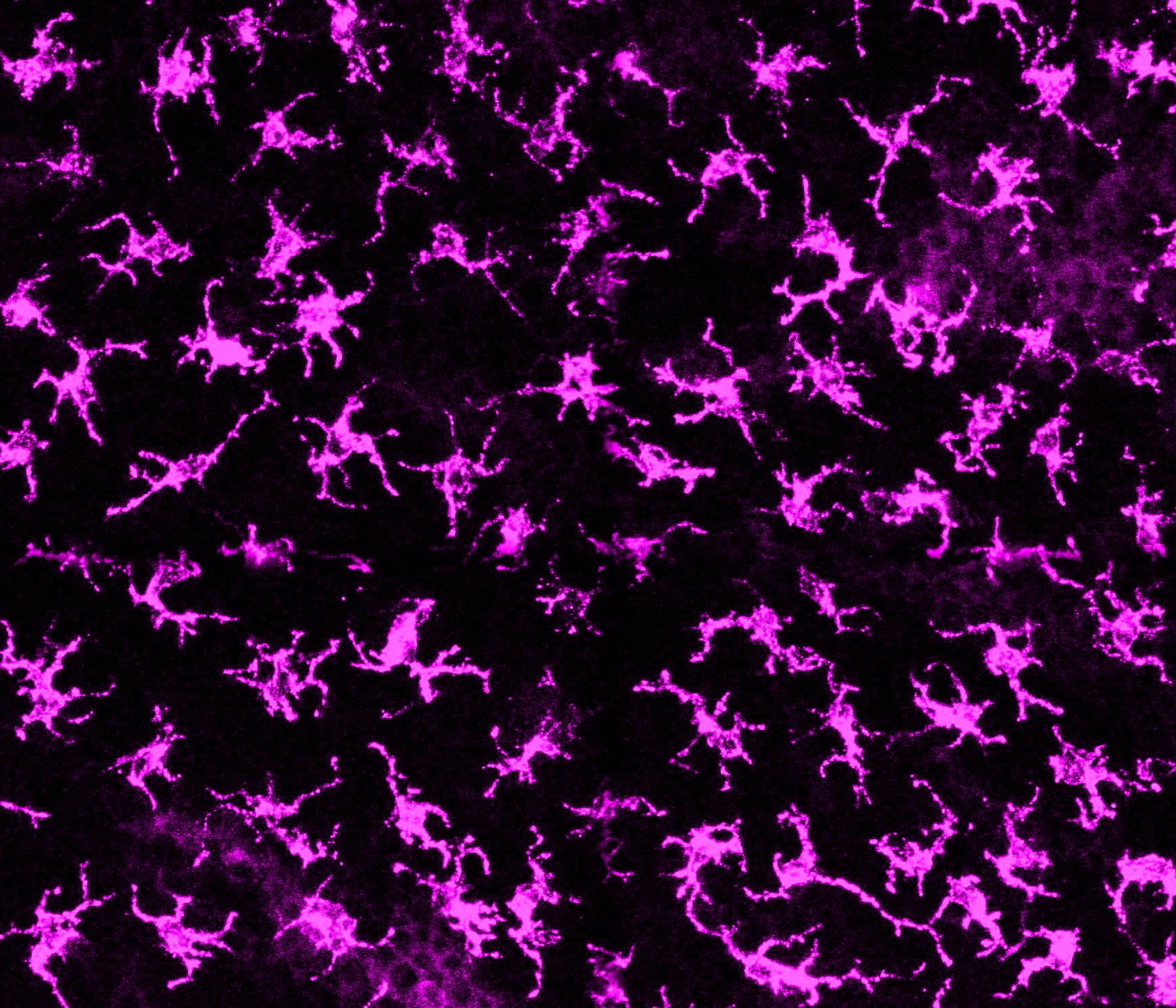
Skin-Resident Immune Cells Drive Neuropathic Pain in Diabetes
In experimental models of diabetes, Northwestern Medicine scientists have discovered that a specialized group of skin-resident immune cells drive neuropathic pain through sex-dependent signaling pathways, according to a recent study published in The Journal of Clinical Investigation.
-

Time-Restricted Eating Supports Weight Loss in Women with PCOS
A time-restricted eating program promoted greater weight loss in women with polycystic ovary syndrome (PCOS) than no intervention, according to a randomized controlled trial published in Nature Medicine.