Author: Olivia Dimmer
-

Uncovering a Genetic Driver of Rare Early-Onset Dementia
A global team of scientists has uncovered a new genetic risk factor for a rare and aggressive form of early-onset dementia, according to a study published in Nature Genetics.
-
Study Identifies New Molecular Mechanisms Supporting Cell Adhesion
Scientists led by Sergey Troyanovsky, PhD, professor of Dermatology and of Cell and Developmental Biology, have uncovered new intracellular mechanisms promoting cell-cell adhesion, a process disrupted in a variety of skin and inflammatory diseases, according to a recent study published in the Journal of Cell Biology.
-
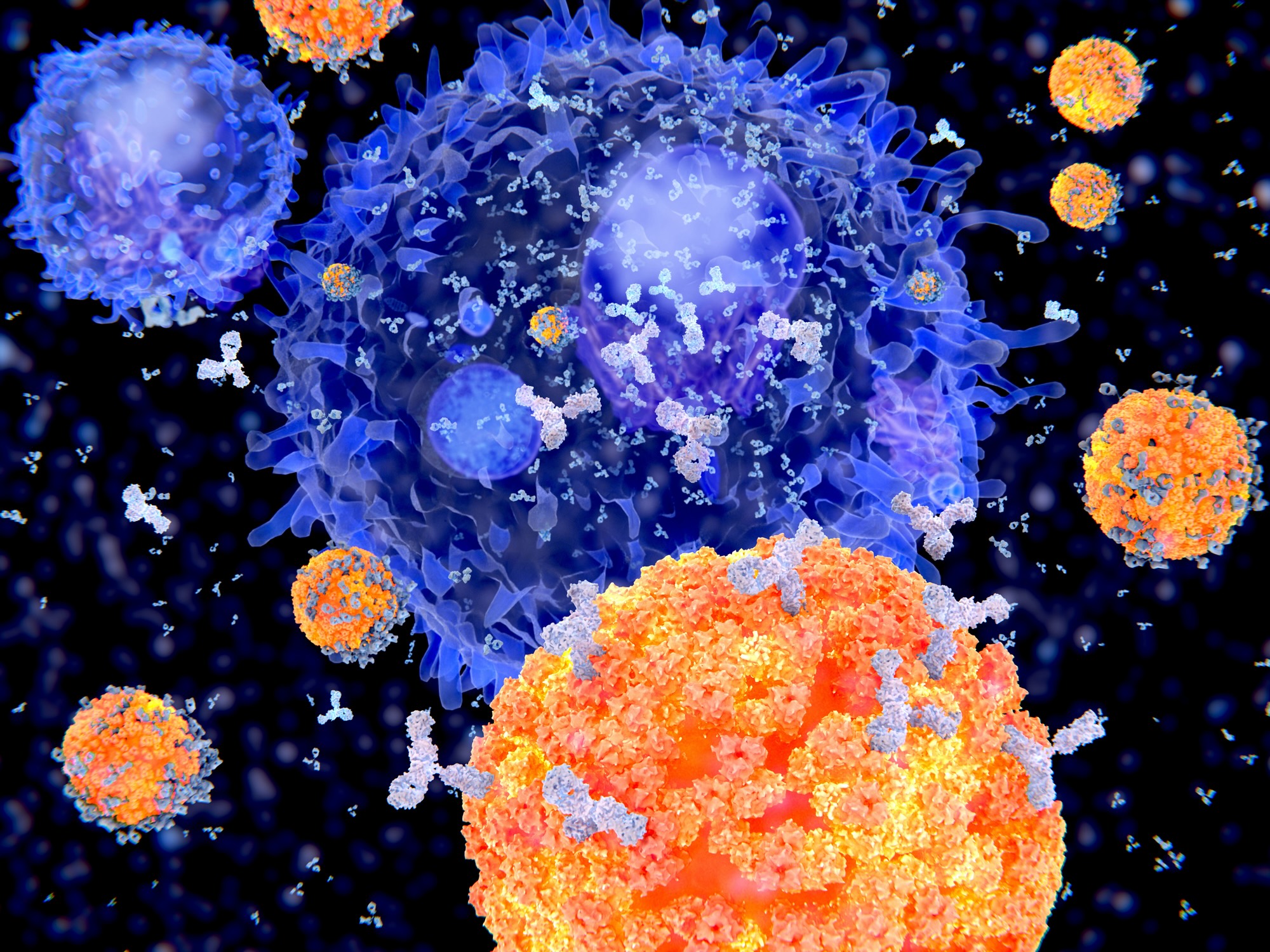
Understanding Mechanisms of Rare Inflammatory Autoantibodies
Northwestern Medicine investigators have uncovered a missing link behind the harmful effects of autoantibodies linked to blood clots, pregnancy complications and other inflammatory conditions, according to a new study published in the Proceedings of the National Academy of Sciences.
-
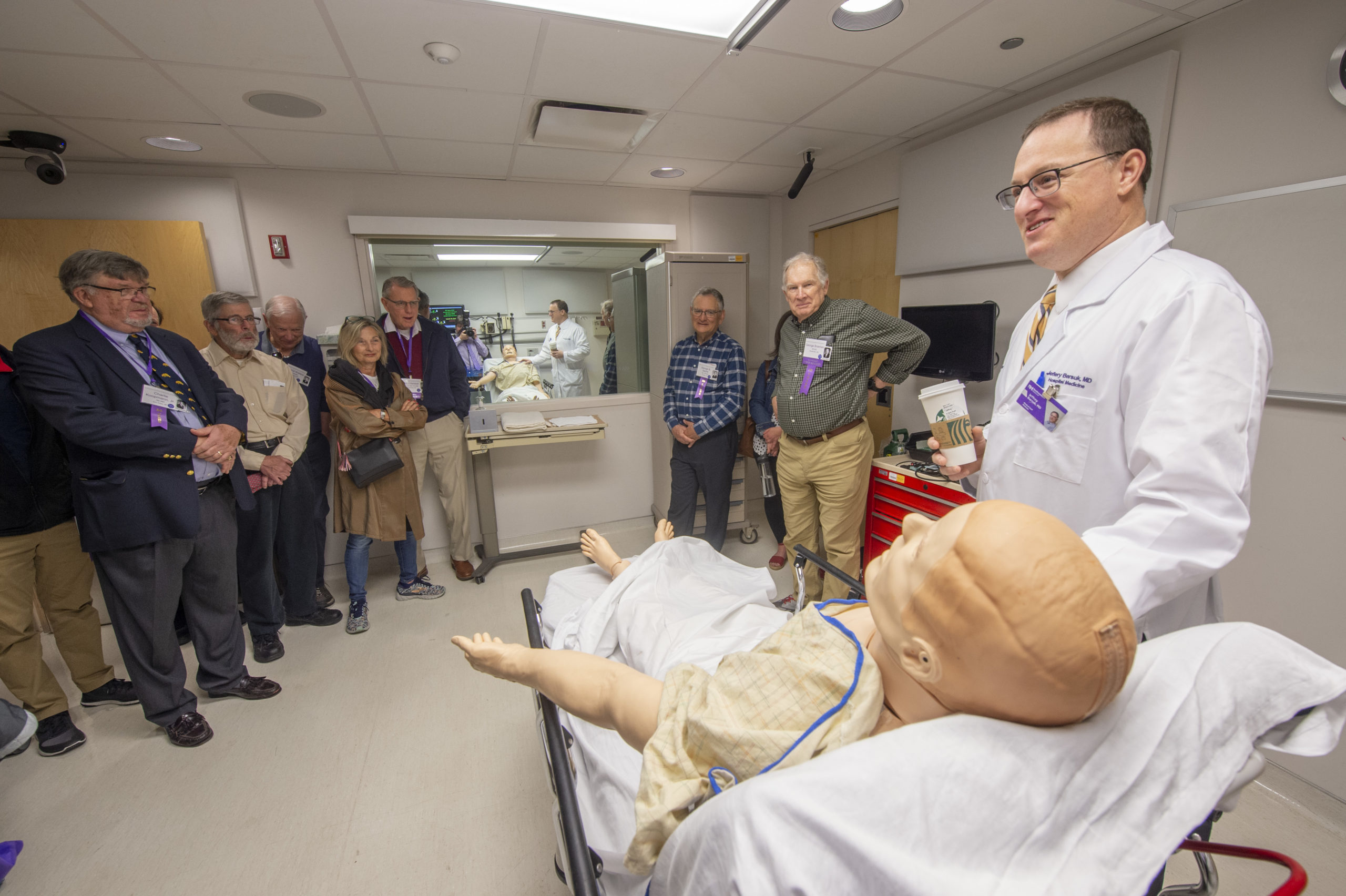
Simulation Training Dramatically Improves Colonoscopy Clinical Skills
A new Northwestern Medicine study suggests that a structured simulation‑based training program can significantly improve how gastroenterologists remove precancerous colon polyps, according to findings published in Gastroenterology.
-

Feinberg Students Celebrate Match Day 2026
Anticipation and applause filled the air on Friday, March 20, as Feinberg students gathered with family, friends and faculty to learn where they will begin the next phase of their medical training during Match Day 2026.
-

Experimental Stroke Drug Slows Bleeding but Doesn’t Improve Recovery
A global clinical trial has found that recombinant factor VIIa, a drug designed to rapidly slow bleeding in the brain after a hemorrhagic stroke, does not improve long‑term recovery for patients, according to a study published in The Lancet
-
Study Finds Widespread Screening for Rare Cholesterol Disorder Not Cost-Effective
Screening all young people for a genetic form of dangerously high cholesterol could prevent heart attacks and strokes later in life, but would not be cost-effective under the current healthcare system, according to a new modelling study published in JAMA.
-
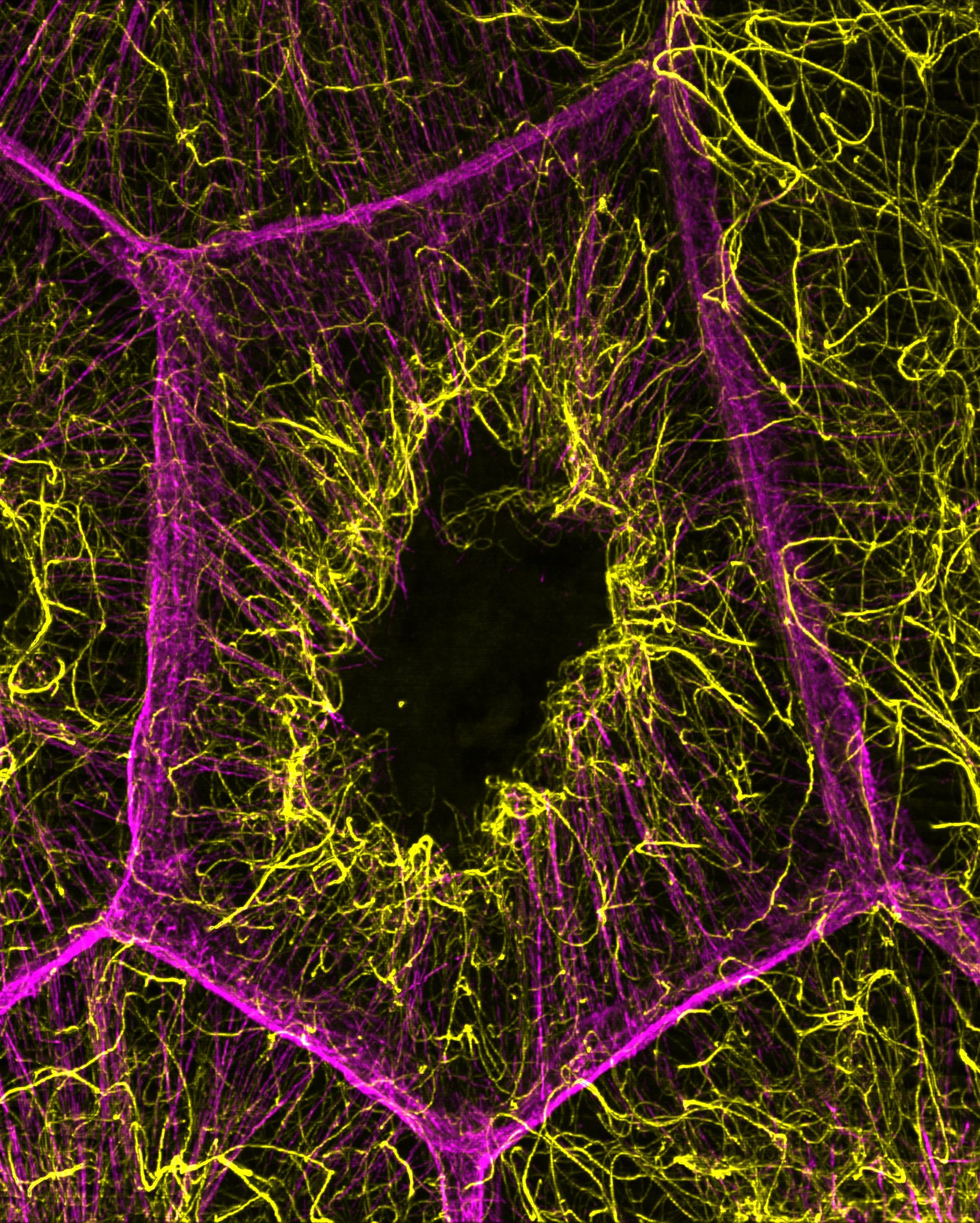
Cells’ Systems Cooperate to Form ‘Scaffolding’ During Egg Development
A Northwestern Medicine study has shed light on one of the most intricate construction projects in biology: how cells build and coordinate the internal scaffolding needed to create a healthy egg, according to a recent study published in the Journal of Cell Biology.
-
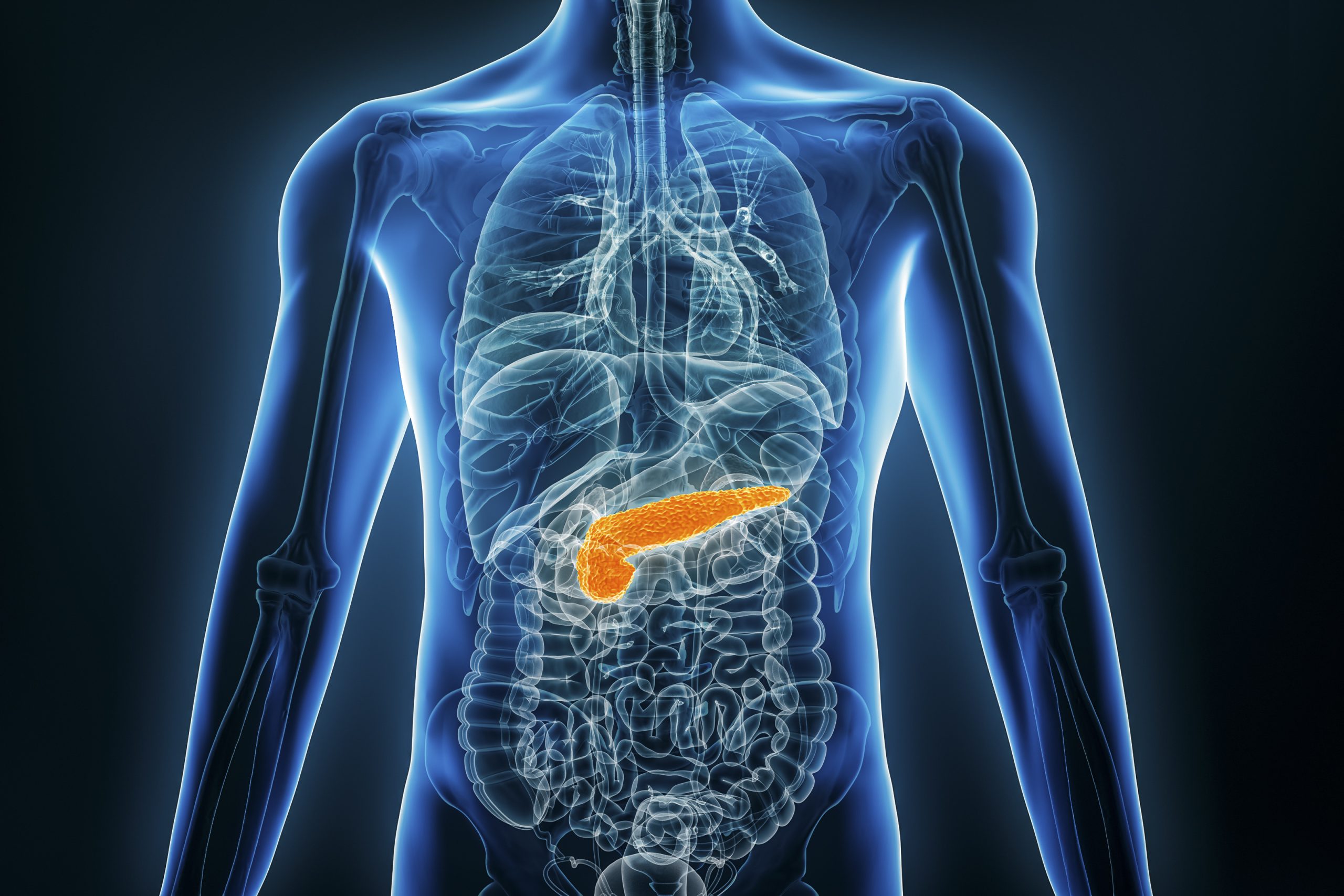
Common Procedure Does Not Prevent Recurrent Pancreatitis, Trial Finds
A multicenter clinical trial published in JAMA has found that a long-used endoscopic procedure does not prevent recurrent pancreatitis in adults with an anatomic anomaly, challenging decades of conventional wisdom.
-
Targeting Key Proteins in Fight Against ALS
Northwestern Medicine scientists have zeroed in on a cellular gatekeeper that may hold promise for treating abnormal protein accumulation in neurodegenerative diseases, according to a study published in Nature Communications.