Month: September 2026
-
Understanding the Link Between Genetic Risk and Brain Communication Disorders
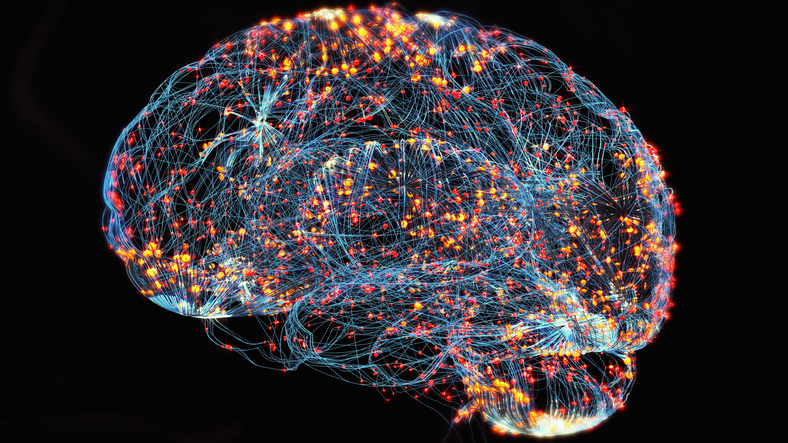
A new Northwestern Medicine study suggests a major psychiatric risk gene remains important well into adulthood and may influence brain communication, according to a study published in the Proceedings of the National Academy of Sciences.
-
Identifying Patients at Lower Risk for Kidney Transplant Rejection
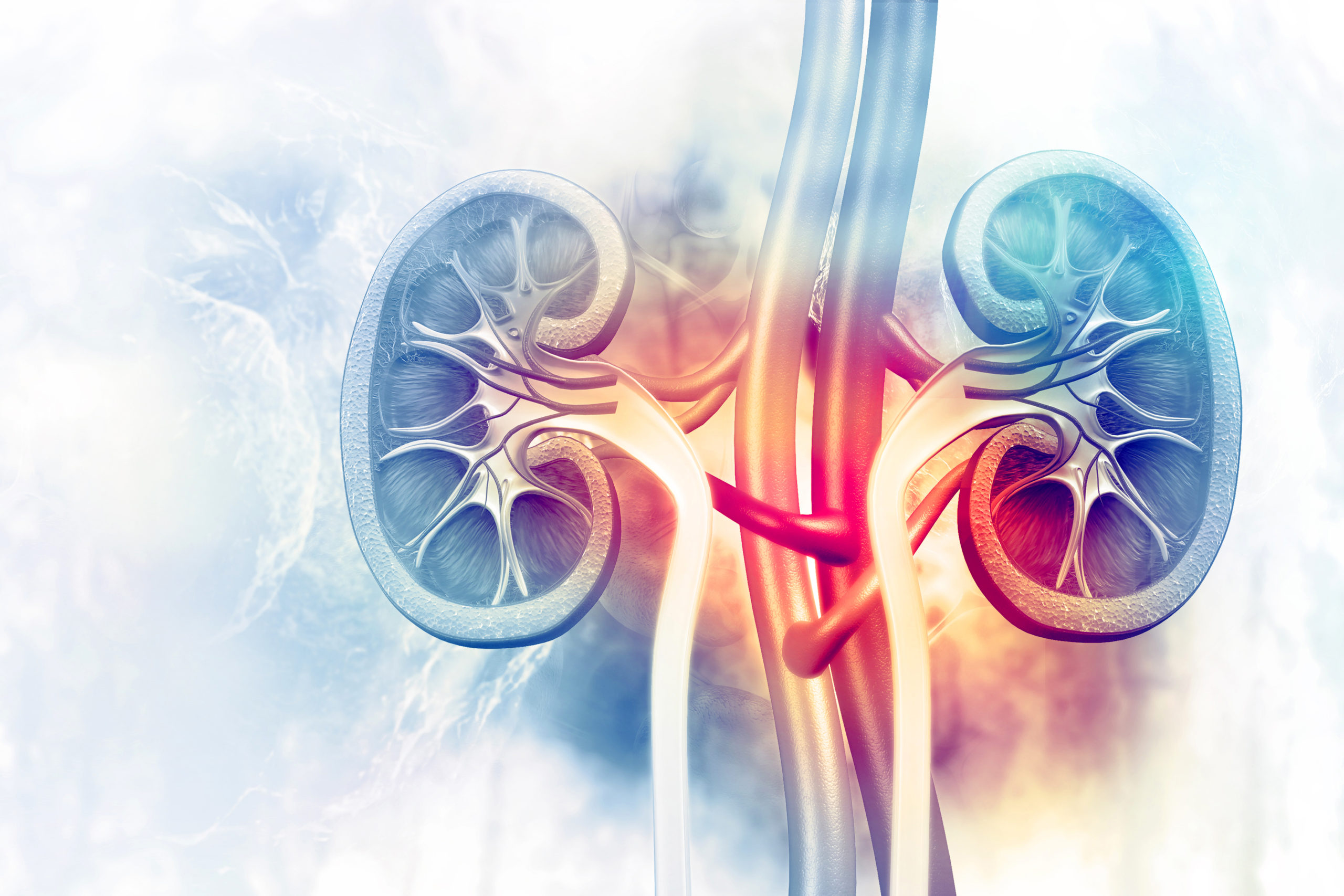
A new risk stratification model developed by Northwestern Medicine scientists may help better identify patients who have a lower risk of kidney transplant rejection, which can inform more personalized treatment and care strategies that present fewer adverse side effects, as detailed in a recent study published in Nature Communications.
-

Investigating Tumor Growth After Immunotherapy
A new Northwestern Medicine study has uncovered a biological mechanism that may explain why a subset of tumors unexpectedly grows at an accelerated rate after being treated with certain immunotherapies, according to findings published in Cancer Discovery.
-
Novel Spatial Technology May Improve the Understanding of Cancer Biology
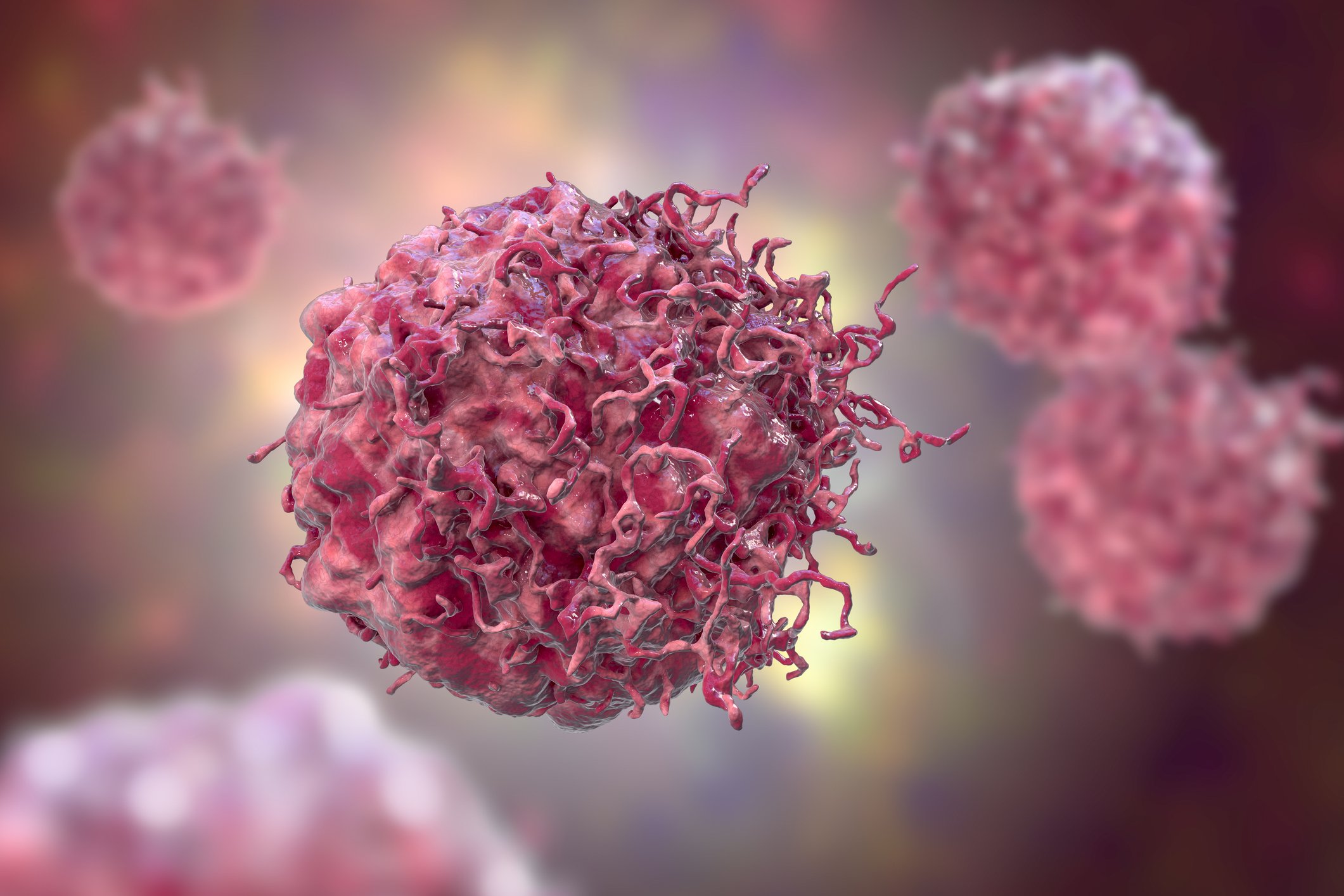
Northwestern Medicine scientists have developed a novel high-resolution 3D spatial genomics platform that may enhance future research about how genome organization and genetic alterations contribute to the development of disease, including cancer, as detailed in a recent study published in Nature Methods.
-
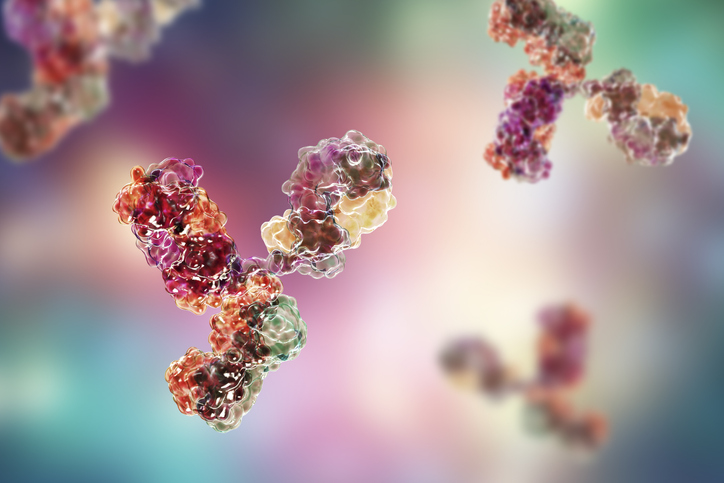
Experimental Drug May Disrupt Immune Circuits in Pneumonia
A drug that blocks calcium release-activated calcium channels may help interrupt harmful immune cell interactions that drive severe viral pneumonia, according to a new study published in The Journal of Clinical Investigation.