
Year: 2026
-
For People With a Rare Skin Disorder, High Allergy Risk Adds Another Burden
Most study participants reported at least one allergic disorder in addition to lamellar ichthyosis, a rare skin condition that can cause painful blisters and scaly skin.
-
Healthcare Innovation Drives Recipients of 2026 Research Project Awards
Two projects funded by the 2026 Translational Science Research Project Awards from the Northwestern University Clinical and Translational Sciences Institute aim to connect patients with faster access to lifesaving healthcare innovations.
-
Northwestern Welcomes New Cohort of Residents and Fellows
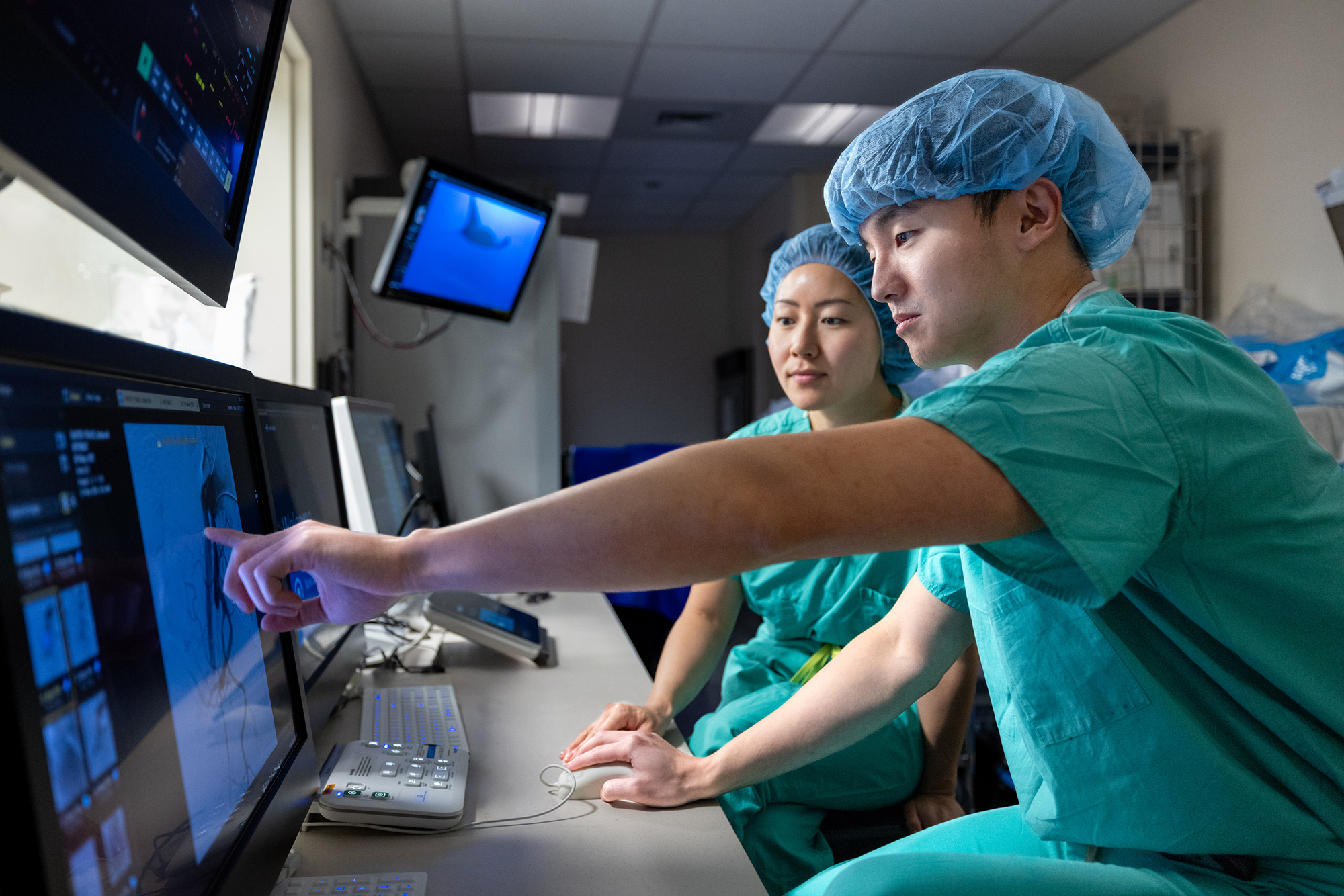
Approximately 450 physicians joined the McGaw Medical Center of Northwestern University’s residency and fellowship programs this year, beginning the next chapter of their medical training across Northwestern Medicine’s hospitals.
-

Study Reveals Brain Cells that Drive Anxiety After Cannabinoid Exposure
A new study has identified a set of neurons that play a role in generating anxiety after exposure to cannabinoid drugs, especially under stressful conditions.
-
Pioneering Physician-Scientist Delivers 2026 Nemmers Prize Lecture
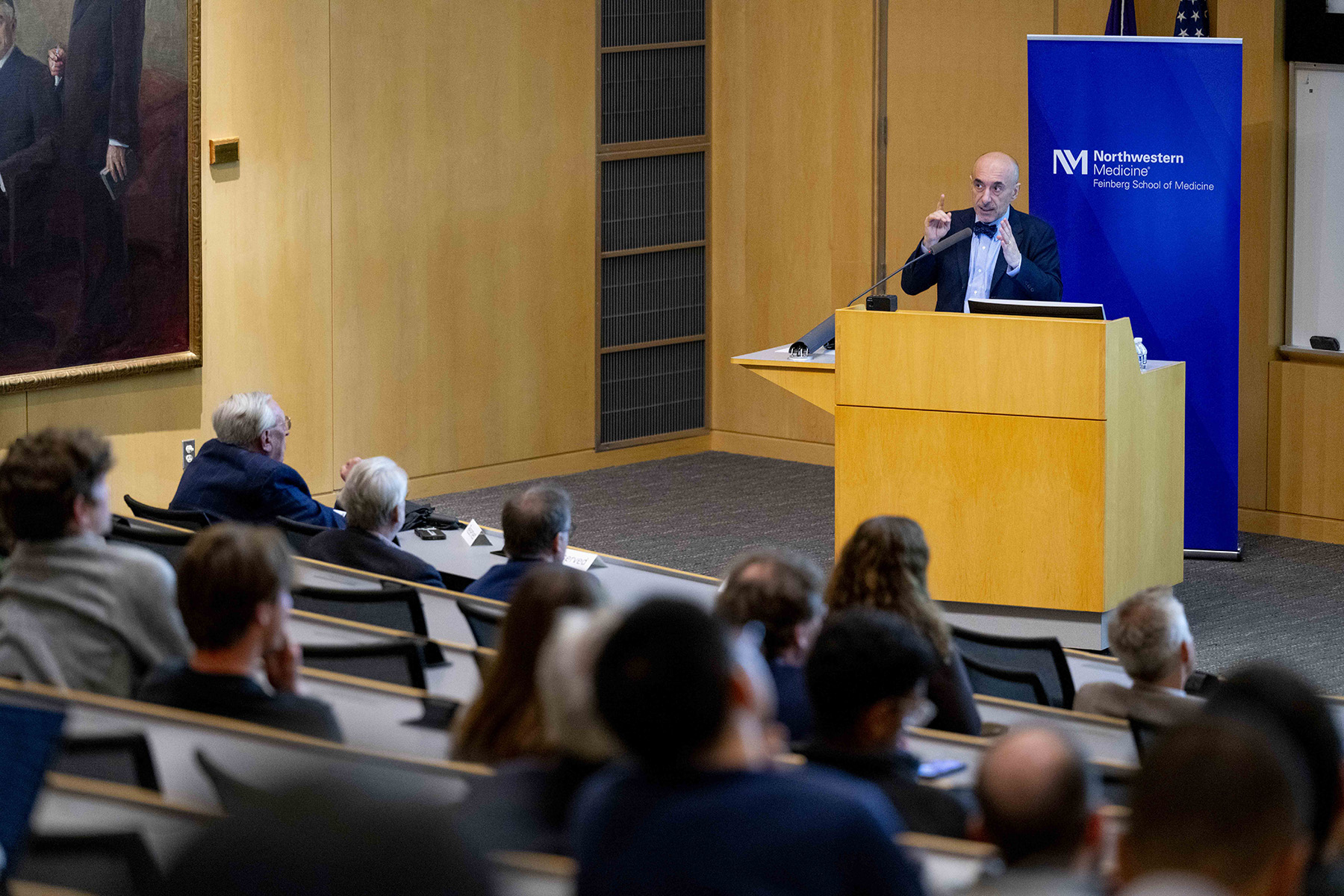
Jean-Laurent Casanova, MD, PhD, the recipient of the 2026 Mechthild Esser Nemmers Prize in Medical Science, visited campus to deliver the Nemmers prize lecture on September 30.
-

Yancy Receives 2026 Herbert W. Nickens Award
Clyde W. Yancy, MD, MSc, the Magerstadt Professor and chief of Cardiology in the Department of Medicine and Vice Dean for Health Equity, has been selected as the recipient of the 2026 Herbert W. Nickens Award from the Association of American Medical Colleges.
-

Chen Named Director of Educator Development and Teaching Excellence
Diane Chen, PhD, professor of Psychiatry and Behavioral Sciences, Pediatrics, and Medical Social Sciences, has been named Director of Educator Development and Teaching Excellence at Feinberg.
-
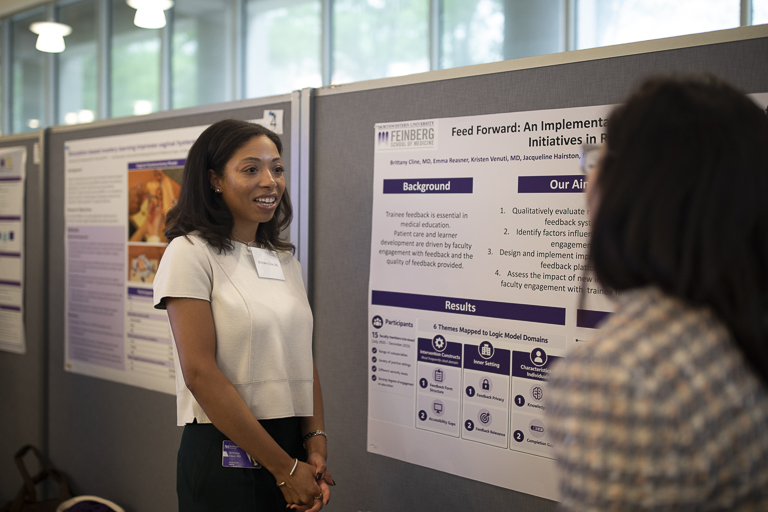
Medical Education Day Explores Future of Learning
Faculty, trainees, students and staff gathered on September 23 for the 16th Annual Medical Education Day, a yearly celebration of teaching excellence, educational innovation and scholarship across the Feinberg community.
-
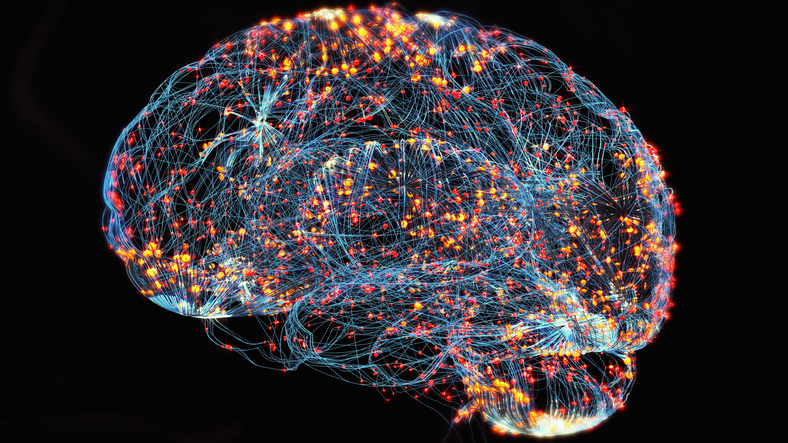
Investigating How Dopamine Influences Movement
A new Northwestern Medicine study challenges traditional ideas about how dopamine influences movement, according to findings published in Science Advances.
-

Novel AI Tool Rapidly Measures Colonoscopy Quality
Northwestern scientists have developed an AI tool that rapidly and successfully measures colonoscopy quality by reviewing footage of the procedure.