Tag: podcast
-
What is the Genetic Overlap Between Autism and Schizophrenia? with Peter Penzes, PhD
In this episode, Peter Penzes, PhD, director of the Center for Autism and Neurodevelopment at Northwestern University Feinberg School of Medicine, discusses a recent discovery of a schizophrenia biomarker and how this research could one day offer earlier diagnosis, more precise treatment, and better outcomes for patients.
-
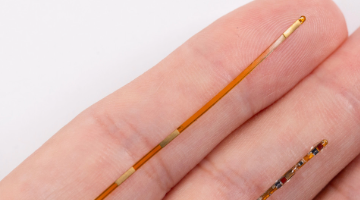
How a Tiny Device Could Transform Fetal Surgery with Aimen Shaaban, MD
In this episode, Aimen Shaaban, MD, explains how the device works, explains how the collaboration took place and what it will take to bring this technology out of the lab and into clinical care.
-

Is Antimicrobial Resistance Threatening Modern Medicine? with Jennie Kwon, DO
In this episode, Jennie Kwon, DO, discusses the growing global threat of antimicrobial resistance and why this crisis could fundamentally disrupt modern medicine.
-

Improving Testing and Diagnosis of Hepatitis C with Claudia Hawkins, MD, MPH
A new, rapid Hepatitis C test developed by Northwestern University scientists could change the future of Hepatitis C care by delivering faster diagnosis and treatments for a disease that is estimated to impact 50 million people around the world. In this episode, Claudia Hawkins, MD, explains this study and the impact this test could have…
-
Decoding Long COVID’s Impact on the Brain with Igor Koralnik, MD
Igor Koralnik, MD, chief of Neuro-Infectious Diseases and Global Neurology in the Department of Neurology at Feinberg has studied the long-term neurological effects of COVID-19 and developed tools to support patient recovery.
-
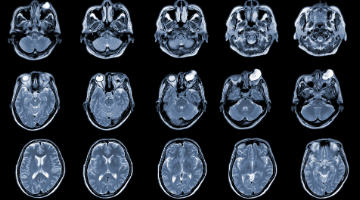
Improving Imaging of the Spinal Cord with Molly Bright, DPhil
A novel functional MRI (fMRI) technique has been developed by Northwestern Medicine investigators to more accurately assess blood flow in the spinal cord. In this episode, Molly Bright, DPhil, explains how his noninvasive method could one day help clinicians detect early signs of neurological disease or injury, monitor recovery and guide treatment decisions for patients…
-

New Paths for Diagnosing and Treating Lyme Disease with Brandon Jutras, PhD
Lyme disease, the bacterial infection transmitted by ticks, is the most common vector-borne disease in the United States, with nearly half a million people diagnosed and treated each year, according to the CDC. Two pivotal studies on Lyme disease from the lab of Brandon Jutras, PhD, provide important insights into what may cause persistent Lyme…
-
How Cell Function Can Shed Light on Neurodegeneration with Vladimir Gelfand, PhD
The tiniest parts of the cell may provide new insights into challenging neurodegenerative diseases like amyotrophic lateral sclerosis (ALS). New research from Northwestern University has revealed a key mechanism underlying the development of motor neuron diseases, such as ALS, offering new insights into potential treatment options. This new finding published in the Journal of Neuroscience,…
-

Advancing Health and Longevity by Analyzing the Retina with Manjot Gill, MD
One of the many ways the Human Longevity Laboratory at Feinberg is studying aging is through the lens of the retina. Manjot Gill, MD, a Northwestern Medicine retina specialist, explains the unique multi-disciplinary approach of the lab and how she is using AI in retinal imaging to predict biological age and help validate interventions that…
-

The Art and Science of Bedside Medicine with Brian Garibaldi, MD
Northwestern Medicine is reimagining the art and science of bedside care. In this episode, Brian Garibaldi, MD, the founding director of Northwestern Medicine’s new Center for Bedside Medicine, discusses the importance and future of bedside medicine. A renowned pulmonologist and medical educator, Garibaldi addresses how modern technology can integrate with traditional clinical skills to improve…