Tag: Cancer
-
Novel Biomarker May Predict Immunotherapy Resistance
Northwestern Medicine scientists have identified a novel biomarker for immune immunotherapy resistance in cancer that may also serve as a potential therapeutic target for patients who don’t respond well to immunotherapy, according to a recent study published in The Journal of Clinical Investigation.
-
Exploring the Link Between RNA Modification and Prostate Cancer Growth
A Northwestern Medicine study published in the Journal of Clinical Investigation has uncovered a connection between a well-known cancer-related protein and a major RNA modification process, which may inform new treatment strategies against prostate cancer.
-
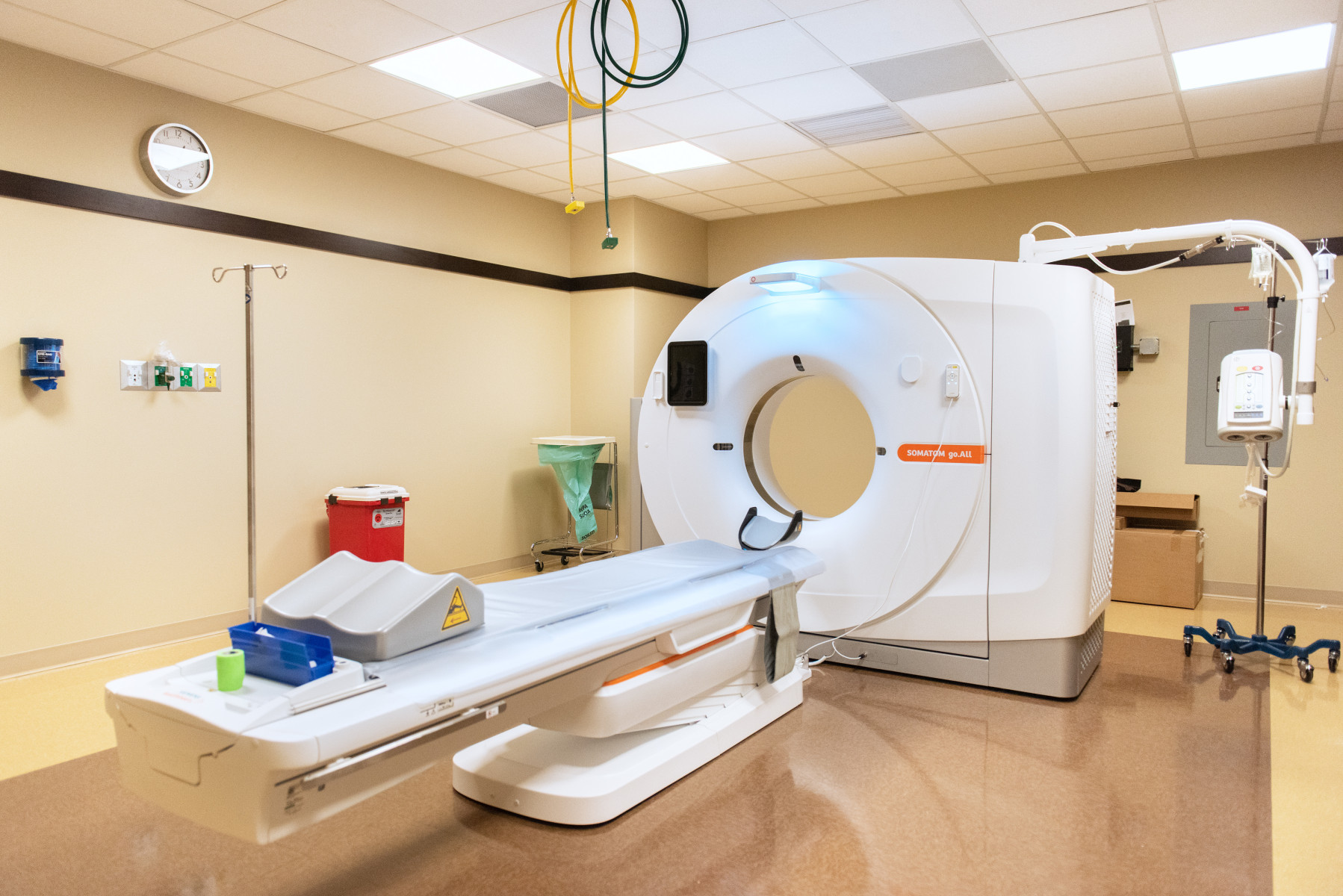
New Study Shows Lung Cancer Surveillance in the United States Misses Most Patients; Northwestern Medicine Investigators Urge Universal Age-based Screening
In a new study of nearly 1,000 consecutive patients treated for lung cancer at Northwestern Medicine, investigators discovered only 35 percent would have qualified for screening according to the U.S. Preventive Services Task Force (USPSTF) screening criteria.
-

How a Cellular ‘Engine’ Controls Building Blocks of DNA
Northwestern Medicine scientists have uncovered a surprising link between a tiny cellular engine and the way cancer cells build the DNA they need to proliferate, according to a new study published in Molecular Cell.
-
New Antibody Therapy Reawakens Immune System to Fight Pancreatic Cancer
A new study shows that pancreatic tumors use a sugar-based disguise to hide from the immune system, and Northwestern scientists have also created an antibody therapy that blocks the “don’t-attack” signal.
-

Transcription Factor Drives Chemotherapy Resistance in Ovarian Cancer
Northwestern Medicine scientists have discovered how a specific transcription factor promotes genetic reprogramming and chemotherapy resistance in ovarian cancer cells, findings that may inform new targeted treatment approaches that inhibit this process and improve patient outcomes, according to a recent study published in The Journal of Clinical Investigation.
-
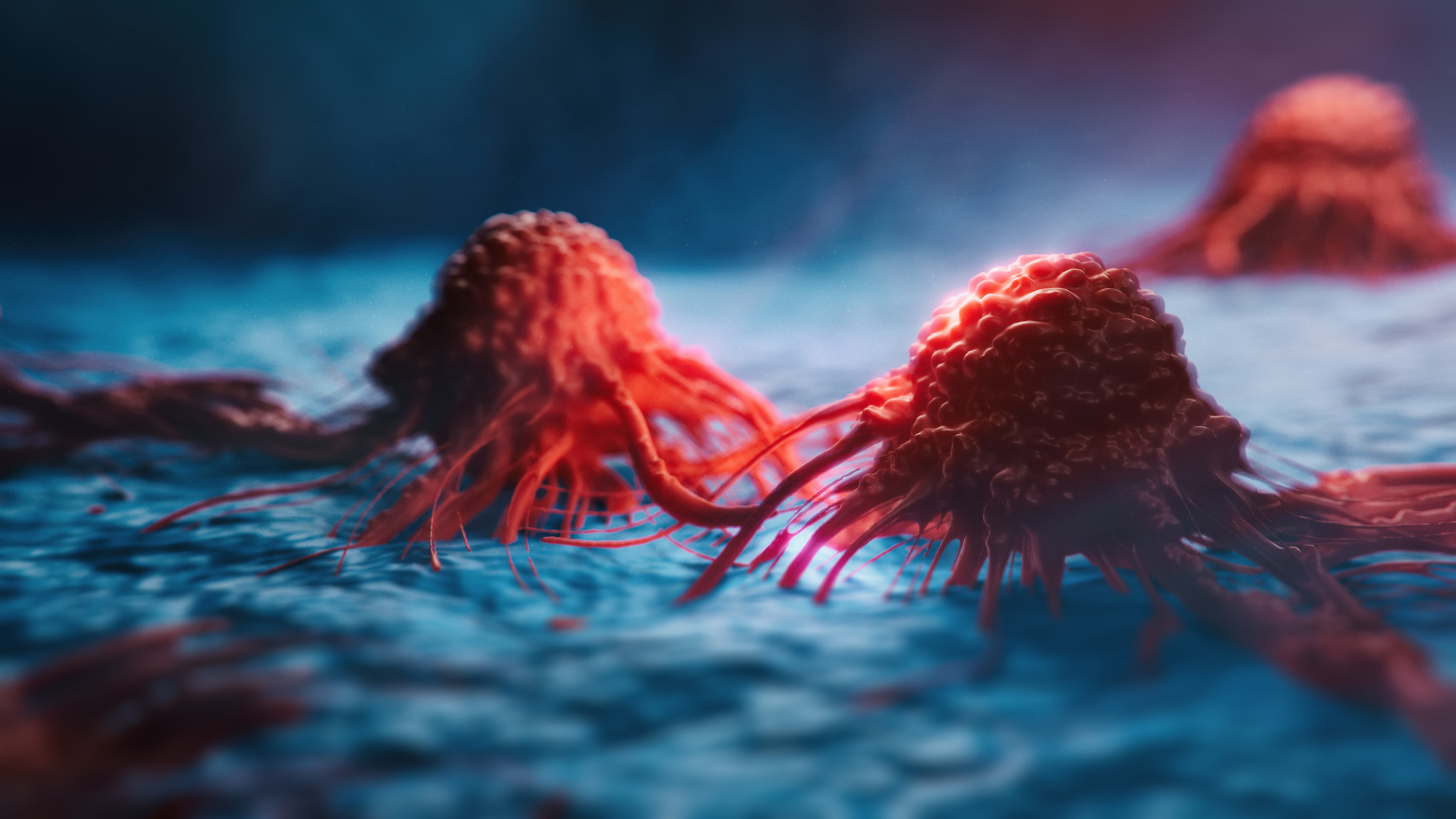
Uncovering New Therapeutic Targets for Cancer Mutations
A team of Northwestern investigators has discovered novel molecular underpinnings of a common oncogenic mutation in cancer, findings that may inform the development of new therapeutic strategies, according to findings published in Nature Chemical Biology.
-
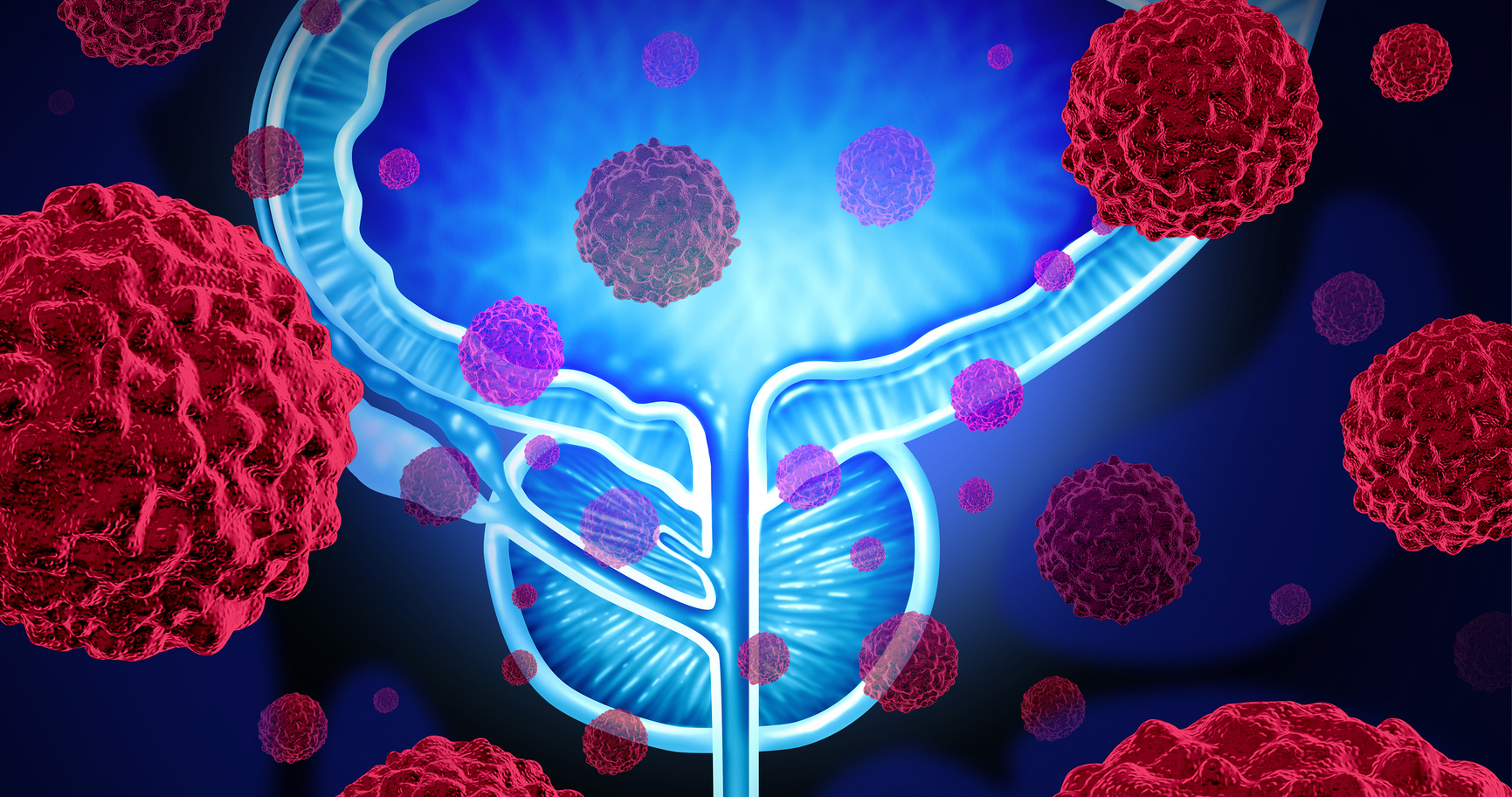
Identifying Biomarkers to Guide Prostate Cancer Treatment
Biological markers may help predict which patients will benefit most from specific therapies to treat prostate cancer, according to a study published in the journal Cell.
-
Novel Approach May Improve Early Cancer Detection
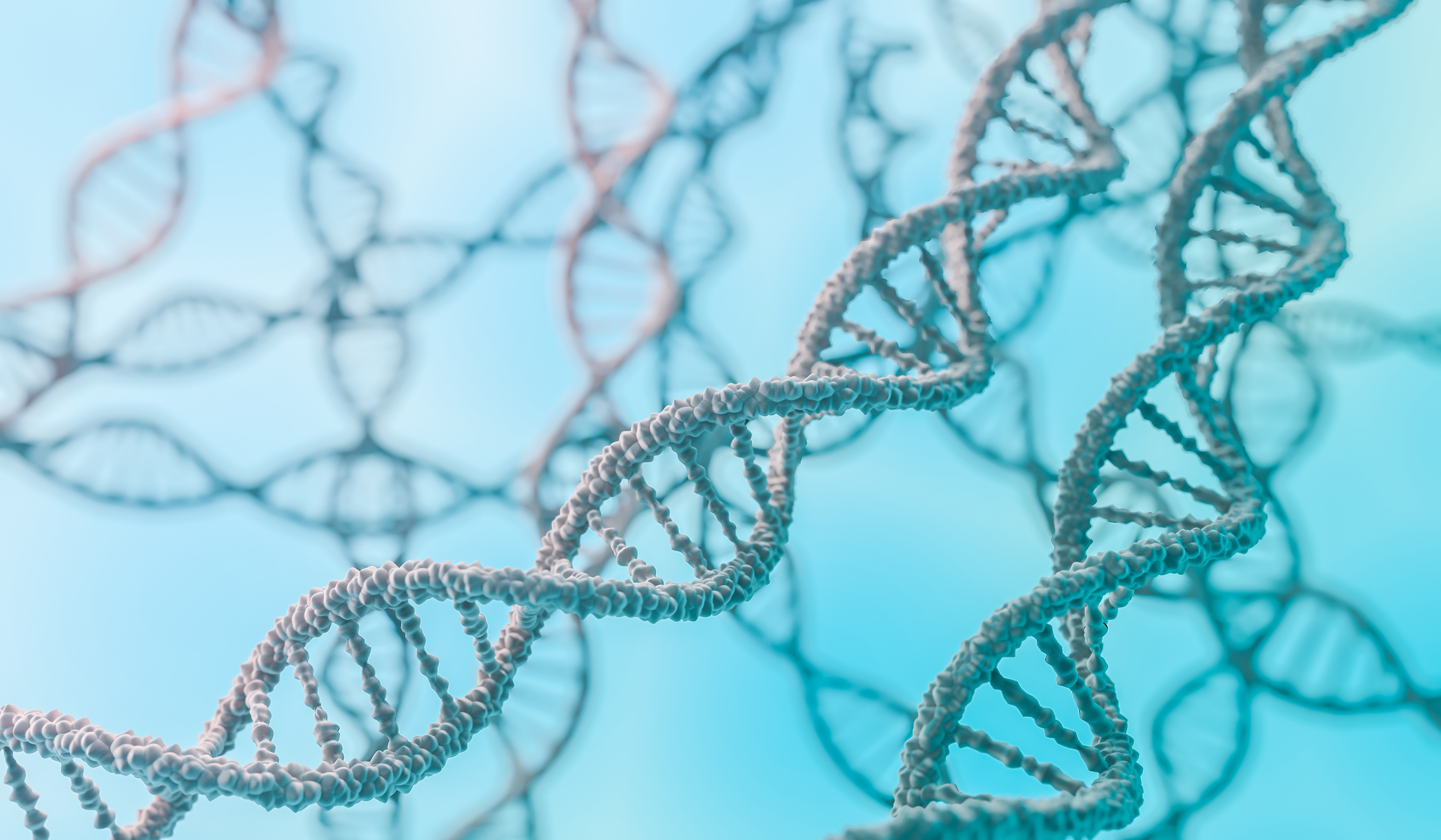
A novel approach to detect RNA modification patterns in patient blood samples may be a promising tool for the early detection of colon cancer, as detailed in a recent study published in Nature Biotechnology.
-
Investigating How Tumor-Immune Cell Clusters Drive Cancer Spread
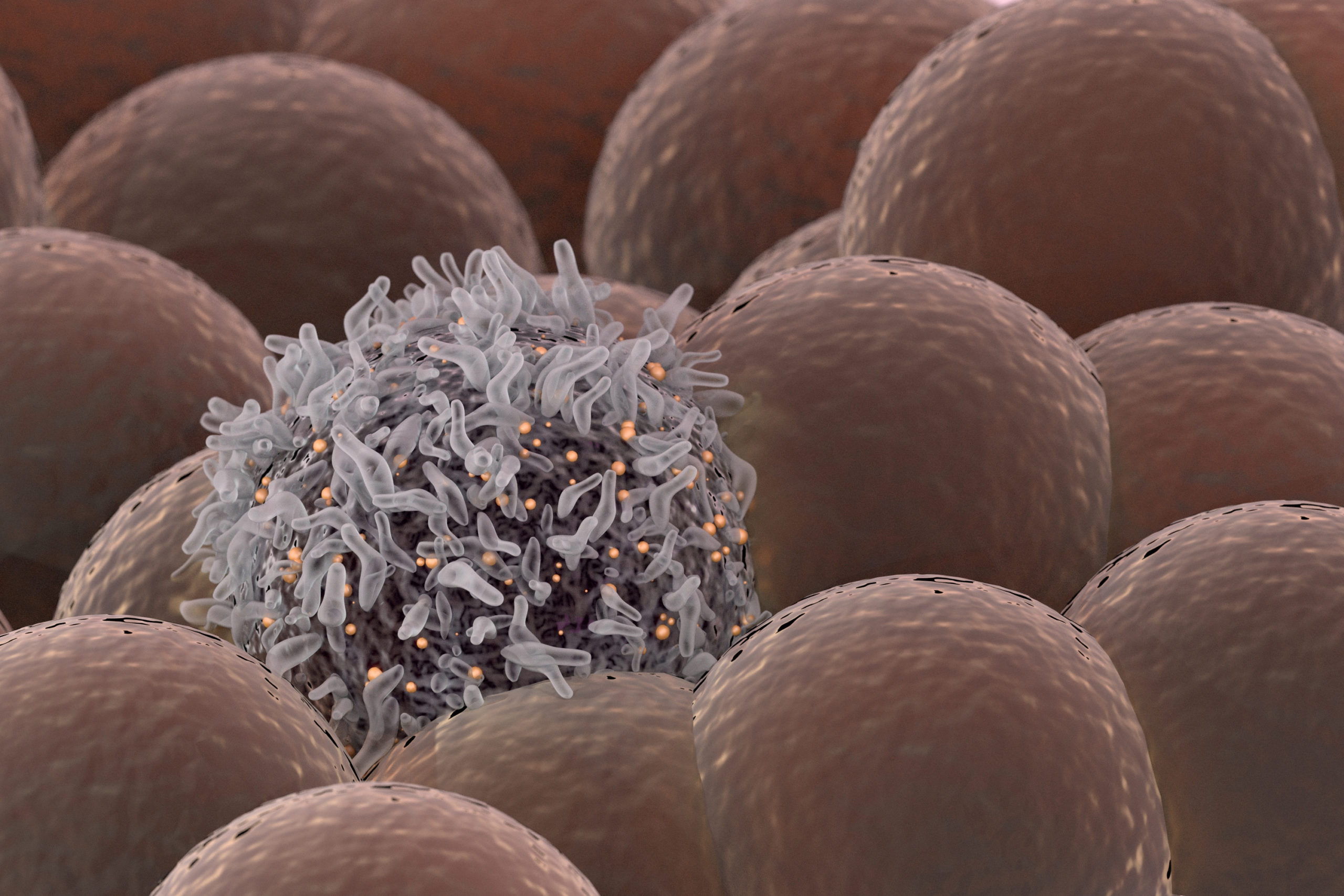
In a pair of studies, investigators from the lab of Huiping Liu, MD, PhD, have uncovered how specific cellular interactions in the bloodstream may be fueling the spread of breast cancer.