Tag: Cancer
-
Novel Treatment Effective for Bladder Cancer, Study Shows in Mice
An epigenetics drug currently being used for the treatment of blood cancers and rare sarcomas can stop the growth of bladder cancer by activating the immune system, according to a new study.
-
Investigating the Role of Fatty Acids in Cancer Cell Survival
Northwestern Medicine investigators have discovered that a particular enzyme is essential for regulating cancer cell survival and metastasis under cellular stress, according to a recent study.
-
Gene Loss Enhances Metastasis and Cancer Progression
Investigators discovered that the loss of the gene SLIT2 in circulating tumor cells regulates metastasis of prostate cancer tumors, according to a Northwestern Medicine study.
-

Northwestern Receives $16 Million Grant to Support Faculty Recruitment and Equity
A new grant will fund the hiring of 15 new tenure-track faculty, along with tactics to ensure the success of faculty members from underrepresented populations.
-
Improving Drug Therapy for Relapsed Leukemia
A two-drug combination has been shown to improve patient response to treatment in relapsed or refractory acute myeloid leukemia.
-
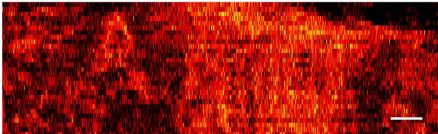
New Technique Improves Proteoform Imaging in Human Tissue
Investigators have developed a new imaging technique that increases the detection and identification of proteoforms by four-fold when compared to current methods.
-
Investigating Racial Differences in Multiple Myeloma
Investigators have identified distinct epigenetic pathways in African American and European American patients diagnosed with multiple myeloma, according to a Northwestern Medicine study.
-

Molecular Mechanisms Regulating Prostate Cancer Hypoxia Identified
A Northwestern Medicine study has identified a molecular mechanism that helps regulate the progression of castration-resistant prostate cancer.
-

Survivors of Childhood Cancer Still at Risk for Infection Years After Diagnosis
After a pediatric cancer diagnosis, chances of infections remain elevated for more than a decade, according to a recent study.
-
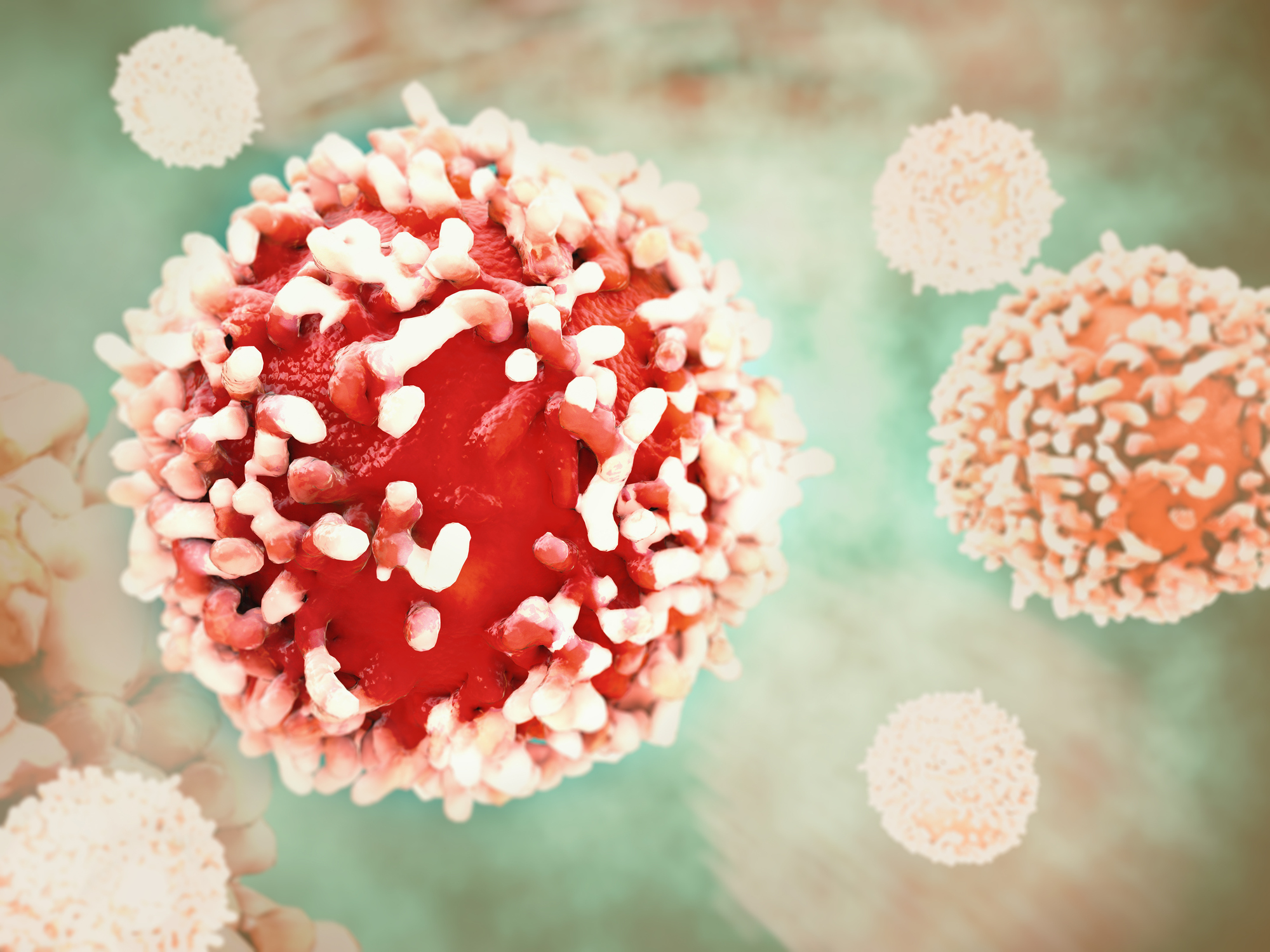
Protein Transformation Drives Cancer Development
A change in function in a mitochondrial protein is associated with gene expression that may promote the development of cancer, according to a recent Northwestern Medicine Study.