
-

Annual Art Fair Showcases Feinberg Community’s Creative Talents
Medical students, trainees, faculty and staff gathered October 28 for the third annual Feinberg Art Fair, an evening celebrating the creative talents and interests of the Feinberg community.
-

Axonal Defects Linked to Rare Form of Parkinson’s Disease
A genetic mutation linked to Parkinson’s disease produced abnormalities in a subset of nerve cells, offering a clue about the disease’s causes, according to a new study published in the Proceedings of the National Academy of Sciences.
-
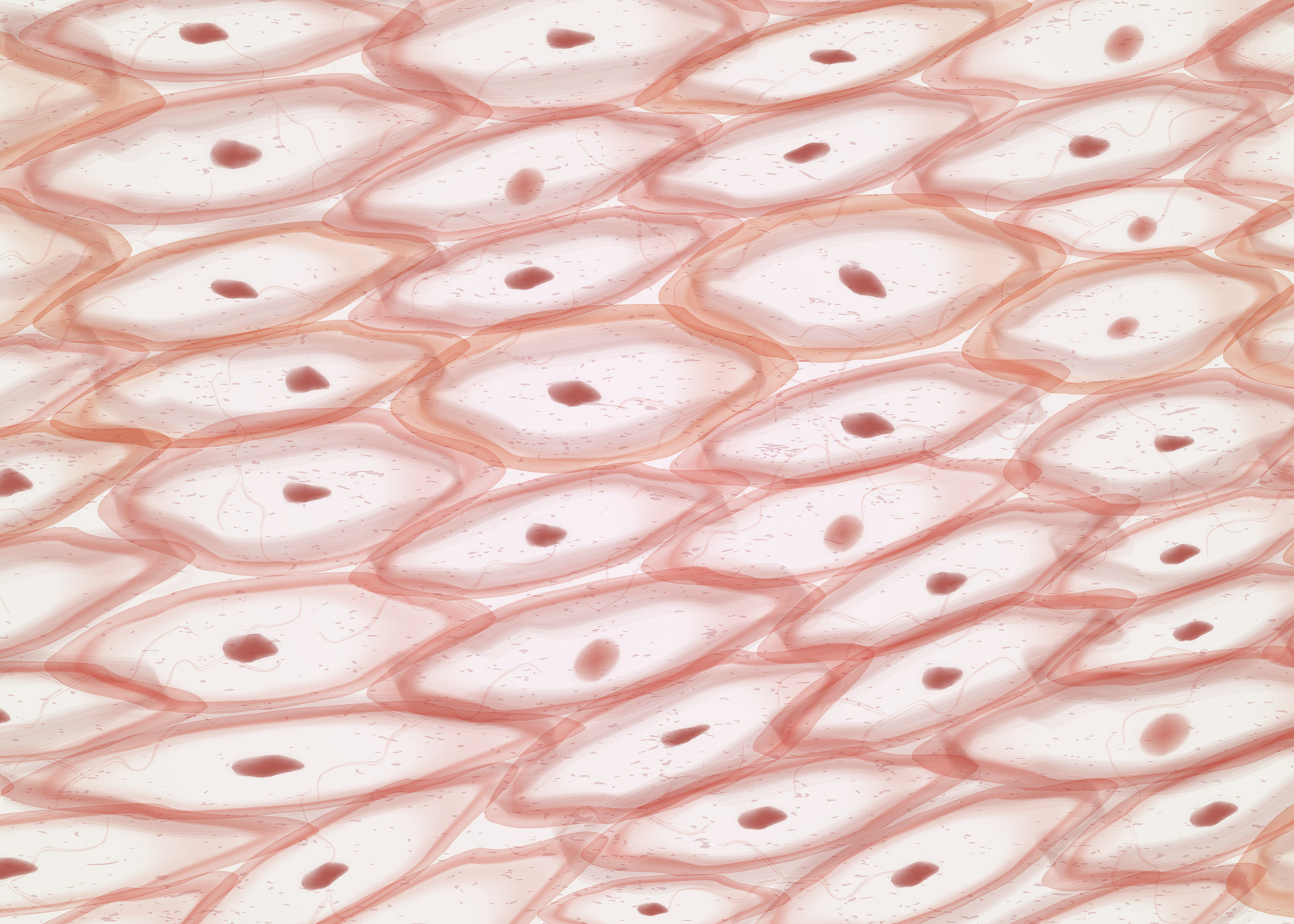
Cells ‘Sense’ Physical Forces to Seal Tissues and Protect Organs
Northwestern Medicine scientists have uncovered a molecular mechanism that enables cells to protect organs from leaks, infection and inflammation, according to a study published in the Journal of Cell Biology.
-

Leading Inflammatory Skin Disease Expert Named Chair of Dermatology
Leading inflammatory skin disease expert Wilson Liao, MD, professor and associate vice chair of research in the Department of Dermatology at the University of California, San Francisco (UCSF), has been named chair and Walter J. Hamlin Professor of Dermatology at Northwestern University Feinberg School of Medicine, effective May 1, 2027.
-

Feinberg Launches Longitudinal Transition to Residency Curriculum
Feinberg’s longitudinal Transition to Residency curriculum gives medical students repeated opportunities to practice essential clinical skills, receive feedback and build confidence as they prepare for residency.
-

Effective Obesity Treatments Reach Few Eligible Teens, Study Finds
Despite the arrival of powerful new anti-obesity medications and growing evidence supporting weight-loss surgery for adolescents, the vast majority of eligible teens are receiving neither treatment, according to a new Northwestern Medicine study published in JAMA Pediatrics.
-
Blood Test Offers New Way to Track Lung Cancer
Northwestern Medicine scientists and collaborators have demonstrated a novel liquid biopsy technique that can measure cancer burden and reveal molecular characteristics of small cell lung cancer (SCLC), according to a new study published in the Journal of Clinical Investigation.
-

Study Tracks Brain Activity of Toddlers and Parents During Story and Play Time
A new Northwestern study has shown for the first time how toddlers’ brains respond during natural moments of play with their parent or caregiver.
-

Years of Opioid Use Do Not Improve Chronic Pain, Study Finds
Taking opioids for years does not seem to improve pain and functioning in people with chronic back pain, according to a new Northwestern University study.
-

Understanding How Immune Cells Can Drive Blindness
A Northwestern Medicine study published in the Journal of Clinical Investigation has identified a previously unrecognized population of immune cells that appears to fuel harmful blood vessel growth in multiple blinding eye diseases.
-

Symposium Highlights Community-Engaged Research
A recent symposium brought together faculty, trainees, staff and community members to discuss advancing equitable healthcare, addressing health disparities and building momentum for community-engaged research.
-

Investigating How Brain Tumors Evolve
A new study published in Nature sheds light on how two major types of brain tumors progress over time, offering critical biological insights that could guide treatment decisions.
-

Ovaries Remain Biologically Active Even Decades After Menopause
Scientists have found that in the decades well past menopause, the ovary remains biologically active and continues to remodel with age, showing increased inflammation and changes in tissue structure.
-

Alpern Named Chair of Pediatrics
Elizabeth “Libby” Alpern, MD, MSCE, has been named the Founders’ Board Centennial Chair of Pediatrics at Northwestern University Feinberg School of Medicine and Ann & Robert H. Lurie Children’s Hospital of Chicago.
-

Feinberg Faculty Elected to National Academy of Medicine
Northwestern Medicine physician-scientists whose discoveries have advanced the understanding and treatment of cancer have been inducted into the National Academy of Medicine, one of the nation’s highest honors in health and medicine.
-

AI Tool Helps Identify Harmful Epilepsy Genetic Variants
A new artificial intelligence tool developed by Northwestern Medicine scientists and collaborating institutions can help determine whether genetic variants associated with a severe form of childhood epilepsy will actually cause disease, according to a study published in the Journal of Clinical Investigation.
-

Children’s Suicide-Related Emergency Visits Spiked Between 2016-2022
Emergency visits by children with suicide-related crises increased by 74 percent between 2016 and 2022, according to a new study.
-
Feinberg Research Funding Tops $750 Million
Feinberg principal investigators secured $758 million dollars in research funding and awards during the 2025-26 fiscal year, accounting for more than 74 percent of Northwestern University’s more than $1 billion in research funding.
-
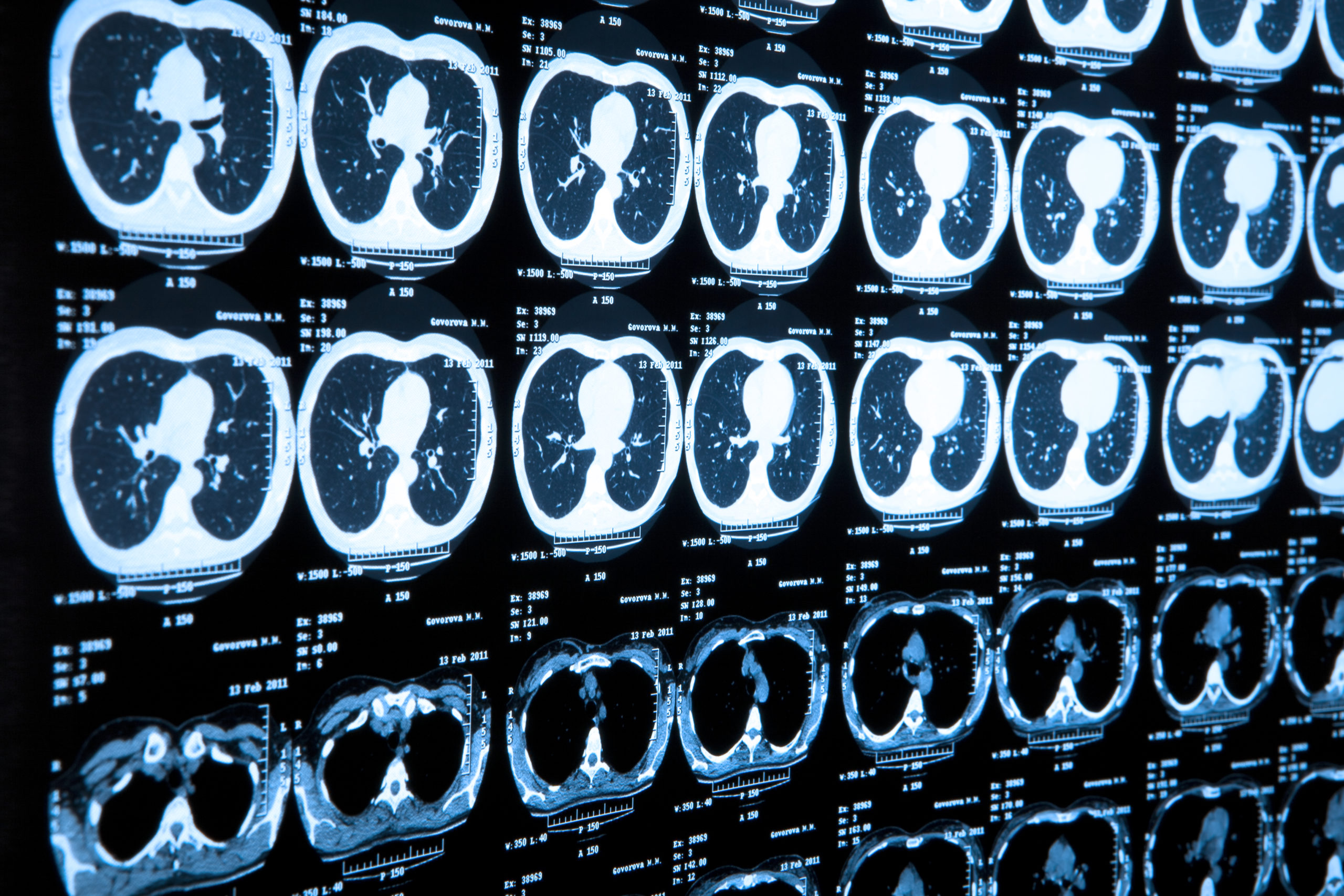
New Tumor State Helps Identify High-Risk Small-Cell Lung Cancer
Northwestern Medicine scientists have identified a stem-like state in small-cell lung cancer that identifies a group of patients with exceptionally poor outcomes following chemoimmunotherapy, according to a study published in Cell Reports Medicine.
-
For People With a Rare Skin Disorder, High Allergy Risk Adds Another Burden
Most study participants reported at least one allergic disorder in addition to lamellar ichthyosis, a rare skin condition that can cause painful blisters and scaly skin.