
-
Feinberg Research Funding Tops $750 Million
Feinberg principal investigators secured $758 million dollars in research funding and awards during the 2025-26 fiscal year, accounting for more than 74 percent of Northwestern University’s more than $1 billion in research funding.
-
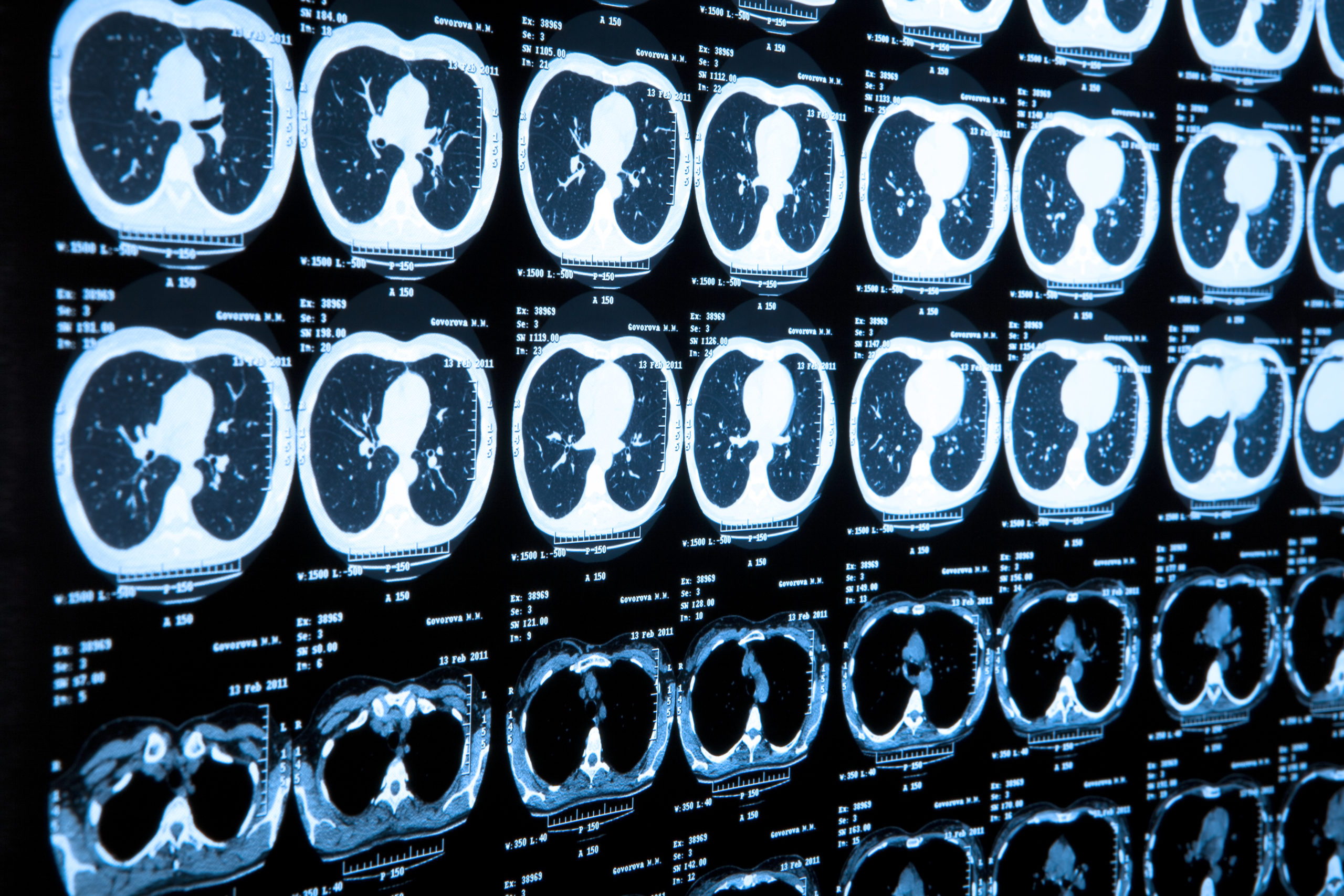
New Tumor State Helps Identify High-Risk Small-Cell Lung Cancer
Northwestern Medicine scientists have identified a stem-like state in small-cell lung cancer that identifies a group of patients with exceptionally poor outcomes following chemoimmunotherapy, according to a study published in Cell Reports Medicine.
-
For People With a Rare Skin Disorder, High Allergy Risk Adds Another Burden
Most study participants reported at least one allergic disorder in addition to lamellar ichthyosis, a rare skin condition that can cause painful blisters and scaly skin.
-

Healthcare Innovation Drives Recipients of 2026 Research Project Awards
Two projects funded by the 2026 Translational Science Research Project Awards from the Northwestern University Clinical and Translational Sciences Institute aim to connect patients with faster access to lifesaving healthcare innovations.
-

Northwestern Welcomes New Cohort of Residents and Fellows
Approximately 450 physicians joined the McGaw Medical Center of Northwestern University’s residency and fellowship programs this year, beginning the next chapter of their medical training across Northwestern Medicine’s hospitals.
-

Study Reveals Brain Cells that Drive Anxiety After Cannabinoid Exposure
A new study has identified a set of neurons that play a role in generating anxiety after exposure to cannabinoid drugs, especially under stressful conditions.
-
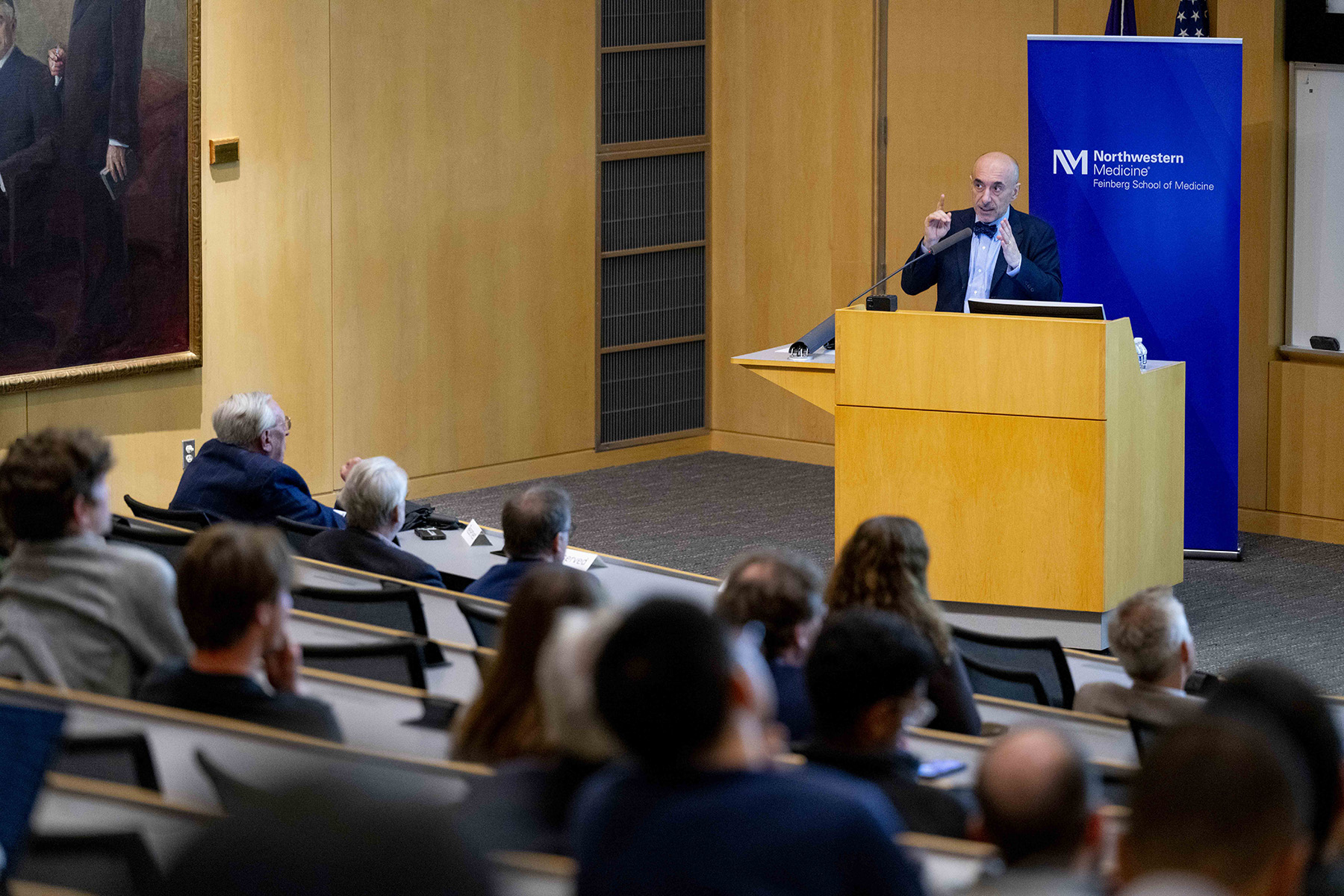
Pioneering Physician-Scientist Delivers 2026 Nemmers Prize Lecture
Jean-Laurent Casanova, MD, PhD, the recipient of the 2026 Mechthild Esser Nemmers Prize in Medical Science, visited campus to deliver the Nemmers prize lecture on September 30.
-

Yancy Receives 2026 Herbert W. Nickens Award
Clyde W. Yancy, MD, MSc, the Magerstadt Professor and chief of Cardiology in the Department of Medicine and Vice Dean for Health Equity, has been selected as the recipient of the 2026 Herbert W. Nickens Award from the Association of American Medical Colleges.
-

Chen Named Director of Educator Development and Teaching Excellence
Diane Chen, PhD, professor of Psychiatry and Behavioral Sciences, Pediatrics, and Medical Social Sciences, has been named Director of Educator Development and Teaching Excellence at Feinberg.
-
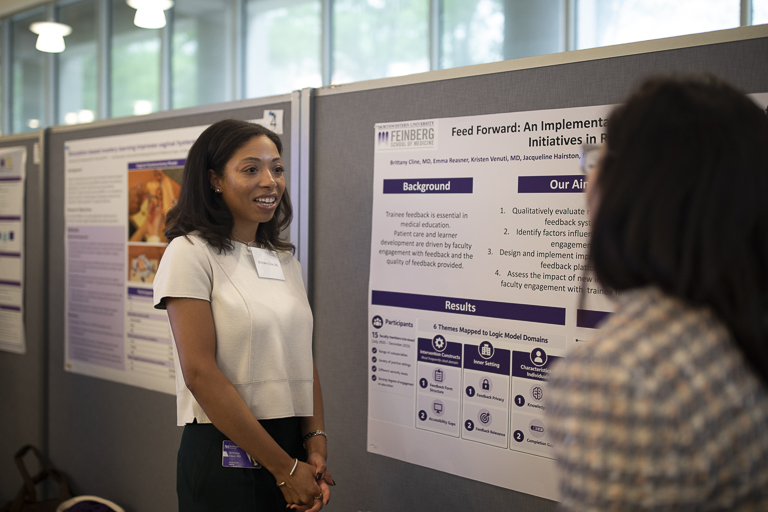
Medical Education Day Explores Future of Learning
Faculty, trainees, students and staff gathered on September 23 for the 16th Annual Medical Education Day, a yearly celebration of teaching excellence, educational innovation and scholarship across the Feinberg community.
-

Investigating How Dopamine Influences Movement
A new Northwestern Medicine study challenges traditional ideas about how dopamine influences movement, according to findings published in Science Advances.
-

Novel AI Tool Rapidly Measures Colonoscopy Quality
Northwestern scientists have developed an AI tool that rapidly and successfully measures colonoscopy quality by reviewing footage of the procedure.
-
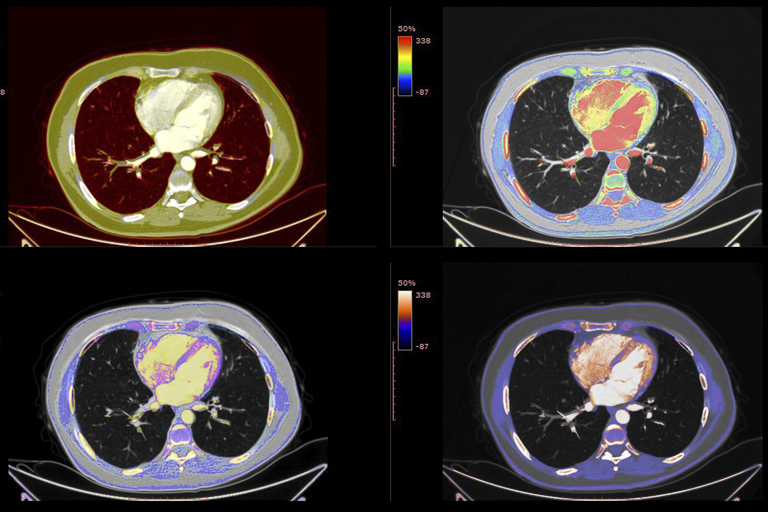
Imaging Agent May Improve Diagnoses for Rare Heart Disease
A PET/CT radiotracer demonstrated high sensitivity and specificity for detecting cardiac amyloidosis and could provide diagnostic clarity when standard imaging tests do not provide definitive results, according to a recent clinical trial published in JAMA.
-
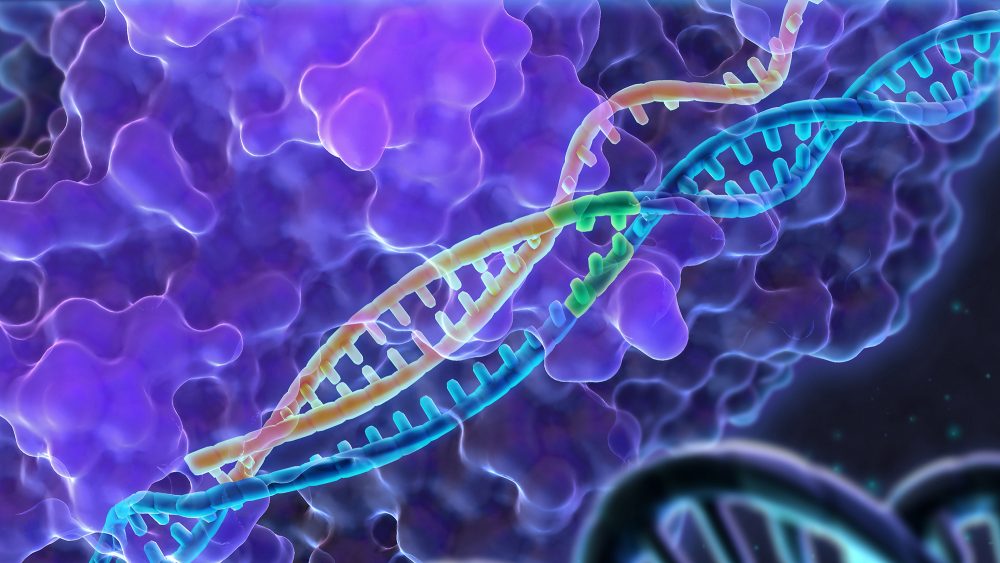
RNA Therapy May Help Preserve Muscle During GLP-1 Weight Loss
A new Northwestern University study offers a potential solution to muscle loss during GLP-1 therapy: an experimental RNA therapy that induces the body to burn calories, enhancing the benefits of the weight-loss treatment.
-
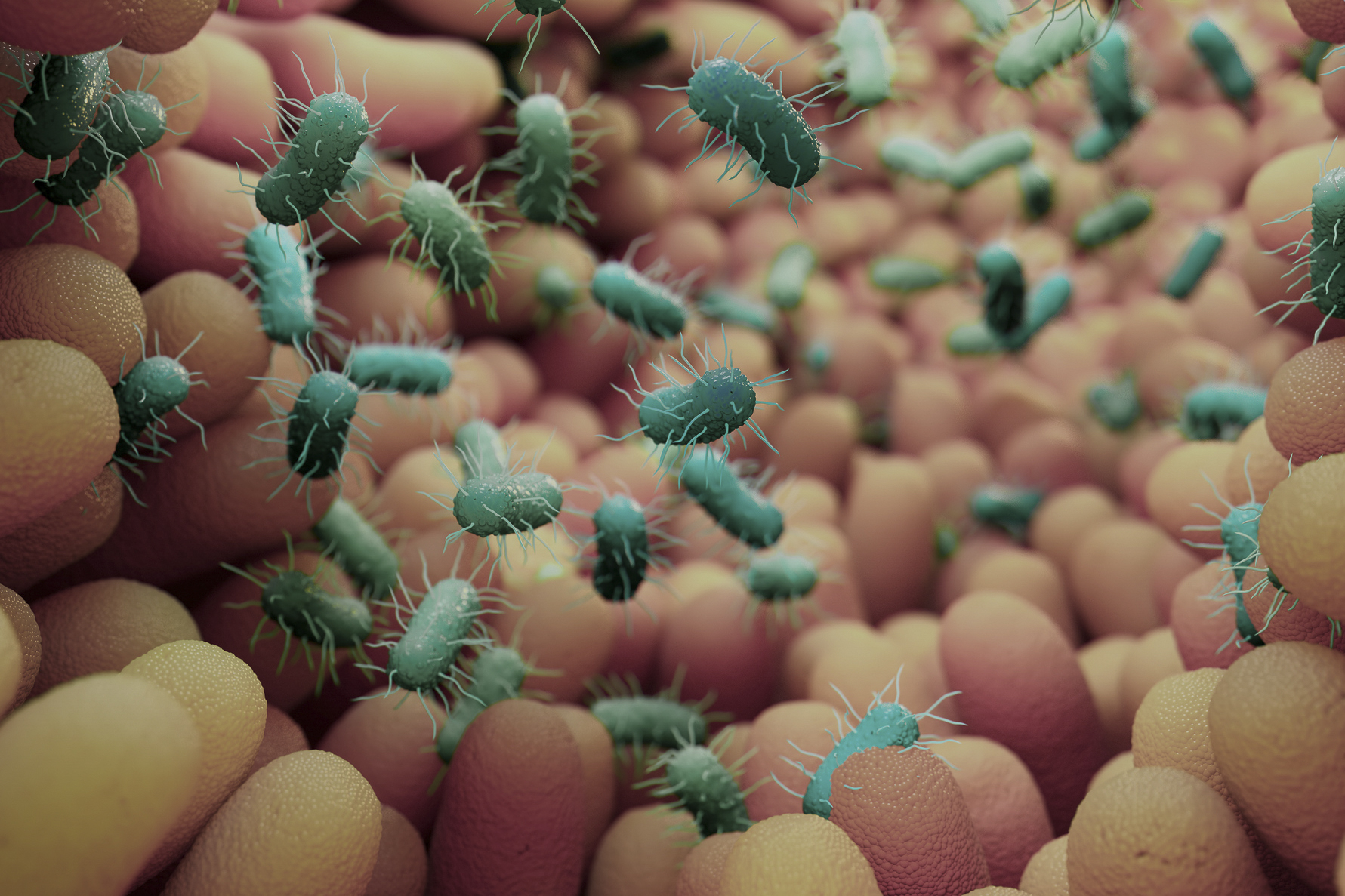
Genetic Toolkit May Improve Study of Gut Bacteria’s Role in Disease
A novel genetic toolkit may improve the study of how Clostridia bacteria in the gut contribute to disease and reveal new molecular mechanisms that may serve as effective therapeutic targets, as detailed in a recent study published in Nature Biotechnology.
-

Experimental Drug Shows Potential for Hard-to-Treat Heart Disease
An experimental drug has been shown to improve symptoms, exercise capacity and heart failure status in patients with an inherited heart disease, according to a pair of newly published studies.
-

Investigating the Role of Lymphatic Vessels in Heart Growth and Repair
A Northwestern Medicine study has uncovered a previously unknown signaling system that helps regulate heart growth during development, according to the study published in the journal Genes and Development.
-
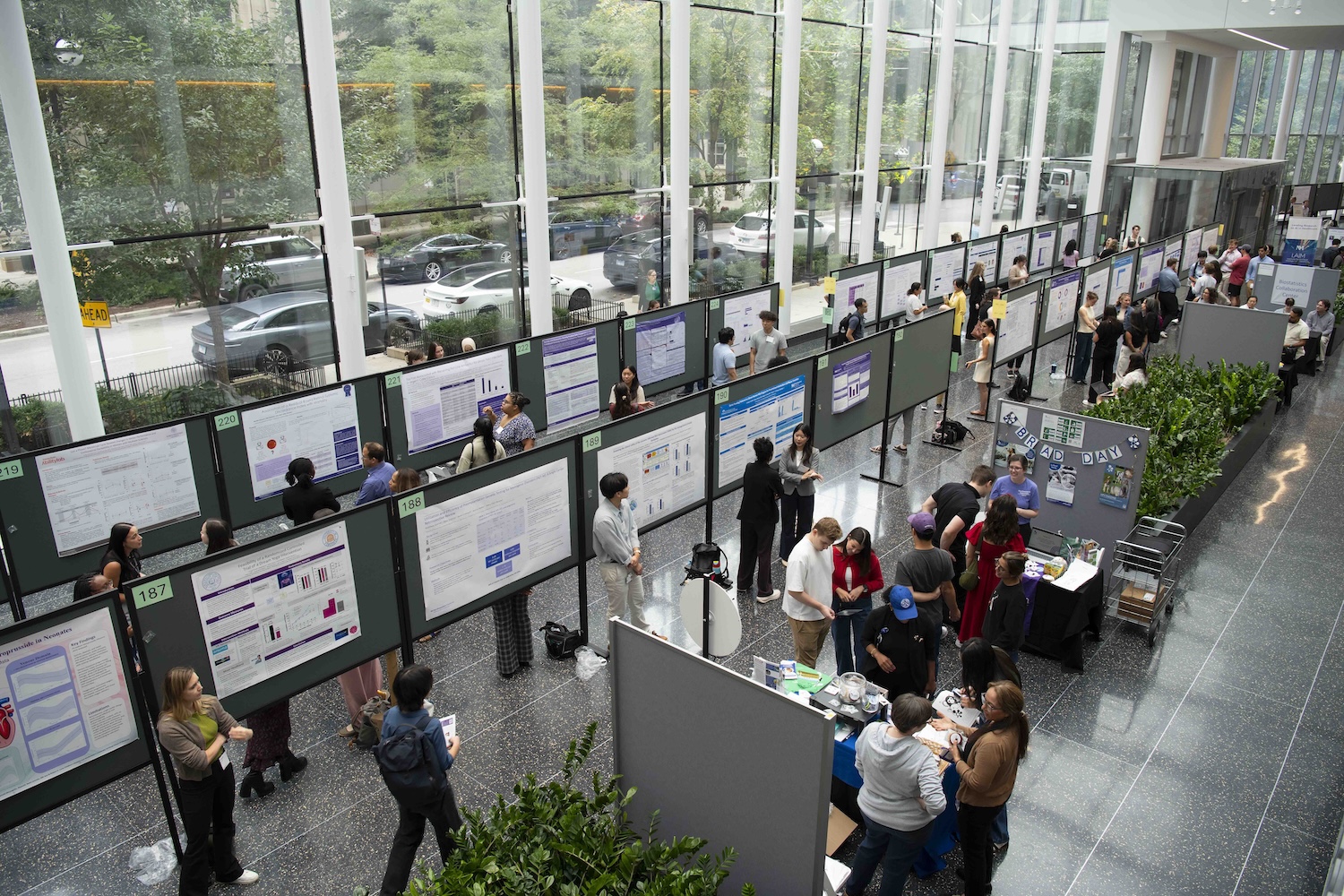
Research Day 2026 Recognizes Scientific Excellence and Collaboration
Feinberg students, staff, trainees and faculty celebrated scientific discoveries and collaboration and presented their research posters and abstracts at the 20th annual Lewis Landsberg Research Day on Thursday, Sept. 10.
-
Combination Therapy May Improve Immune Response Against Advanced Prostate Cancer
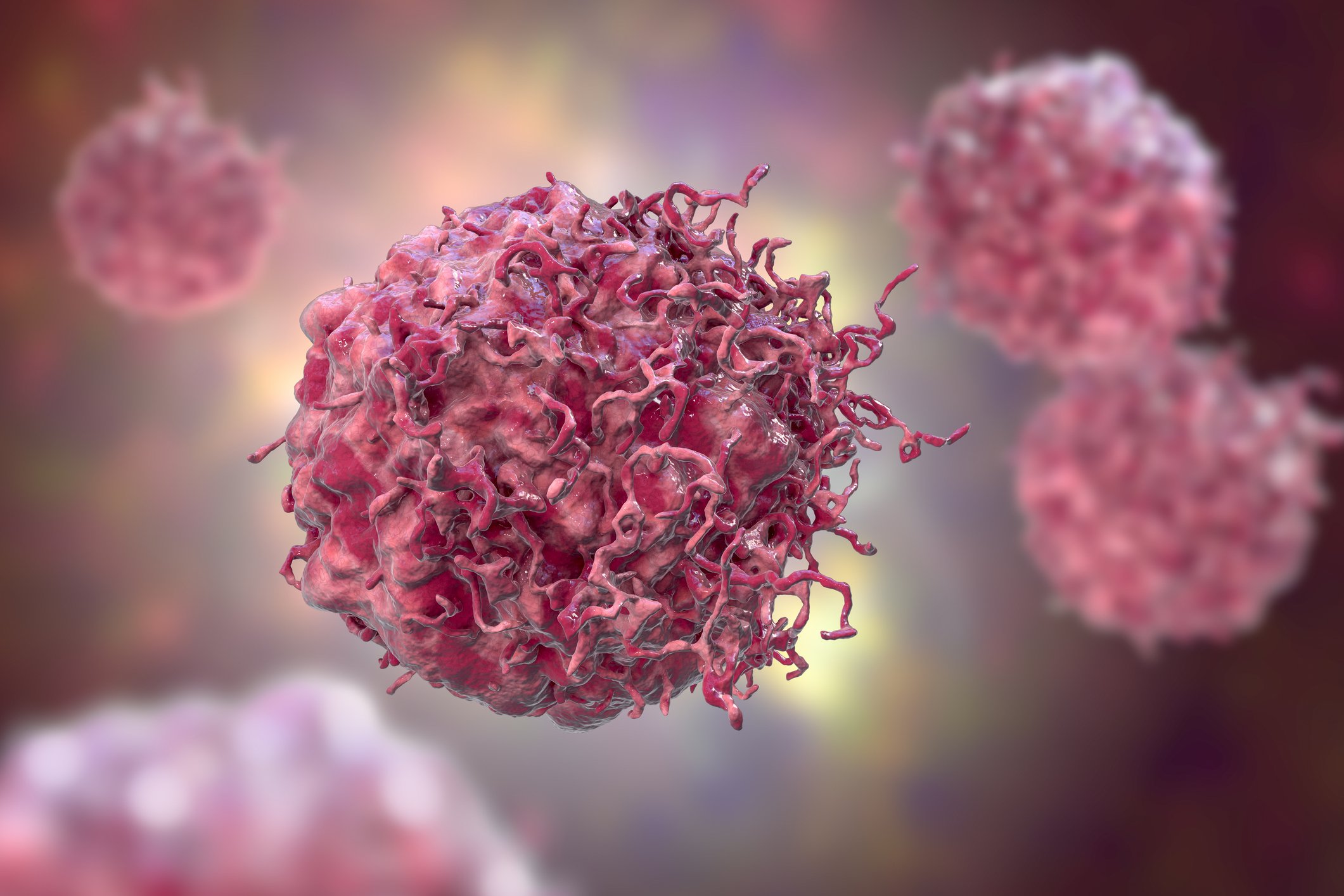
Combining two therapies may improve immune response in a subgroup of patients with metastatic castration-resistant prostate cancer who responded poorly to initial treatment, according to a Northwestern Medicine study published in The Journal of Clinical Investigation.
-

Surgeon-Scientist Honored with 2026 Tripartite Prize
Daniela Ladner, MD, MPH, the John Benjamin Murphy Professor of Surgery and vice chair of research and innovation in the Department of Surgery, has been named the winner of the 2026 Tripartite Legacy Faculty Prize in Translational Science and Education.