Month: March 2026
-
Imagination is More Than Sensory Replay
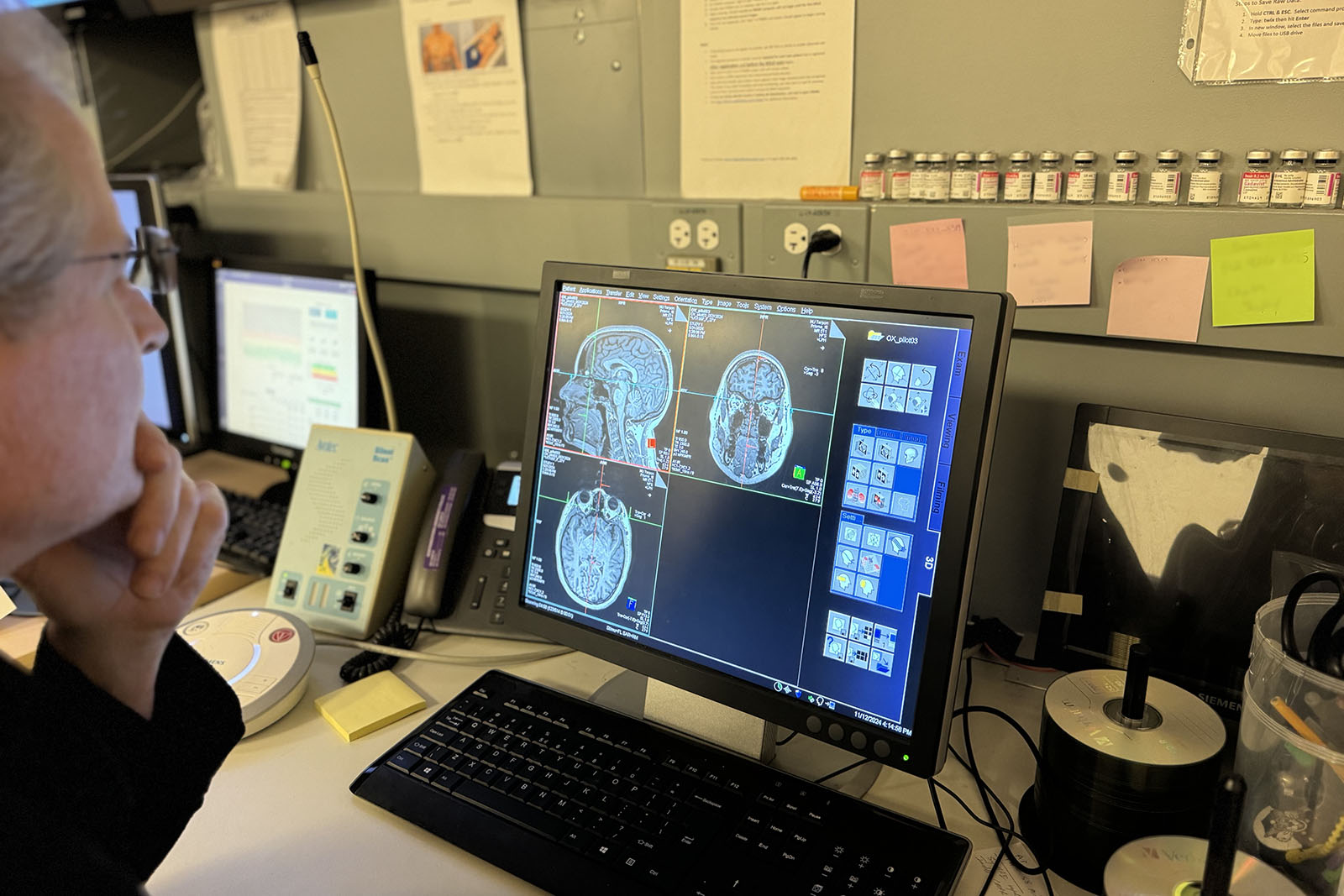
A new Northwestern University study suggests that higher‑level brain systems that interpret and organize perception may play a central role in imagination in addition to sensory systems.
-
Study Identifies New Molecular Mechanisms Supporting Cell Adhesion
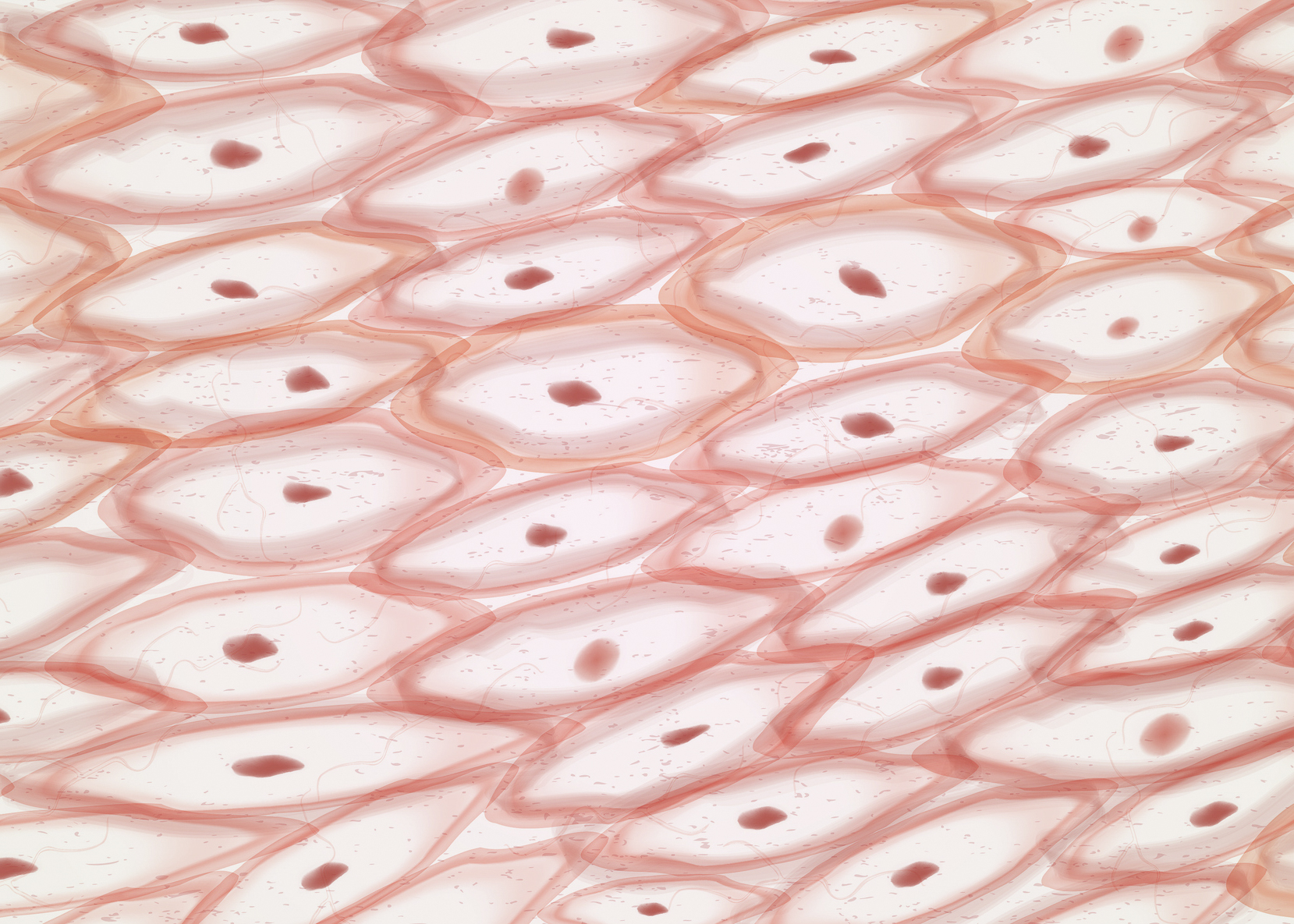
Scientists led by Sergey Troyanovsky, PhD, professor of Dermatology and of Cell and Developmental Biology, have uncovered new intracellular mechanisms promoting cell-cell adhesion, a process disrupted in a variety of skin and inflammatory diseases, according to a recent study published in the Journal of Cell Biology.
-
Light Impacts How the Brain Perceives and Remembers Threats
Northwestern Medicine scientists have discovered that light plays a key role in how animals perceive environmental threats, findings that could improve the understanding of risk avoidance behaviors and disorders in humans, according to a recent study published in Nature Communications.
-
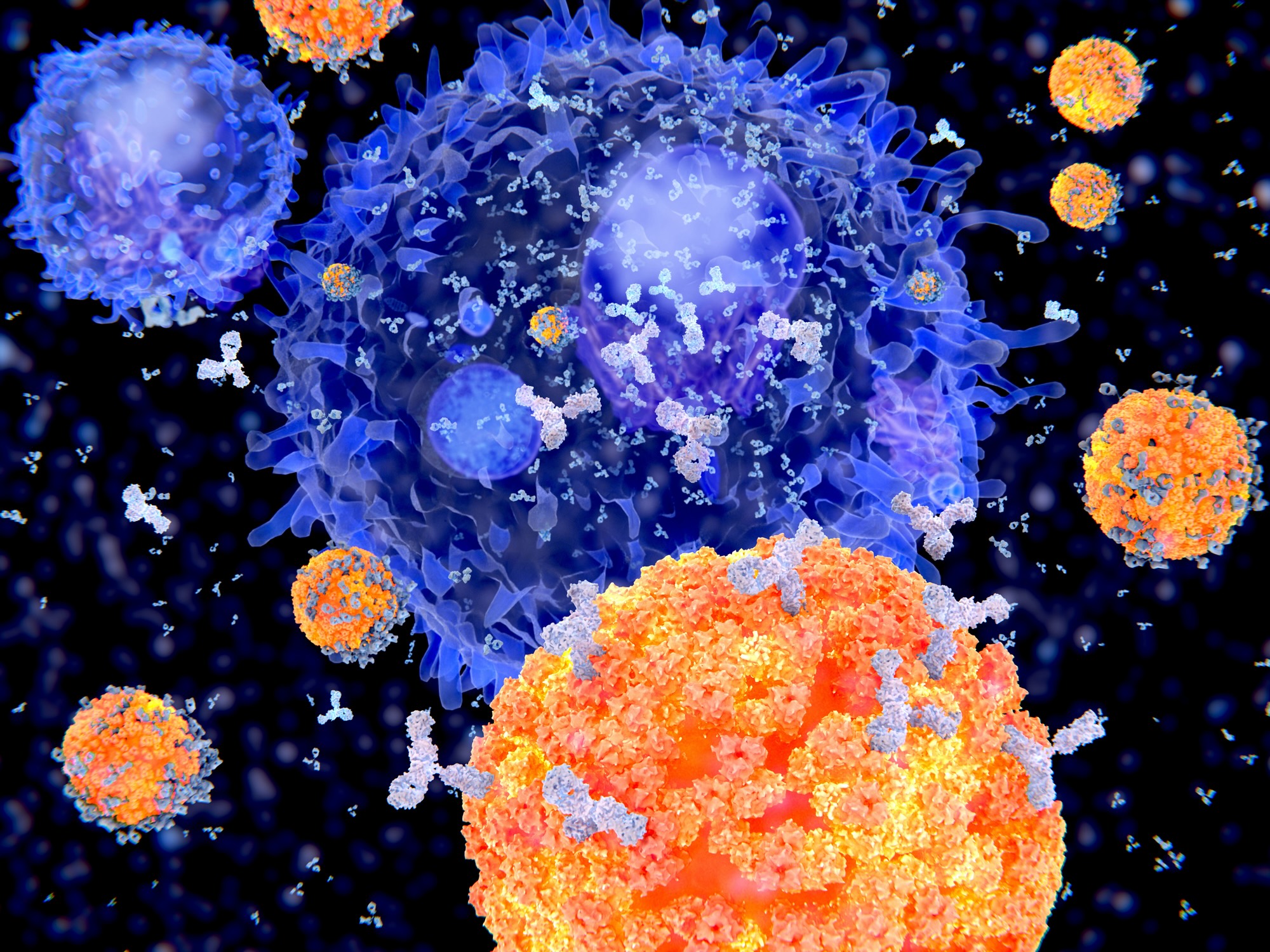
Understanding Mechanisms of Rare Inflammatory Autoantibodies
Northwestern Medicine investigators have uncovered a missing link behind the harmful effects of autoantibodies linked to blood clots, pregnancy complications and other inflammatory conditions, according to a new study published in the Proceedings of the National Academy of Sciences.
-
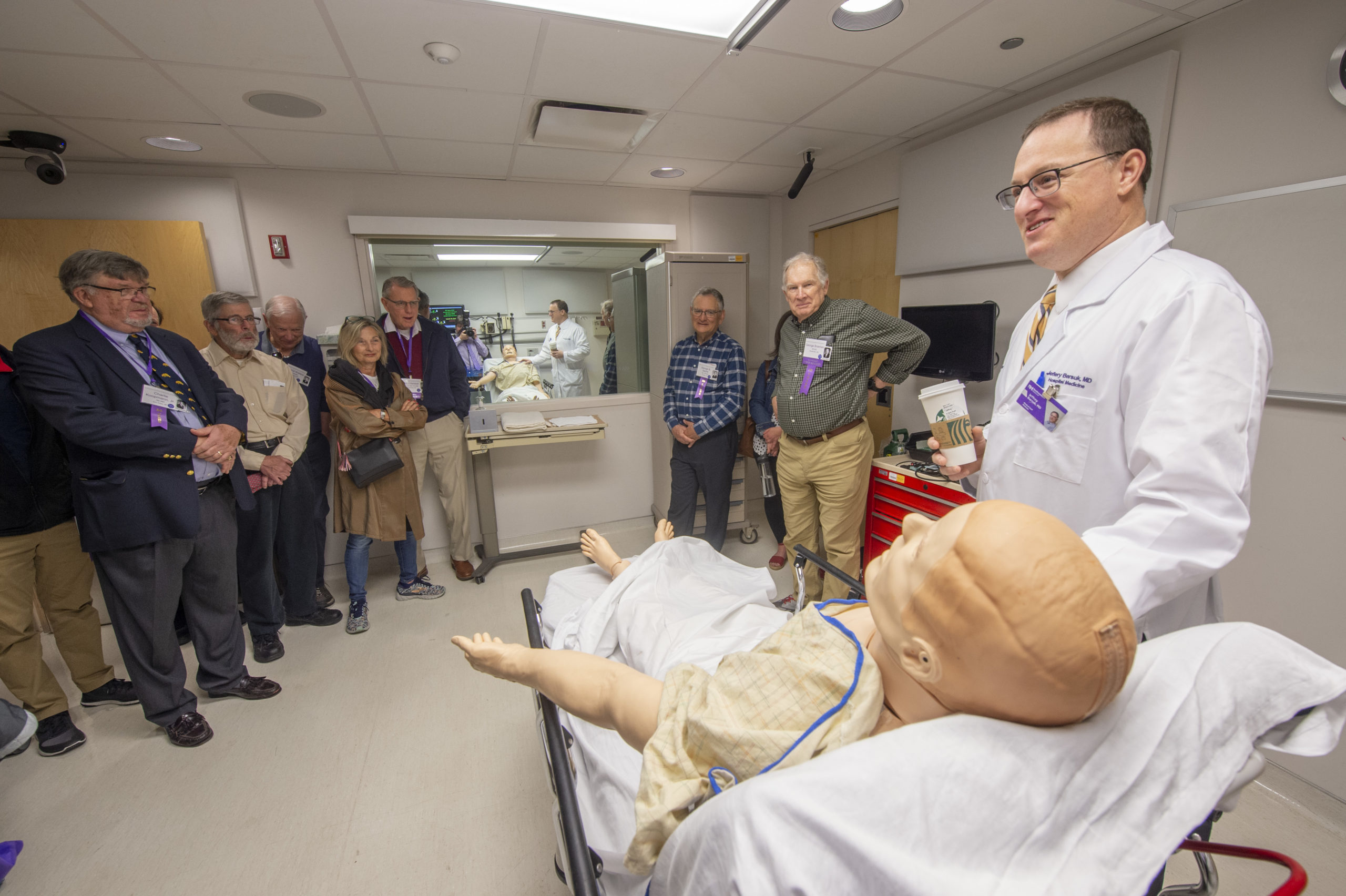
Simulation Training Dramatically Improves Colonoscopy Clinical Skills
A new Northwestern Medicine study suggests that a structured simulation‑based training program can significantly improve how gastroenterologists remove precancerous colon polyps, according to findings published in Gastroenterology.
-
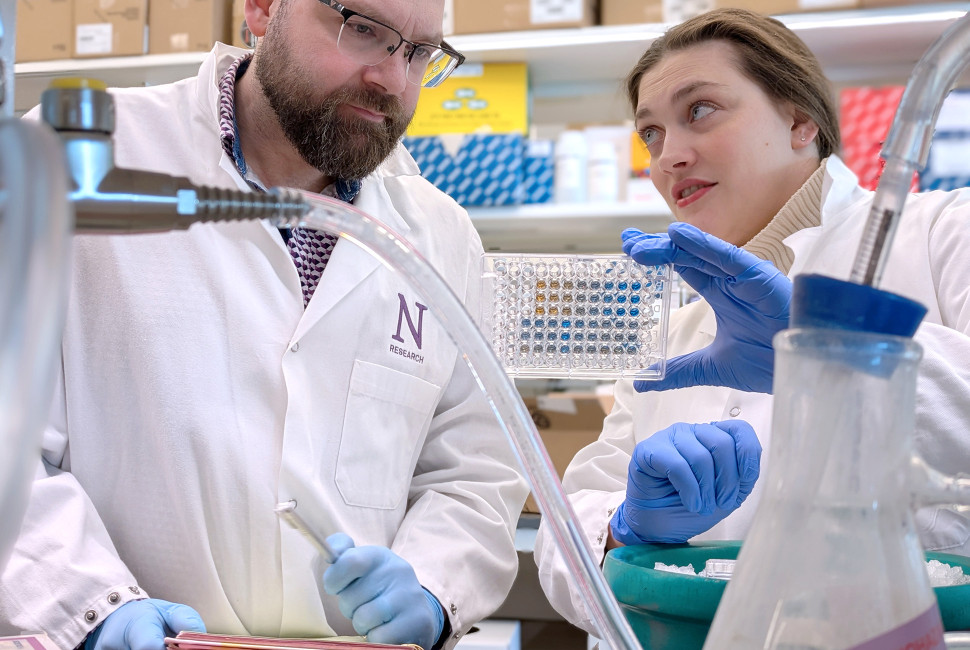
Fructose Uptake in Immune Cells Promotes Glioblastoma Growth
Northwestern Medicine scientists have discovered that specialized immune cells within the glioblastoma tumor microenvironment metabolize fructose to suppress immune responses and promote tumor growth, according to a recent study published in the Proceedings of the National Academy of Sciences.
-
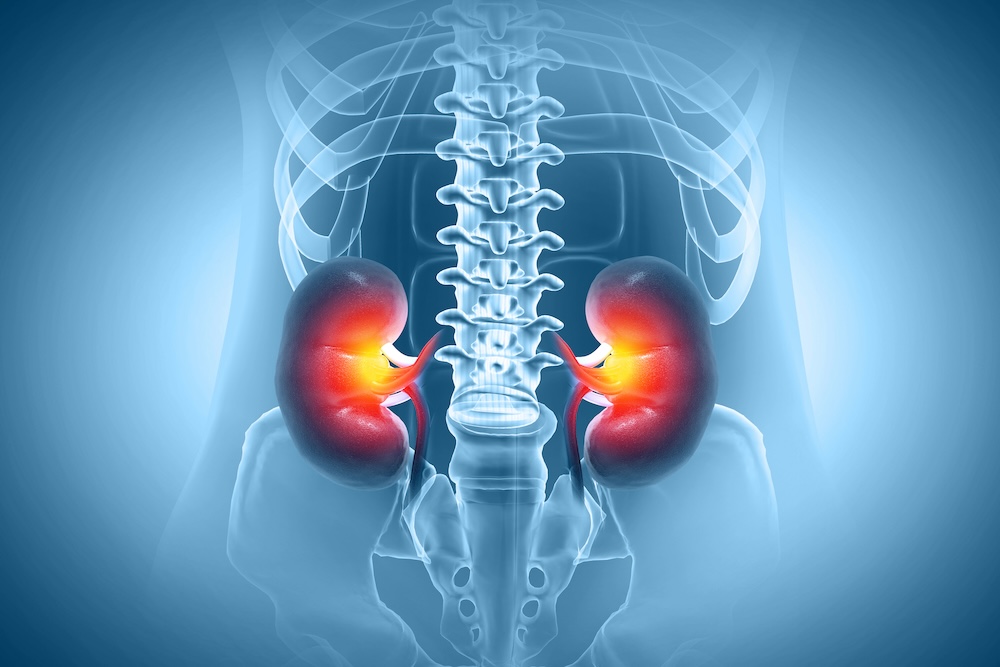
Bariatric Surgery in Adolescents ‘Reprograms’ Kidney Biology to Promote Recovery
Scientists have discovered novel molecular mechanisms that contribute to recovery from diabetic kidney following bariatric surgery in adolescents with type 2 diabetes and obesity, mechanisms that may serve as potential targets for non-surgical treatments for diabetic kidney disease, according to a multi-institutional study published in The Journal of Clinical Investigation.
-

Feinberg Students Celebrate Match Day 2026
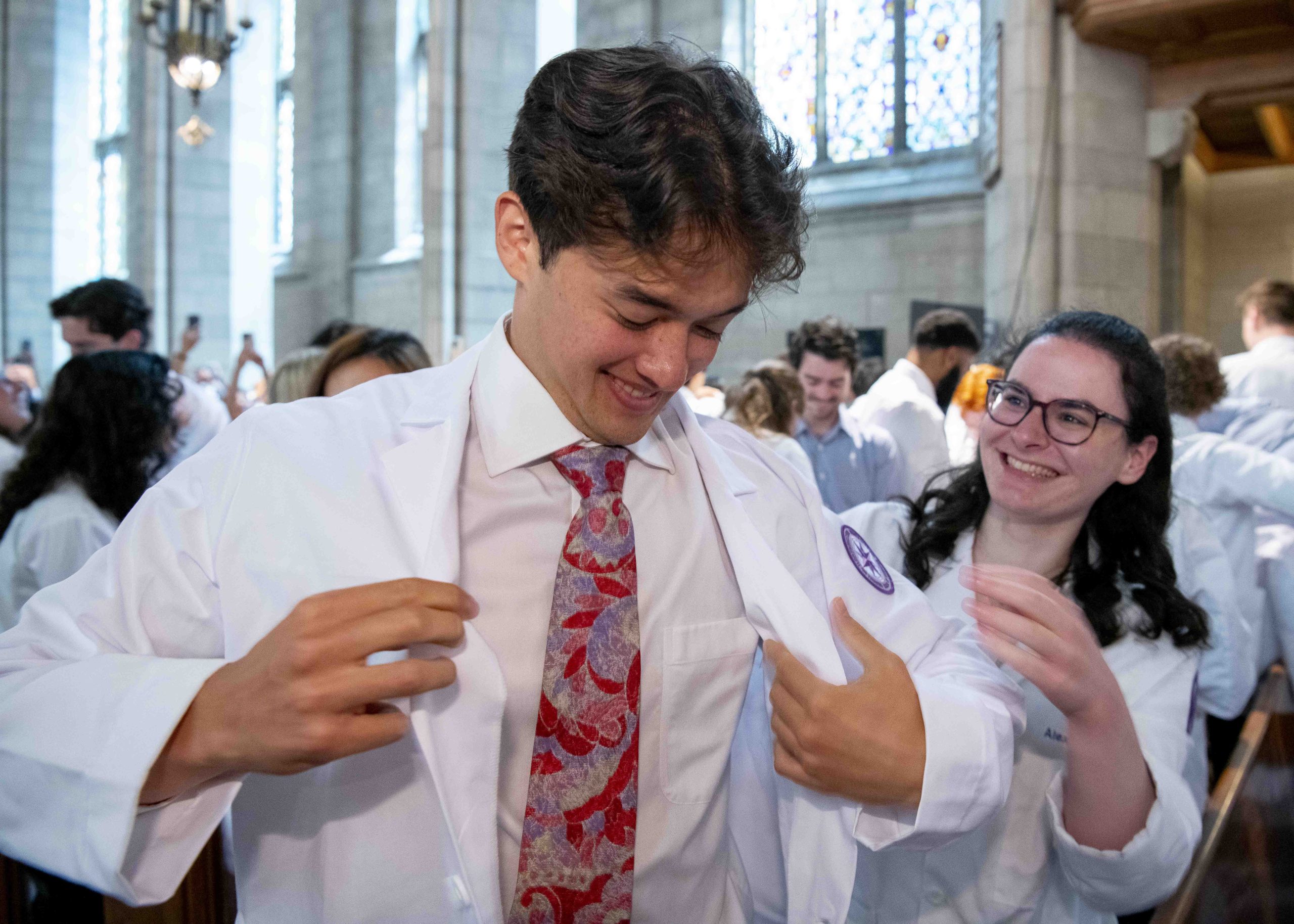
Anticipation and applause filled the air on Friday, March 20, as Feinberg students gathered with family, friends and faculty to learn where they will begin the next phase of their medical training during Match Day 2026.
-
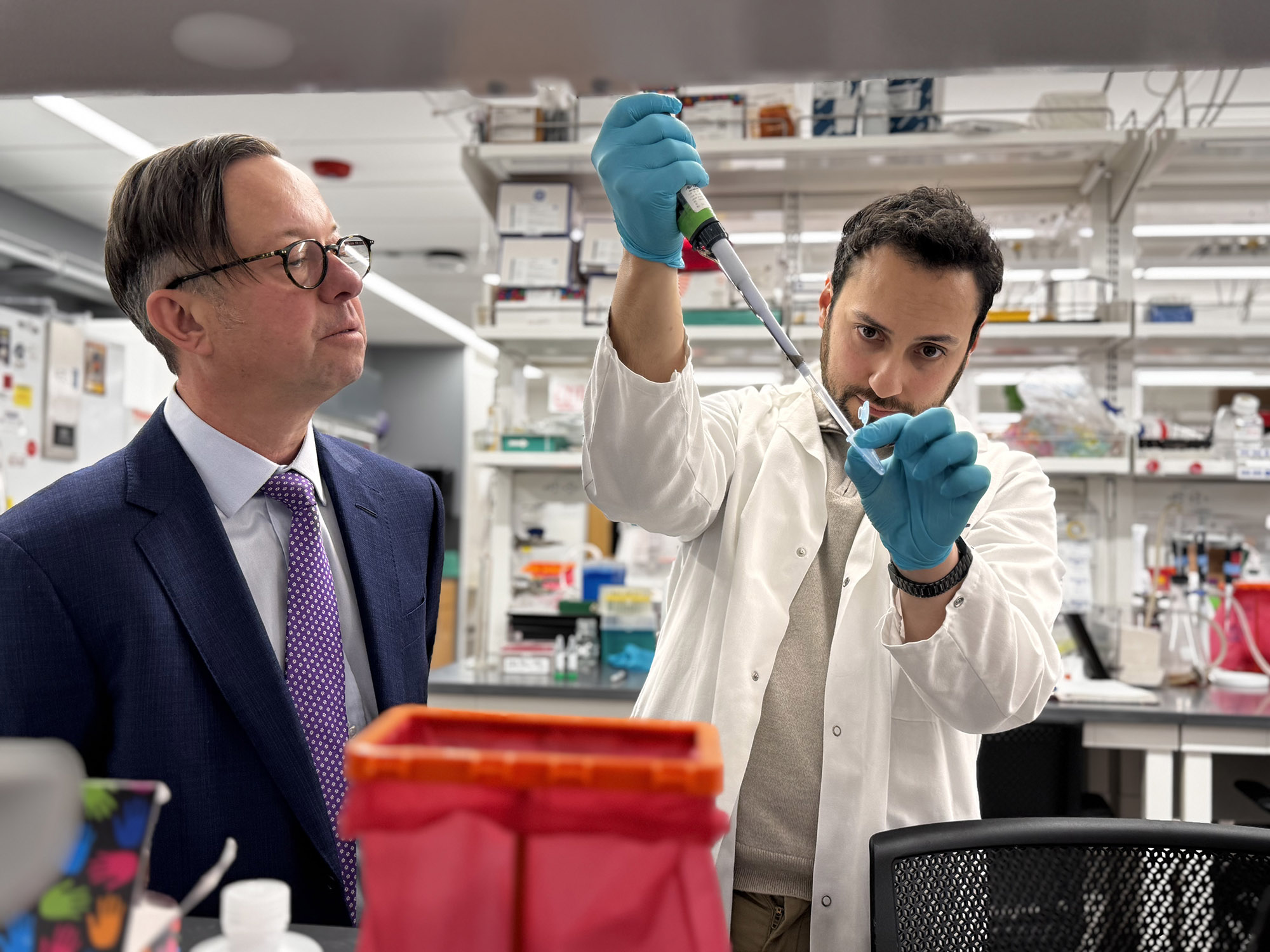
Schizophrenia Study Finds New Biomarker, Drug Candidate to Treat Cognitive Symptoms
A new Northwestern study in humans and mice has discovered a novel biomarker of schizophrenia that could also serve as a new drug candidate to treat the cognitive symptoms of the disorder.
-
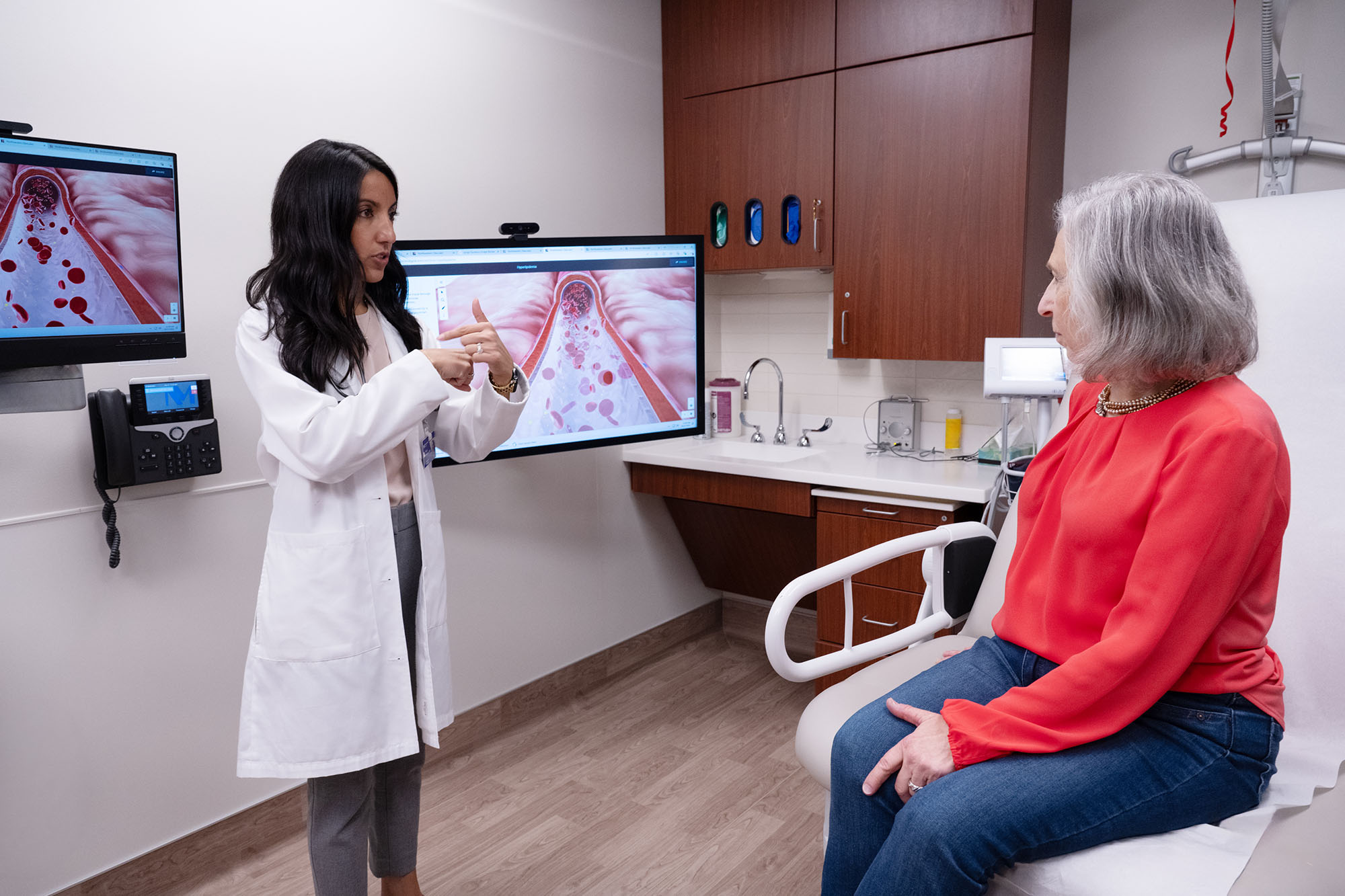
Premature Menopause Raises Long-Term Heart Risk by 40 Percent
Women who enter natural menopause before age 40 face about a 40 percent higher lifetime risk of developing coronary heart disease than women who experience menopause later, according to a large Northwestern Medicine study.