
Month: March 2026
-
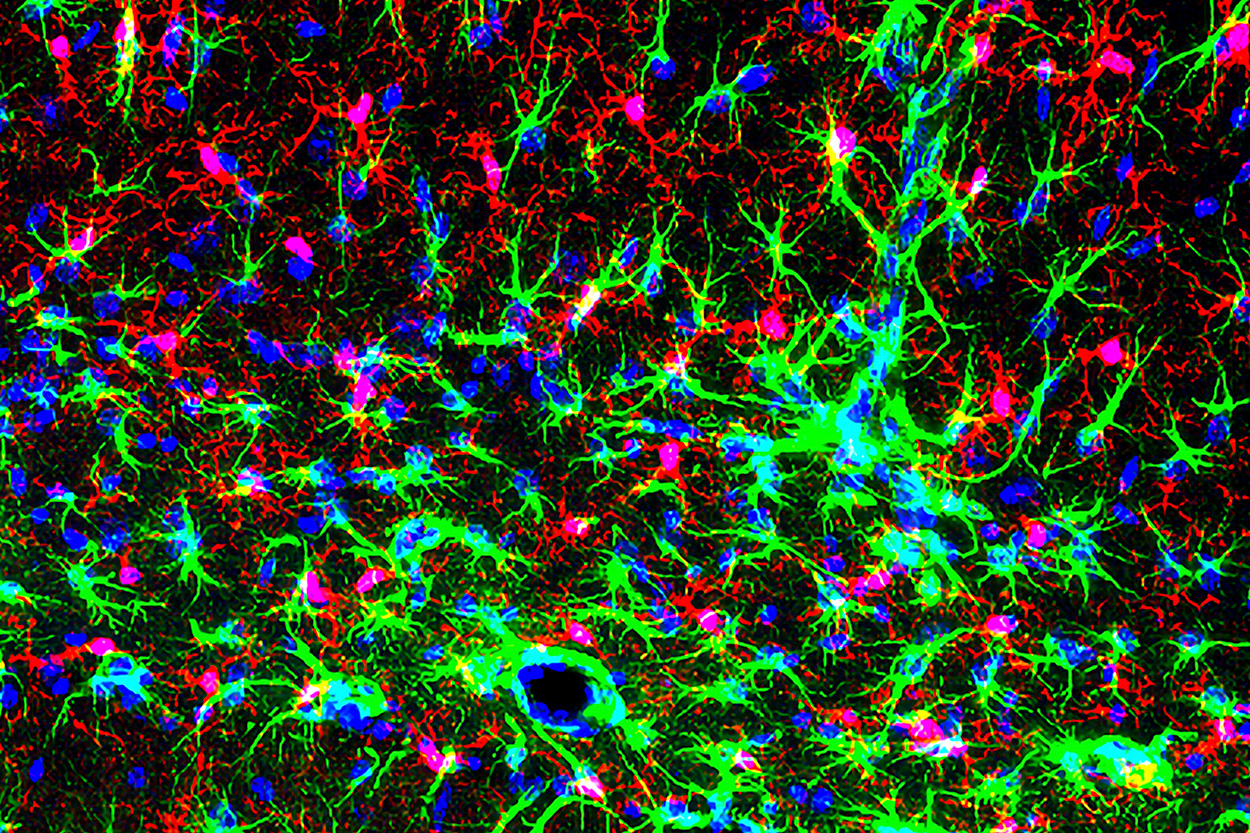
Calcium Signaling Channels Regulate Neuroinflammation and Motivation
Northwestern Medicine scientists have discovered how calcium signaling channels in the brain’s immune cells regulate neuroinflammation and promote the development of behaviors associated with affective mood disorders, according to a recent study published in Science Signaling.
-
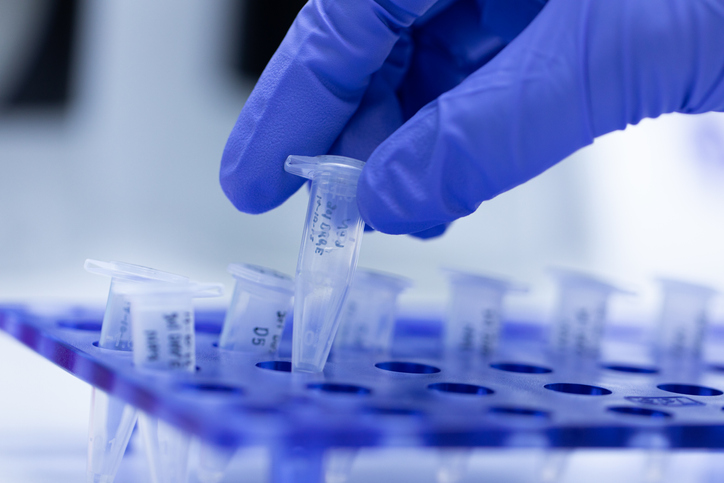
First Gene Regulation Clinical Trials for Epilepsy Show Promising Results
A first‑ever gene‑regulation therapy tested in early‑phase clinical trials co‑led by Northwestern University Feinberg School of Medicine and Ann & Robert H. Lurie Children’s Hospital of Chicago has proven safe in children with Dravet syndrome who have exhausted conventional treatment options, according to a study published in the New England Journal of Medicine.
-

Automated Screening and Education Increases Urinary Incontinence Diagnoses
Implementing an automated urinary incontinence screening and educational program in primary care practices significantly increased awareness and treatment referrals in women with the condition, according to a recent study published in JAMA Internal Medicine.
-

Circadian Rhythm Causes Metabolic Dysfunction in Fat Cells
Northwestern Medicine scientists have discovered how disruptions in circadian rhythm impair metabolic function in fat cells, providing new insights into the molecular mechanisms that cause obesity and metabolic disease, according to a recent study published in Nature Metabolism.
-

AOA Medical Honor Society Inducts New Feinberg Members
Feinberg’s chapter of the Alpha Omega Alpha (AOA) medical honor society welcomed 41 new members during a ceremony on March 3, recognizing outstanding educational achievements and contributions to medicine.
-
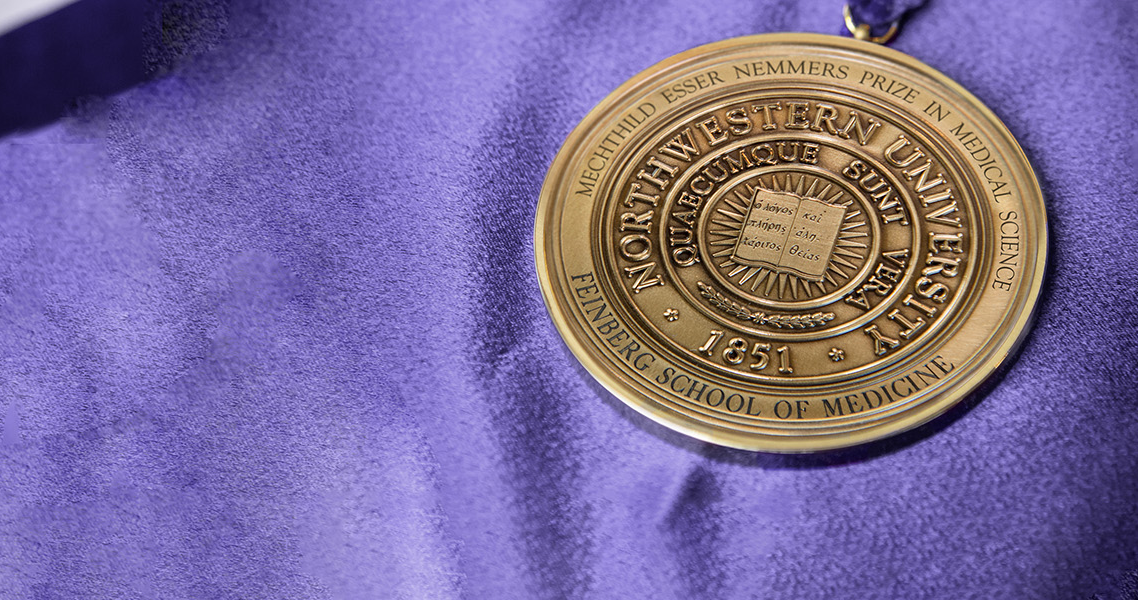
Pioneer in Infectious Disease Genetics Wins 2026 Mechthild Esser Nemmers Prize
Jean-Laurent Casanova, MD, PhD, the Levy Family Professor at Rockefeller University, known for his discovery of the human genetic and immunological determinants of infectious diseases, is the recipient of the 2026 Mechthild Esser Nemmers Prize in Medical Science.
-
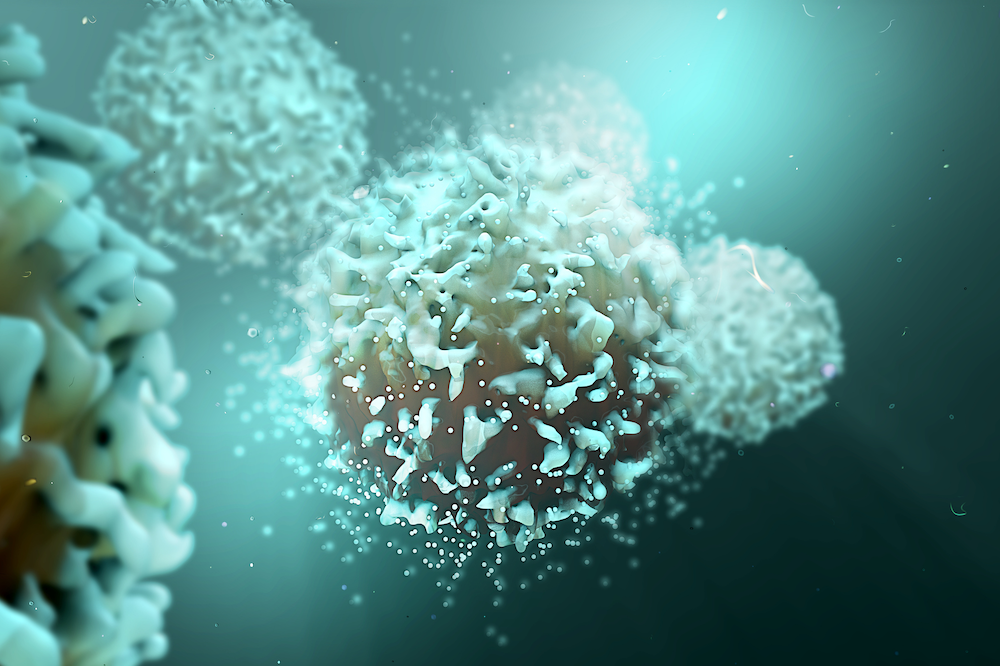
CAR T-cell Therapy Improves Survival in Relapsed or Refractory Lymphoma
CAR T-cell immunotherapy improved progression-free and overall survival in patients with relapsed or refractory marginal zone lymphoma, according to a recent clinical trial published in The Lancet.
-
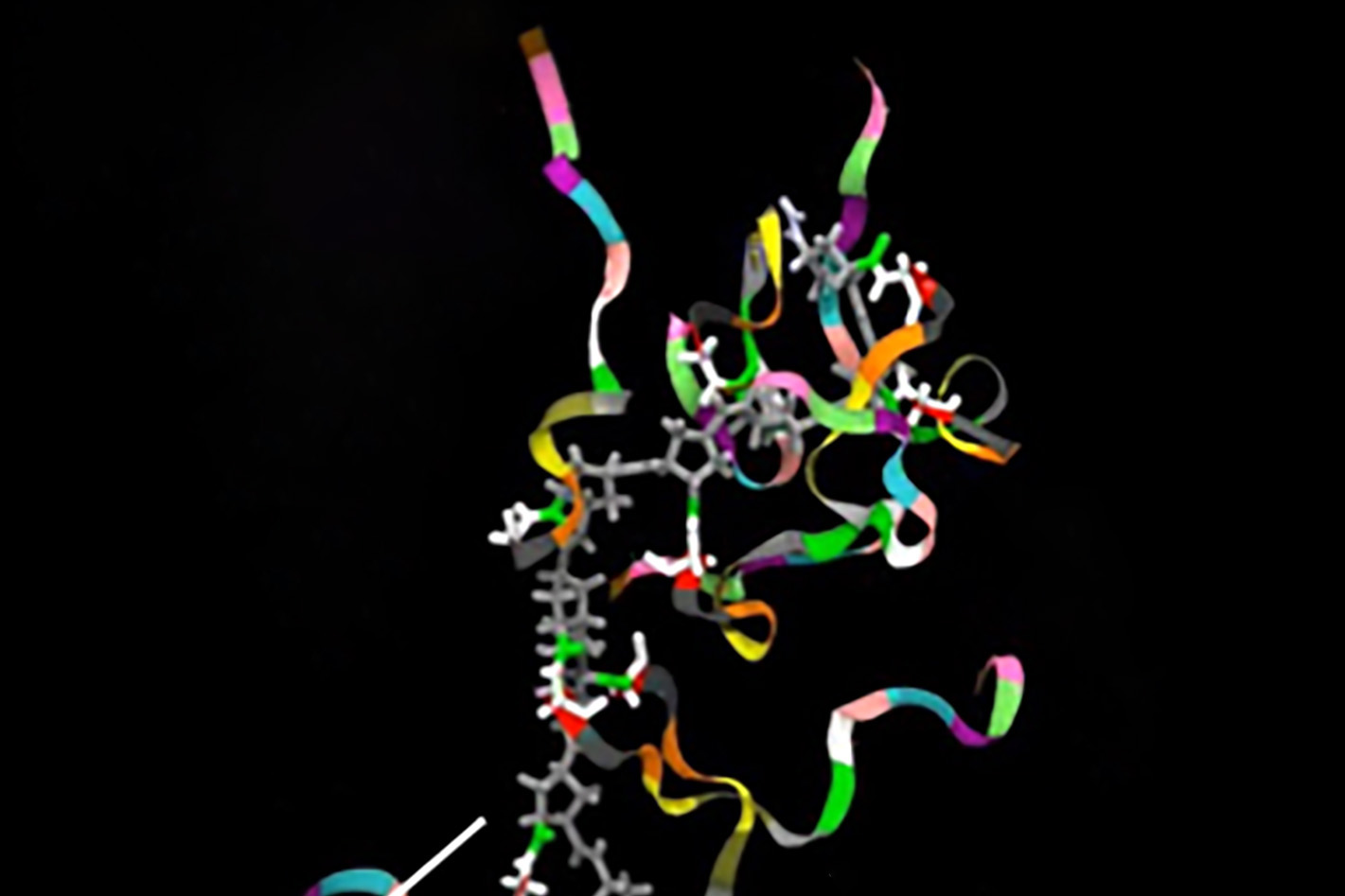
Trashing Cancer’s ‘Undruggable’ Proteins
Northwestern scientists have developed polymers capable of grabbing proteins and directing them to the cell’s waste-disposal machinery, potentially triggering cancer cell death.
-

AI Model Predicts Language Development in Children with Hearing Loss
An advanced machine learning model predicted spoken language outcomes in children who received cochlear implants more accurately than traditional machine learning approaches, according to a recent Northwestern Medicine-led international multi-center study.