Year: 2025
-

Advancing Bioethics and Medical Humanities
In this Q&A, Kelly Michelson, MD, MPH, director of the Center for Bioethics and Medical Humanities in the Institute for Public Health and Medicine, shares how ethics and the humanities are shaping the future of medicine, driving research and redefining medical education.
-

Students Collaborate to Solve Global Health Concern at Intramural Case Competition
Students from disciplines across Northwestern recently collaborated to pitch solutions to complex, real-world global health challenges at Global Health Day’s Intramural Global Health Case Competition.
-
Novel Biomarker May Predict Immunotherapy Resistance
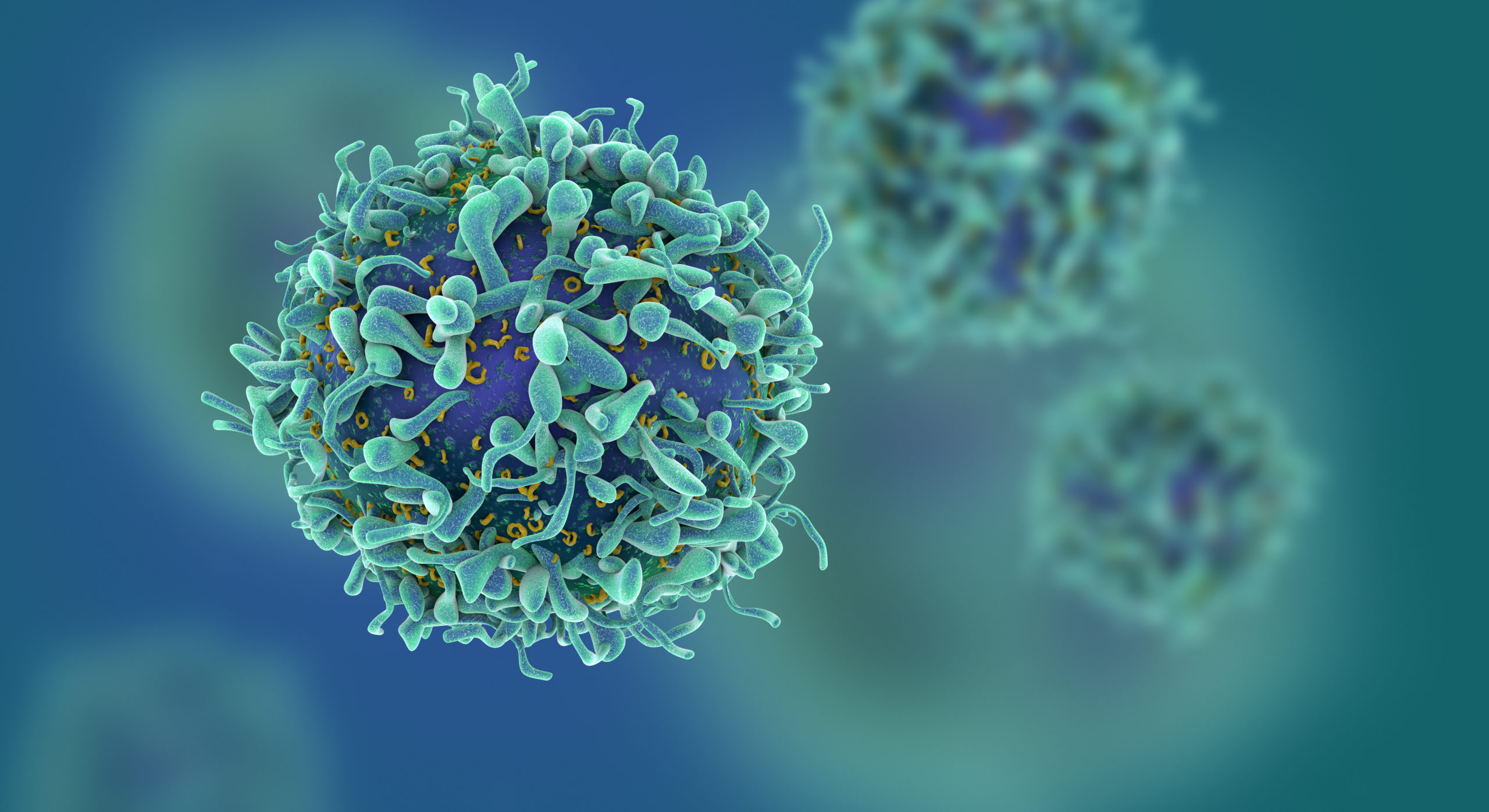
Northwestern Medicine scientists have identified a novel biomarker for immune immunotherapy resistance in cancer that may also serve as a potential therapeutic target for patients who don’t respond well to immunotherapy, according to a recent study published in The Journal of Clinical Investigation.
-

Study Identifies Misleading Genomic Sequences of Bacteria Causing Gonorrhea
Northwestern Medicine investigators have identified issues with most genomic sequence data for the Neisseria gonorrhoeae bacterium, findings that could complicate future epidemiological and pathogenesis studies, according to a recent study published in the Journal of Infectious Diseases.
-
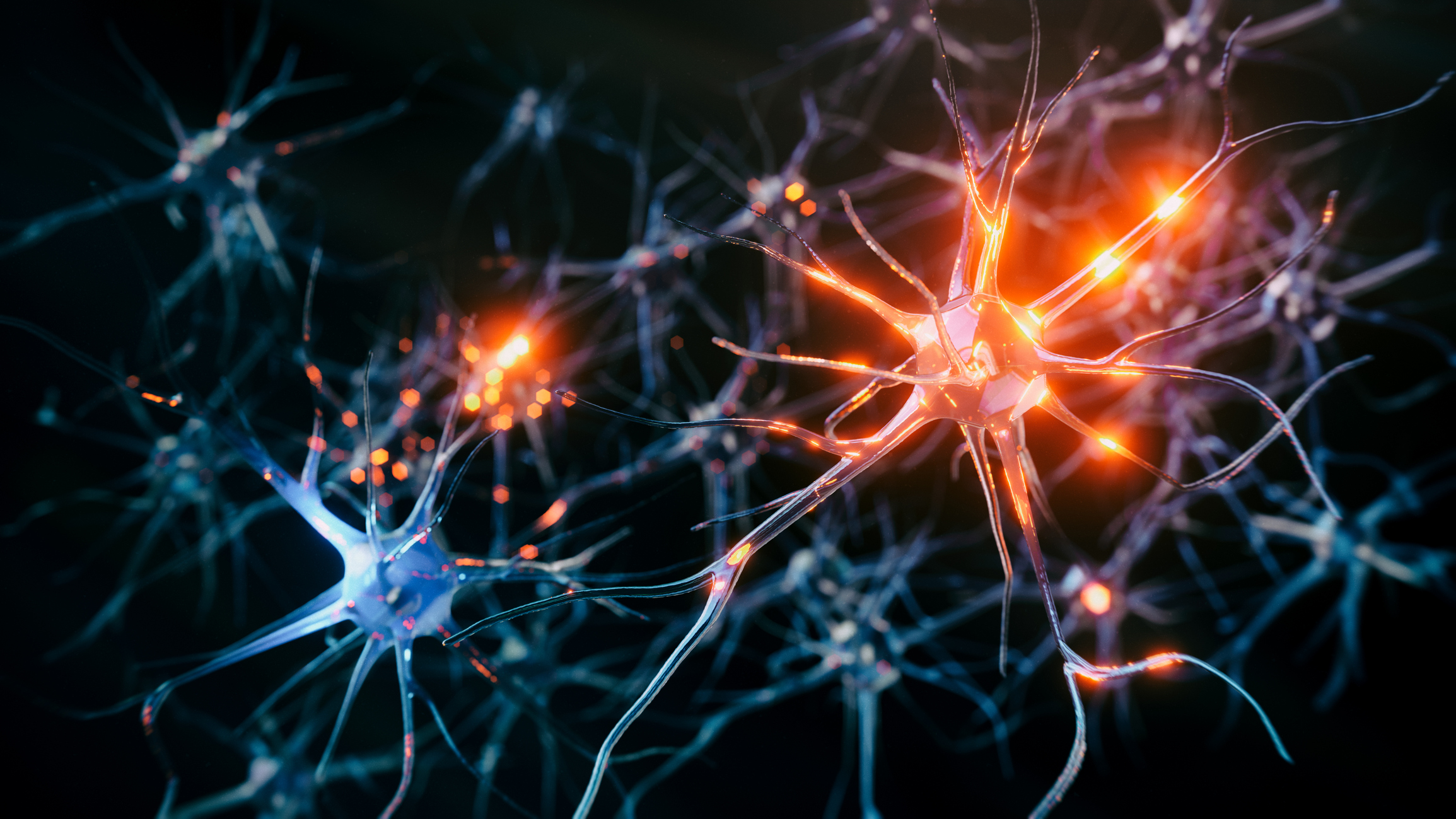
Elucidating Brain Communication Networks
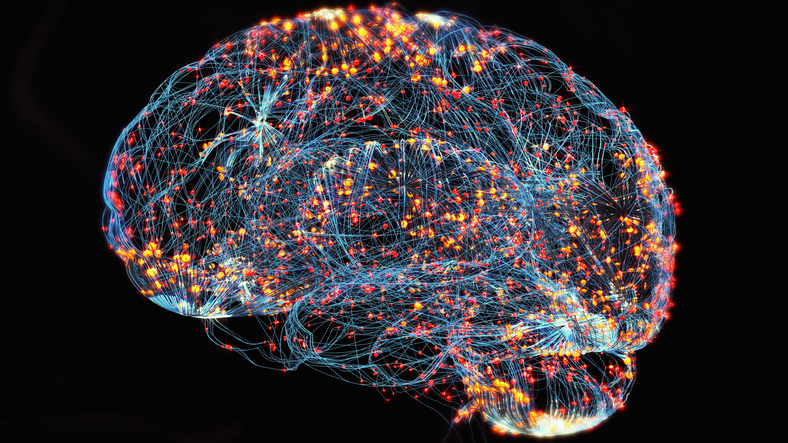
The human brain is often described as the most complex network in existence, with billions of neurons exchanging signals across intricate pathways. Recent research led by Feinberg investigators is revealing how different regions of the brain coordinate and process information, and how disruptions in these networks can impact health.
-

Arvanitis Honored with International Leadership Award
Constadina (Dina) Arvanitis, PhD, director of Feinberg’s Center for Advanced Microscopy, has been honored with the 2025 Royal Microscopical Society (RMS) Vice President’s Award for her outstanding leadership and service to the global scientific imaging community.
-

New ‘Heart Percentile’ Calculator Helps Young Adults Grasp Their Long-Term Risk
A new Northwestern Medicine study introduces a first-of-its-kind online calculator that uses percentiles to help younger adults forecast and understand their risk of a heart event over the next 30 years.
-
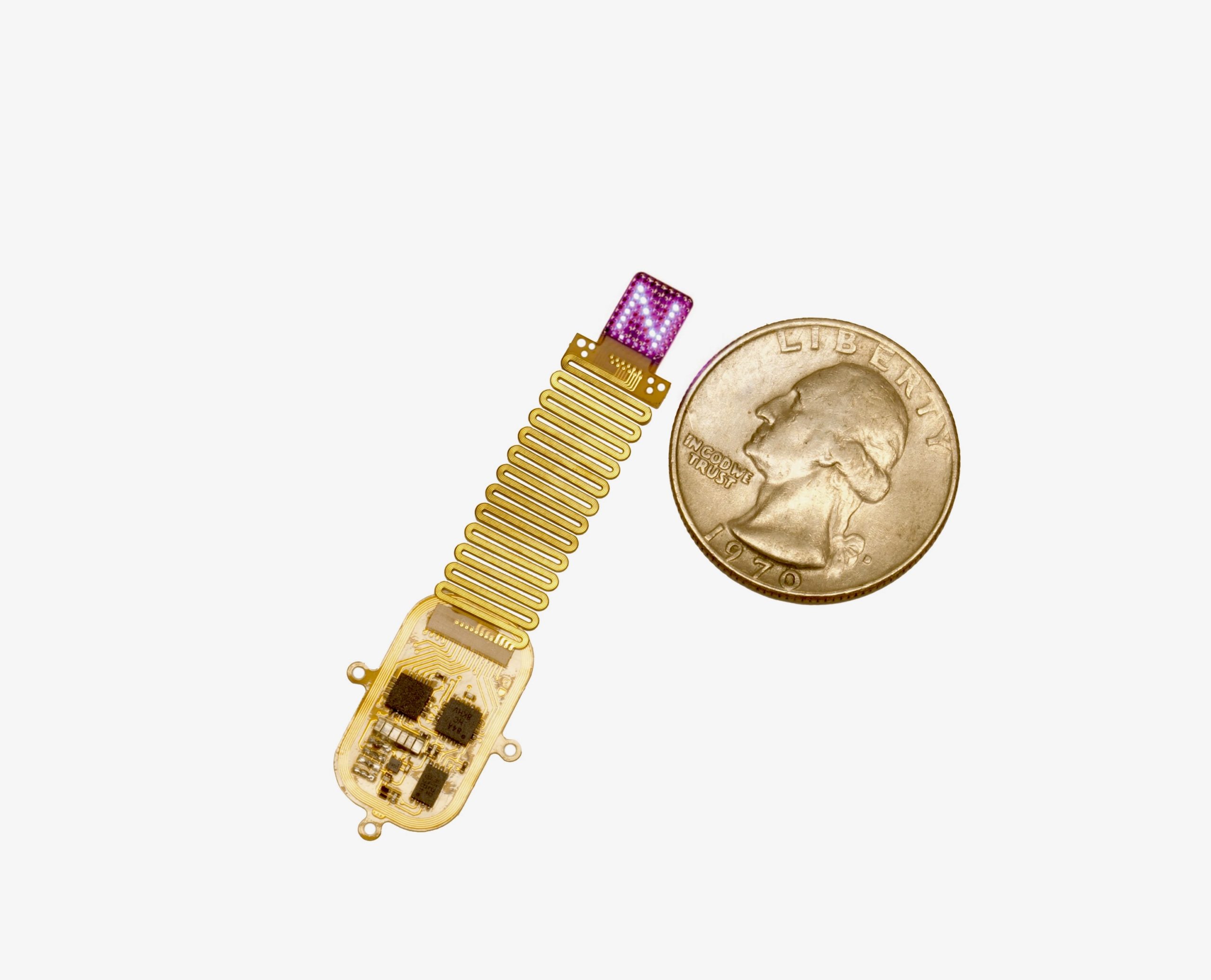
Wireless Device ‘Speaks’ to the Brain With Light
Northwestern scientists have developed a wireless device that uses light to send information directly to the brain — bypassing the body’s natural sensory pathways, as detailed in a new study published in Nature Neuroscience.
-
Hormone Therapy Does Not Increase Cardiovascular Disease Risk in Younger Postmenopausal Women
While menopausal hormone therapy increased cardiovascular disease risk in postmenopausal women older than 70 years with vasomotor symptoms, hormone therapy did not significantly affect cardiovascular disease risk in younger postmenopausal women, according to a recent study published in JAMA Internal Medicine.
-
Exploring the Link Between RNA Modification and Prostate Cancer Growth
A Northwestern Medicine study published in the Journal of Clinical Investigation has uncovered a connection between a well-known cancer-related protein and a major RNA modification process, which may inform new treatment strategies against prostate cancer.