
Posts
-
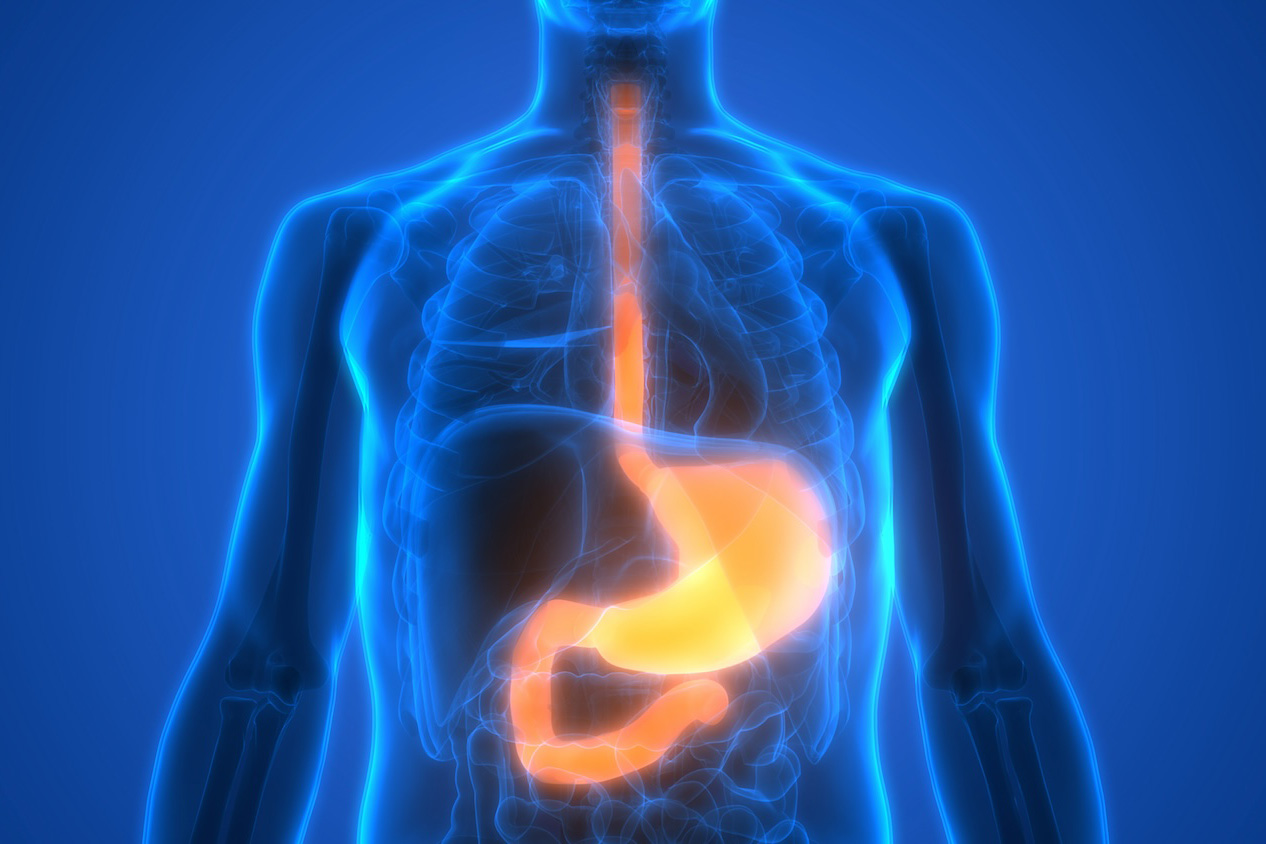
Hypervigilance, Anxiety Linked to Poor Treatment Outcomes in Esophageal Disorder
Increased esophageal hypervigilance and anxiety were associated with worse post-treatment symptoms and poor quality of life in patients with achalasia, a rare esophageal motility disorder, according to a recent Northwestern Medicine study.
-

Targeting Aberrant Learning May Improve Parkinson’s Treatment
Northwestern Medicine scientists have discovered that targeting neuronal signaling controlling aberrant learning in the striatum may improve the efficacy of a first-line therapy for Parkinson’s disease and has the potential to reduce therapy-related side effects, according to a recent study published in Science Advances.
-
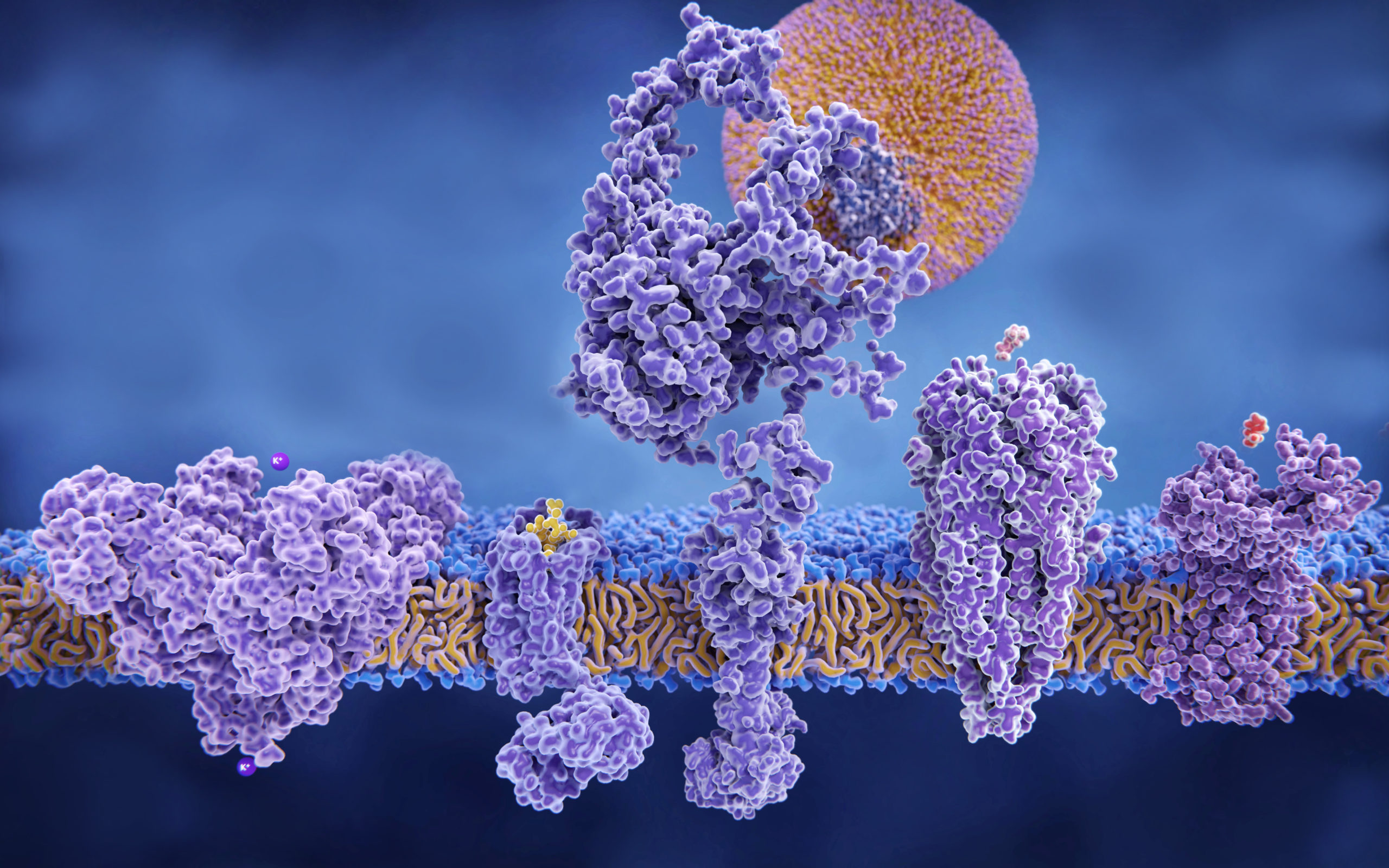
Shape-Shifting Cell Channel Reveals New Target for Precision Drugs
In a new study published in Nature Communications, Northwestern scientists have uncovered how a critical membrane pathway controls the flow of chemical messages responsible for everything from brain activity to inflammation.